

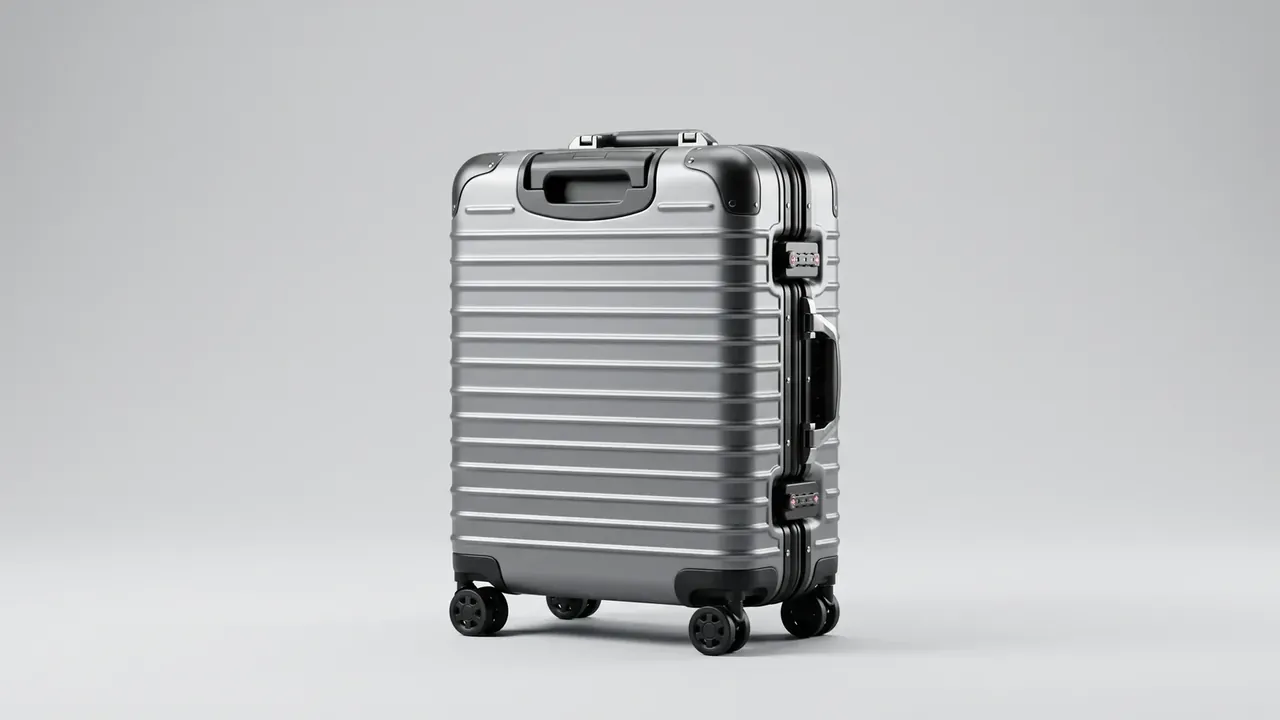
Quick answer: Scene differences for a rolling protective equipment case come down to three inputs: the surface under the wheels, the handle travel the route needs, and where the lid gets opened. Gravel and epoxy want different treads; a tailgate and a server aisle want different stances.
Table of contents
- Six Places a Rolling Protective Equipment Case Works Hardest
- Field Work: Thirty Metres from Tailgate to Workface
- Server Rooms and Clean Zones Need a Different Wheel Set
- Multi-Site Rounds: Markings and Inserts Set the Pace
- A Configuration Table for Four Scene Types
- FAQ
1. Six Places a Rolling Protective Equipment Case Works Hardest
Sort scenes by how a rolling protective equipment case moves. Past the gate it rolls on its own casters, and when the surface changes the diameter and tread follow. Gravel and epoxy sit one hardness grade apart.
| Scene | Surface and trip | Configuration |
|---|---|---|
| Field transfer | gravel, 30–200 m | 100 mm PU |
| Server zone | epoxy, under 20 m | soft TPU, 75A |
| Building rounds | tile, 50–300 m | travel 420 mm |
| Trade show | carpet, under 100 m | track 380 mm |
| Emergency repair | mud, variable | detachable, 30 kg |
| Film location | sand, over 200 m | 100 mm, under 7 kg |
Distance is the column left blank. Under 30 m, 75 mm is enough; past 200 m the diameter gap lands on whoever pushes.
2. Field Work: Thirty Metres from Tailgate to Workface
Field work is the hardest test for a rolling protective equipment case. The cargo floor sits 1.1 m up, the workface is 30 m of gravel away, and the lid must not pop, the handle must not wobble.
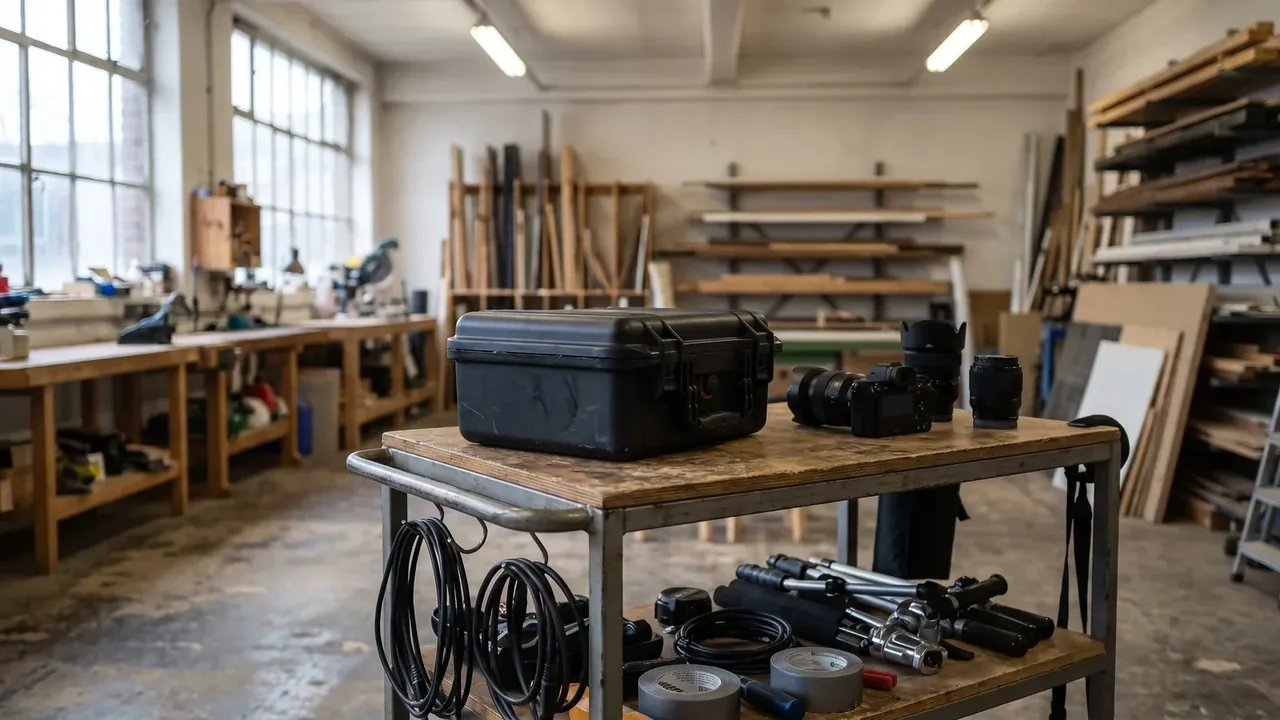
Diameter decides whether it gets through. Gravel runs 10 to 20 mm, which stops a 75 mm wheel and forces a drag; at 100 mm the same stretch rolls clean. Polyurethane over nylon, which leaves no black marks.
Three handle sections give 420 mm of travel and fold to 180 mm. Keep play under 2 mm, or the body swings on a long push.
3. Server Rooms and Clean Zones Need a Different Wheel Set
A rolling protective equipment case entering a server room wants the opposite set: soft TPU at 26 mm width spreads the load, and 75A keeps epoxy unmarked.
| Floor | Tread | Diameter | Hardness |
|---|---|---|---|
| Epoxy | soft TPU | 75 mm | 75A |
| Raised floor | conductive TPU | 75 mm | 80A |
| Concrete | polyurethane | 100 mm | 90A |
| Carpet | polyurethane | 100 mm | 85A |
Brakes are not optional, since aisles fall at 5 to 8 degrees and an unbraked body creeps. Shed matters too: push 10 m over white paper and the sheet has to stay clean.
4. Multi-Site Rounds: Markings and Inserts Set the Pace
Rounds are the heaviest use case: five or six stops a day, 12 minutes at each, the lid opening a dozen times.
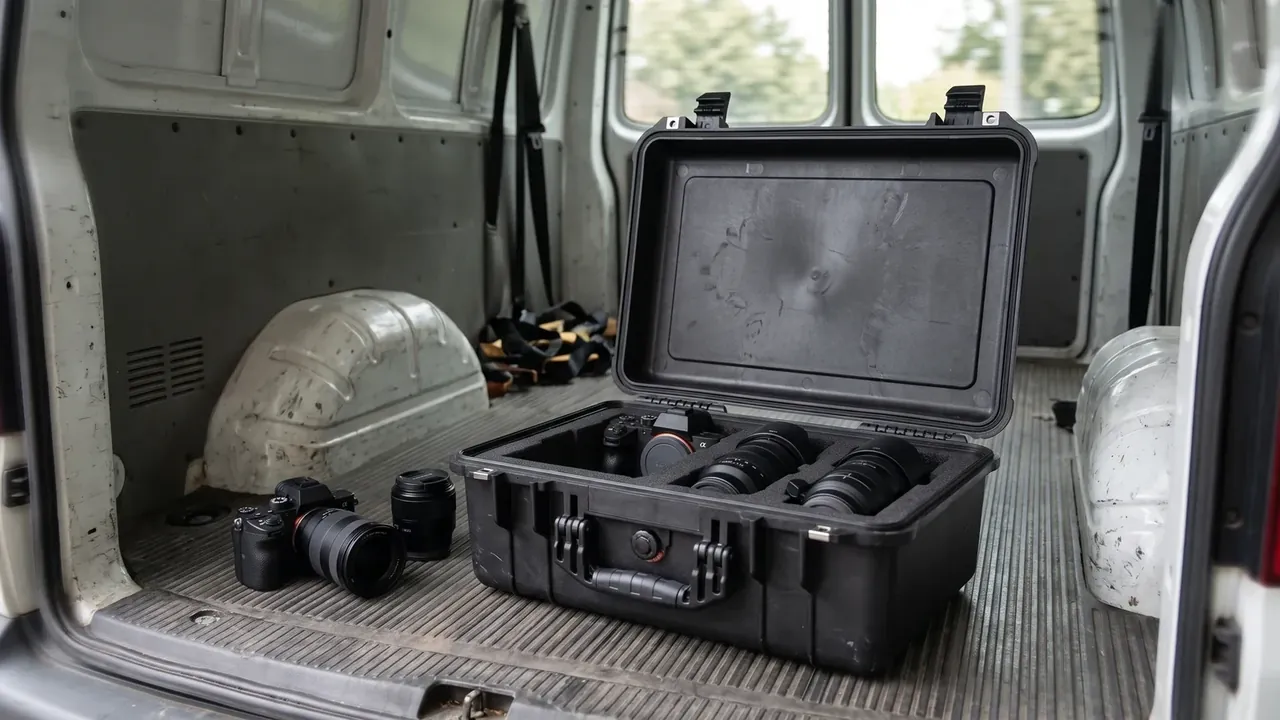
A six-digit code moulded into the lid reads from standing height; a sticker lifts within three months. Insert depth is the tallest item plus 10 mm, and EVA at 40 mm holds rebound.
5. A Configuration Table for Four Scene Types
Once insert, wheels and handle are inside a rolling protective equipment case, 15 mm of spare volume is enough.
| Scene | Size | Wall | Load | Stack |
|---|---|---|---|---|
| Field transfer | 620×460×280 mm | 3.2 mm | 25 kg | 3 high |
| Server rounds | 520×400×230 mm | 2.8 mm | 18 kg | 4 high |
| Building rounds | 560×420×250 mm | 3.0 mm | 20 kg | 3 high |
| Show and film | 680×480×300 mm | 3.2 mm | 28 kg | 2 high |
Casters sit at four corners, so upper units load the lid: three high means 60 kg, four high 90 kg.
Environmental clauses carry numbers: opening from −20 to 60 °C, compression set under 30 percent, 48 hours of salt spray, IP67 at 1 m for 30 minutes with paper gain under 1 g.
Conclusion
Matching a wheel set and handle to surface, distance and opening position is the whole job. Field work reads diameter and tread, clean zones read hardness and brakes, rounds read marking and insert depth. Configured this way, a rolling protective equipment case pushes easily and stacks without sagging.
This article discusses only the container (case body) side of specifications and design intent, and does not cover any handling, loading or use of the contents.
Related Reading
- Four parameters that set a wheeled case
- How equipment cases sort by industry
- What equipment protection cases are built for
- Short-haul use of rolling tool cases
Related Products
- 8 Series — Gun Cases; Military Equipment Cases; Camera Equipment Cases; Drone Cases; Watch Cases; Knife Cases; First Aid Cases; Electronics Equipment Cases
- WL8-2812 PP Gun Case — model WL8-2812
- All protective cases and toolboxes: 7 series, 158 models