

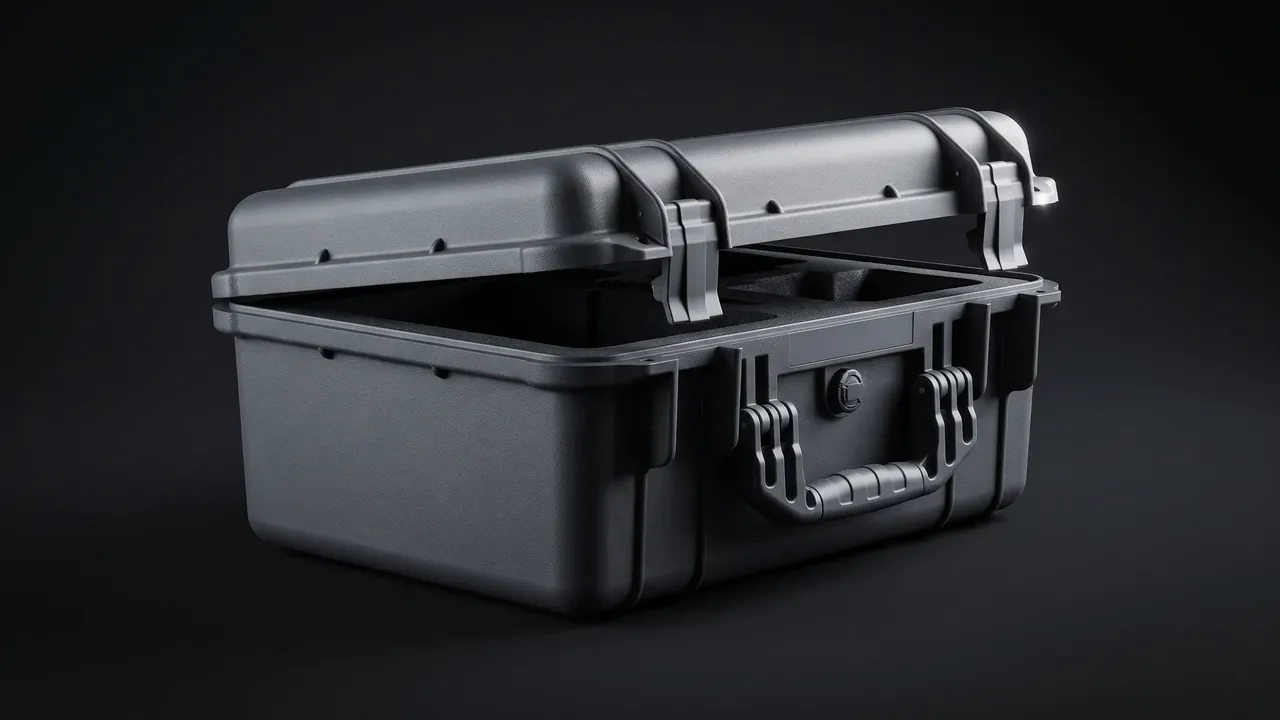
Quick answer: The protection of a submachine gun storage box fades as the gasket, latches and foam age. A practical rhythm is a visual check after every opening, a quarterly check of the gasket and hardware, a half-yearly check of the desiccant, and a yearly review of the foam and overall condition, focusing on gasket rebound, latch pressure and foam collapse.
Table of contents
- Five self-check signals of gasket aging in a submachine gun storage box
- Lubricating and tightening latches and hinges
- Foam insert replacement cycle and signs
- Temperature, humidity and storage conditions
- Maintenance cycle checklist
- FAQ
1. Five self-check signals of gasket aging in a submachine gun storage box
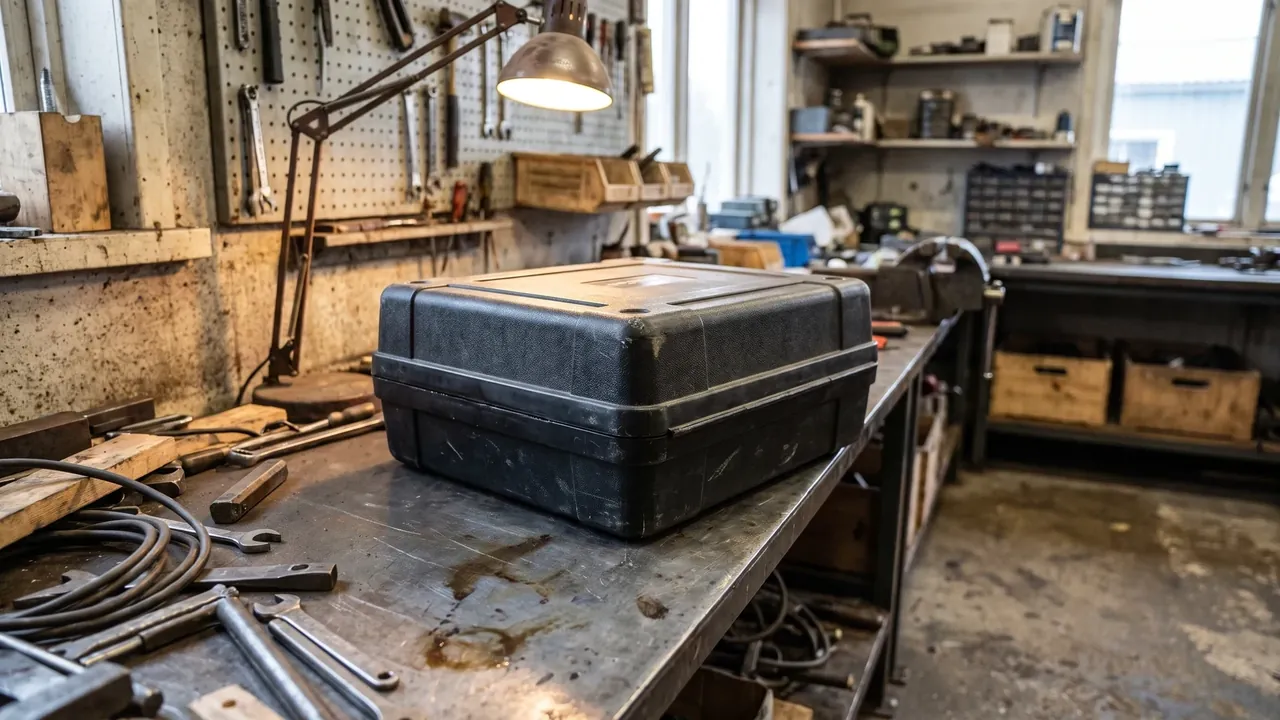
The first step in maintaining a submachine gun storage box is always to look at the gasket. It is the core structure that blocks moisture and dust, and once it loses rebound, an invisible gap opens in the protection boundary. Judging aging needs no special equipment.
- Hardening: pressing the gasket shows slow rebound, or none at all.
- Cracking: fine cracks appear, especially at corners and joints.
- Deformation: the gasket flattens, sinks locally, or no longer sits in the groove.
- Discoloration: an even dark tone turns white or grey, hinting at aging.
- Odor: a sharp or sour smell suggests the material may have degraded.
If any signal appears, run a closing check at once: close the box and trace the gasket to confirm no debris is trapped and no section is lifted. An aged gasket does not mean the whole box is scrap; replacing the gasket alone often restores protection.
2. Lubricating and tightening latches and hinges
Latches and hinges are opened most often and loosen most quietly. Their job is to maintain even closing pressure, and once pressure is unbalanced, even a new gasket cannot seat evenly.
- Latches: check that both sides apply equal pressure with no single-side play; spring parts should rebound smoothly.
- Hinges: opening and closing should run without jamming or noise, with no visible wear on the pin.
- Lubrication: apply a little grease to the pin and moving surfaces, avoiding grease that collects dust.
- Tightening: check screws and rivets periodically and re-tighten to torque when loose, without over-forcing.
Do not wipe hardware with strong solvents, which can corrode the surface plating. Lubrication and tightening look minor but decide whether closing pressure stays stable.
3. Foam insert replacement cycle and signs
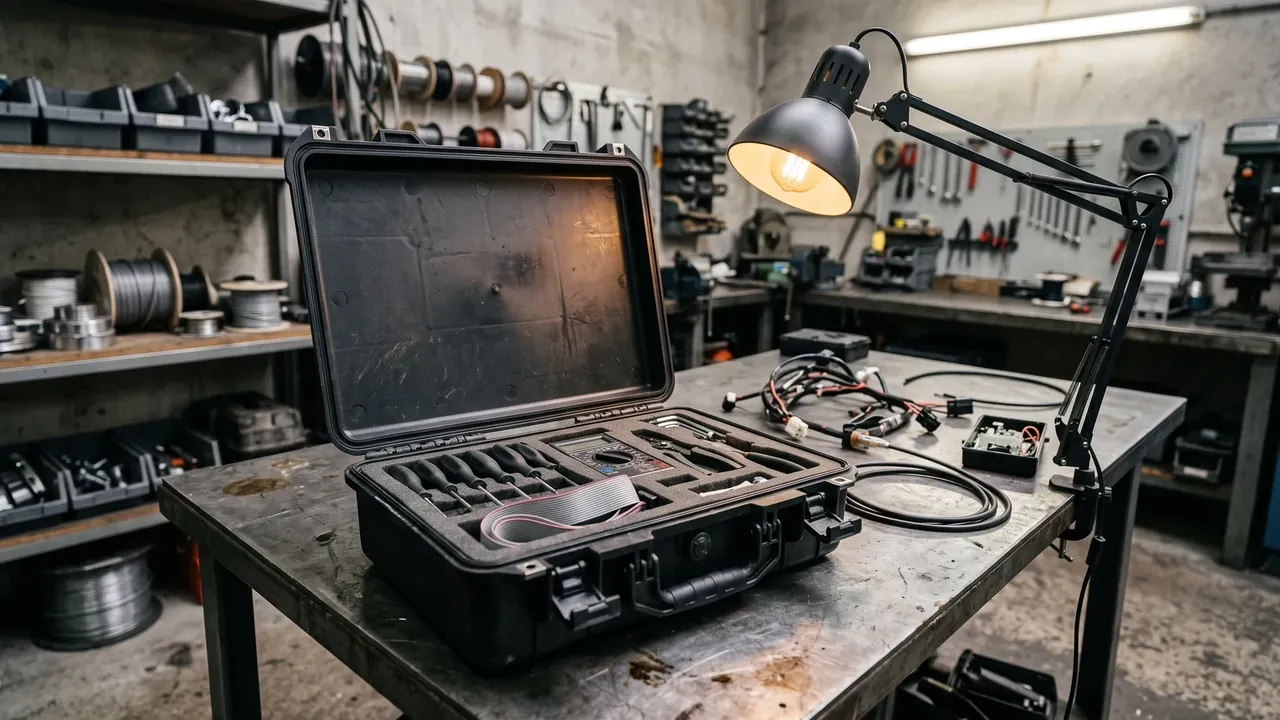
The foam insert keeps the contents from shifting and also collapses over time. Whether to replace it depends on rebound and fit, not simply on how many years it has served.
| Check item | Normal | Needs replacement |
|---|---|---|
| Rebound | Recovers quickly after pressing | Keeps a mark, no rebound |
| Surface | Even, no crumbs | Powders, sheds, cracks |
| Cavity fit | No movement after placing | Contents shift or move |
| Thickness | Close to design value | Clearly thinner, flattened |
A review every two to three years is a reasonable baseline, shortened for boxes opened frequently. When replacing foam, best to re-cut cavities to the contents profile rather than stuffing in generic foam.
4. Temperature, humidity and storage conditions
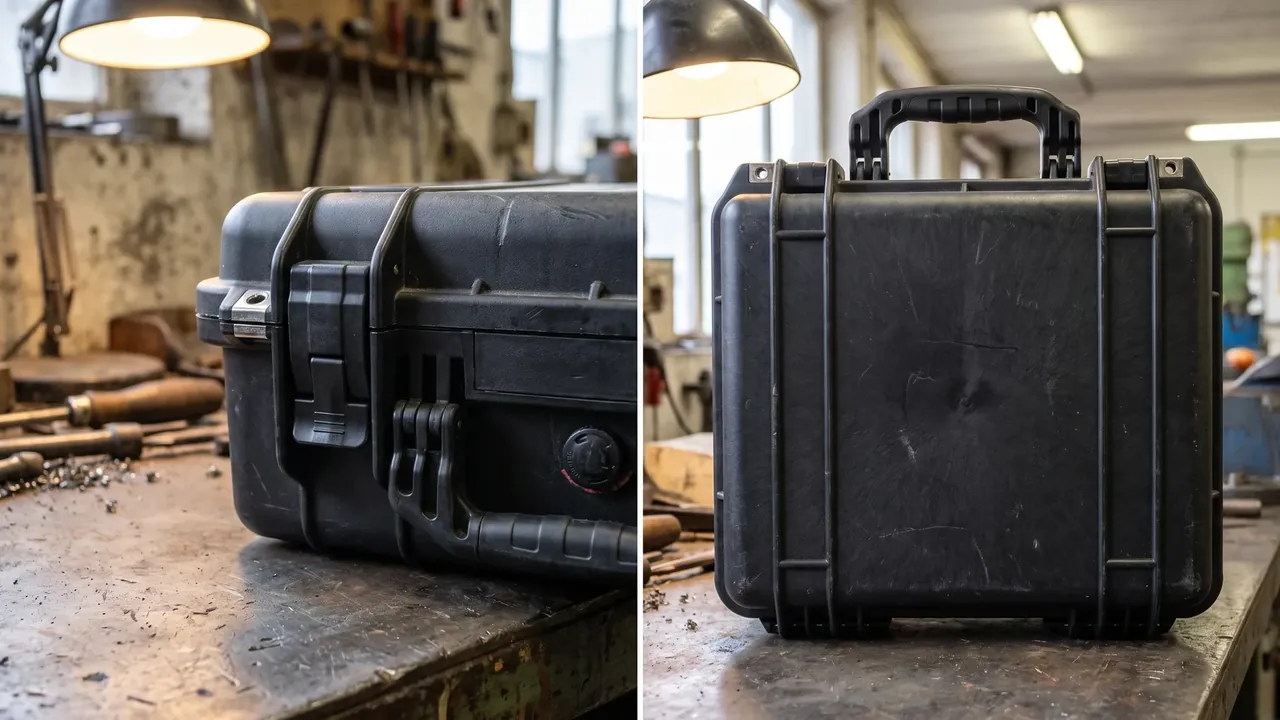
Even with an intact gasket, the storage environment affects the micro-environment inside through temperature swings and humidity. Temperature swings change internal pressure, while high humidity speeds material aging.
- Avoid long sun exposure and heat: UV and heat accelerate aging of the gasket and plastic shell.
- Control ambient humidity: in damp environments, use a desiccant and replace it as needed.
- Avoid rapid temperature changes: sudden shifts tend to cause condensation inside.
- Store flat: avoid long-term side storage or stacking, which deforms the box and loads the sealing face unevenly.
Keeping the box in a stable environment is itself the least costly maintenance.
5. Maintenance cycle checklist
- After each opening, visually check the gasket for debris and lifting
- Each quarter, check latch pressure and hinge jamming
- Each quarter, check fasteners and re-tighten to torque when loose
- Each half year, check the desiccant and replace as needed
- Each year, review foam rebound and cavity fit
- Record the date and findings of every maintenance session
Conclusion
Maintaining a submachine gun storage box follows one line: the gasket decides the barrier, the hardware decides the pressure, and the foam decides the locating, and the three age at different rates, so maintenance should be layered. The most frequent task is the visual check, the least frequent is the full review, and quarterly and half-yearly checks connect them. Fixing this rhythm extends the service life of the box far better than an occasional heavy overhaul. Start recording from the next opening so every maintenance session is traceable and easier to judge.
This article only discusses the specifications and design meaning of the container (case body) side and does not cover any operation, loading or use of the items inside.
Related Reading
- What a submachine gun storage box is and how it is structured
- Selection and comparison thinking for submachine gun storage cases
- Judging gasket aging and replacement on protective cases
Related Products
- 8 Series — Gun Cases; Military Equipment Cases; Camera Equipment Cases; Drone Cases; Watch Cases; Knife Cases; First Aid Cases; Electronics Equipment Cases
- WL8-2812 PP Gun Case — model WL8-2812
- All protective cases and toolboxes: 7 series, 158 models