

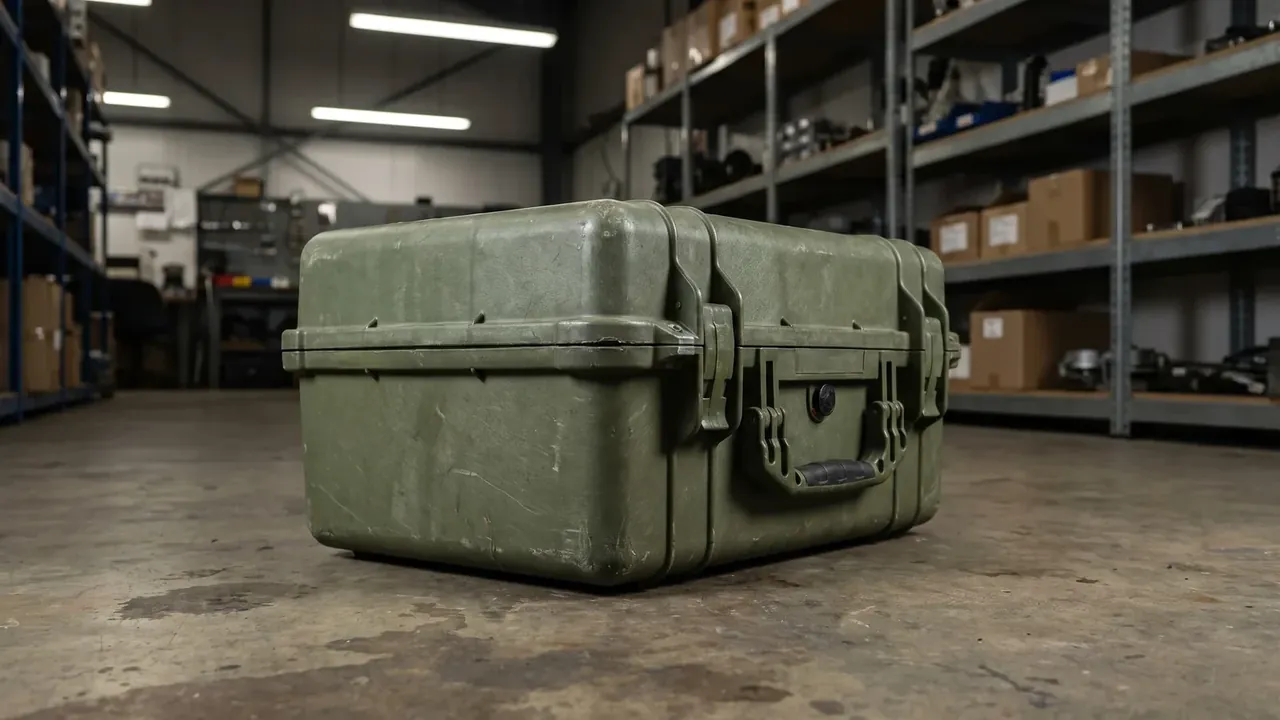
Quick answer: Case tamper evidence guards against a swapped case rather than a cut seal, so an intact 300 mm seal with a mismatched 8-digit number is the real alarm.
Table of contents
- Reading the marks first
- 300 mm seals and 8-digit numbers
- 45 N break force and 6 mm holes
- Two sealing points and a five-column log
- FAQ
1. Reading the marks first
An unbroken seal with a number that does not match the paperwork is the most common failure in case tamper evidence. Cutting a seal leaves a torn edge on the case wall, so a swap is done the other way: a same-model case replaces the original and a fresh seal goes on top, which moves every mark onto the new seal. Check the number against the dispatch sheet before looking at the seal.
A torn end is the easiest mark to read. A single-use seal breaks with a whitened, fibrous edge and the halves stay roughly equal; a scissor cut leaves a flat sheared edge and a length difference of 3 mm or more.
Re-sticking shows on the adhesive face: peeling lifts a thin skin off the wall, and the edge lifts 1 mm within 10 min. Stretching is harder, because a seal pulled 2 mm longer opens the digit spacing, so a caliper reading 0.5 mm over the standard means the case was opened.
| Sealing point | Hole and size | Normal mark | Fault mark | Verdict |
|---|---|---|---|---|
| Front latch side | 6 mm twin holes at 25 mm centres | Seal flat on the wall, number outward | Flat torn edge, 3 mm length gap | Seal replaced, check the case |
| Rear hinge end | 6 mm twin holes at 25 mm centres | Seal flush, no lifted edge | Edge lifted 1 mm, cloudy residue | Opened, reject the case |
| Handle side, adhesive pad | 30 mm pad where no hole exists | Pad free of bubbles | Residue, wrinkles, wider digit spacing | Re-stuck, treat as opened |
All three checks need only a caliper and a torch. What separates good case tamper evidence from bad is whether the table is used on the dock, not the grade of seal on the order.
2. 300 mm seals and 8-digit numbers
The 300 mm figure comes from the wrap path, not from habit. A seal running around the latch hole, over the latch root and through a second hole needs 270–290 mm once both ends keep 60 mm for threading, so 300 mm leaves 10 mm of margin and anything under 260 mm cannot be knotted after twin-hole sealing.
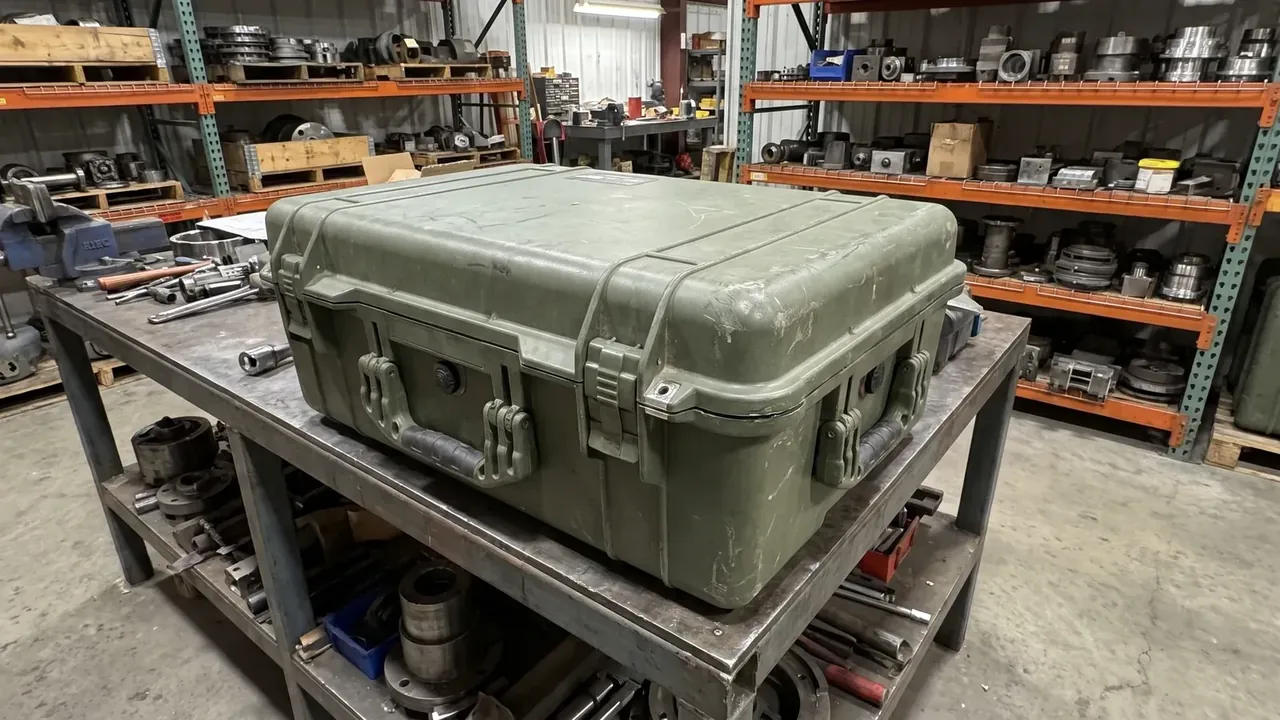
An 8-digit number works best in three blocks: 2 digits for the plant, 3 for the batch suffix, 3 for the running count. Blocks let one mis-copied digit be traced through the other two, whereas a straight string of 8 gives no way in. Print the number in the embossed zone at a character height of at least 2 mm.
The logging rule has one line: copy the seal number only, one row per seal, checked on the spot. Case tamper evidence collapses once a log may be filled in afterwards, because the link between number and physical case is gone.
3. 45 N break force and 6 mm holes
A 45 N break force sits where a hand can still tear the seal and a truck cannot. Below 40 N, four hours of idle vibration wears the seal through at the hole; above 60 N nobody can break it by hand, so a knife is used and the blade scores the shell, handing the next swap a ready excuse.
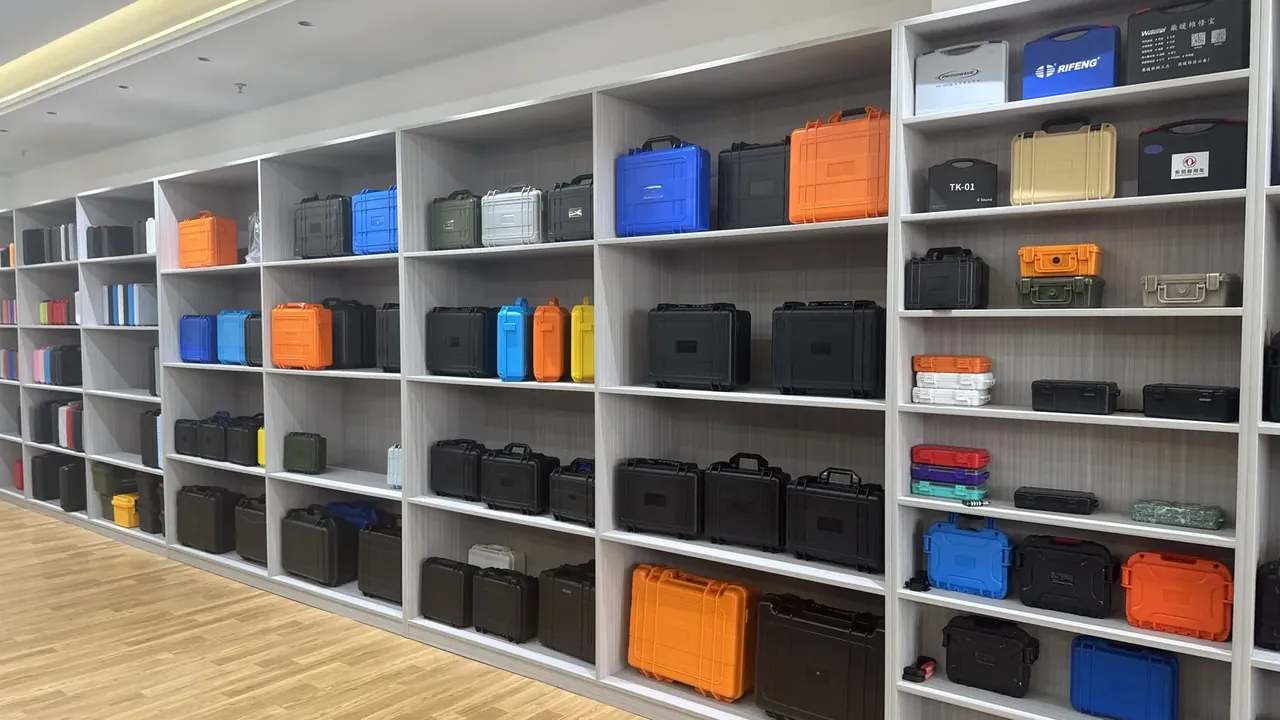
Verify with a force gauge at 50 mm/min on 3 seals per batch, and accept only when every reading lands between 40 N and 52 N. A seal needing a third pull fails, because repeated clamping has already weakened it.
Lock holes belong in the mould. A 6 mm through hole, 25 mm between centres and at least 8 mm from the hole edge to the outer wall decide whether the seal lies flat; drilling after moulding severs the weld line, and more than half of such holes crack within 3 months.
Deburr and chamfer at 0.5 mm, or the hole nicks the seal at the moment of the pull and drops the measured force from 45 N to around 30 N. Record the test temperature as well: the same seal breaks about 8 N lower at 5 ℃ than at 23 ℃.
4. Two sealing points and a five-column log
One sealing point is no sealing point. The hinge side of a closed case opens a 30 mm gap that takes one hand and a few seconds, so the standard is 2 points: one beside the front latch, one at the rear hinge.
Zero residue is a hard requirement on the sealing face. Wipe with isopropyl alcohol, let it flash off for 60 s, hold roughness at Ra 1.6 μm or finer, and warm the shell to 20 ℃ when it sits below 10 ℃, where initial tack halves.
Sequence matters more than seal grade. Thread the front pair, pass the latch root, then the rear pair, always from outside inward so the tail sits against the wall instead of a corner. Fold both ends and crimp so the mark covers the first block of the number, then pull once and accept only if it moves under 1 mm. A job takes 40 s, and past 1 min the holes are off-centre and the case goes back for tooling work.
| Column | What goes in | Example |
|---|---|---|
| Batch | Matches the case stencil | 2603-A |
| Seal number | 8 digits, copied by block | 02-317-045 |
| Point | Front latch or rear hinge | Front latch |
| Time | To the minute | 09-14 10:25 |
| Operator | Employee code only | W-17 |
The check runs within 30 min of arrival, and any mismatch counts as an opened case.
Nearly all of the cost of case tamper evidence sits in the process. A 300 mm seal costs under 1 yuan while one swapped shipment costs the full cargo value, so money is better spent on hole position than on a thicker seal.
Conclusion
Case tamper evidence comes down to three moves: put the holes in the mould, fix the seal at 300 mm and 45 N, and hang the five-column log at the bench. Hole position decides whether the seal lies flat, 45 N decides whether it survives the road, and the log decides whether a mark can be read at all. None of the three adds cost per unit, yet together they raise the price of a swap from one case to a whole paperwork trail.
Judge by sealing point rather than by impression. At the front latch, check that a torn edge is flat and the halves differ by 3 mm. At the rear hinge, look for a 1 mm lifted edge and a cloudy adhesive ghost. On the handle side, check that digit spacing has not widened by 0.5 mm. A single failure means holding the case and pulling the batch for consecutive numbers.
This article discusses container-side specifications and design implications only, and does not cover any handling, loading or use of the contents.
Related Reading
- Choosing locks and lock holes for ammunition cases
- How case gaskets age and when to replace them
- Sealing and opening rules for sealed archive cases
Related Products
- 8 Series — Gun Cases; Military Equipment Cases; Camera Equipment Cases; Drone Cases; Watch Cases; Knife Cases; First Aid Cases; Electronics Equipment Cases
- WL8-2812 PP Gun Case — model WL8-2812
- All protective cases and toolboxes: 7 series, 158 models