

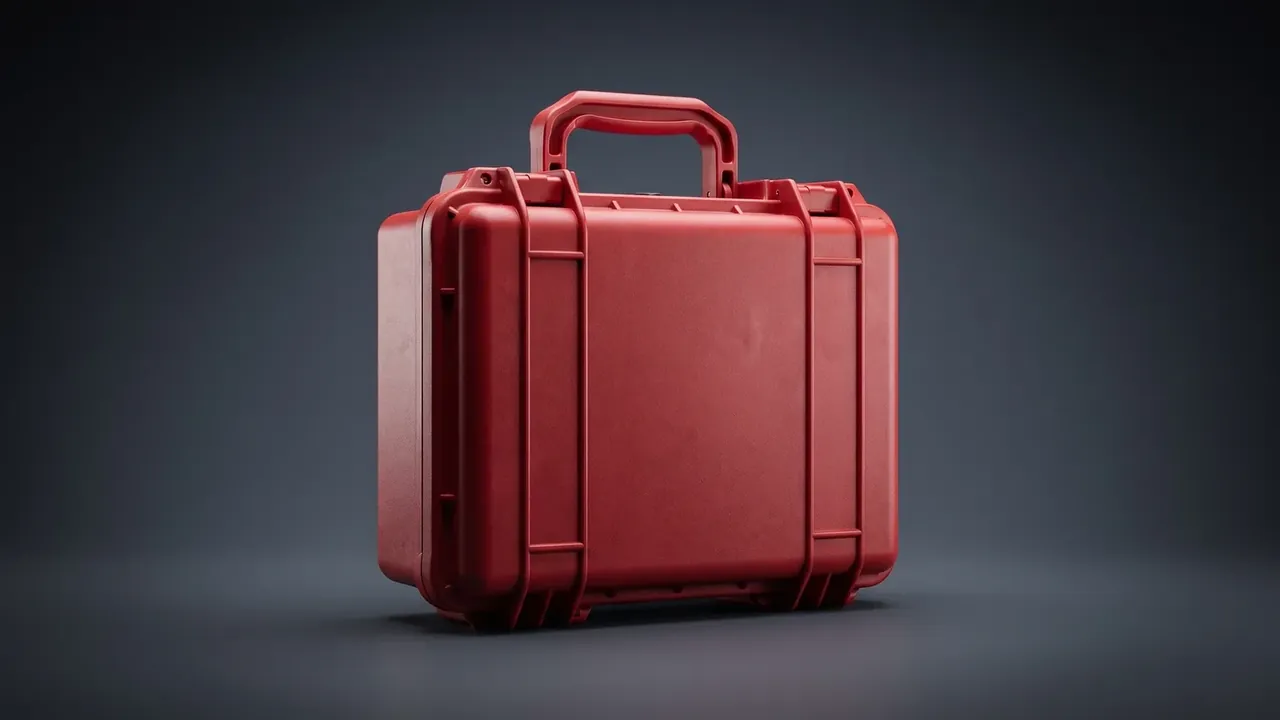
Quick answer: A Tool Bag is configured by scenario, not volume: maintenance wants small and compartmented, inspection light and weatherproof, a station a wide mouth, deployment abrasion resistance. Name the scenario first.
Table of contents
- Four Scenarios and the Setup Logic
- On-Site Maintenance: Two Hours, Sixteen Tools
- Field Inspection: Six Kilometres and Weather
- Workshop Station: Four Users, Sixty Reaches
- Field Deployment: Fifteen Days, Twenty Degrees
- FAQ
1. Four Scenarios and the Setup Logic
The same Tool Bag behaves differently across settings: a wide-mouth workshop bag becomes a burden six kilometres into a line walk, and a light inspection bag cannot hold bench spares.
Three variables separate them: shift length sets the piece count, distance the carry mode, environmental load the fabric and closure. Fix those and options narrow to two or three.
| Scenario | Shift | Travel | Volume | Carry and fabric |
|---|---|---|---|---|
| Maintenance | about 2 hours | indoors | 18 to 22 litres | hand carry, pockets |
| Inspection | half day | 6 km on foot | 32 to 36 litres | shoulder strap, storm flap |
| Station | full shift | fixed point | over 40 litres | wall hook, wide mouth |
| Deployment | 15 days | by vehicle | over 50 litres | two-person lift, abrasion base |
Volume is only a start. What matters is the costliest step: finding a tool, carrying the load, reaching in sixty times, or surviving weather.
2. On-Site Maintenance: Two Hours, Sixteen Tools
On-site maintenance runs short and scattered: two hours per visit, sixteen tools or fewer, four hex key sizes and three open-end wrenches cover seventy percent of the work.
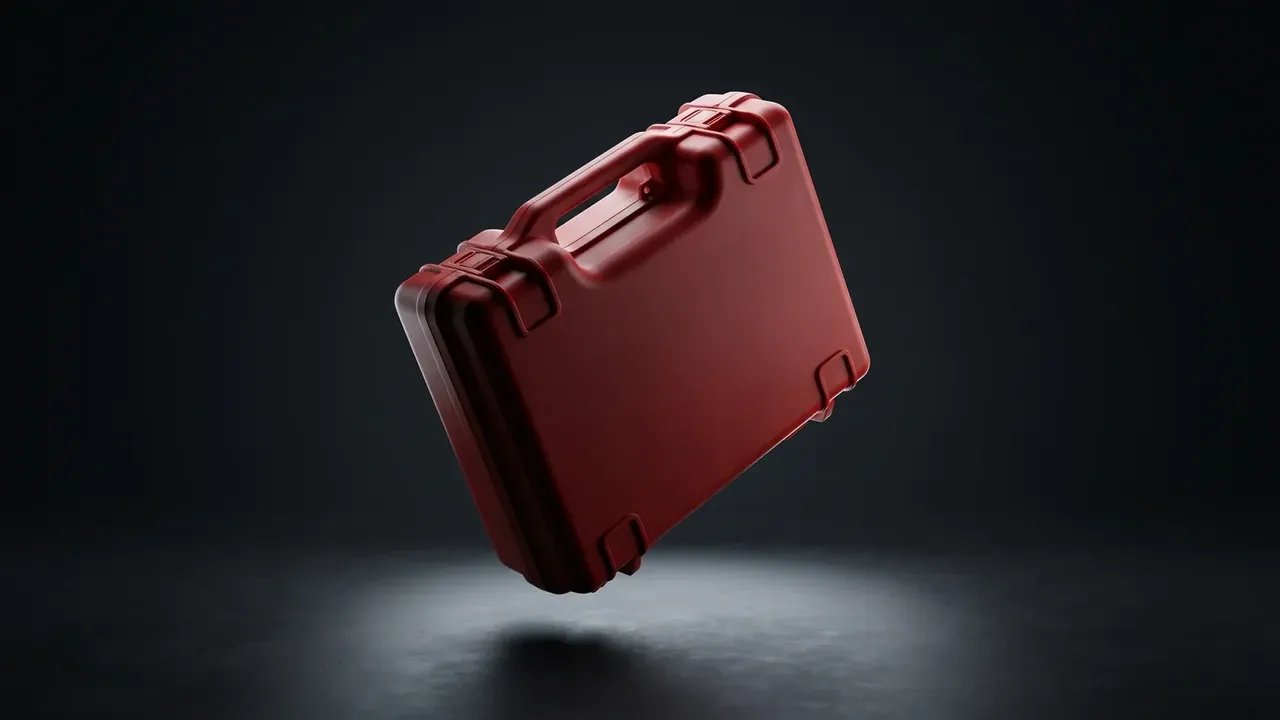
A small layered bag suits this: around 20 litres with six to eight slip pockets, so a missing tool shows at a glance.
Carry is one-handed, since the other hand holds a meter or ladder. Keep body weight under 1.2 kg and the load under 7 kg; corner caps matter more than heavy fabric.
3. Field Inspection: Six Kilometres and Weather
Field inspection turns the Tool Bag into worn kit: six kilometres one way, twelve stops, nowhere to set it down. Weight goes to the floor and fit to the front.
Strap width comes first: a wide strap with a padded back spreads pressure, and a flat back panel matters because a bulging one rubs within two kilometres. Keep the load under 9 kg.
Weather decides the closure. Where rain falls on eleven days a month, the mouth needs a flap with a drip lip and a backed zip; a plain zip weeps along the teeth.
4. Workshop Station: Four Users, Sixty Reaches
At a station the Tool Bag is not carried; it hangs at the bench, shared by four people who reach in sixty times a shift, stations 1.8 metres apart.
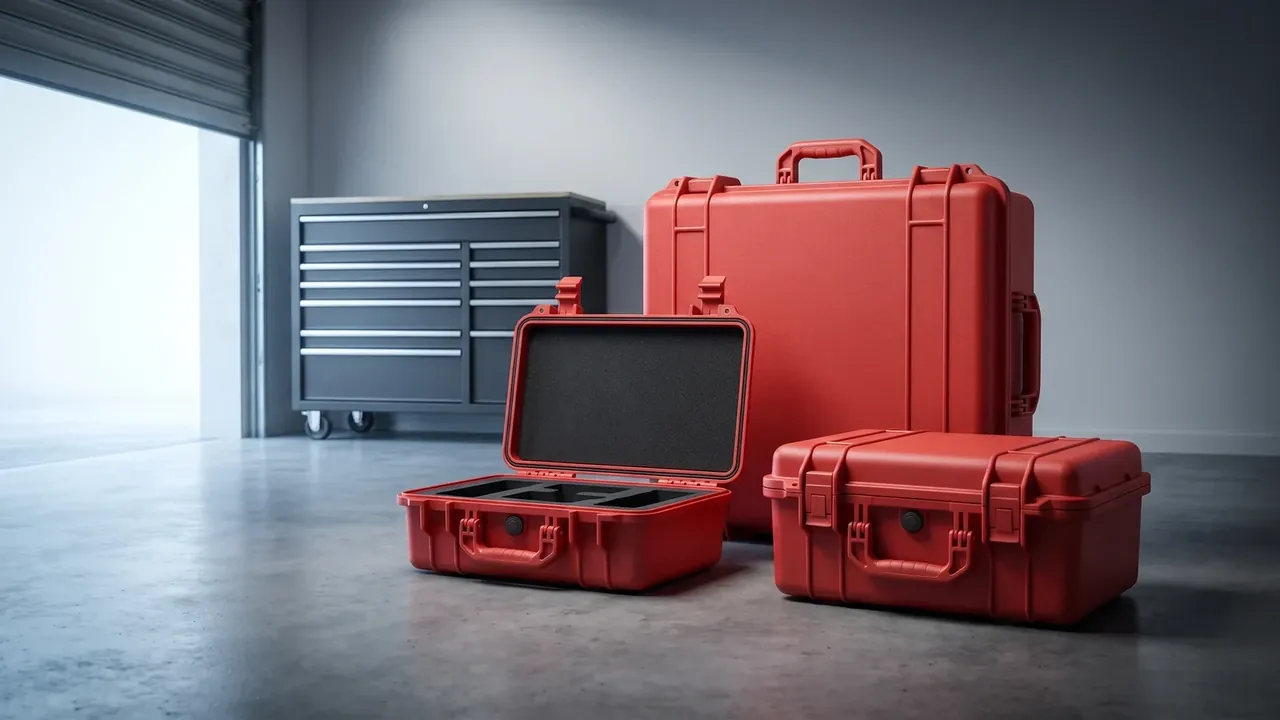
Setup pivots on mouth size and marking: a wide mouth keeps four users from blocking each other, a stiffened rim lets a tool drop back one-handed, colour coding cuts search time.
Durability is measured in reaches: sixty a shift across 250 shifts puts 15,000 rubs on the mouth edge, so binding and wear strips fail first.
5. Field Deployment: Fifteen Days, Twenty Degrees
Deployment carries the heaviest load: fifteen days from the depot, a twenty degree swing, six hours of sun, dew at night and wind-blown dust.
| Load | Effect on the body | Setup response |
|---|---|---|
| 20 degree swing | creases crack | fewer hard folds, cold-flexible webbing |
| 6 hours of sun | fading, thread strength drop | polyester thread, dark face fabric |
| Dew and rain | damp base, water at mouth | drip lip flap, waterproof base |
| Wind-blown dust | grit in the zip | zip dust flap, pocket covers |
A deployment Tool Bag runs over 50 litres and passes 18 kg full, which rules out long single-person carries; allow side handles for a shared lift and a stiffened base.
The order changes too: weather resistance first, volume second. A bag that fails the weather test jams its zip after fifteen days; a tight bag can survive by carrying fewer spares.
Conclusion
Scenario setup is less about maximum numbers than about naming the costliest step: maintenance fears searching, inspection weight, the station reaching, deployment weather. Build that step properly and keep the rest adequate. Choosing the wrong scenario costs more than the wrong specification, which is why a Tool Bag should be specified from the site inward.
This article discusses only the container (case body) side of specifications and design intent, and does not cover any handling, loading or use of the contents.
Related Reading
- Mechanics pouch setups on site
- Loading a vehicle tool case
- Shoulder bag workflows
- Rolling case handling scenarios
Related Products
- 8 Series — Gun Cases; Military Equipment Cases; Camera Equipment Cases; Drone Cases; Watch Cases; Knife Cases; First Aid Cases; Electronics Equipment Cases
- WL8-2812 PP Gun Case — model WL8-2812
- All protective cases and toolboxes: 7 series, 158 models