

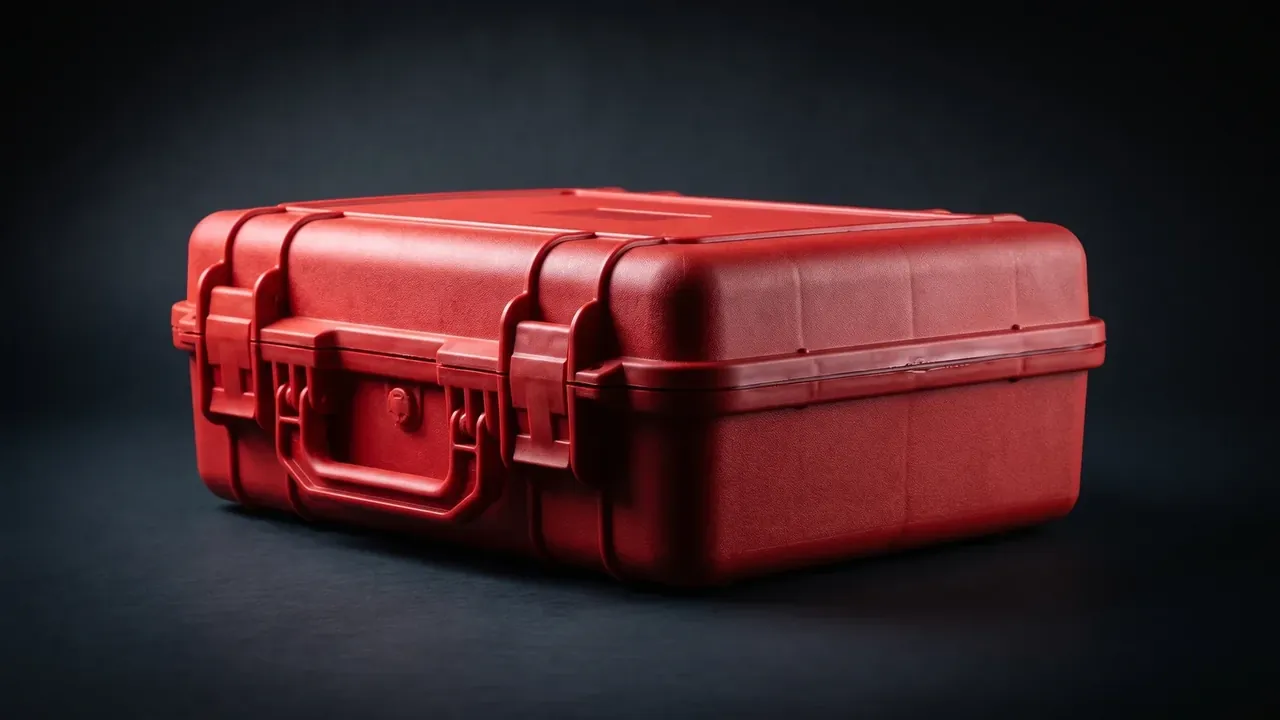
Quick answer: A tool satchel is accepted on one list and four test lines: appearance inspected piece by piece, seam strength, catch fatigue and abrasion sampled per lot, and static load held at three times the rating for 24 hours, with limits set by an AQL plan.
Table of contents
- The Tool Satchel Inspection Item List
- Seam Strength: Test Method and Verdict
- Catch Fatigue and Abrasion Tests
- Static Load and Failure Limits
- Acceptance Limits and Sampling Rules
- FAQ
1. The Tool Satchel Inspection Item List
An acceptance standard opens with a list, not a limit. Four groups cover a tool satchel: appearance and marking, structure and size, material performance, whole-bag load.
Appearance covers skipped stitches, broken thread and floats, with stitch pitch within one stitch. Colour is graded on a grey scale, no lower than grade 4. A stain over 25 square millimetres fails.
| Group | Items | Method | Basis |
|---|---|---|---|
| Appearance and marking | Stitch, colour, stain, label | Full inspection | Visual and grey scale |
| Structure and size | Outline, pockets, attachment points | Full inspection | Tape and template |
| Material | Seam strength, abrasion, salt spray | Sampling | Test report |
| Whole-bag load | Static load, catch fatigue | Sampling | Test record |
2. Seam Strength: Test Method and Verdict
Seam strength moves with specimen width, which is why it gets disputed. Take a 250 mm by 50 mm specimen, leave 25 mm grip zones, set grip separation at 100 mm and pull at 100 mm per minute.
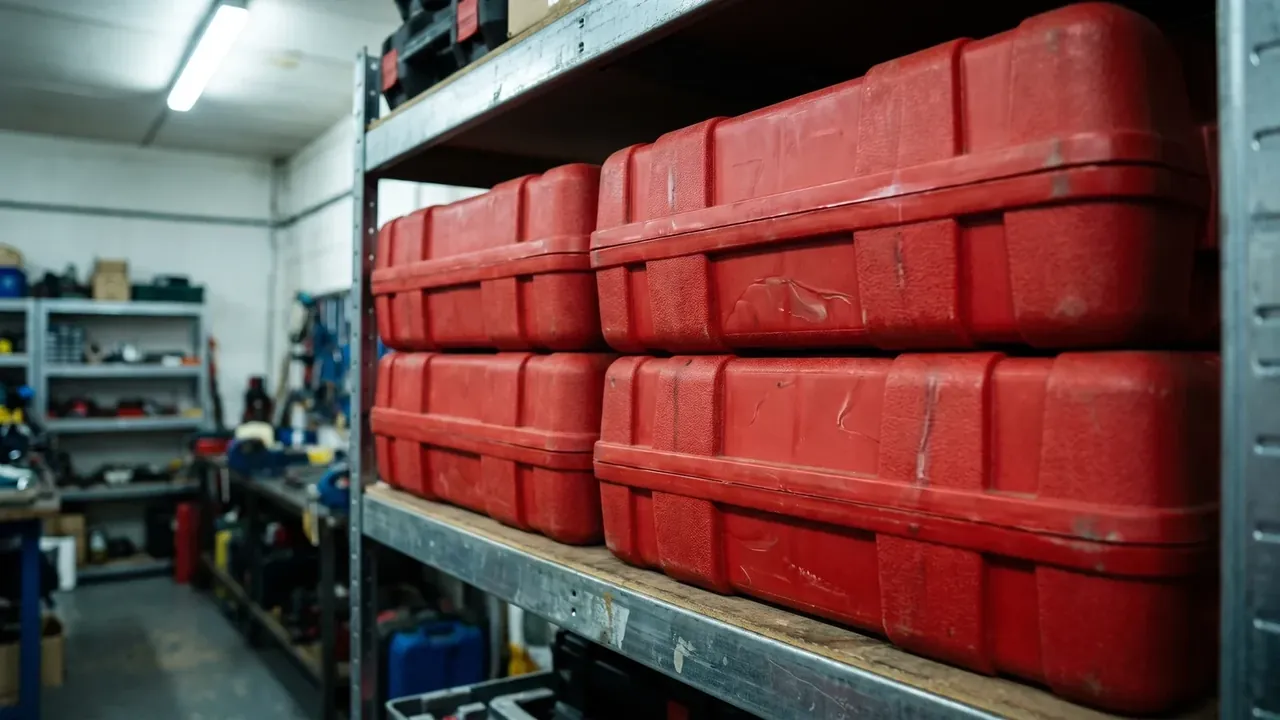
Limits are graded by location: mouth and strap attachments at least 420 N, dividers 260 N, decorative seams judged on appearance. Three pieces per lot, two points each; one of six readings may fall below the limit but not below 378 N.
Cloth breaking before the seam is normal; a seam opening on intact cloth means the pitch is cutting yarns.
3. Catch Fatigue and Abrasion Tests
Catch fatigue counts cycles, not pull. A side-release buckle opens and closes 30 times a minute for 3,000 cycles, then is checked for cracks at the tongue root. Insertion force starts at 45 N and must hold above 34 N.
| Test | Equipment | Parameters | Specimens |
|---|---|---|---|
| Seam strength | Tensile machine | 100 mm per minute, 100 mm gap | 3 per lot |
| Catch fatigue | Cycle rig | 30 per minute, 3,000 cycles | 5 per lot |
| Abrasion | Taber abraser | H-18 wheels, 500 g, 1,000 cycles | 2 per lot |
Abrasion runs on H-18 wheels at 500 g for 1,000 cycles, with no breakthrough and no more than 0.12 g lost. The base panel drags, so it doubles to 2,000 cycles at 0.25 g.
Hardware takes 48 hours of neutral salt spray, red rust on no more than 5 percent of the area.
4. Static Load and Failure Limits
Static load tests the whole bag, with seam, catch and handle loaded together: three times the rating, so a 25 kg tool satchel takes 75 kg, slung 1.2 m clear of the floor for 24 hours.
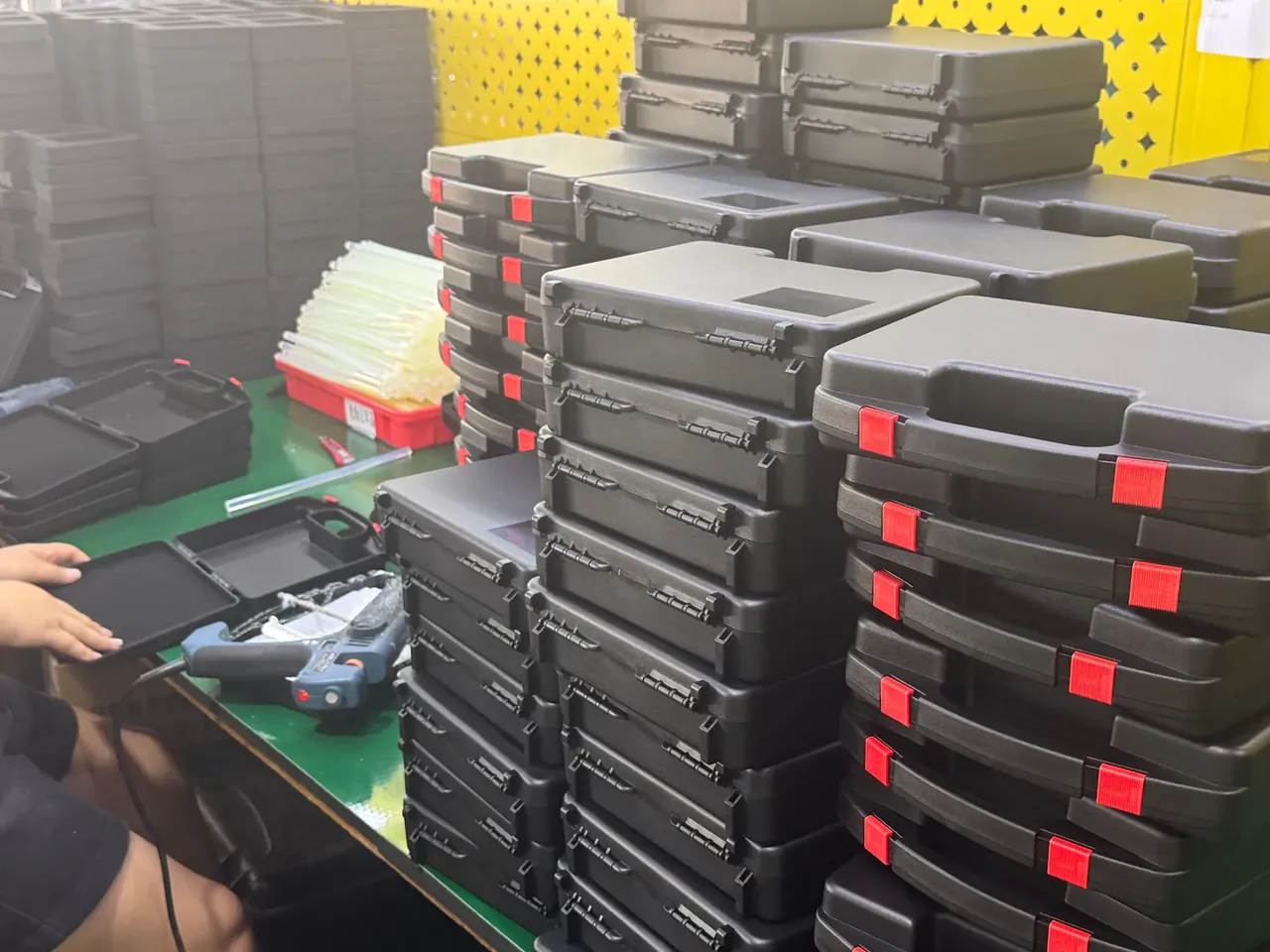
Three readings decide it: seam slip no more than 4 mm, no catch release, no visible delamination at the handle. Any one out fails the piece, and retesting is not allowed.
A function check follows: reload to rating, carry 20 m, confirm the catches still work.
5. Acceptance Limits and Sampling Rules
Limits mean nothing without a sampling plan. At inspection level II, a lot of 501 to 1,200 pieces gives code letter J and a sample of 80. Major defects at AQL 2.5 accept 5 and reject 6; minor defects at AQL 4.0 accept 7 and reject 8.
| Lot size | Code | Sample | AQL 2.5 accept and reject | AQL 4.0 accept and reject |
|---|---|---|---|---|
| 151 to 280 | G | 32 | 2 and 3 | 3 and 4 |
| 281 to 500 | H | 50 | 3 and 4 | 5 and 6 |
| 501 to 1,200 | J | 80 | 5 and 6 | 7 and 8 |
| 1,201 to 3,200 | K | 125 | 7 and 8 | 10 and 11 |
Critical defects are handled apart: the acceptance number is zero. A missing back-stitch on the load strap, a cracked catch or a missing label sends the lot back.
Conclusion
An acceptance standard is only as solid as three things: a test method that names the specimen and the speed, limits graded by location, and a sampling rule that lands on acceptance numbers. Write those down and every inspector reads the same tool satchel the same way.
This article discusses only the container (case body) side of specifications and design intent, and does not cover any handling, loading or use of the contents.
Related Reading
- Tool satchel applications and layout choices
- Tool bag forms compared with alternatives
- How a tool roll organises a kit
- Rolling tool case selection criteria
Related Products
- 8 Series — Gun Cases; Military Equipment Cases; Camera Equipment Cases; Drone Cases; Watch Cases; Knife Cases; First Aid Cases; Electronics Equipment Cases
- WL8-2812 PP Gun Case — model WL8-2812
- All protective cases and toolboxes: 7 series, 158 models