

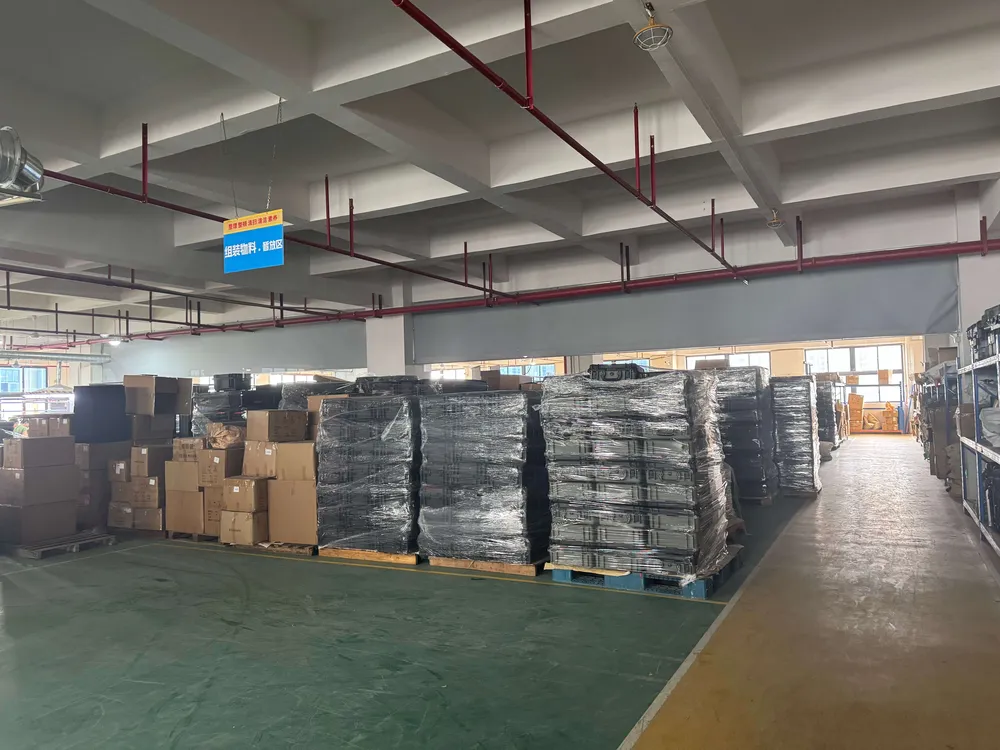
Stored cases are not inactive. A stack applies load continuously for months, and warehouse humidity works slowly on seals, foam and metal. The failure appears later, when the equipment is unpacked for a job and no longer fits, closes or works.
Stacking: Load Over Time, Not Just at a Moment
A case may carry a static load briefly without issue and still deform under the same load sustained for months. Polymers creep — they continue to deform under constant stress. That is the mechanism behind lids that no longer seat squarely after long storage.
| Practice | Why |
|---|---|
| Respect the stated stack height | Beyond that, accumulated load exceeds what the shell was designed to carry |
| Stack on interlocking features where provided | Load transfers through structure, not through the lid surface |
| Keep stacks level and aligned | Offset stacks create bending loads and can topple |
| Store empty cases nested or lightly loaded | Removes the sustained load entirely |
| Use shelving for long-term storage | Eliminates stacking load altogether |
Moisture: The Slow Damage
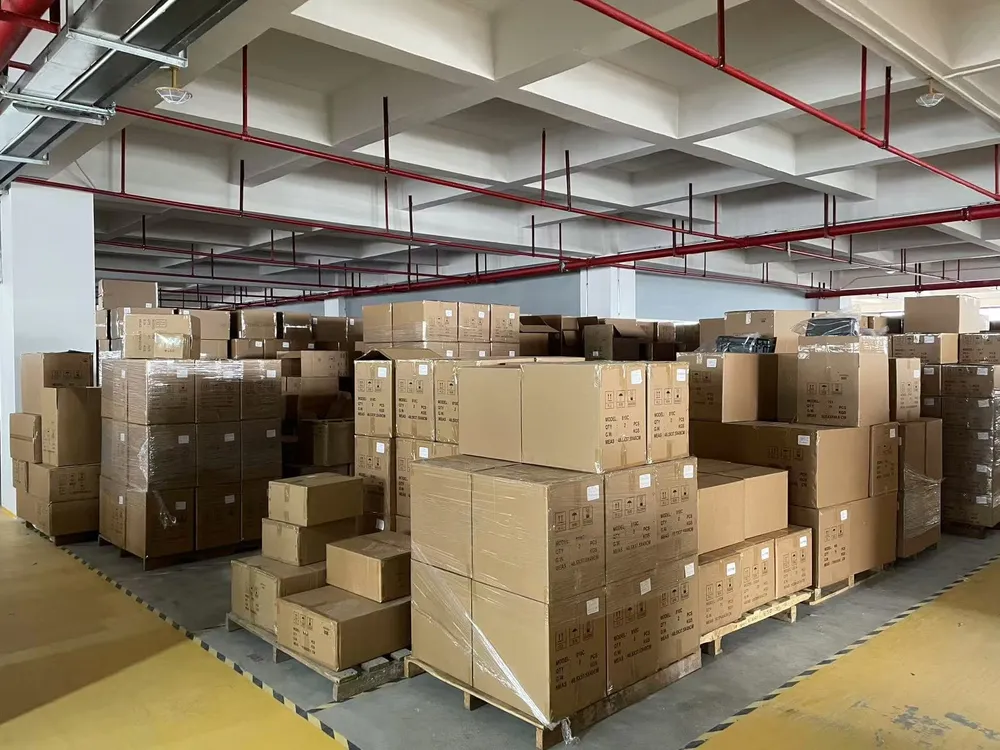
Humidity does not need liquid water to cause harm. Sustained elevated humidity corrodes metal, encourages mould on organic materials and optics, and is absorbed by foam interiors that then hold it against the contents.
- Keep cases off the floor. Concrete floors are cold and often damp; pallets or shelving break that contact.
- Control the room, not the case. Ventilation and dehumidification beat sealing moisture into a box.
- Use desiccant for sealed long-term storage, and schedule replacement.
- Store dry. Everything should be dry before it goes into storage, because a sealed case will keep whatever moisture it was given.
- Avoid temperature swings. Cycling across the dew point generates condensation inside sealed cases.
Periodic Inspection
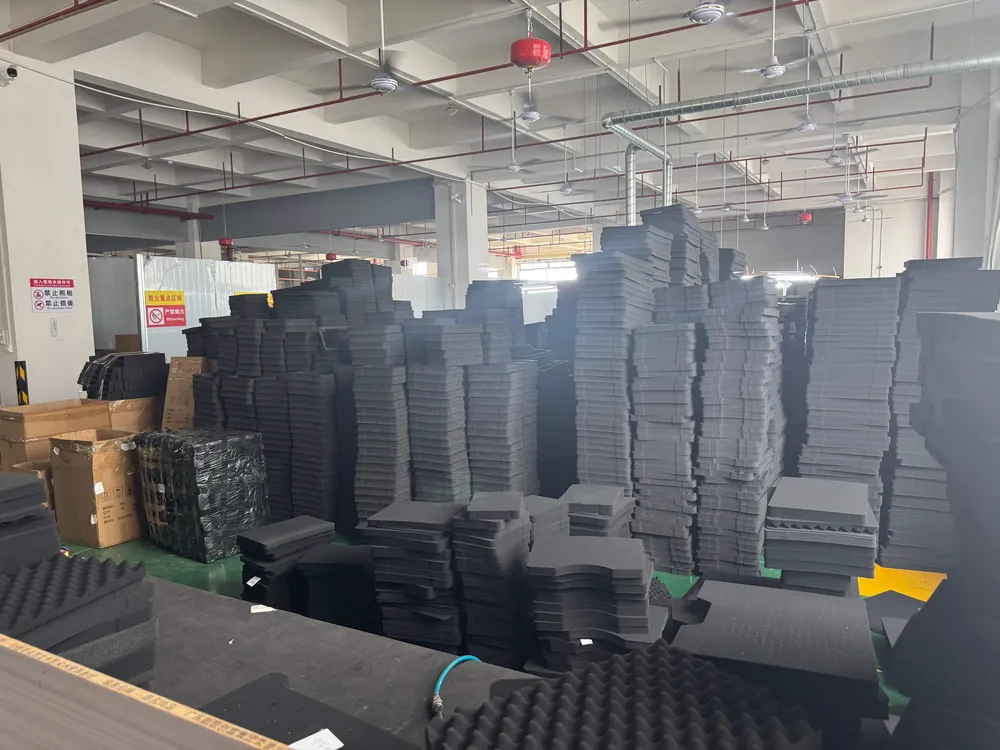
Storage that is never inspected is storage that fails silently. A simple schedule — open, look, and record — catches problems while they are still small.
- Every few months: check for signs of moisture, pest activity and damage to the storage area.
- Annually: open a sample of cases, inspect seals and foam, verify contents against the list, check desiccant condition.
- At rotation: exercise latches and hinges, and replace consumables by date.
Where cases are tracked as assets, the methods in case labelling and asset tracking make the schedule manageable; for stacking geometry and container loading, see stackability and pallet planning.