

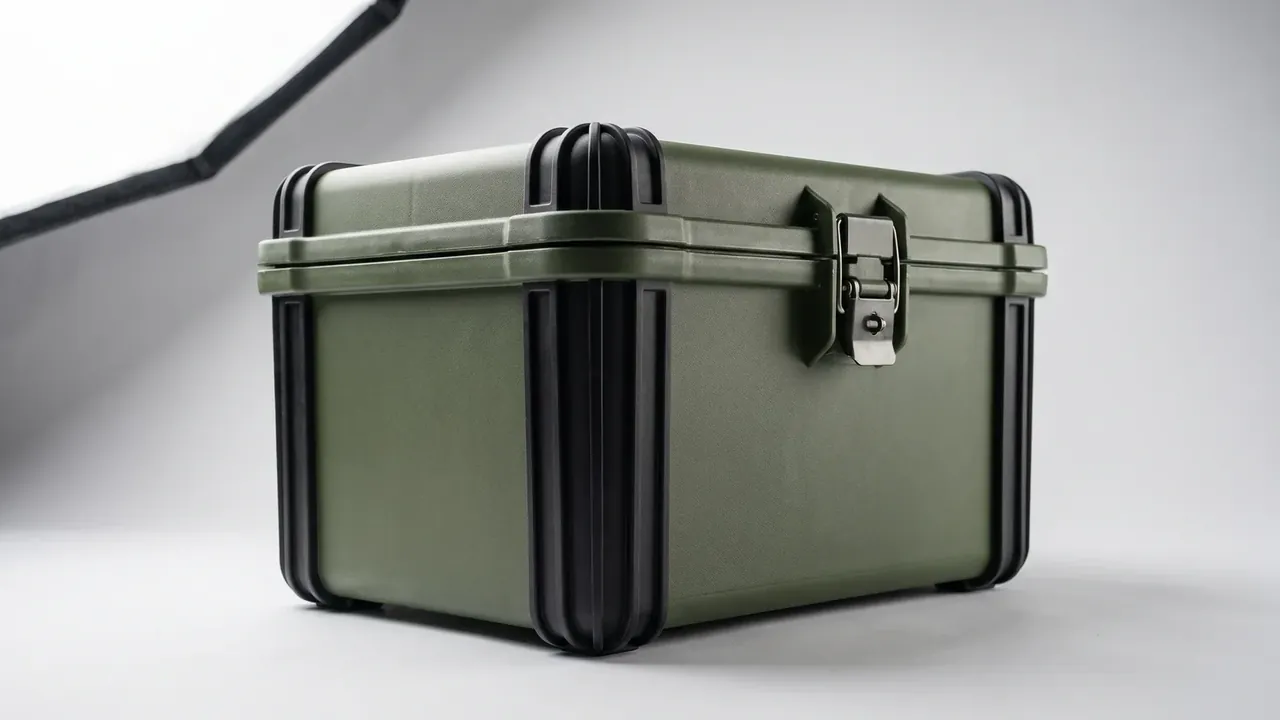
Quick answer: A waterproof box acceptance standard splits the word into measurable items: unit assembly checks, pressure drop, gasket compression, gland torque, IPX test conditions and sampling AQL. Each item needs a method and a threshold.
Table of contents
- Three Inspection Layers Before Anything Else
- Seal and Air-Tightness Thresholds
- Ingress Ratings and Environmental Items
- Dimensions and Fittings
- Sampling and Rejected Lots
- FAQ
1. Three Inspection Layers Before Anything Else
Every unit gets an assembly check: gasket in its groove, latch closed, gland torque confirmed. Every lot draws a sample for pressure and key dimensions. Type testing covers design at sign-off or material change.
A waterproof box is small and cheap, so plants settle for a glance at appearance, and leaks cluster in two places: a gasket that never seated and a cable gland never tightened.
Write the division into the inspection plan, or the plant drifts to testing everything, then to testing nothing.
| Layer | Object | Main items |
|---|---|---|
| Unit check | Every box | Gasket seated, latch closed |
| Lot sampling | Every lot | Pressure drop, dimensions |
| Type test | Sign-off | IPX6 spray, IPX7 immersion |
2. Seal and Air-Tightness Thresholds
Pressure testing is the most practical judgment for a waterproof box. Close and latch it, charge to 30 kPa, hold 60 seconds, accept a drop under 1.0 kPa. The negative method pulls to minus 8 kPa and allows 0.5 kPa of recovery.
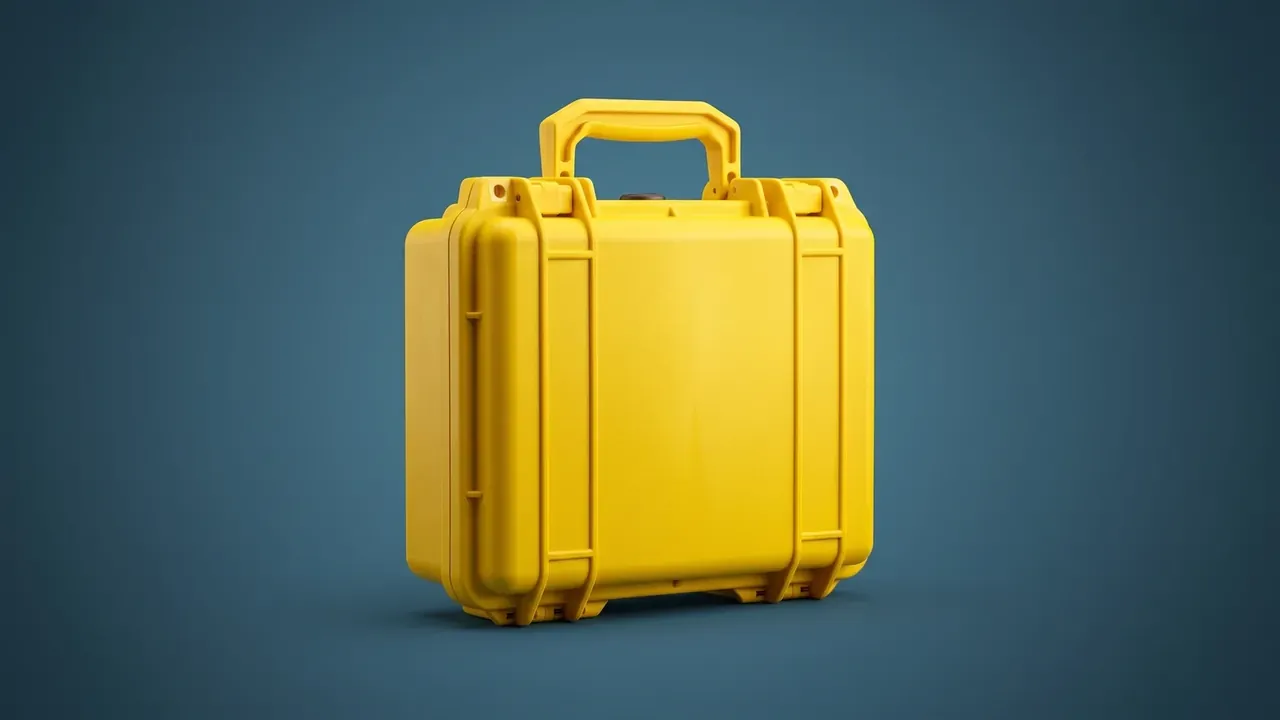
A 6 mm gasket cord in a 4.5 mm groove closes at 25 percent, inside a 20 to 30 percent window. Material runs at 65 Shore A, harder than large-case rubber, because latches must spring back. Glands are torqued to 2.5 N·m, then held at 0.2 MPa water for 60 seconds without thread seepage.
| Item | Method | Threshold |
|---|---|---|
| Pressure, both directions | 30 kPa / −8 kPa, 60 s | ≤1.0 / ≤0.5 kPa |
| Gasket compression | 6 mm cord, 4.5 mm groove | 20–30 percent |
| Gland torque and water | 2.5 N·m, 0.2 MPa, 60 s | No thread seepage |
3. Ingress Ratings and Environmental Items
For a waterproof box, IPX6 means 12.5 litres per minute at 100 kPa for 3 minutes from 2.5 to 3 metres, sprayed from four directions. IPX7 means one metre of water for 30 minutes, submerged, with the lid opened afterwards to check for standing water.
Thermal cycling runs from minus 25 °C to plus 55 °C, three hours at each end, six cycles. Salt spray is neutral, 240 hours at 35 °C, on metal only, so latches and screws show no red rust. UV runs 300 hours with ΔE under 3.0, and a 0.8 m drop onto six faces must not break the seal.
4. Dimensions and Fittings
Three dimensions matter: overall size within plus or minus 0.5 mm, mounting hole spacing within 0.3 mm, and lid-to-base gap no more than 0.2 mm. A box out of gap sits crooked on a panel and drags the seal with it.
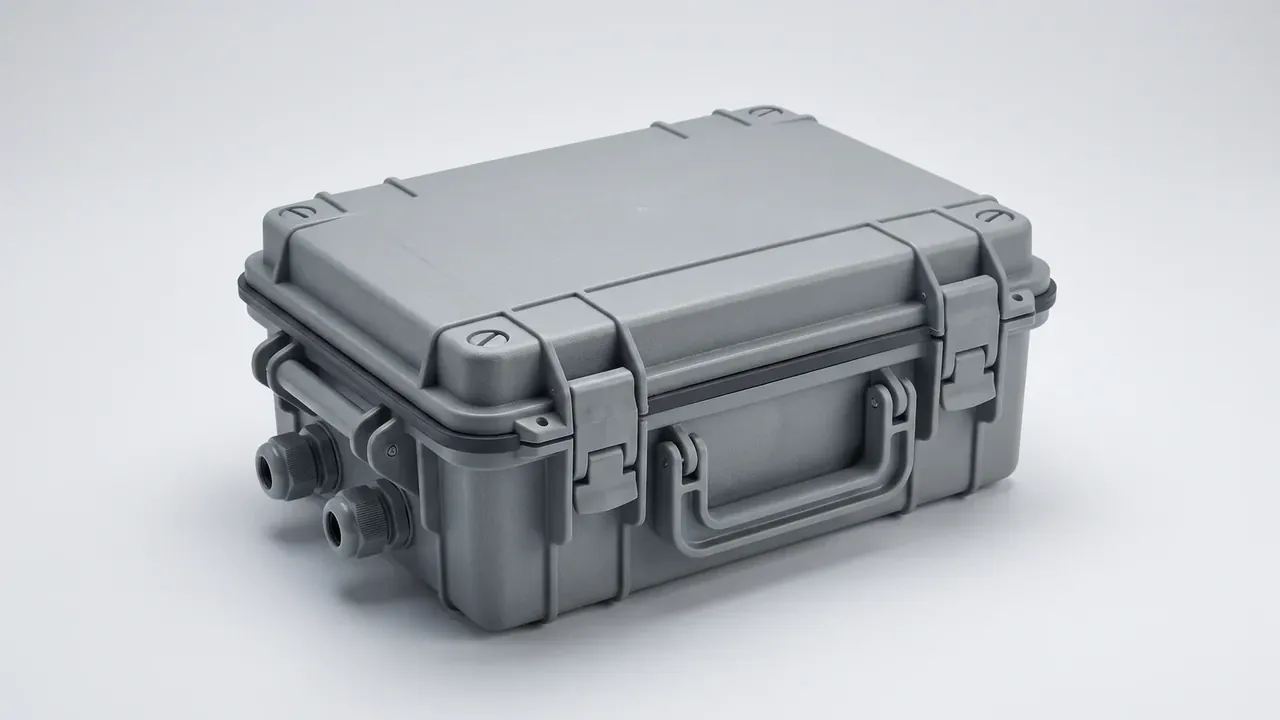
Hinges run 5,000 cycles with no sag beyond 1 mm, latches hold 150 N without releasing, and walls of a waterproof box measure 2.5 mm plus or minus 0.2 mm at six points. Colour stays within ΔE 2.0 and flash under 0.2 mm, with four markings: resin grade, ingress rating, month and cavity.
5. Sampling and Rejected Lots
Sampling follows ISO 2859-1, normal, single, level II. A lot of 151 to 280 boxes draws 32 samples, 281 to 500 draws 50, from different cartons.
Critical defects use Ac 0. Major defects run at AQL 2.5, giving Ac 2 and Re 3 at 32 samples; minor at AQL 4.0 gives Ac 3 and Re 4. A first failure allows a doubled sample, a second rejects the lot, and a lot that fails pressure testing may not be sorted and shipped.
| Class | Examples | AQL | Ac / Re at n=32 |
|---|---|---|---|
| Critical | Crack, missing gasket, seal failure | 0 | 0 / 1 |
| Major | Gland seepage, gap over 0.2 mm | 2.5 | 2 / 3 |
| Minor | Flash, ΔE over 2.0, marking | 4.0 | 3 / 4 |
Conclusion
A waterproof box standard is not complicated; the work is pinning each item to a number: 30 kPa held for 60 seconds with a 1.0 kPa drop, 25 percent gasket compression, 2.5 N·m at the gland, 240 hours of salt spray without red rust, AQL 2.5 at Ac 2. With those thresholds on the inspection card, a missed assembly step stops inside the plant, which is what a waterproof box standard buys.
This article discusses only the container (case body) side of specifications and design intent, and does not cover any handling, loading or use of the contents.
Related Reading
- Standards and test conditions for waterproof hard cases
- How dustproof cases are built
- Where small plastic cases are used
- Mould care for case production
Related Products
- 8 Series — Gun Cases; Military Equipment Cases; Camera Equipment Cases; Drone Cases; Watch Cases; Knife Cases; First Aid Cases; Electronics Equipment Cases
- WL8-2812 PP Gun Case — model WL8-2812
- All protective cases and toolboxes: 7 series, 158 models