

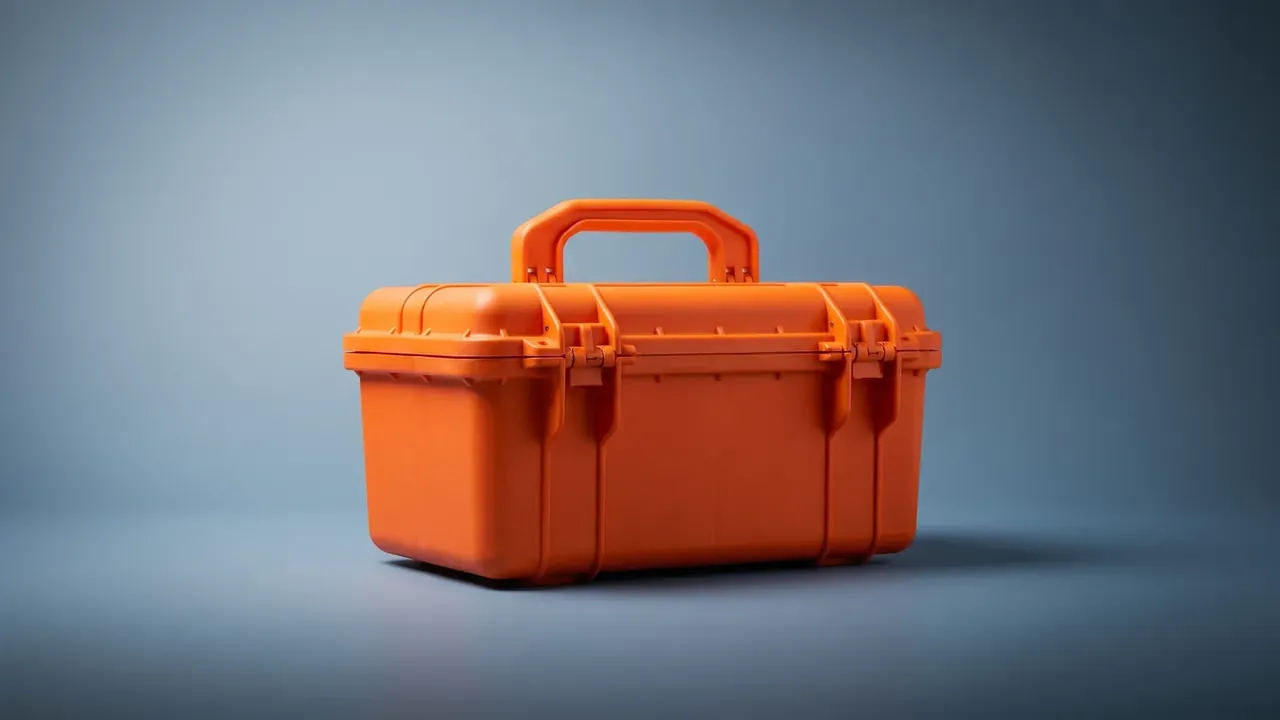
Quick answer: A waterproof hard case is graded by the IP code in IEC 60529, where the second digit covers water from dripping to immersion. The number says nothing about depth or duration; only the test parameters in a report do. Specify grade, depth, time and sample state.
Table of contents
- How to read the IP rating on a waterproof hard case
- One IP number, very different test conditions
- Six fields to check in a third-party report
- Four things an IP number does not cover
- Writing the purchase spec and acceptance
- FAQ
1. How to read the IP rating on a waterproof hard case
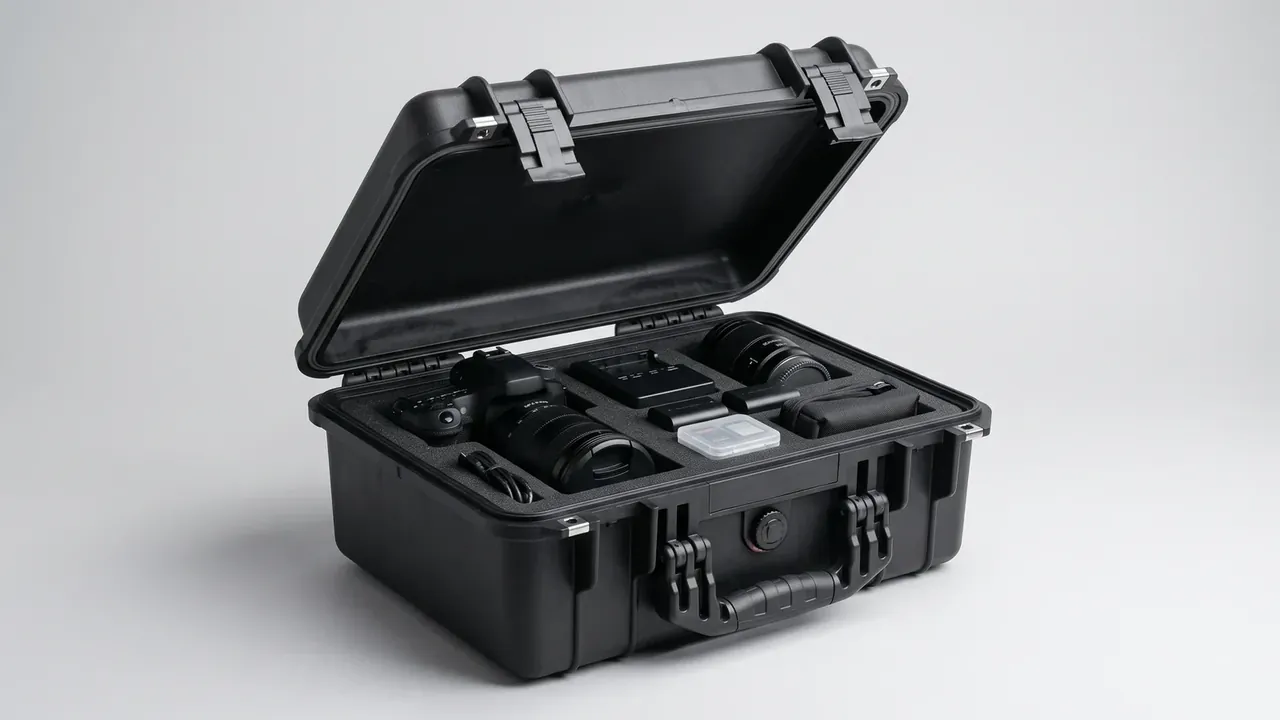
The two digits separate solids from water: the first runs 0 to 6, where 6 means dust tight, the second 0 to 8, with 9K for high-pressure hot jets.
Waterproof hard cases usually carry IP66, IP67 or IP68: jetting, short immersion, continuous immersion. Higher is not broader, since IP66 resists jets better than IP67 tests for them. The rating also covers the enclosure only, promising nothing about pressure cycling or salt spray.
| Second digit | Test | Duration |
|---|---|---|
| 5 | 6.3 L/min jets | 3 minutes |
| 6 | 12.5 L/min at 100 kPa | 3 minutes |
| 7 | Short immersion | 30 minutes |
| 8 | Continuous immersion | As stated |
2. One IP number, very different test conditions
IPX7 has a fixed baseline: sample top 150 mm below the surface, lowest point about 1000 mm, for 30 minutes.
IPX8 inverts it: depth and duration come from the manufacturer. One supplier writes 1 m for 30 minutes, another 3 m for an hour. Without those numbers an IPX8 cannot be compared.
IPX6 carries detail too: 12.5 litres per minute at 100 kPa for 3 minutes, nozzle 3 m away. Discount flow or pressure and the result flatters the product. Read the verdict too: significant ingress is a tester's judgement.
| Grade | Condition | Duration | Verdict |
|---|---|---|---|
| IPX5 | 6.3 L/min, 6.3 mm nozzle | 3 minutes | No ingress |
| IPX6 | 12.5 L/min at 100 kPa | 3 minutes | No ingress |
| IPX7 | Immersion, top at 150 mm | 30 minutes | No ingress |
| IPX8 | Depth set by maker | Stated | No ingress at stated depth |
3. Six fields to check in a third-party report
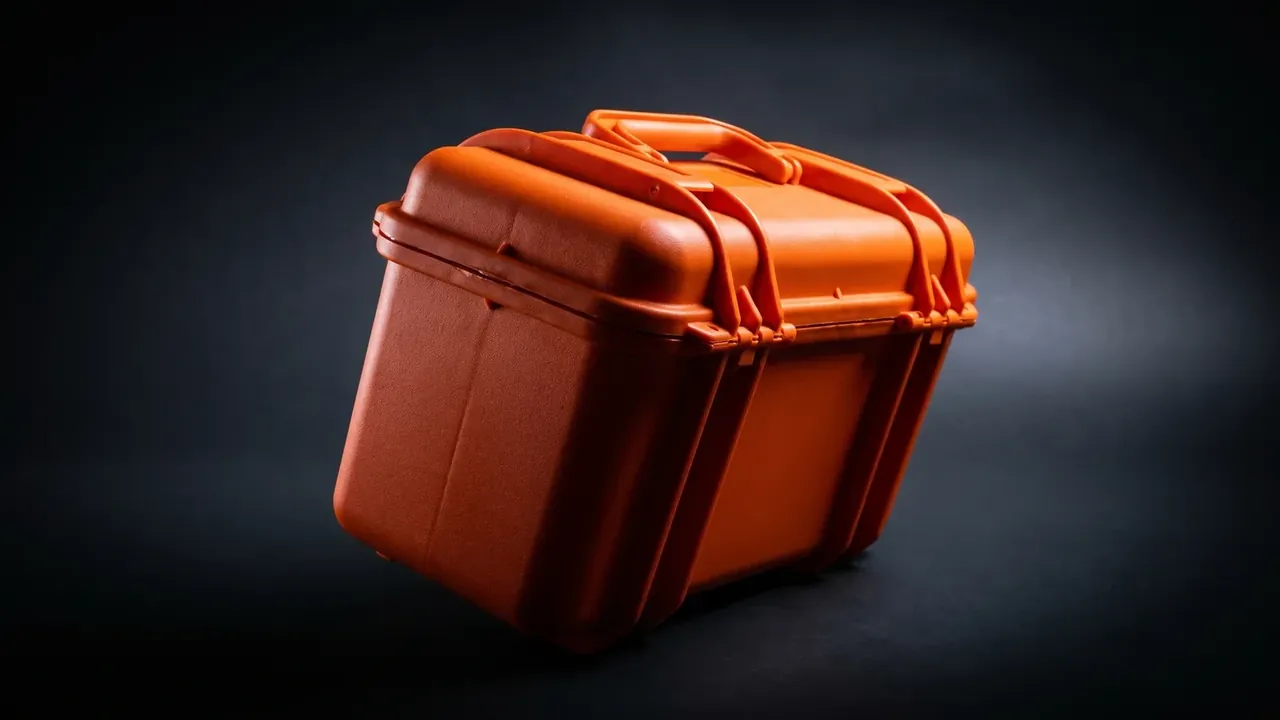
Standard and edition, since IEC 60529 runs to dated revisions. Sample and count, because a hand-trimmed prototype does not represent a production cavity. Pre-conditioning: water tested after thermal cycling is a different claim. Test parameters, without which a report is one sentence. Verdict with raw data, not the word pass. Issue date after the frozen mould.
Miss one and it is background.
| Field | What to check | Common gap |
|---|---|---|
| Standard | Edition matches design | Only IEC 60529 cited |
| Sample | Production part, cavity, count | Marked prototype |
| Pre-conditioning | Thermal, drop sequence | None performed |
| Parameters | Depth, time, flow | Grade only |
| Verdict | Weighing or paper data | Pass, no data |
| Issue | Date, accreditation | Older than tooling |
4. Four things an IP number does not cover
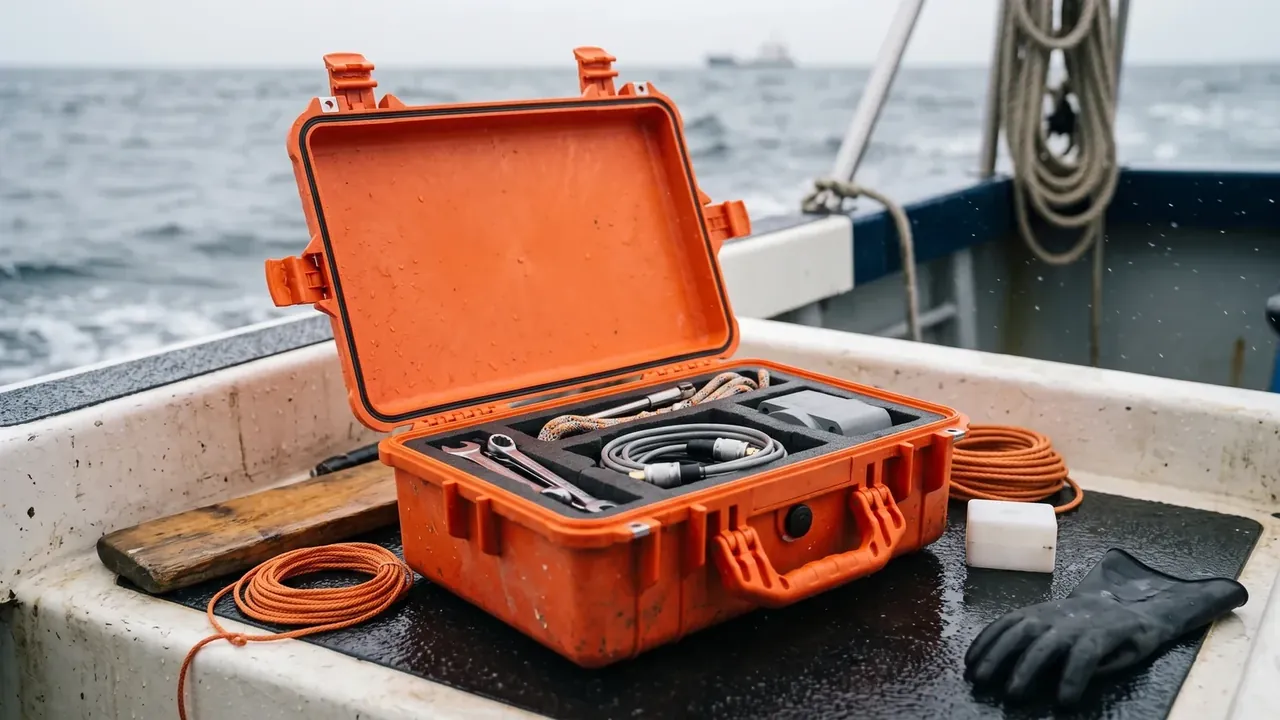
Pressure cycling: air freight and temperature swings build several kilopascals across the shell, no IP test covers it, yet it decides whether the case opens. Immersion then drop: soak 30 minutes, drop a corner, and the flange may already be offset. Salt spray and UV ageing harden the gasket while the grade stays put. Opening cycles: retest after 500. All four belong in the purchase document.
5. Writing the purchase spec and acceptance
Split the claim into five fields: grade, depth and duration, reference standard, sample state, report requirement. For example IPX7, 1 m for 30 minutes, IEC 60529, three production parts.
Fix sampling: three units per batch for immersion, one for vacuum. Reject any quote saying IP68 without depth and duration.
Conclusion
The IP grade is only the entrance. What decides whether a waterproof hard case ships is the depth, duration, sample state and verdict behind it. Put those four in the purchase document, because a waterproof hard case grade is never a number on its own.
This article covers container-side specifications and design implications only, not the handling, loading or use of the contents.
Related Reading
- How to read IP ratings on waterproof cases
- IP67 versus IP68
- Choosing gasket materials
- Salt spray hours for cases
Related Products
- 8 Series — Gun Cases; Military Equipment Cases; Camera Equipment Cases; Drone Cases; Watch Cases; Knife Cases; First Aid Cases; Electronics Equipment Cases
- WL8-2812 PP Gun Case — model WL8-2812
- All protective cases and toolboxes: 7 series, 158 models