

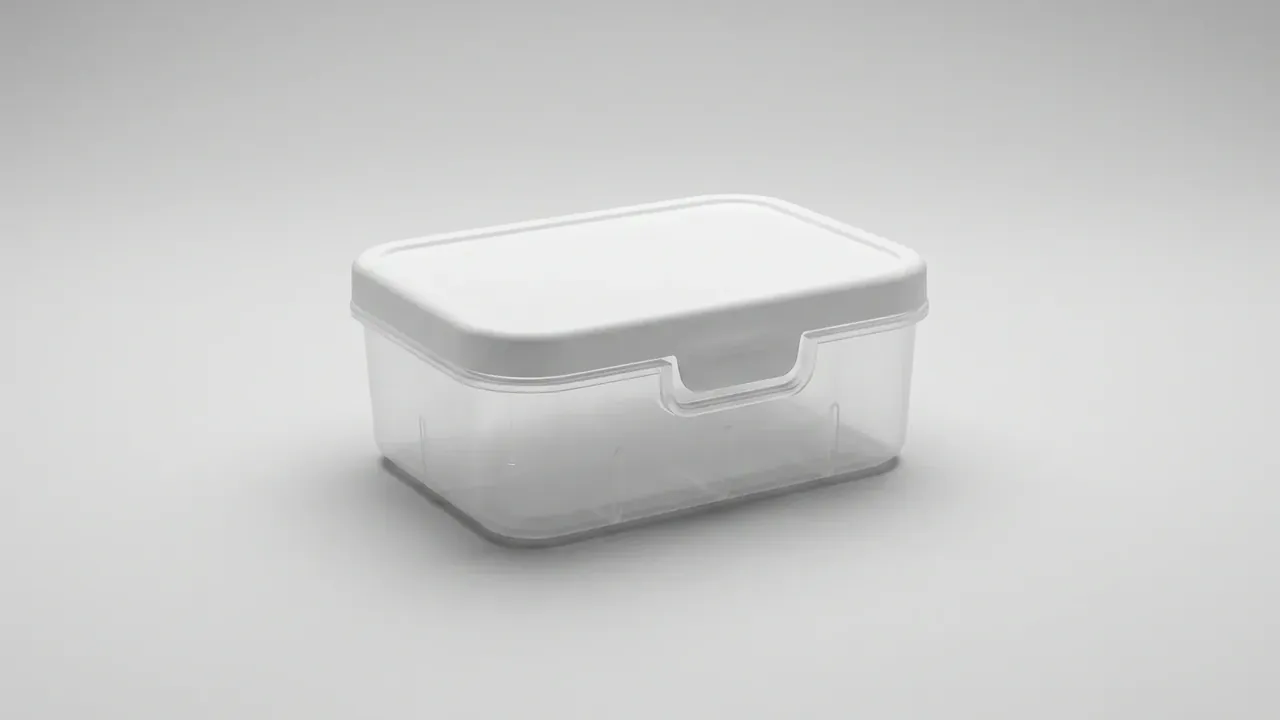
Quick answer: Acceptance of a waterproof plastic box electrical enclosure comes down to four numbers and three locations: wall thickness, gasket compression, latch retention and insert pull-out, then the lid, cable entry and stress lines.
Table of contents
- Waterproof plastic box electrical: four numbers first
- Three lines: lid, cable entry, stress
- Spray then soak, never the reverse
- Disposition checklist after a failed lot
- FAQ
1. Waterproof plastic box electrical: four numbers first
A 500 mm × 350 mm × 190 mm waterproof plastic box electrical enclosure weighs 3.4 kg empty. Four values belong in the title block of its drawing, and they carry more weight than ten lines of "conforms to IP67".
| Item | Value | Method | Record |
|---|---|---|---|
| Side wall | 3.2 mm, base 4.0 mm | Ultrasonic gauge, 5 points per face | Thickness map |
| Gasket compression | 25%, range 20 to 30% | Height difference before and after closing | Compression log |
| Latch retention | 300 N without release | Pull tester at 20 mm/min | Force curve |
| Insert pull-out | 800 N on an M6 brass insert | Destructive, lowest of 5 | Pull report |
Compression is the easiest number to fake. Squash the gasket hard and it holds a month, then loses rebound; leave it loose and it leaks on the first rain. Twenty-five percent splits the difference.
Thickness is about uniformity, not peak value. A box at 3.6 mm near the gate and 2.8 mm at the far end is not a 3.2 mm box.
2. Three lines: lid, cable entry, stress
Four numbers cover the whole waterproof plastic box electrical unit. Three lines cover the places, because leakage never spreads evenly across a box.
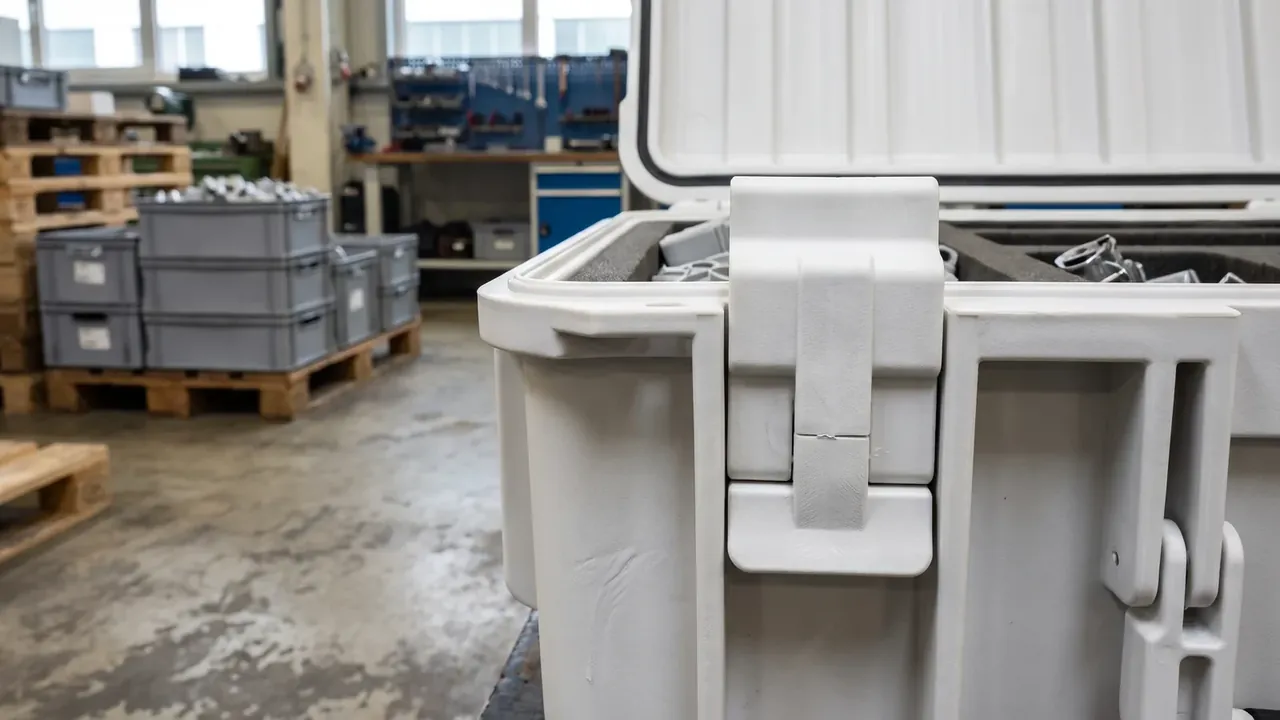
The lid line is the joint where the halves meet. Check flash above 0.2 mm, sink marks lifting the gasket, and warp beyond 1 mm.
The cable entry line is where a gland passes through the wall. Torque it to 1.5 N·m: less and it works loose, more and the thread strips. Drill the hole 0.2 mm over the gland thread.
The stress line is invisible until you cut for it. Weld lines settle at stud roots, around inserts and across corner radii. Slice a sample, polish the section, and a weld line deeper than a third of the wall puts the service life of that waterproof plastic box electrical unit in question.
Check outside in: lid line, cable entry, then the cut. The first two need no teardown.
3. Spray then soak, never the reverse
Soaking a waterproof plastic box electrical unit first and spraying afterwards is the most common sequencing error, and the one that passes bad parts.
| Step | Condition | Criterion |
|---|---|---|
| 1 | IPX4 oscillating tube, 10 minutes | No droplets or runs on the inner wall |
| 2 | Dry outside, rest 2 hours | No standing water in the gasket groove |
| 3 | IPX7 at 1 m for 30 minutes | Dry inner wall, absorbent paper unchanged |
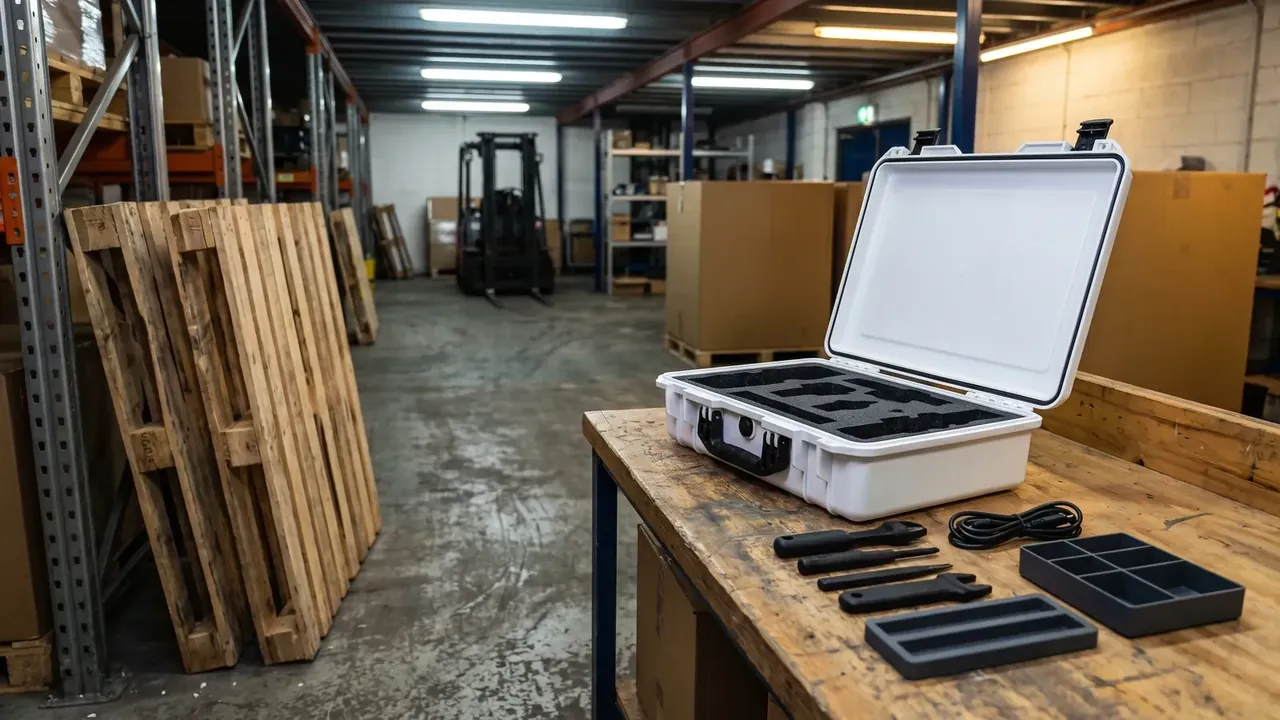
Three things sit alongside the sequence. The first is rest time: two hours lets residual water drain from the groove, shorter misreads it as leakage. The second is water temperature, because a case moved from a 30 °C floor into a 15 °C tank contracts trapped air and draws water inward. The third is sample position, one unit from a corner, one from the latch side, one from the gland side. Tested units get marked and never return to stock, since the inner wall has absorbed water. The record must carry date, water temperature, rest time and the judge, or the report dies on the customer's desk.
Get the order right and the result means something.
Reverse it and you are testing luck, not process.
4. Disposition checklist after a failed lot
Sort the failure on a waterproof plastic box electrical lot before touching a tool. The same symptom can demand opposite fixes.
- Compression under 20%: replace the gasket, retest 5 units from the lot
- Compression over 30%: check lid flatness, rework the mould beyond 1 mm
- Latch retention under 300 N: change latch model, 200 cycles on 10 units
- Insert pull-out short: scrap the lot, section a sample for weld line depth
- Flash over 0.2 mm on the lid line: stop and rework the mould, full inspection on the first run
- Cold drop cracking: change compound or add impact modifier, redo the drop at -25 °C from 1.2 m
The insert line is the expensive one. Scrapping a lot hurts, but it buys a box whose studs stay put.
Cold drop gets skipped most often. Plastic turns brittle at -25 °C, and a case surviving a room-temperature drop can split 15 mm along a weld line. Condition for 4 hours, drop within 30 seconds.
Keep evidence: rework log, retest data and mould change sheet, stapled together for the next first article.
Conclusion
Four numbers hold the floor, three lines hold the positions, sequence holds the verdict, checklist holds the response. Write the four and three into the inspection standard and rework rates on a waterproof plastic box electrical order drop visibly.
This article discusses only the container (case body) side of specifications and design intent, and does not cover any handling, loading or use of the contents.
Related Reading
- Test items and limits for airdrop cases
- Storage and upkeep acceptance for case moulds
- Process checkpoints in a case production SOP
Related Products
- 8 Series — Gun Cases; Military Equipment Cases; Camera Equipment Cases; Drone Cases; Watch Cases; Knife Cases; First Aid Cases; Electronics Equipment Cases
- WL8-2812 PP Gun Case — model WL8-2812
- All protective cases and toolboxes: 7 series, 158 models