

801C Protective Case: Outside and Inside
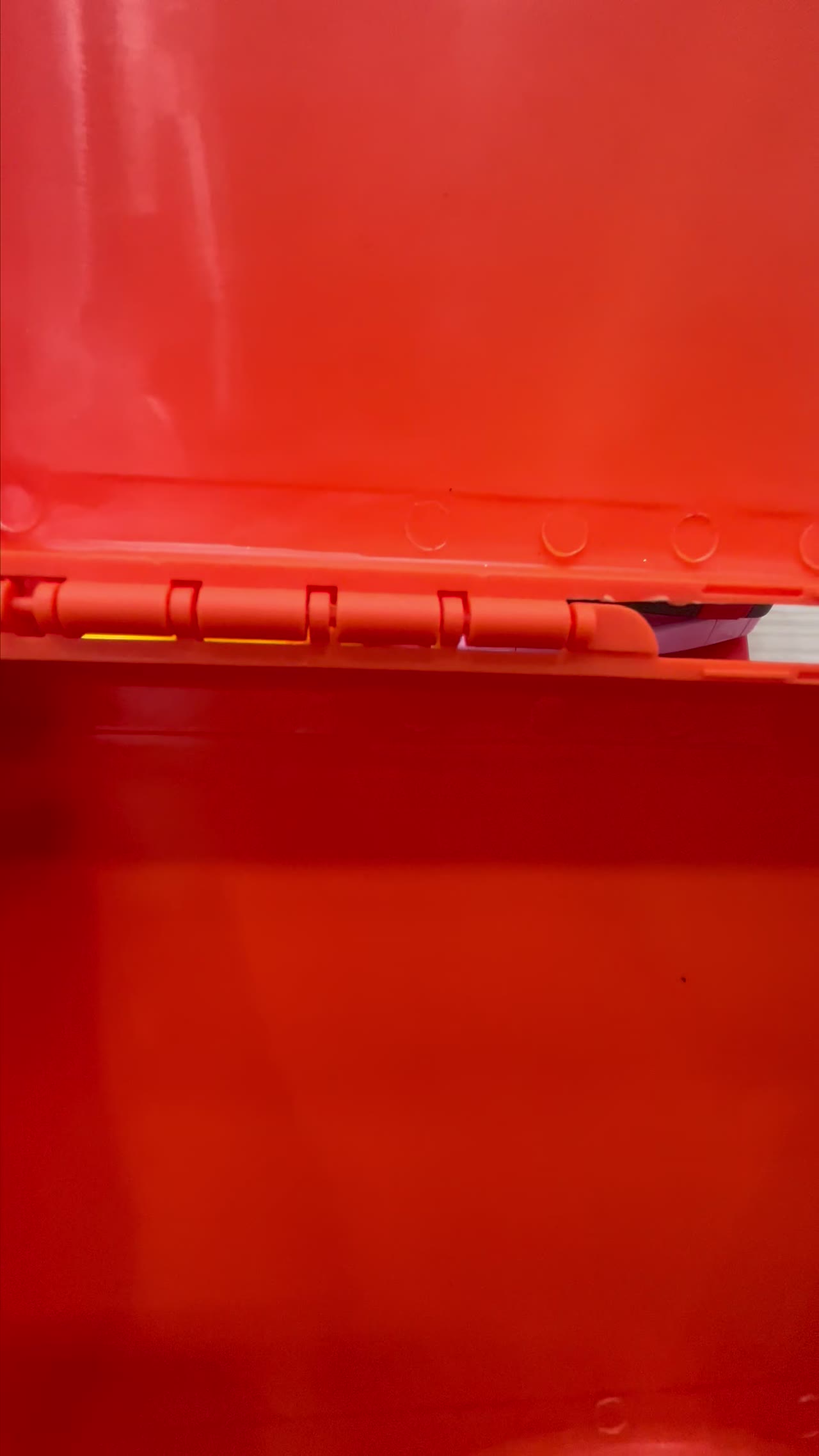
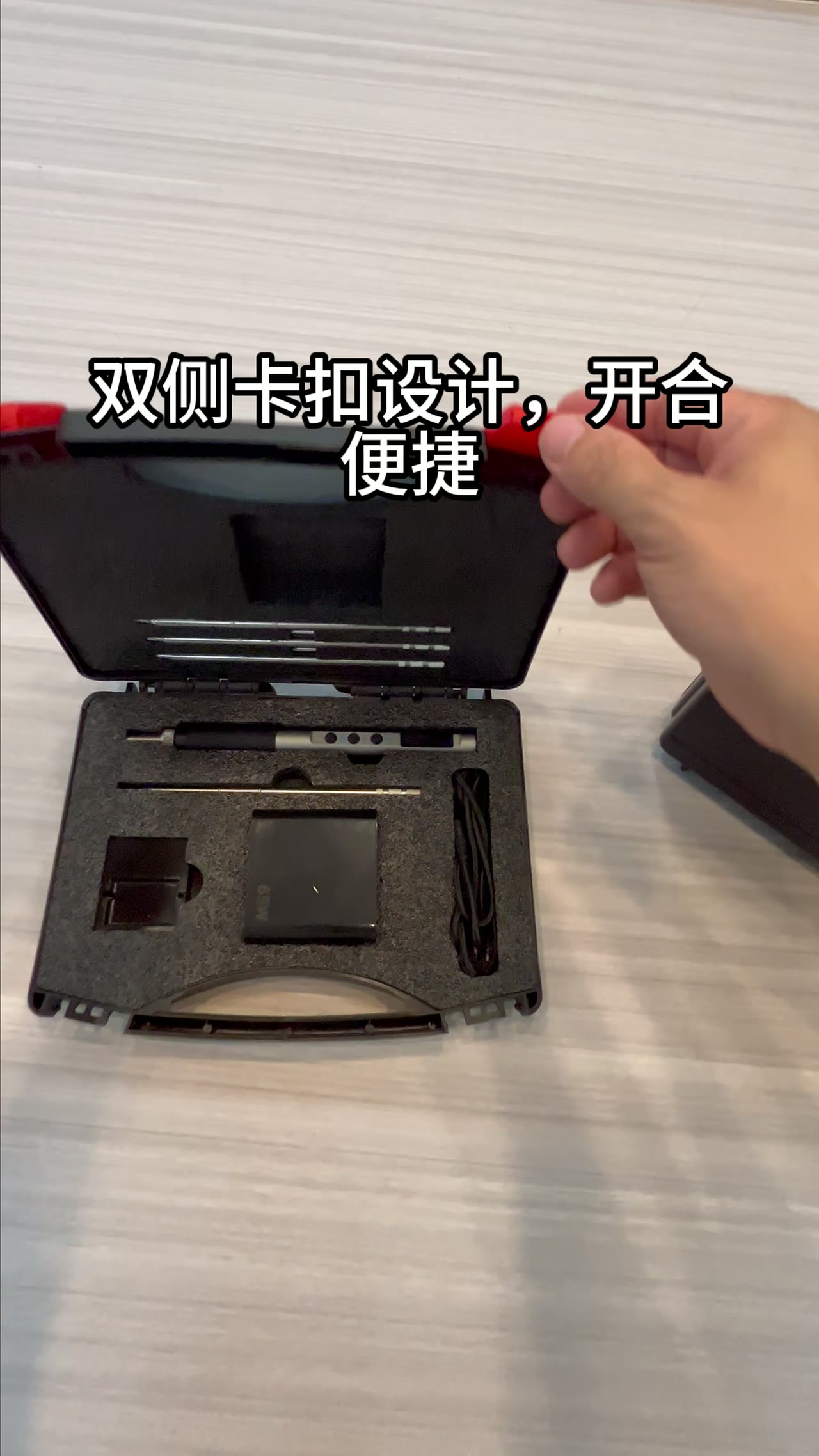
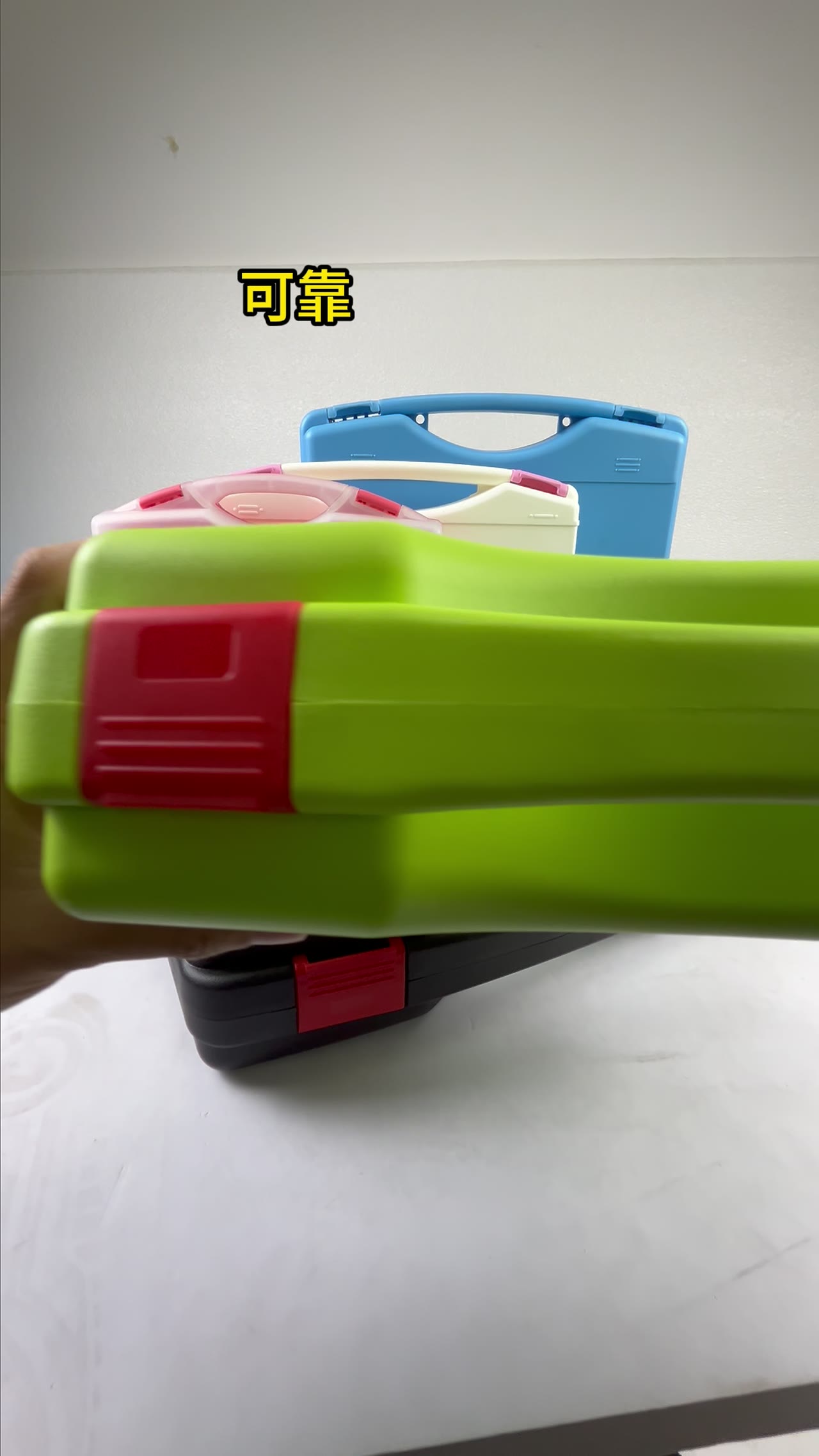
Mid-size cases attract the most questions and the vaguest answers. Eighteen seconds of footage shows three concrete areas: the lid, the sealing rim, and a cavity sized for foam. Together they explain the appeal of the middle size — capacity pushed right up to the edge of what one person can carry — and its price, which is paid in millimetres stolen from the interior. This piece walks those three areas, marks where the trade-off tips toward a larger or a smaller size, and names the numbers worth putting on a specification sheet.
01The middle size sits where one hand still works
Loaded weight in this bracket typically lands between 6 and 12 kg. Under 6 kg the cavity rarely swallows a unit plus two accessories, and the dividers get squeezed into slivers. Over 12 kg a single-handed carry forces a grip change within a couple of hundred metres, so users quietly switch to two people or add wheels. The sweet spot is a crossing point of weight and volume, not a dimension.
That crossing point has a bill attached. Holding the 12 kg ceiling means thinner walls, a lighter lid, less foam — and every saving comes out of the cavity. A mid-size case therefore looks roomier from outside than it feels when open: each face has surrendered a few millimetres to structure and lining. Buyers are accepting exactly that surrender.
02Lid depth at 15%–25% of height: enough mouth, no stolen volume
Lid depth usually runs 15%–25% of overall height. Near the low end the lid is little more than a cover, and loading means reaching into a deep well: long items stand upright, but knuckles scrape the walls while searching. Near the high end the mouth opens wide and access is easy, at the cost of shallower usable depth for the same exterior height, plus a stiffer lid to hold shape.
Start by measuring the tallest item that must go in. That fixes how much continuous depth the cavity needs, which in turn pushes lid depth toward one end of the band. More is not better: past 25% the unsupported lid area grows, pressure across the seal becomes harder to even out, and a band in the middle often closes without full contact.
03Seal geometry: 25%–35% compression is a narrow window
The gasket sits in a groove and flattens on closing. Compression is normally held between 25% and 35%. Below 25% contact stress is too low and a weak point appears within a week of use; above 35% the rubber lives under constant strain, loses rebound after repeated cycling, and thins with age. Groove depth, cord diameter and closing force have to agree to hit it.
You do not need a certificate to check the result, only three looks. Run a finger around the closed perimeter: the contact band should be continuous and even, and any break means low compression. Open it and inspect the cross-section: the cord should return to near its original thickness, and a permanent flat means over-compression. Then check the corners, which usually see the highest load.
04Losing 8–12 mm: exterior depth is not usable depth
Exterior depth and usable interior depth differ by 8–12 mm in this bracket. Three things take that share: the base structure and its ribs, the lining inside the lid, and the ledge left for the seal groove. Quote only the outside figure and the case will hold less than expected, which bites hardest on equipment that already sits at the height limit.
Treat 8–12 mm as a standing discount and subtract before comparing. A 100 mm device needs a cavity specified at roughly 112 mm, not a shell at 100 mm. Foam takes a second bite from the same budget: a 20–40 mm base pad removes usable depth once more, and the two deductions have to be counted separately.
05Unit plus accessories: dividers claim 5%–8% first
The usual job for this size is one unit travelling with its accessories. Dividers or foam compartments consume 5%–8% of the cavity, which sounds modest until you notice it comes straight out of usable volume. Finer partitioning costs more space and leaves less clearance; coarser partitioning loads faster but lets accessories collide in transit.
Budget the space in a fixed order. Set the opening diagonal first so the unit enters at an angle; subtract the 8–12 mm depth loss; choose foam at 20–40 mm; only then lay out dividers with 5%–8% reserved for structure. Reverse the order and you get a case that is big enough yet will not accept the load, or accepts it only with accessories removed.
| Lid depth, share of height | 15%–25% |
|---|---|
| Gasket compression | 25%–35% |
| Exterior minus usable depth | 8–12 mm |
| Foam thickness, typical | 20–40 mm |
| Loaded weight, typical | 6–12 kg |
| Dividers, share of cavity | 5%–8% |
| Single-hand carry ceiling | about 12 kg |
| Access check | opening diagonal, not edge length |
FAQ
Why is the middle size so often recommended?
It puts capacity right at the edge of one-person handling. At 6–12 kg loaded, most adults carry it a fair distance without switching hands, and it still takes a unit plus two accessories. One size up means two people or wheels.
Does a deeper lid always improve access?
Only with a shallow well. Past 25% of body height the cavity gets shallower and the unsupported lid area grows, so mid-span seal pressure evens out poorly. For tall equipment, confirm continuous cavity depth rather than enlarging the lid.
How flat should the gasket be pressed?
Compression between 25% and 35%. Under 25% contact stress is insufficient and a leak path forms within a week; over 35% the rubber takes permanent strain and loses rebound. Judge by an even contact band and recovery after opening.
Can exterior depth be used as internal depth?
No — deduct 8–12 mm in this bracket. Base ribs, lid lining and the seal ledge take that share. Add a 20–40 mm foam pad and usable depth drops again, so keep the two deductions separate.