

What Matters Stays Guarded
Some objects can be replaced by Tuesday. Others cannot be replaced at all, and the difference has nothing to do with price. It comes down to three things you can actually score: what it costs to obtain again, whether a second one exists, and what the current shelf exposes it to. Rate each from 1 to 5, add them up, and the total decides between a hard case, a soft bag, or a drawer with a dust cover. Cost never enters the score directly; what enters is the cost of the gap it would leave.
01Score three axes, 1 to 5 each
Replacement cost measures what it takes to obtain the thing again, not what it once sold for. A 1 means same-day availability off the shelf. A 3 means a purchasing cycle and a re-fit. A 5 means discontinued, out of production, or another full custom run. As a rough marker, anything above the 3000 yuan band rarely scores below 3.
Substitutability asks a blunter question: could something else do the job? Standard parts score 1, worn-in items that a replacement would have to re-learn score 3, and one-of-a-kind objects score 5. Exposure grades the shelf itself. Of four readings, humidity, temperature, light and vibration, a single one sitting out of range for months lifts the axis to 2 and up.
02Eleven points is the line
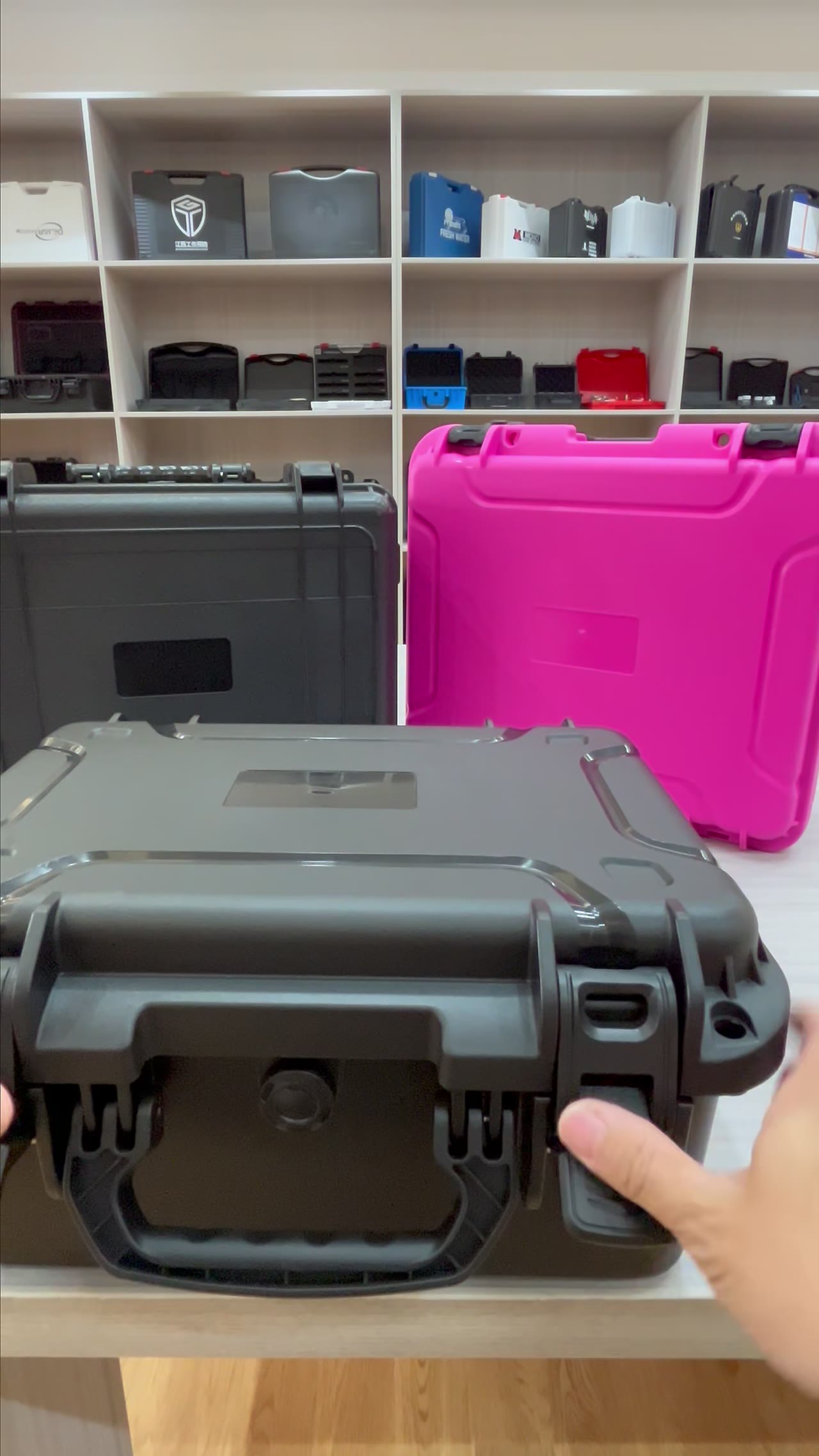
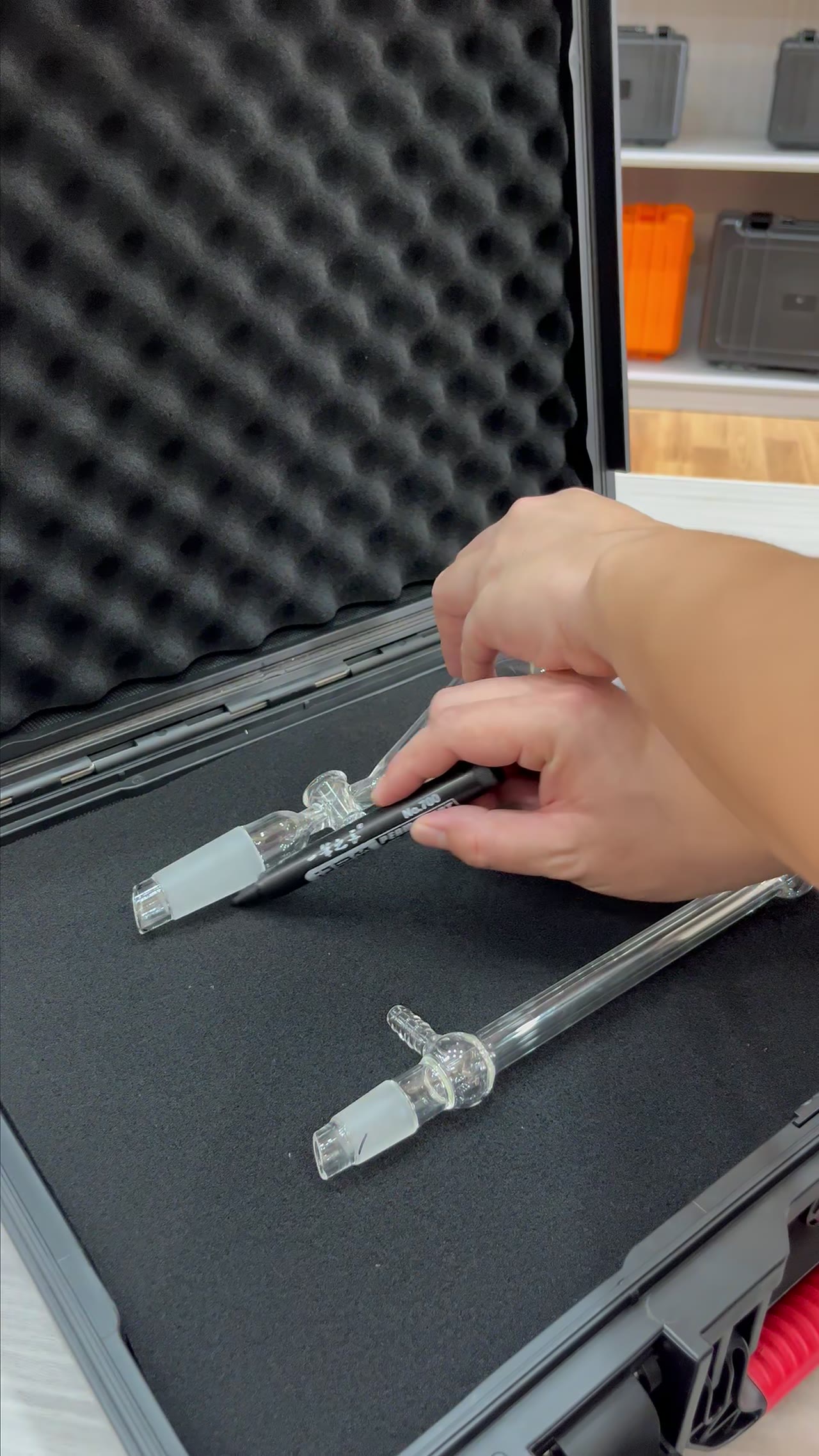
Three axes, 15 points total. At 11 or above, the object goes into a hard case. Between 8 and 10, a padded soft bag or a semi-rigid shell. At 7 or below, a drawer and a dust cover are enough. The threshold is not arbitrary: 11 means one axis at 4 or better, or two axes at 4, and objects in that group share one trait, that a single failure costs more than the case.
Resolve edge cases upward. A total of 10 with substitutability at 5 gets treated as a hard case anyway. A total of 12 with all three axes at 4 may drop a level, because nothing there is extreme and damage tends to accumulate slowly rather than arrive at once. A 5 on any single axis is a hard flag; averaging must not erase it.
03Replacement cost is four lines, not a sticker
Add four items: the purchase itself, the idle loss while you wait, the hours spent re-fitting or re-tuning, and the fit knowledge already embedded in the old one. The first two convert to money directly. The last two need estimates, tuning at an hourly rate, knowledge at how long a fresh start would take. The sum typically lands at 1.5 to 3 times the sticker.
The 3000 yuan band is a marker, not a law. Below it and available same-day, score low. Above it, or with a lead time past 2 weeks, start at 4. In any collection, scoring the three most expensive items first usually settles most of the budget; everything else can then be run through the same ruler without much debate.
04Exposure: four readings and their limits
Humidity between 40% and 60% RH suits most materials. Drier air pulls moisture from leather and wood until seams open; damper air spots metal and grows mould on optics. Temperature of 15–25 ℃ is the ordinary band, but a daily swing past 8 ℃ does more harm than the absolute number, because repeated expansion attacks adhesive layers first.
Hold light at 200 lux or below, measured as sustained illumination rather than the instant of a photograph. Sources heavy in ultraviolet fade pigments and coatings an order of magnitude faster. Vibration of 0.5–2 g covers normal transport and handling; past that, anything with moving internals needs a physical stop, not just foam wrapped around it. Stops are cheap; a bent shaft is not.
05Re-score every 6 to 12 months
Scores drift. Replacement cost climbs when a line is discontinued, substitutability falls as wear accumulates, and exposure drops after a move, a new cabinet, or added air conditioning. Set the review at 6–12 months, write the date on a label inside the lid, and re-score when it comes due. Cross 11 and step up; fall below 7 and step down, freeing the hard case.
Three actions per review: read the previous score off the label, measure humidity and temperature again, inspect the object for new damage. The whole thing fits inside 10 minutes. Two clean reviews in a row and the interval stretches to 12 months; two threshold crossings and it tightens to 6. The interval is data too, and should not be fixed once and forgotten.
| Score per axis | 1–5 |
|---|---|
| Hard case threshold | total ≥11 |
| Replacement cost marker | above 3000 yuan |
| Target humidity | 40–60% RH |
| Target temperature | 15–25 ℃ |
| Sustained light ceiling | ≤200 lux |
| Handling vibration | 0.5–2 g |
| Review interval | 6–12 months |
FAQ
Won't three people score the same object differently?
Yes, so fix the ruler before anyone scores. Replacement cost is four lines added, never the sticker. Substitutability asks only whether a second one exists. Exposure reads four numbers against limits. Take the median of three scores, and re-discuss any axis with a spread above 2 points; argue readings, not impressions.
Why 11 rather than 10?
Eleven means one axis at 4 or better, or two at 4, and objects in that band cost more to lose than a case costs to buy. Setting the line at 10 pulls in a crowd of items that are unremarkable on every axis, thins the budget, and leaves the genuinely fragile ones without a slot.
Soft bag or semi-rigid shell?
It comes down to crush resistance and shape retention. A soft bag absorbs impact through padding and suits items scoring 8 to 10 with no sharp corners. A semi-rigid shell adds a formed panel that holds its outline, which helps where pressure is the risk rather than impact. Neither solves humidity; desiccant and a seal do that.
How often should the readings be taken?
With the review, so every 6 to 12 months, plus one at each seasonal change when temperature and humidity move most. Measure where the object actually sits, not the middle of the room. Two consecutive out-of-range readings mean relocating it or adding dehumidification, not waiting for the next scheduled check.