

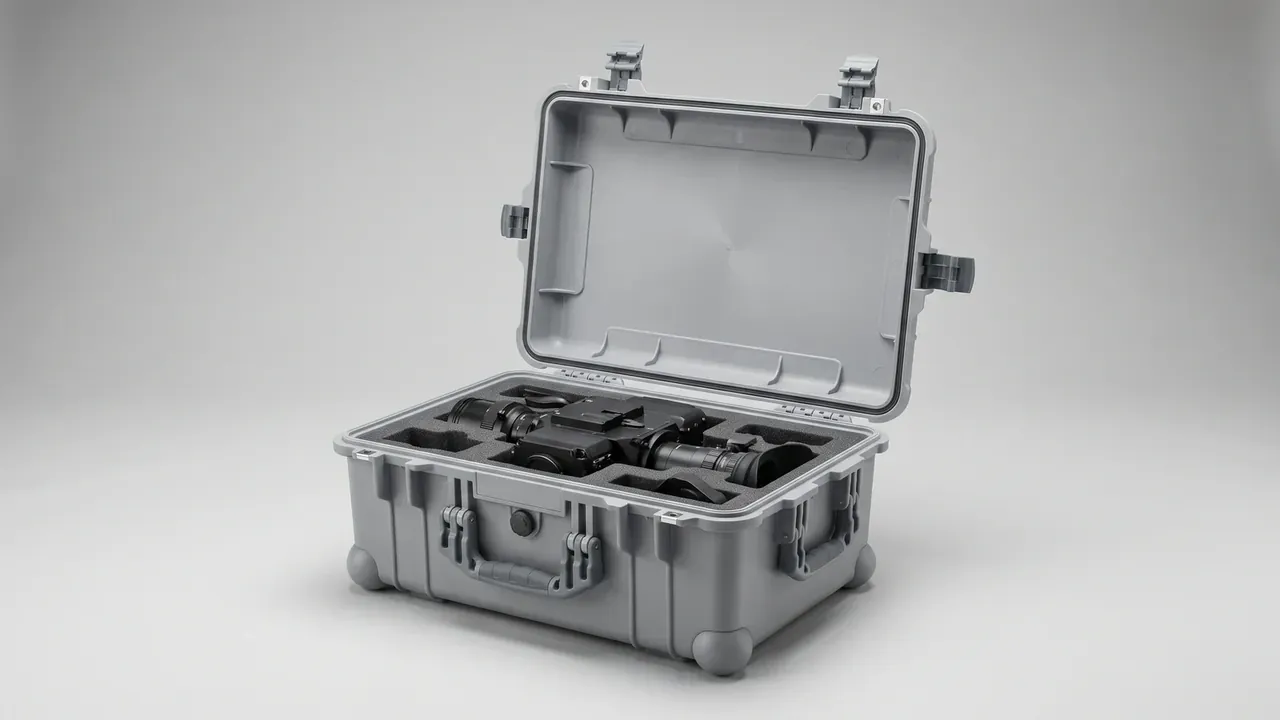
Quick answer: Set an Airdrop Case against a plywood crate, a plain rotomoulded box, an aluminium case and a soft bag, and five measures decide the order: tare weight, residual deformation after a drop, reuse count, cost per delivery and certification coverage.
Table of contents
- Five Measures to Fix First
- Impact Resistance Is Read After the Drop
- Reuse Count and the Weight Tax
- Maintenance Hours and Certification Fit
- The Five-Way Table and Its Boundaries
- FAQ
1. Five Measures to Fix First
Price alone reverses the ranking: the crate quotes lowest once and costs most per delivery. Five measures make it fair, and only one goes on a scale.
| Measure | How it is taken |
|---|---|
| Tare weight, 60 L, no liner | Bench scale, whole case |
| Residual deformation | Gauge, worst diagonal after six faces |
| Reuse count | Log, first unrepairable failure |
| Cost per delivery | Purchase plus maintenance, divided |
| Certification coverage | Shock, vibration, salt fog, airtight |
The remaining four live in a log book, and for an Airdrop Case that log is the only defence against a crate winning on impression.
2. Impact Resistance Is Read After the Drop
What survives a drop says more than the peak recorded during it. An Airdrop Case keeps an independent cushion stroke behind the shell, so the diagonal moves under 1.5 mm after one drop per face. A single-wall rotomoulded box bulges 4 mm at the corner and never springs back; aluminium at 1.2 mm dents 6 mm and is hammered out by hand.
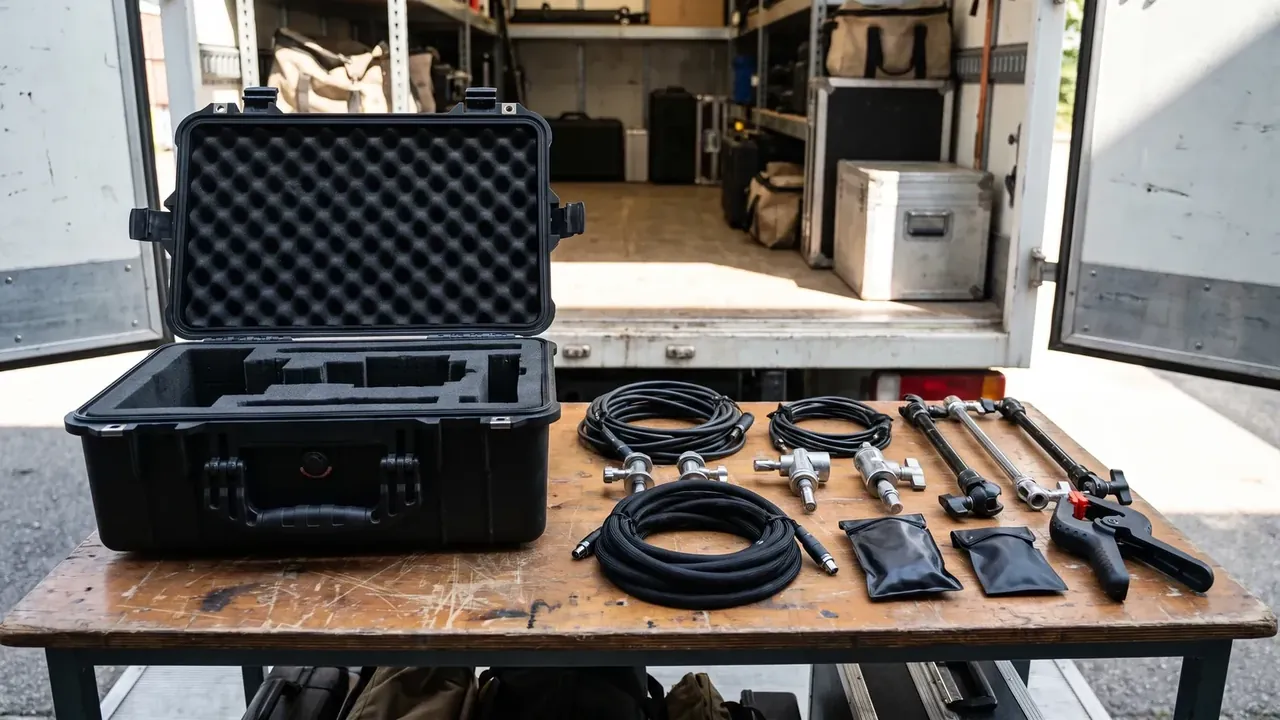
Plywood fails at the joint on the second trip; a 1680D bag passes everything to its liner. Re-inspection to 50 deliveries separates them: 92 percent of rigid bodies pass, 55 of plain boxes, 30 of aluminium, none of the crates. The gap is repairability, not wall thickness.
3. Reuse Count and the Weight Tax
At 60 L the bare weights run 2.6, 8.5, 9.4, 13.2 and 17.8 kg. The 4.7 kg over a plain box buys cushion stroke, caps and frame; across a stick of 20 that is 94 kg per lift.
| Option | Tare | Reuse | Cost index |
|---|---|---|---|
| Airdrop Case | 13.2 kg | 50 to 80 | 100 |
| Plain rotomoulded box | 8.5 kg | 30 | 78 |
| Aluminium case | 9.4 kg | 20 | 165 |
| Plywood crate | 17.8 kg | 1 | 210 |
| Soft bag | 2.6 kg | 8 to 12 | 55 |
The index carries purchase and maintenance. The bag looks cheap only because protection cost has moved into the liner, a line absent from the case budget. Past 1.2 m³ the body nears 30 kg and handling limits arrive first.
4. Maintenance Hours and Certification Fit
Hours read cleaner than money. Rebuilding a crate every trip takes 0.4 h; re-torquing aluminium rivets every 10 deliveries takes 0.8 h; a new cushion set every 20 deliveries takes 1.2 h; bag seams every 5 take 0.5 h.
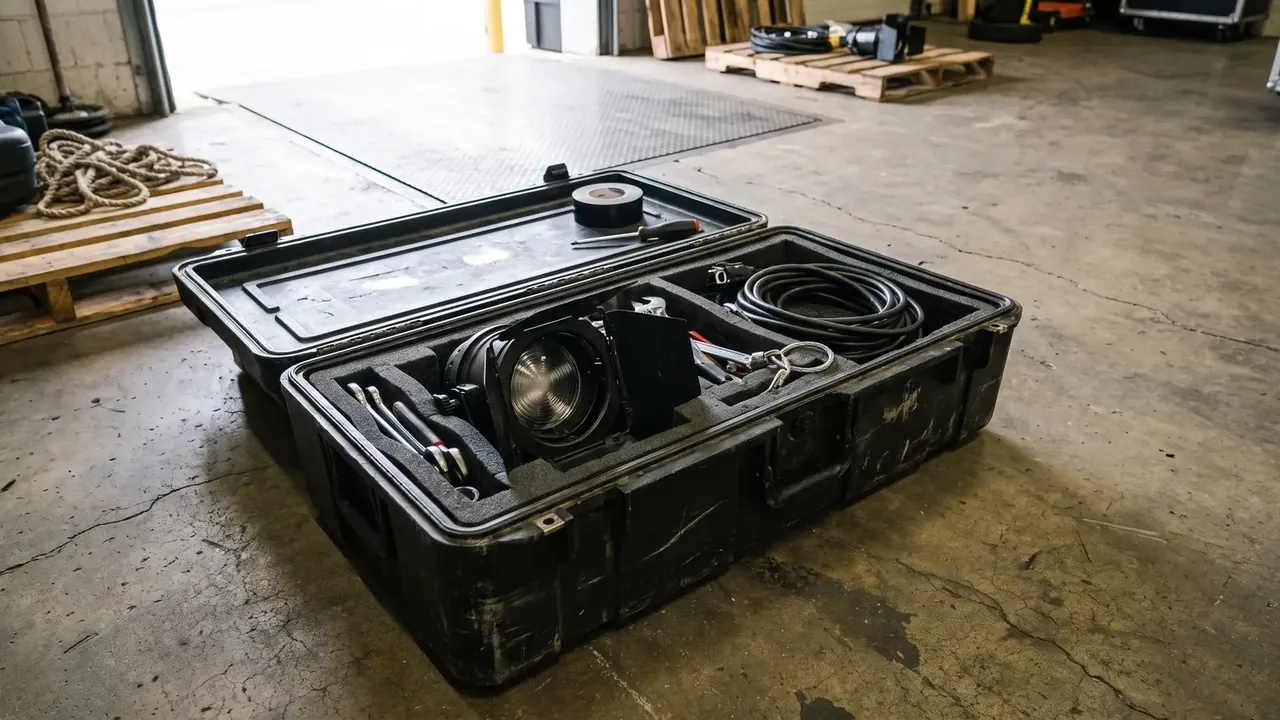
Certification splits the field: shock to MIL-STD-810 method 516, vibration to 514 and salt fog to 509 are what make two rows comparable. Aluminium pits around rivets after 96 h of salt fog, plywood cannot be pressure tested, and a bag cannot be stacked. A blank cell fails acceptance.
5. The Five-Way Table and Its Boundaries
| Option | Residual deformation | Maintenance | Certification |
|---|---|---|---|
| Airdrop Case | Under 1.5 mm | 1.2 h cushion set | All four |
| Plain rotomoulded box | 4 mm bulge | Scrapped whole | Shock, airtight |
| Aluminium case | 6 mm dent | 0.8 h rivets | Shock, vibration |
| Plywood crate | Joint loosening | 0.4 h rebuild | Stacking only |
| Soft bag | No stiffness | 0.5 h seams | None |
Under three deliveries with no return route, the crate wins on cost. For interior movement with no drop, a plain box is enough. High-value equipment flown often and dropped rarely can justify aluminium, if a 20-delivery ceiling is accepted.
Settle delivery count, return route and volume first; the order falls out on its own.
Conclusion
The five options differ in where impact energy is booked: plywood in the panel, aluminium in the skin, a bag in the liner, and an Airdrop Case in cushions that can be replaced. That booking sets reuse count, reuse count sets cost per delivery, and cost draws the boundary of acceptable use. Align the five measures and price stops being the only argument for an Airdrop Case.
This article discusses only the container (case body) side of specifications and design intent, and does not cover any handling, loading or use of the contents.
Related Reading
- How the case differs from plain transport boxes
- Standards for military air transport cases
- Sealing and inspection of waterproof hard cases
- Preventing case damage in storage
Related Products
- 8 Series — Gun Cases; Military Equipment Cases; Camera Equipment Cases; Drone Cases; Watch Cases; Knife Cases; First Aid Cases; Electronics Equipment Cases
- WL8-2812 PP Gun Case — model WL8-2812
- All protective cases and toolboxes: 7 series, 158 models