

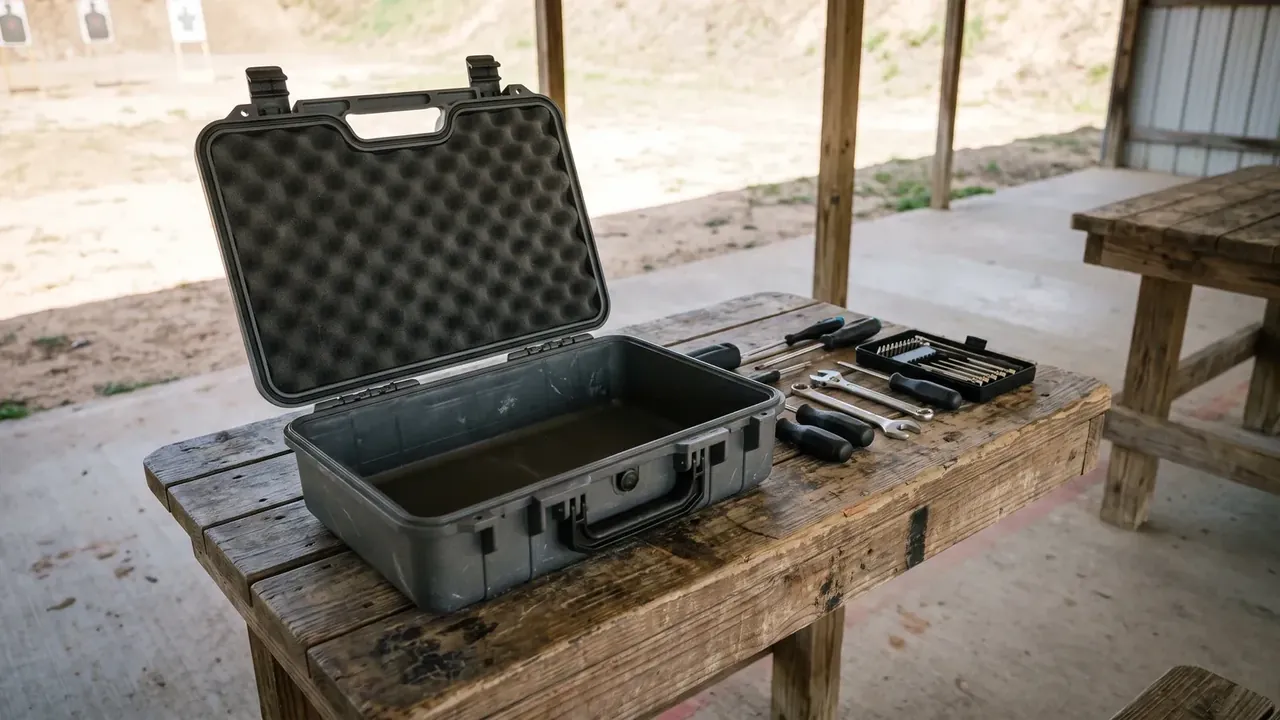
Quick answer: On an 800-unit ammunition and nuclear ordnance boxes order, the quote structure decides the outcome, not the headline price. Tooling ownership and the deposit date belong in the annex.
Table of contents
- Five lines in an Ammunition and Nuclear Ordnance Boxes quote
- MOQ tiers and who owns the tooling
- Four sample rounds, four weak spots
- Splitting 45 days into five blocks
- Payment milestones and credit terms
- FAQ
1. Five lines in an Ammunition and Nuclear Ordnance Boxes quote
One enquiry: 800 units, cavity 620 x 420 x 330 mm, wall 8 mm, 46 kg loaded, 45 days to port. Four plants quoted 780 to 1,076 per unit, a spread of 38%.
Split into five lines and the spread shrinks. Powder differed by 6%: 21 kg at 14 per kg, about 294. Machine time on a 3.2 m arm at 285 degrees Celsius, 26 minutes a cycle, two boxes a mould, 210 an hour, near 45 each; trimming, latches and labels added 28.
The gap was in tooling and inspection on these ammunition and nuclear ordnance boxes quotes: steel mould 32,000, aluminium 19,000.
| Quote line | Share of an 800-unit order | How it is written | What to ask |
|---|---|---|---|
| Compound | 34% | Powder price only | Shot weight, regrind |
| Machine time | 26% | One blended fee | Arm size, cycle time |
| Tooling | 9% | Billed separately | Owner, portability |
| Packing | 11% | Delivery mixed with FOB | Pallets, volume weight |
| Inspection | 6% | Folded into overhead | Test list, who submits |
| Margin | 14% | Not shown | Volume for a price step |
2. MOQ tiers and who owns the tooling
Quantity is a set of tiers: 300 units bills the mould in full, adding 107 per box; 800 absorbs half, so 20; 2,000 sits inside the price at 8.
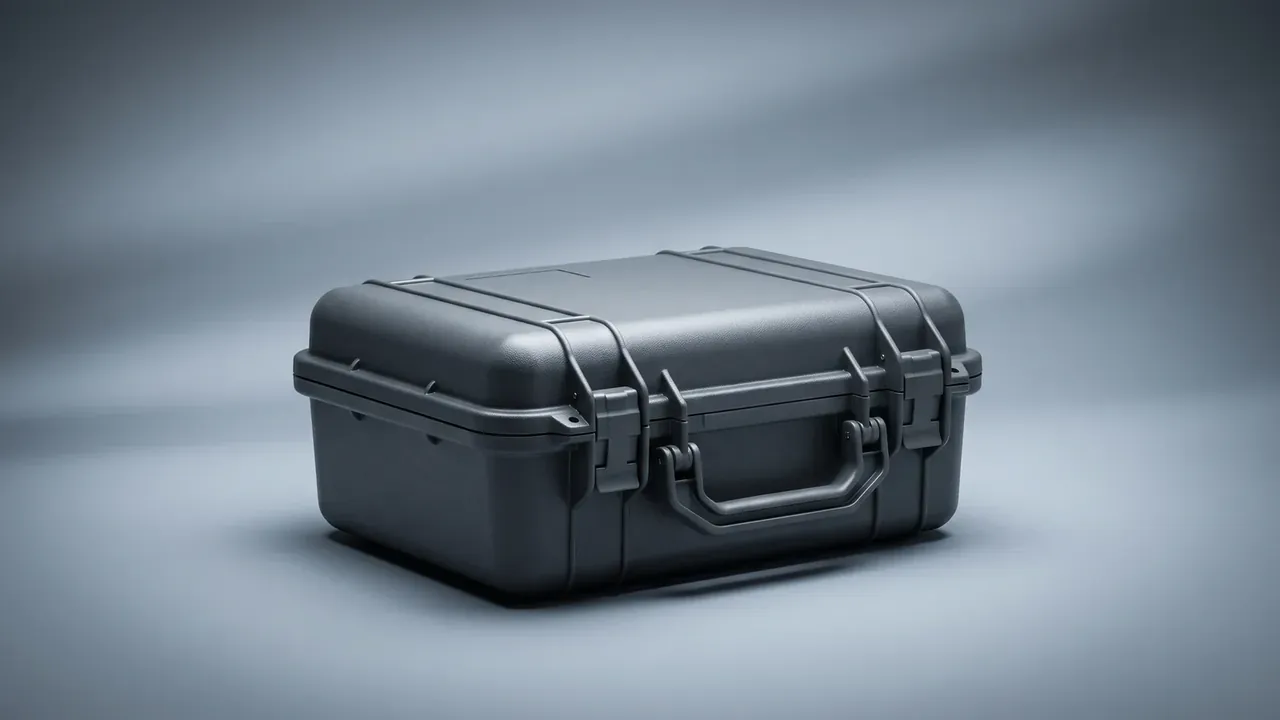
Ownership has three shapes. The buyer pays and holds, portable at the end of the run, 3% dearer. The buyer pays, the plant holds, 4% cheaper, but any change reopens talks. A family mould is cheapest and least predictable.
| Tier | Tooling | Added per box | Price index | Sample rounds |
|---|---|---|---|---|
| 300 units | Billed in full | 107 | 118 | 2 |
| 800 units | Split evenly | 20 | 100 | 4 |
| 2,000 units | Inside the price | 8 | 91 | 4 |
Check whether sample rounds sit inside the fee quoted for ammunition and nuclear ordnance boxes. From round three, a mould change is billed at 3,000.
3. Four sample rounds, four weak spots
Round one failed at the corners: nominal 8 mm, measured 5.6 mm, a 30% shortfall, and the drop test cracked the inner radius. Powder piles into concave corners, so the outer radius went to 10 mm.
Round two failed at the lid seam: a 0.4 mm feeler slid right round, which is flatness, not gasket. The face needs 0.3 mm.
Round three was latch preload. Design 120 N, sample 90 N, and one side released after three hours of vibration. Latches are bought in at 12 g, so preload belongs in incoming inspection.
Round four: a 1.2 m corner drop at minus 25 degrees Celsius cracked the hinge boss. Impact strength halves there, so the boss went from 2 ribs to 4 and from 6 mm to 7.5 mm. Twelve samples, 14 sign-off items, then volume. On any ammunition and nuclear ordnance boxes programme, samples expose wall, flatness, preload and cold performance.
4. Splitting 45 days into five blocks
Forty-five days is five blocks: 14 for tooling, 4 for trial shots, 5 for first-article approval, 16 for production, 6 for freight.
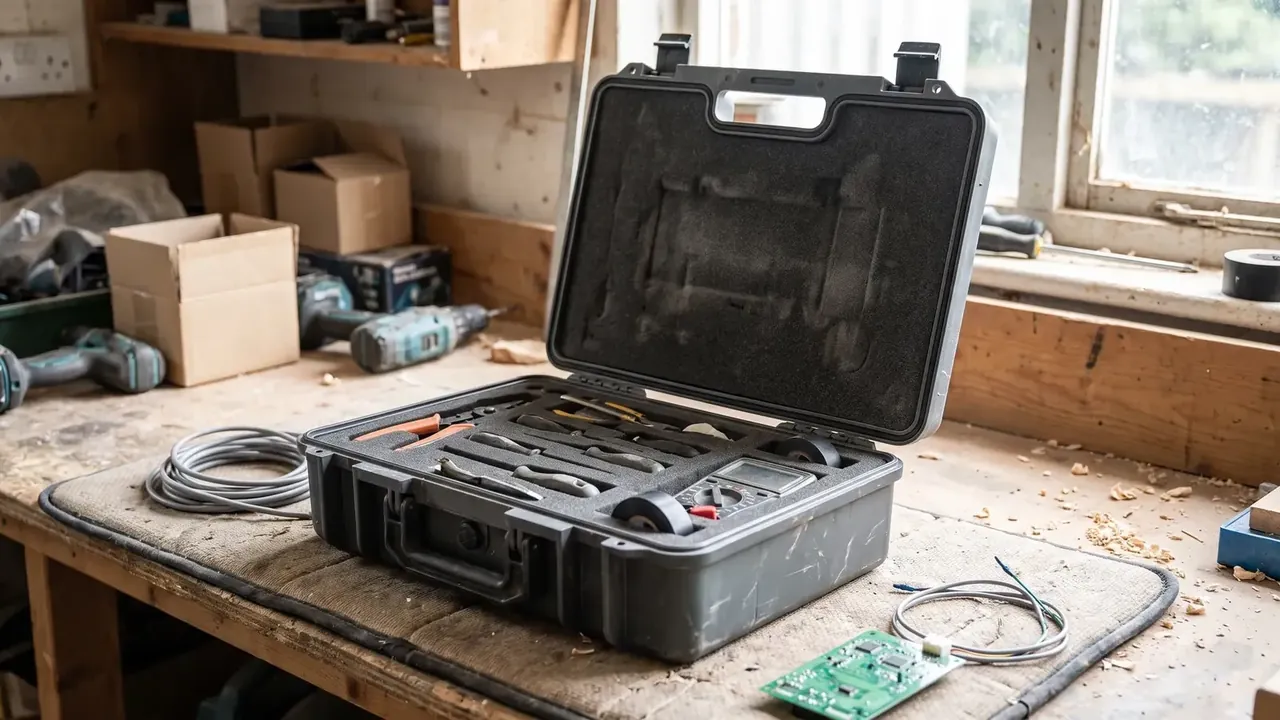
Approval is where days vanish: 3 transit, 2 signature, and the plant idles for all 5.
| Block | Days | Who signs | Usual slippage |
|---|---|---|---|
| Tooling | 14 | Plant tool room | Drawing reissued |
| Trial shots | 4 | Process engineer | Wall rework |
| First article | 5 | Buyer quality | Approver away |
| Production | 16 | Shop floor | Compound late |
| Freight | 6 | Forwarder | Space reallocation |
Start the clock when the deposit clears. Seven to ten days pass after signature, and that gap pushes production: 16 days becomes 12, cycle time 26 minutes to 22. Every ammunition and nuclear ordnance boxes schedule carries this slack.
5. Payment milestones and credit terms
Payment splits 30, 40, 30 percent: 30% releases tooling, 40% after approval, 30% against the bill of lading.
Credit terms are separate: sixty days costs 2% to 3%, ninety costs 5%. Penalties run 0.3% per day capped at 5%, warranty 12 months, and tooling is invoiced apart.
Spares: latches at 2% of quantity, gaskets at 3%, replacements in 7 days, the least read clause in an ammunition and nuclear ordnance boxes contract.
Conclusion
The price rarely decides an 800-unit order. Whether the quote can be dismantled, who holds the mould and which day the clock starts matter more. Buying ammunition and nuclear ordnance boxes is settled before anyone signs.
This article discusses only the container (case body) side of specifications and design intent, and does not cover any handling, loading or use of the contents.
Related Reading
- How standards and marking clauses land on the box
- Category edges and the size family
- Stacking and transfer faults seen in the field
Related Products
- 8 Series — Gun Cases; Military Equipment Cases; Camera Equipment Cases; Drone Cases; Watch Cases; Knife Cases; First Aid Cases; Electronics Equipment Cases
- WL8-2812 PP Gun Case — model WL8-2812
- All protective cases and toolboxes: 7 series, 158 models