

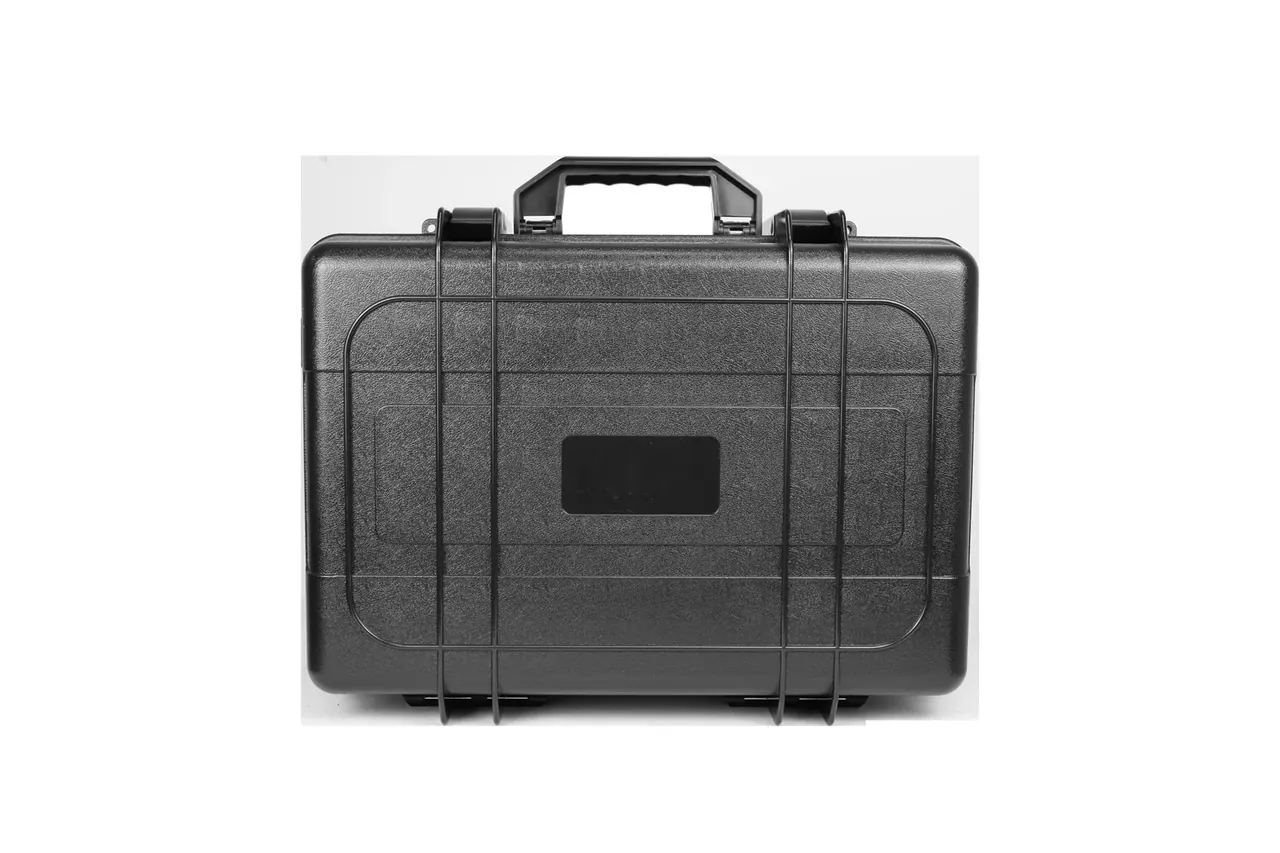
Quick answer: Standards for ammunition and nuclear ordnance boxes run in three layers: material and structure, performance testing, and marking with traceability. The first two decide whether the box survives, the third whether it is identifiable.
Table of contents
- Where the standards for ammunition and nuclear ordnance boxes come from
- Structure and material clauses: wall thickness and radii
- Sealing clauses: gaskets, pressure and internal humidity
- Marking clauses: nameplate pockets, colour bands and batches
- Test and acceptance: five tests, two usually skipped
- FAQ
1. Where the standards for ammunition and nuclear ordnance boxes come from
The first layer is material and structure: resin, wall measurement, radii, rib layout. Rotomolded walls are a range, not a number: powder piles in inside corners and thins on outside, so one box can vary by thirty percent. Clauses name the minimum and the points, never an average.
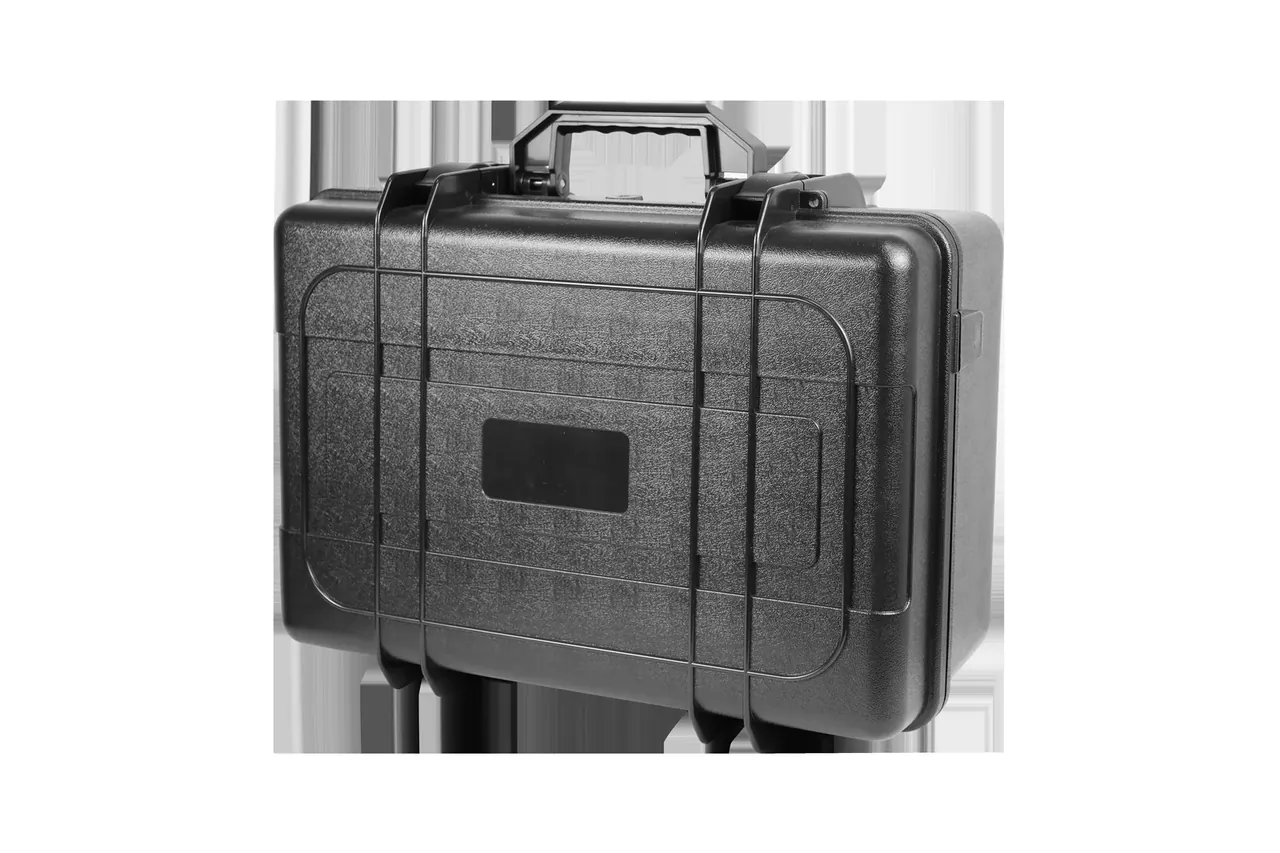
The second layer tests the box: drop height and surface, stack, vibration, pressure drop, humidity cycling. Corner, edge and face drops give three results, so a report without attitude cannot be repeated.
The third covers life after delivery: maker, type, batch, last inspection. The layers are serial: a structure that misses a clause fails the test.
| Layer | Covers |
|---|---|
| Structure | Wall range, radii, ribs |
| Test | Drop, stack, vibration, seal |
| Marking | Type, batch, inspection date |
2. Structure and material clauses: wall thickness and radii
A minimum thickness needs named points: base centre, four corners, handle root, latch bosses, often two millimetres apart. Name a minimum alone and two inspectors disagree. The workable version numbers the points and sets a limit for each.
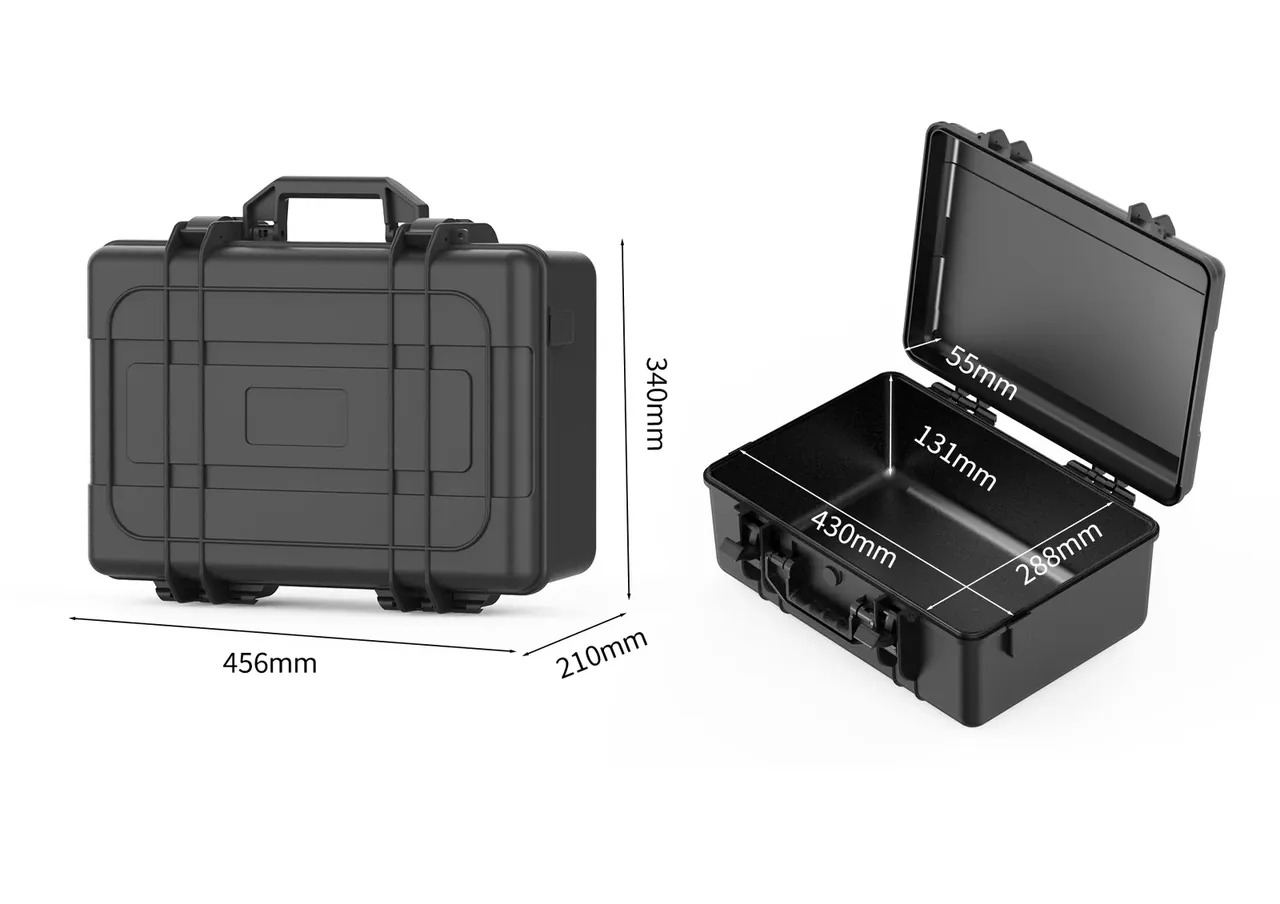
Radii do two jobs: the outer one turns point impact into an area load, the inner one decides whether a liner sits flat. Rotomolding starves sharp corners, so the outer radius stays at or above the wall.
Ribs need height, width and pitch as numbers, plus a rule that no rib ends on a thin wall. Shallow and dense beats tall and sparse.
3. Sealing clauses: gaskets, pressure and internal humidity
Sealing is three lines: the lid-to-body face, the gasket groove, every hole through the wall. Flatness sets how evenly the gasket compresses, groove depth sets the ratio, and each penetration can break the line.
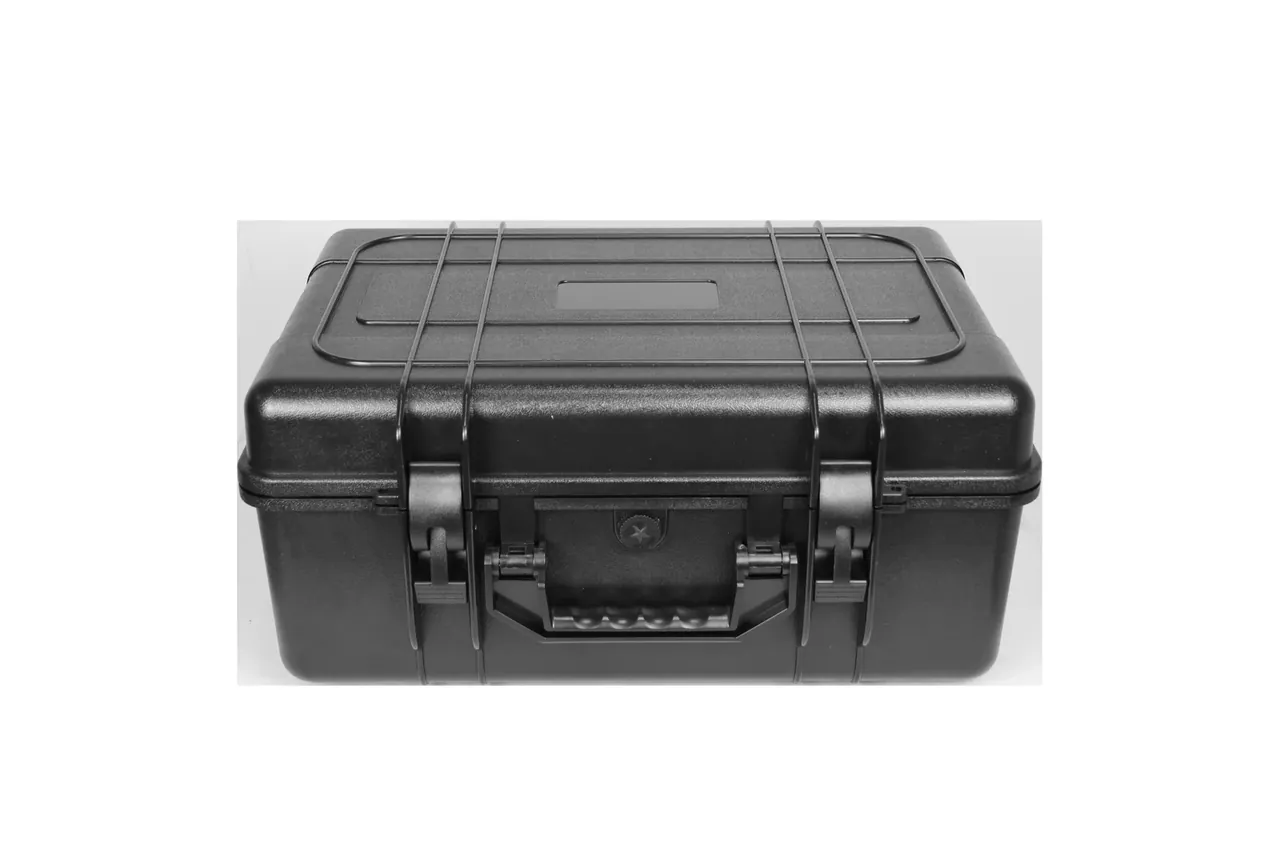
A pressure-equalisation valve is often misread as a hole that defeats sealing. It equalises slowly within a band, so the lid neither bulges at altitude nor sucks down after a swing. Set cracking pressure and flow together.
Internal humidity is written as a band held for a stated period. The level depends on leak rate, liner moisture and how often the lid opens. Fix the drying step and the card position.
4. Marking clauses: nameplate pockets, colour bands and batches
Marking must be permanent, unique and legible. Permanent survives wiping, salt spray and ultraviolet; unique means one code per box; legible means readable in store lighting. Permanence is traded away most often: paper is cheapest.
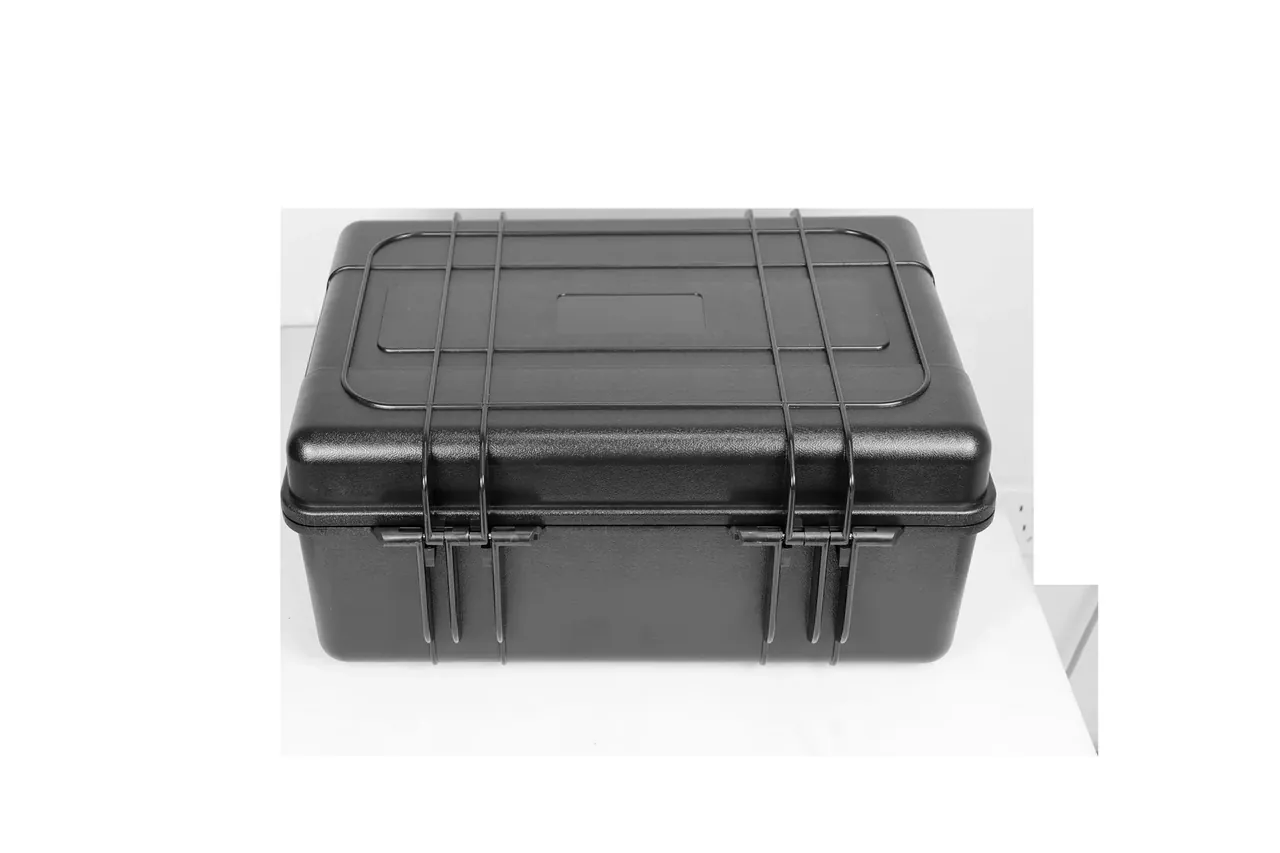
Marking occupies three places: the front recess for the main plate, a side strip for batch and date, the lid top for destination. A recess keeps the plate below the surface.
Four fields read best: type, batch, date, next inspection. Moulded or laser text lasts; barcodes need weather-resistant stock. A label on the stacking surface is gone after one lift.
5. Test and acceptance: five tests, two usually skipped
Acceptance covers drop, stack, vibration, seal and humidity cycling. Drop runs on corner, edge and face; stack converts service height and storage period into a load; seal is read as pressure drop. Humidity cycling is cut most often, being hardest to repeat on site.
Two more are commonly missed: re-test after refurbishment, and marking durability. A box with a new gasket should still be sampled for seal and stack, and its marking wiped and salt-sprayed.
Conclusion
A standard is worth what its three layers close: structure sets the floor, testing the evidence, marking the trail. When specifying ammunition and nuclear ordnance boxes, ask where the points are drawn and the nameplate pocket sits.
This article discusses the case body only: interior, load points, handling features, marking and fixing. It does not cover any operation or filling of the contents.
Related Reading
- How an ammunition and nuclear ordnance box body is built
- military-chemical-agent-container-standards
- container-ammunition-fiber-explained
- Grenade Transport Case and Storage Box: Retaining and Cush…
Related Products
- 8 Series — Gun Cases; Military Equipment Cases; Camera Equipment Cases; Drone Cases; Watch Cases; Knife Cases; First Aid Cases; Electronics Equipment Cases
- WL8-2812 PP Gun Case — model WL8-2812
- All protective cases and toolboxes: 7 series, 158 models