

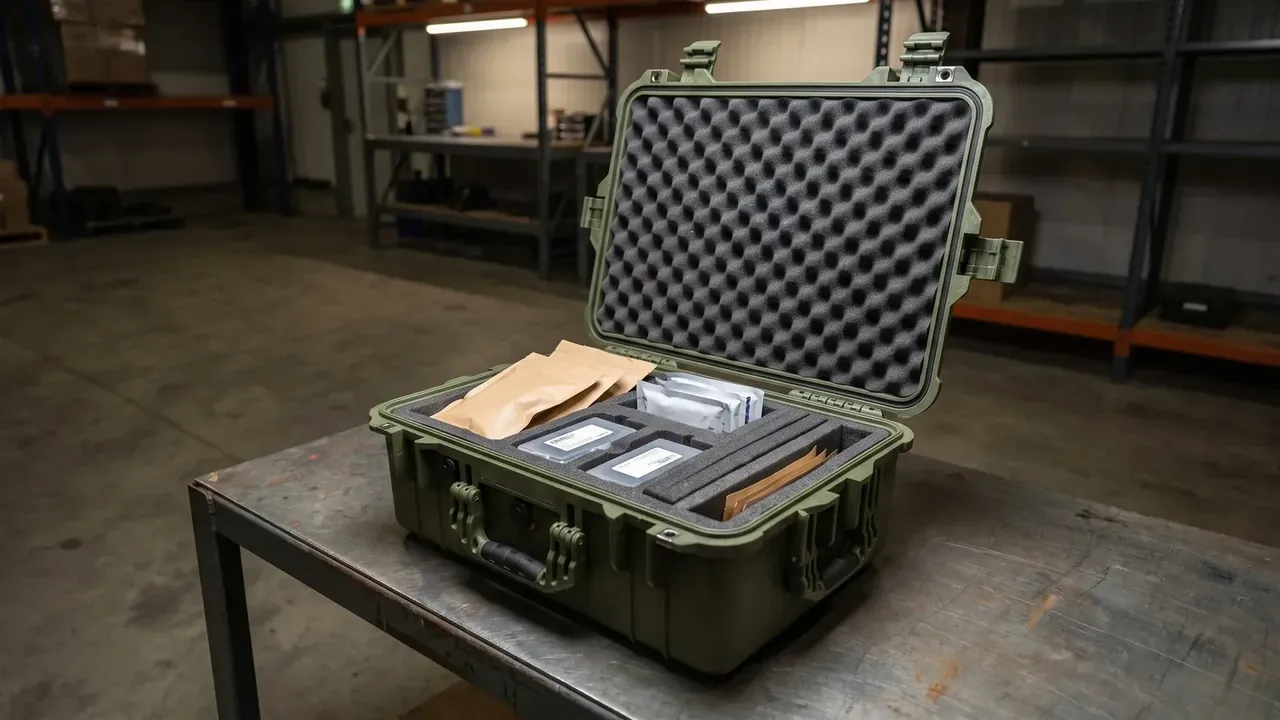
Quick answer: A 58 CNY case splits into six lines: 31.9 material, 10.44 labour, 2.9 tooling, 3.48 packaging, 4.06 overhead, leaving 5.2 CNY of profit at 9%.
Table of contents
- Cutting the six lines
- Material at 45–55%: kilos first
- Labour at 12–18%: hours per case
- Tooling, packaging and overhead
- Step-down pricing and the 3–5% trigger
- The three lines a quote cannot fill
- FAQ
1. Cutting the six lines
A quote saying only 58 CNY cannot be negotiated. Split six ways: 31.9 material, 10.44 labour, 2.9 tooling, 3.48 packaging, 4.06 overhead, totalling 53.8 CNY and leaving 5.2 CNY of profit at 9%.
The order matters. Material comes first because it holds 45% to 55% and a scale plus a price list can verify it. Labour follows at up to 18%, the ceiling that keeps assembly visible. Tooling, packaging and overhead add 13% to 19% and are the lines most often folded into one vague number; profit sits last at 8% to 12%.
A case cost breakdown does not get 58 CNY right to the cent; it shows which line sits outside its band. Material at 38% means weight was cut, labour at 25% means a loose process, overhead at 12% means profit hides inside a fee.
2. Material at 45–55%: kilos first
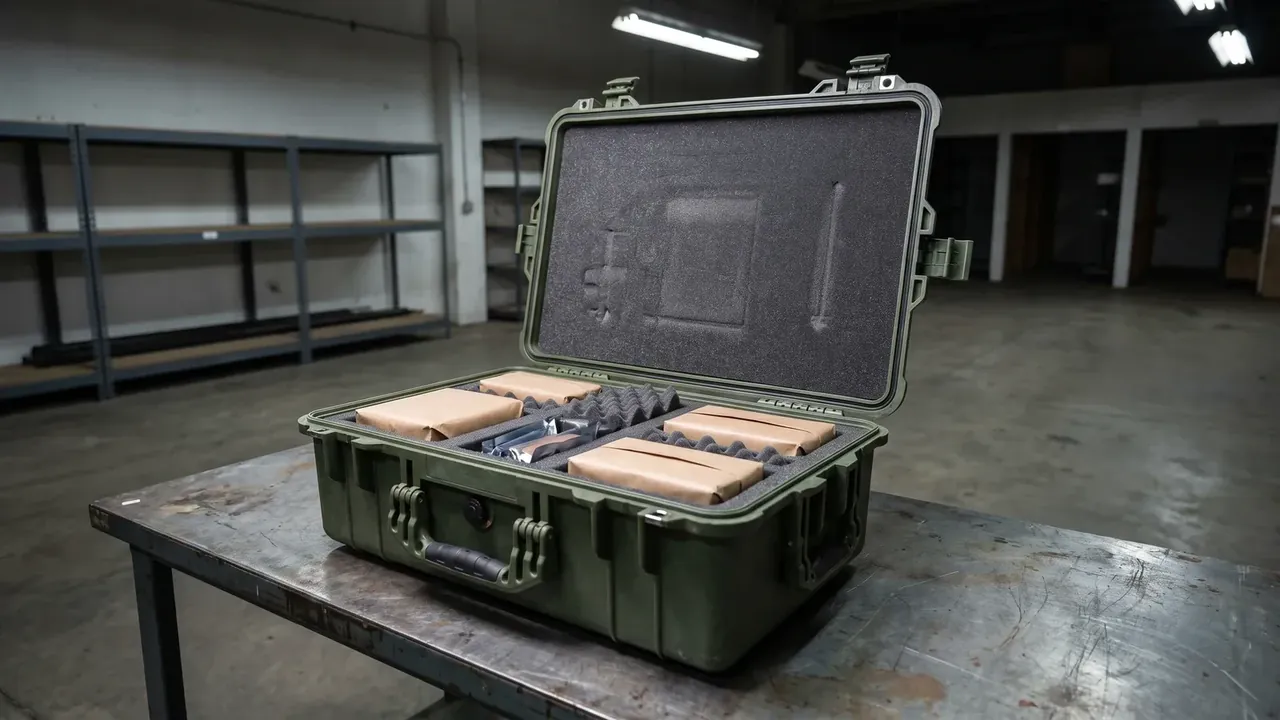
Material has one formula: weight times price, plus scrap. A 3.4 kg case at 9.25 CNY per kg gives 31.45 CNY, and 1.5% for runners and start-up scrap adds 0.47 CNY for 31.9 CNY.
Per kilo and per case must convert both ways. A supplier quoting 17 CNY per kg turns 3.4 kg into 57.8 CNY, within 0.2 CNY of the quote, and 3.6 kg into 61.2 CNY at the same rate.
| Weight per case | Blended rate | Cost per case | Versus 3.4 kg |
|---|---|---|---|
| 3.2 kg | 17 CNY/kg | 54.4 CNY | −3.4 CNY |
| 3.4 kg | 17 CNY/kg | 57.8 CNY | Base |
| 3.6 kg | 17 CNY/kg | 61.2 CNY | +3.4 CNY |
| 3.8 kg | 17 CNY/kg | 64.6 CNY | +6.8 CNY |
Weight is easier to move than rate. A 0.2 kg difference is 3.4 CNY, or 5.9% of a 58 CNY case and twice the 1.74 CNY a 3% cut delivers, and a 1 g scale checks it: weigh five cases, take the median, ask whether runners count.
Scrap rate matters more than unit price. A claim of 1.5% is normal, 8% needs an explanation: either heavy start-up rejects or regrind priced in. Each extra point adds 0.32 CNY per case, or 7,680 CNY a year at 24,000 units.
3. Labour at 12–18%: hours per case
Labour is hours times rate. At 0.40 h per case, split into 0.05 h demoulding, 0.08 h trimming, 0.15 h assembly and labelling and 0.12 h packing, a rate of 26.1 CNY per hour gives 10.44 CNY, exactly 18% of 58.
Splitting hours by operation makes labour negotiable. Cutting stations from six to five saves 1.7 CNY per case, while cutting the hourly rate from 26.1 to 24 CNY saves 0.84 CNY, so ask about motions rather than wages.
Changeover spreads in too. On 1,200 units, 1.5 h with four people adds 0.005 h per case, or 0.13 CNY; at 300 units it becomes 0.02 h and 0.52 CNY, lifting labour from 18% to 19%.
4. Tooling, packaging and overhead
Tooling amortisation is the only line with a clock on it. A 120,000 CNY mould over 40,000 cases costs 3 CNY each, 5.2% of 58, and over 20,000 cases 6 CNY, 10.3%. Negotiate the base, not the amount.
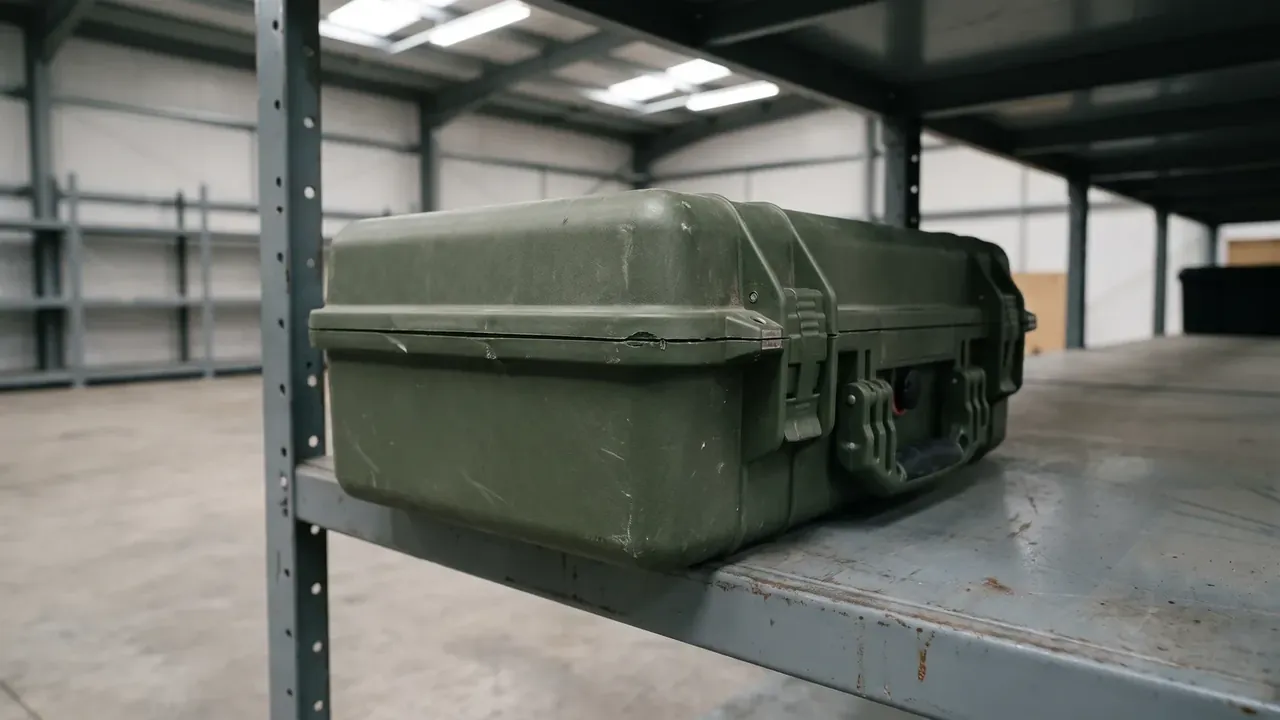
Packaging looks small and holds 4% to 6%. The 3.48 CNY comes from carton, lining and pallet: a pallet at 20 cases over 8 trips costs 0.3 CNY, a five-ply carton 1.9 CNY, and arguments start with the lining at 0.6 CNY between EPE and moulded pulp.
Overhead is charged on material plus labour plus tooling, not on price. Those three add to 45.8 CNY, so 7% is 3.2 CNY; applying 8% to the 58 CNY price bills 4.64 CNY and collects 1.4 CNY extra at the same rate. One question about the basis usually brings a recalculated quote.
5. Step-down pricing and the 3–5% trigger
An annual reduction is not market sentiment; it is the shape of the cost curve. Fixed weight, fixed hours and a falling amortisation line produce 3% to 5%, and demanding 8% buys corner cutting.
| 12 month rolling volume | Reduction | Per case at 58 CNY | Annual saving |
|---|---|---|---|
| 12,000 cases | 3% | 1.74 CNY | 20,880 CNY |
| 24,000 cases | 4% | 2.32 CNY | 55,680 CNY |
| 36,000 cases | 5% | 2.90 CNY | 104,400 CNY |
The trigger runs on a rolling 12 months, not a calendar year. Calendar years invite a year-end push and a January reset, and suppliers hold the discount until the fourth quarter.
Write it as no volume, no reduction, no back-payment. Back-payment only persuades the supplier to add 2% in January, which the buyer funds. Take the cut as a unit price rather than a rebate: 4% at 24,000 cases is 4,640 CNY a month.
6. The three lines a quote cannot fill
The first is weight and scrap left joined. A quote saying material is 32 CNY without weight, rate and scrap cannot be checked, and the three numbers usually arrive within one working day of asking.
The second is an unwritten amortisation base. Tooling at 3 CNY per case means 40,000 cases or 20,000, and the difference is 3 against 6 CNY. Base, term and treatment after it belong on the quote.
The third is overhead charged on price, which charges overhead on profit as well and produces the 1.4 CNY gap. Move the basis to material, labour and tooling and the quote loses weight at once.
If one of the three cannot be filled, the quote is not comparable. That is the value of a case cost breakdown: not beating a supplier down, but putting two quotes on one basis.
Conclusion
A case cost breakdown settles into a six-line table reused every year, not a discount won once. Check material at 3.4 kg and 9.25 CNY per kg for 31.9 CNY, labour at 0.40 h and 26.1 CNY per hour for 10.44 CNY, tooling at 120,000 CNY over 40,000 cases for 3 CNY, packaging at 3.48 CNY and overhead at 7% of cost for 3.2 CNY. With six lines filled, profit surfaces on its own: 5.2 CNY on 58 CNY, 9%, inside the 8% to 12% band. Three actions follow: get weight and scrap to one decimal place, write the base onto the quote, and move overhead from price to cost. Where the table cannot be filled, ask for numbers before asking for price.
| Line | Normal band | At 58 CNY | The question to ask |
|---|---|---|---|
| Material | 45–55% | 31.9 CNY | Weight, rate and scrap, each to one decimal |
| Labour | 12–18% | 10.44 CNY | How the hours split by operation |
| Tooling | 3–5% | 2.9 CNY | Where the base and term are written |
| Packaging | 4–6% | 3.48 CNY | How lining and pallet are spread |
| Overhead | 6–8% | 4.06 CNY | On cost or on price |
| Profit | 8–12% | 5.2 CNY | What is left after the other five |
This article discusses container-side specifications and design implications only, and does not cover any handling, loading or use of the contents.
Related Reading
- Line by line case cost structure
- Six items in a case mould enquiry
- Price gap between 200 and 2000 units
- Exchange rate clauses in export quotes
- Five year cost of ownership for a case
Related Products
- 8 Series — Gun Cases; Military Equipment Cases; Camera Equipment Cases; Drone Cases; Watch Cases; Knife Cases; First Aid Cases; Electronics Equipment Cases
- WL8-2812 PP Gun Case — model WL8-2812
- All protective cases and toolboxes: 7 series, 158 models