

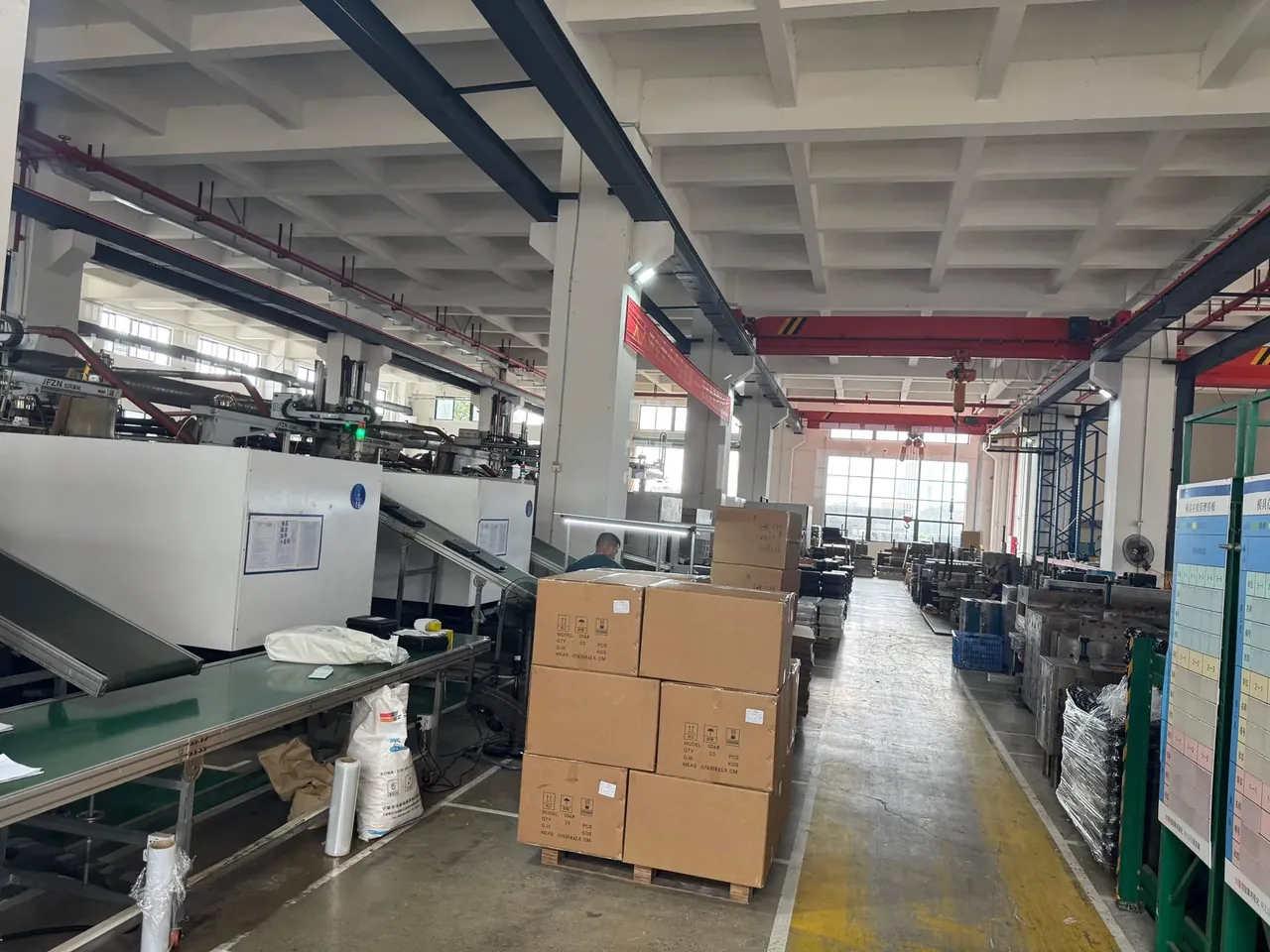
Quick answer: Case annual retest splits twelve items three ways: six every 12 months, five after a change, one carried over, at about 35% of a full programme.
Table of contents
- Sorting twelve items into three tiers
- Structural items follow design change
- Material items follow supplier change
- Protection and hardware: annual IP, coatings by batch
- FAQ
1. Sorting twelve items into three tiers
The first move in case annual retest is not a lab question but a sorting one: does this data expire with time, or only with a change? Time-driven items go to must-do, change-driven items to trigger, the rest to carry-over.
The split lands at 6 must-do, 5 trigger, 1 carry-over. Everything in must-do touches an elastomer or a moving part: gaskets take compression set, latches and hinges wear, handles fatigue, labels lift.
| Tier | Items | Count | Trigger |
|---|---|---|---|
| Must do | Dimensions and wall, latch and hinge fatigue, handle static load, gasket compression and hardness, IP spot check, marking | 6 | Every 12 months |
| Trigger | Drop, stacking, RoHS, REACH, coating salt spray | 5 | Design, formulation or plating batch change |
| Carry over | Flame rating | 1 | Material grade unchanged |
Carry-over is not neglect. Flame rating is retested only when the grade changes; with the grade untouched the old file is the original record, and repeating it buys the same data at 30% of a full programme.
2. Structural items follow design change
Drop and stacking are structural, so the only trigger is a design change: wall from 3.0 mm to 2.5 mm, ribs from 4 down to 3, a corner radius from R10 to R25. Each one moves the load path.
Repeating a drop test yearly on an unchanged structure is the commonest waste in the file. One mould can run 36 months with the same wall, ribs and latch pockets, and drop data does not expire on a calendar. Read the change note, not the date.
One change never reaches the change note: a new mould. A second tool shifts parting line, gate and cooling, so stress moves and both tests restart even when no drawing dimension changed.
Engineering assessment replaces retesting only when the scope is written down. Three cases qualify: wall reduced by no more than 5%, ribs shifted by no more than 10 mm, colour or texture change, signed by the design lead with a load-path comparison and 3 years of drop records. Three do not: latch pocket relocation, corner radius change beyond 5 mm, and a load mark rising from 25 kg to 40 kg, because stress concentration moves upward.
3. Material items follow supplier change
Material items follow the supplier. RoHS and REACH conclusions hang on the formulation, so an unchanged compound keeps its report, while a new compounder counts as a new formulation even when the grade designation reads the same.
Write the triggers down or every review becomes a judgement call: a new base grade, a new flame retardant or masterbatch supplier, or regrind rising from 10% to 25%. The third slips through most often, since more regrind shifts heavy metal and brominated residue levels.
A masterbatch change alone allows 3-batch spot testing: 3 cases per batch, one 10 g sample each from wall, lid and latch pocket, combined into one composite sample. After 3 conforming batches the fourth returns to the normal rhythm.
4. Protection and hardware: annual IP, coatings by batch
Protection follows time. The IP rating is the one item measured every year because it hangs on the gasket, and the gasket ages through compression set: 1 sample, IP6X plus IPX7, 5 working days.
Coating follows the batch. Draw 3 parts from one plating batch for 48 h of neutral salt spray; a new bath, jig or plater starts a new batch, so four batches a year means four tests. Two must-do items can move in-house, dimensions and handle load, given calibrated equipment and 1 external comparison a year inside 5%.
Report citation belongs in the acceptance clause: a new report names the original number and date on page one, with the covered scope in the remarks. Buyers check the number traces back, the covered items match this year's change notes, and the sample photos match the lot.
Conclusion
The case annual retest budget belongs to trigger conditions, not item counts. Put the 6 must-do items on a 12-month plan with 1 IP sample over 5 working days, hang the 5 trigger items on the change process so whoever changes it retests within 30 days, and let the carry-over item switch tiers when the grade changes. Then run three checks: new entries on the change note, new suppliers or plating batches, gasket stock past 24 months. No change in all three and the report stands.
| Trigger event | Items to redo | Substitute | Validity |
|---|---|---|---|
| Wall or rib change | Drop, stacking | Assessment plus 1 sample | 12 months |
| New mould | Drop, stacking | None | 12 months |
| New base grade or higher regrind | RoHS, REACH | None | 12 months |
| Masterbatch change only | RoHS, REACH | 3-batch spot test | 12 months |
| New gasket supplier | IP rating | None | 12 months |
| New plater or bath | 48 h salt spray | Coupon test, same process | 6 months |
| Colour change only | None | Engineering assessment | Carry over |
This article discusses container-side specifications and design implications only, and does not cover any handling, loading or use of the contents.
Related Reading
- AQL 2.5 sampling and accept-reject limits
- UN transport certification and package marks
- What a transport test report contains
Related Products
- 8 Series — Gun Cases; Military Equipment Cases; Camera Equipment Cases; Drone Cases; Watch Cases; Knife Cases; First Aid Cases; Electronics Equipment Cases
- WL8-2812 PP Gun Case — model WL8-2812
- All protective cases and toolboxes: 7 series, 158 models