

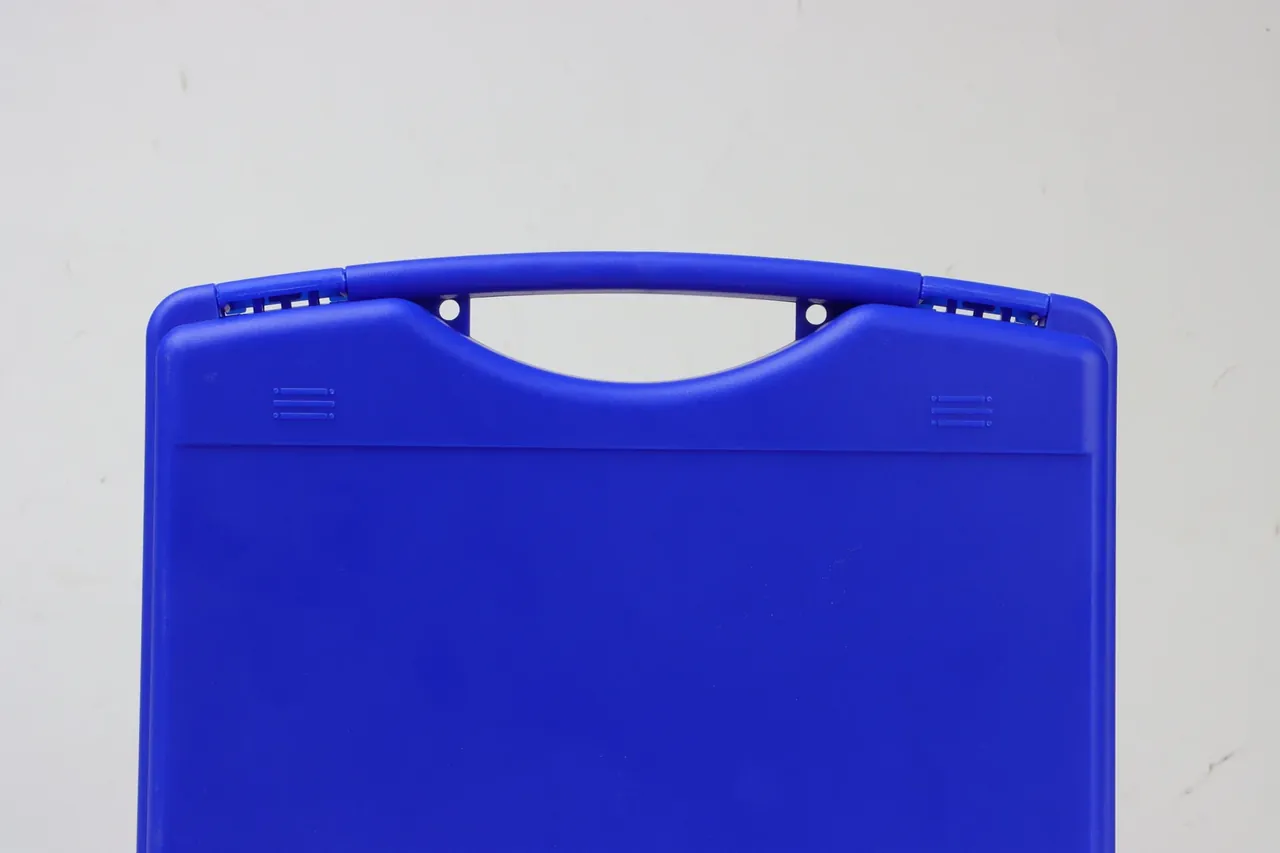
Quick answer: AQL 2.5 turns a batch of 800 into 80 sampled pieces with Ac 5 / Re 6, at 0.12 USD per case, while checking all 800 costs 1.12 USD each.
Table of contents
- Batch Size First, Then the Sampling Number
- AQL 2.5 in Practice: 80 Pieces from 501 to 1200
- Six Checks and Their Limits
- Cost of 100% Inspection and Three Cases For It
- Six Columns of the Inspection Report
- Re-inspection and Disputes
- FAQ
1. Batch Size First, Then the Sampling Number
The same plan reads differently at 480 pieces and at 520: one lands on 50 samples, the other on 80. Forty extra cases buy 30 extra samples, and minutes per case climb from 0.104 to 0.154.
So the first line is not an AQL value but the batch band, fixed at general inspection level II. Cross a band and the sample steps up, which moves both the price and the delivery date.
| Batch (pieces) | Sample (pieces) | Ac | Re | Minutes per case |
|---|---|---|---|---|
| 151–280 | 32 | 2 | 3 | 2.4 |
| 281–500 | 50 | 3 | 4 | 1.5 |
| 501–1200 | 80 | 5 | 6 | 0.9 |
| 1201–3200 | 125 | 7 | 8 | 0.6 |
The usual loophole: a supplier quotes a 500-piece lot and ships 620, keeping the sample at 50 and Ac 3 / Re 4, which lowers the bar.
2. AQL 2.5 in Practice: 80 Pieces from 501 to 1200
In the 501 to 1200 band, AQL 2.5 means 80 samples with Ac 5 / Re 6: five defectives or fewer pass the batch, six reject it.
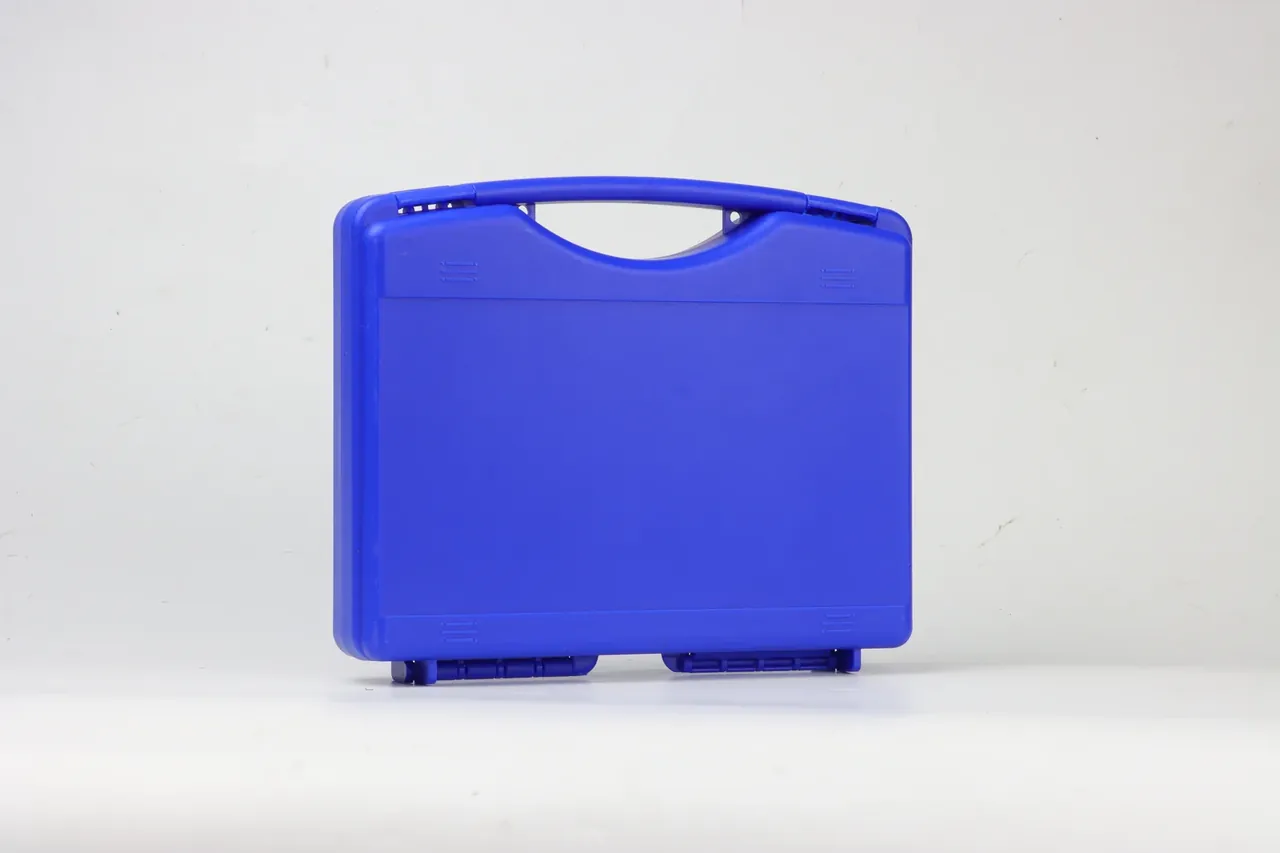
The 2.5 is not a ceiling on one batch but the acceptance limit across a supply history. A lot running 2 percent bad draws six or more from 80 pieces about 0.6 percent of the time, so 99.4 percent pass. At 5 percent bad the figure is 21 percent, meaning 79 percent still get through.
Tightening a single batch means a stricter level or a lower value, for example AQL 1.5, which lands on Ac 3 / Re 4 in the same band.
3. Six Checks and Their Limits
Whether the plan carries limits decides whether a dispute has anything to stand on. Only the drop test destroys samples.
| Check | Method | Limit | Samples |
|---|---|---|---|
| Appearance | Visual, 600 mm, 1,000 lx, 10 s | No deep score, colour ΔE ≤1.5 | 80 |
| Dimensions | Calipers at three points | ±2 mm on length, width, height | 5 |
| Latch force | Push-pull gauge, straight closure | 180 N to 260 N | 5 |
| Seal | 0.3 mm feeler around the rim | Feeler does not enter | 5 |
| Air tightness | 0.3 bar held for 60 s | Drop ≤0.05 bar | 5 |
| Drop | 1.2 m, six faces, three edges, one corner | No crack, latch stays shut | 3 |
Appearance starts most arguments: with no gauge for scratch depth, use three numbered limit plates and judge against the plate.
Latch force is a window, not a floor: below 180 N the lid will not seat, above 260 N one hand cannot close it.
4. Cost of 100% Inspection and Three Cases For It
For 800 cases, full inspection at 2.1 minutes each is 28 hours, or 896 USD, which is 1.12 USD per case. Sampling 80 pieces plus five airtightness tests takes 3.1 hours and 99 USD, or 0.12 USD per case, a 9.3 times gap.
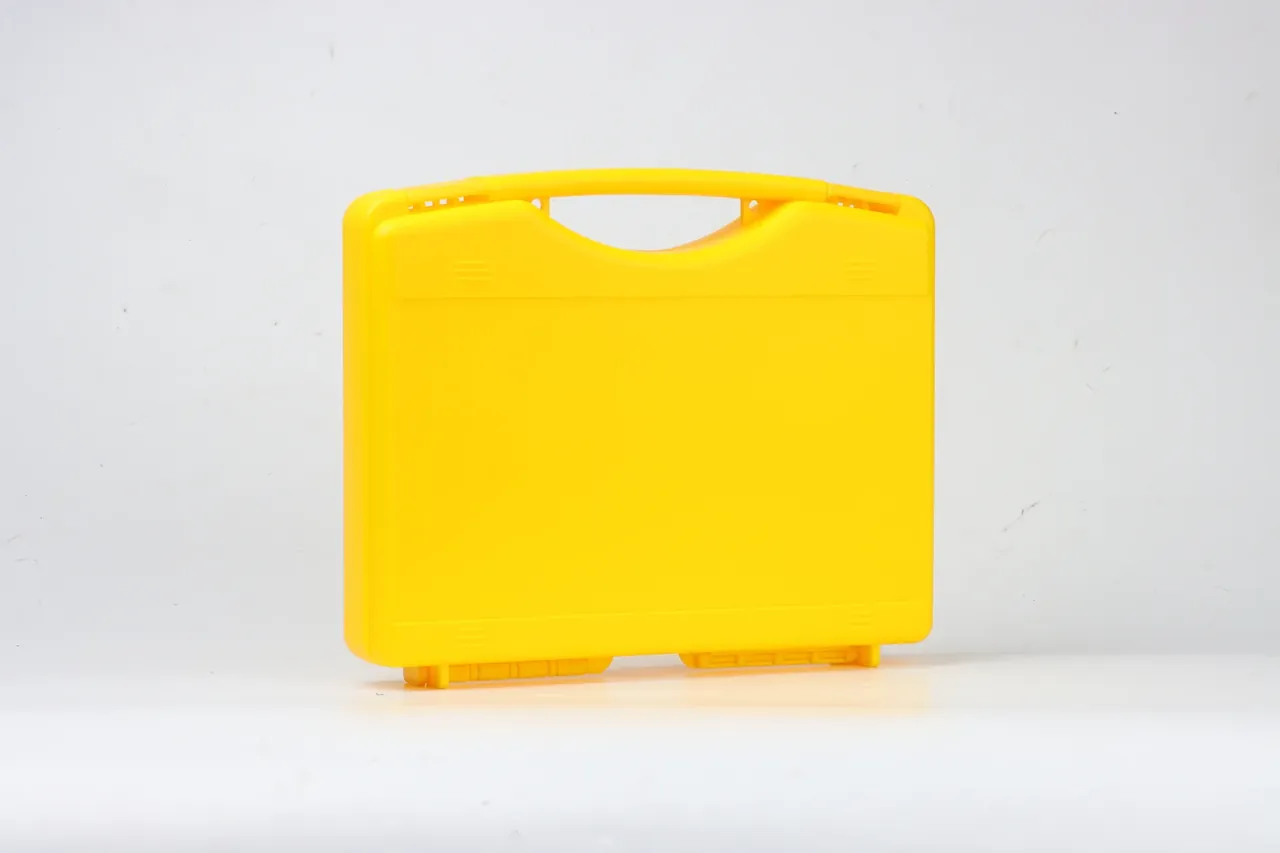
| Item | 80 samples | All 800 |
|---|---|---|
| Inspection hours | 3.1 h | 28 h |
| Labour | 99 USD | 896 USD |
| Cost per case | 0.12 USD | 1.12 USD |
| Destructive drops | 3 pieces | 6 pieces |
Full inspection is not zero-escape either: after four hours the visual miss rate rises to 3 percent, so 800 pieces may release 12 to 24 defectives, while sampling lets at most five through.
Those cases: custom cases above 200 USD, models with a complaint rate above 1.5 percent, and the first 200 pieces of a new tool.
5. Six Columns of the Inspection Report
A report without the sample size cannot be recomputed, and a result that cannot be recomputed cannot be reviewed. Six columns: batch and sample size, defect class, verdict, raw readings, photo numbers, signature and date.
Class defects as critical, major or minor. Critical means the protective function fails, such as an airtightness drop above 0.05 bar, where one piece rejects the batch. Each class runs its own Ac / Re, never pooled.
Raw readings are recorded as measured: 212 N, 228 N, 196 N beats three ticks. Photo numbers must match report numbers, one shot each for case, defect and gauge reading, and two signatures close the report.
6. Re-inspection and Disputes
Fix the rule before the first rejection. The common form doubles the sample to 160 at Ac 10 / Re 11, covering the failed item plus appearance, never a second drop test.
Two consecutive rejections on one check return the batch, with no third attempt.
Disputes go back to retained samples: 3 pieces sealed for 90 days, whose score, colour and latch force are the reference; the responsible side pays.
Conclusion
The cost gap in an inspection plan comes from the sample size and the batch band, not from inspector speed. Four checks settle it: whether the sample follows the batch band; whether Ac and Re run per defect class; whether full inspection is reserved for cases above 200 USD, models above a 1.5 percent complaint rate and the first 200 pieces; and whether re-inspection steps, retention and cost allocation sit in the contract. Get all four right and the plan blocks defects without paying for checks nobody needs.
Related Reading
- Sampling plans at the custom case acceptance stage
- Waterproof testing on arrival
- Sampling ratios for whole-batch arrival
- Inspection demands in military supply chains
Related Products
- 8 Series — Gun Cases; Military Equipment Cases; Camera Equipment Cases; Drone Cases; Watch Cases; Knife Cases; First Aid Cases; Electronics Equipment Cases
- WL8-2812 PP Gun Case — model WL8-2812
- All protective cases and toolboxes: 7 series, 158 models