

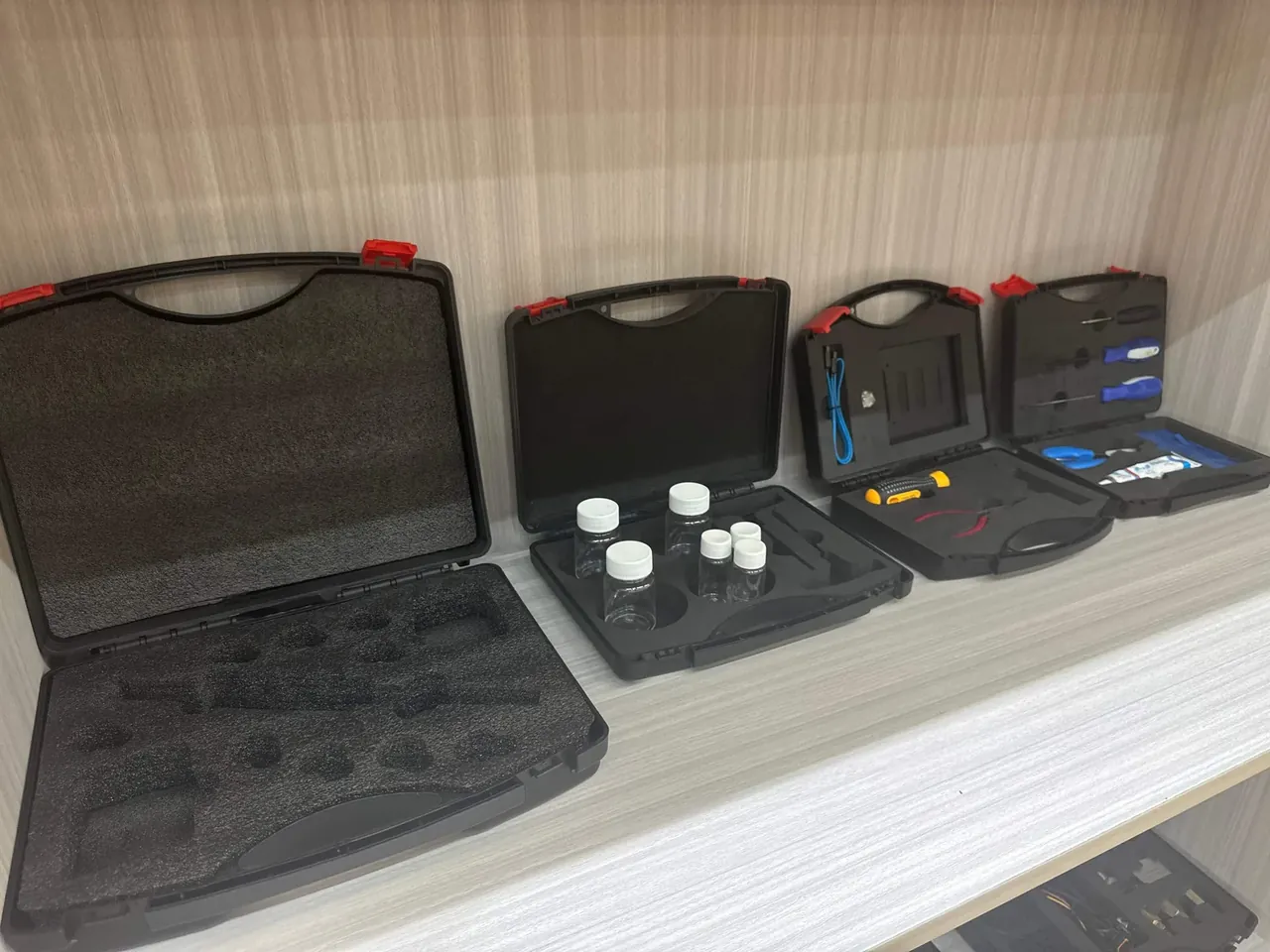
Quick answer: Case arrival damage is settled by three measurable lines: dent-to-damage alignment, stack height above five layers, and a 24 h photo window.
Table of contents
- Dents first, then the case
- Five layers and the 0.8 m drop
- Three decision lines
- Twelve-millimetre boards and ISPM 15
- Three parties, four actions
- FAQ
1. Dents first, then the case
A 300-case shipment landed with three carton dents and seven broken cases, a damage rate of 2.3%. The dents sat on the lid face and the two side flutes, 3–5 mm deep, and every crack on those seven cases fell within 20 mm of the same side of the lid. That alignment is the whole argument: the load came down from above.
Dent shape says more than dent count. A dished lid centre means weight from the layer above, a bright vertical stripe on a flute means clamping, and a crushed corner with paper dust means the carton was thrown somewhere along the route.
| Dent | Depth | Case damage | Load direction | Check first |
|---|---|---|---|---|
| Lid centre dished | 3–5 mm | Lid sags | Top down | Stack height, pallet |
| Side flute stripe | 2–4 mm | Wall bulges, latch offset | Side squeeze | Clamping, crowding |
| Corner crushed | Over 5 mm | Corner broken | Angled impact | Drop and throw record |
| Carton clean | 0 | Lid or base cracked | No external load | Wall, foam fit |
A clean carton over a broken case moves the accounting. Wall thickness, foam contact and latch preload surface instead, and the evidence request goes to the case rather than the freight lane.
Two tools settle the step: a caliper for depth, a phone for the photo.
2. Five layers and the 0.8 m drop
Stacking is the first suspect. A 21 kg case stacked five high loads the bottom unit with 84 kg, which across a 600 mm × 400 mm footprint is 3.43 kPa, mild until polypropylene creeps at 40 ℃ for 30 days.
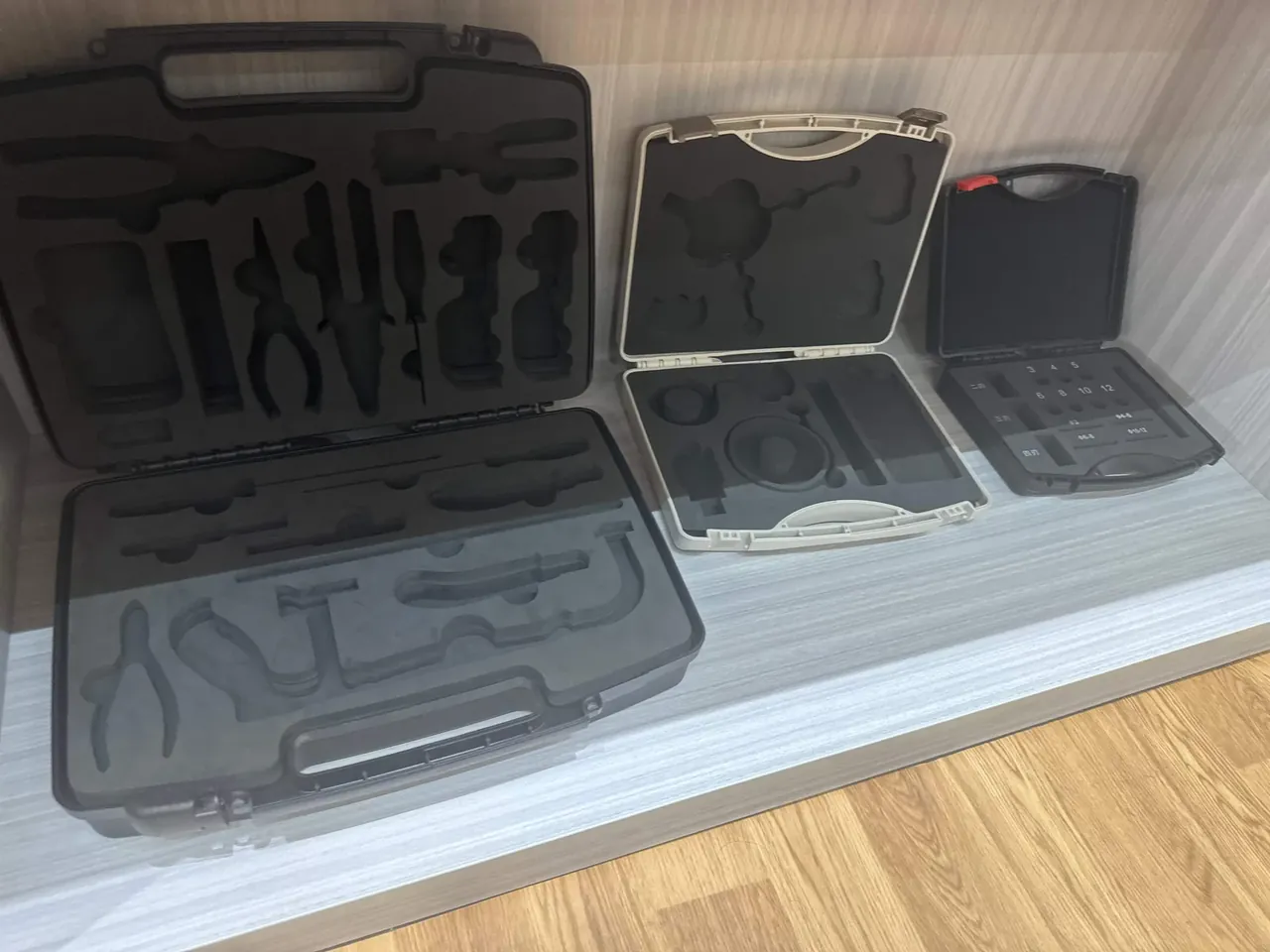
The mismatch is usually pallet against manifest: four layers built, five declared, and the extra layer leaves the dent.
A drop takes another path. From 0.8 m the carton lands at 3.96 m/s, and the impact is over in 3–5 ms on one corner.
Traces differ. Stack damage dishes the lid 2–3 mm while the latches still close; a dropped case whitens at the corner, shifts a latch 1–2 mm and needs a push before the lid seats.
| Layers | Bottom load | Surface load | Usual result | Action |
|---|---|---|---|---|
| 3 | 42 kg | 1.71 kPa | No visible set | Keep |
| 4 | 63 kg | 2.57 kPa | Slight lid sag | Add boards |
| 5 | 84 kg | 3.43 kPa | Lid sags, dents | Change pallet |
| 6 | 105 kg | 4.29 kPa | Latches fail | Do not ship |
Three numbers must agree: stack height on the list, layers on the pallet, usable rack height.
Splitting liability is why the load path is worth recording. Dent and crack both on the lid mean the stack exceeded its limit and the packer owns the pattern. A dent on a corner with a shifted latch means a drop and the carrier owns handling. No dent at all with a cracked shell means the case or its foam does not match the load. Write down dent position, dent depth and crack origin before anyone concludes.
3. Three decision lines
The measurements collapse into three lines that fit on a receiving form.
Line one, the dent: 3 mm or more and aligned points at packing and stacking; under 3 mm with a broken case points at the case itself.
Line two, the stack: five layers or more without boards fails the packing plan even when dents are shallow, because creep only shows up 30 days into the rack.
Line three, the clock: no photos within 24 h of signing and the burden moves to the receiver.
Order matters: dent, then stack, then clock.
A baseline keeps the lines honest. 2.3% is what this 300-case lot measured, and three lots above 2% in a row is a packing problem rather than bad luck.
4. Twelve-millimetre boards and ISPM 15
On a timber crate, read the IPPC stamp first. Compliant wood carries one stamp per side with a 2-digit country code, a 3-digit producer code and an HT mark; a missing stamp can stop the crate at the border and hands first liability to the shipper.
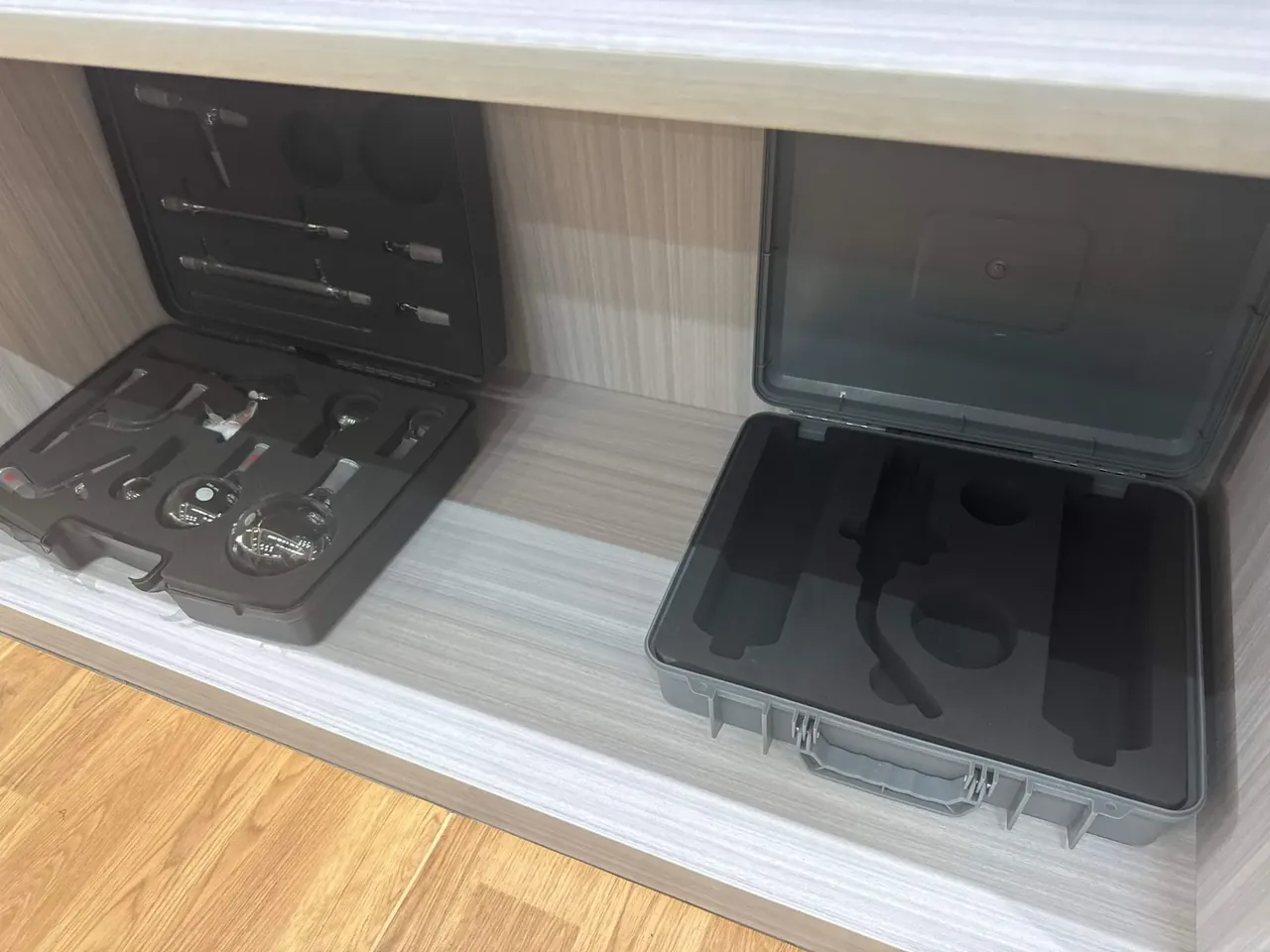
12 mm is the common export board. Measure three points and take the lowest: at 150 mm nail spacing a 12 mm board deflects about 4 mm under five layers, while a 9 mm board reaches 8 mm.
Read stamp and thickness together. A stamp over thin wood means a retreated second-hand crate; thick wood without a stamp means no heat treatment, and the border risk lands on the receiver.
Treatment holds the core at 56 ℃ for 30 min, which is invisible at the dock, so check stamp legibility, moisture under 20% and torn grain at the nails.
A crate opened before fails first: pulled nails lose about 40% of their holding power when driven back.
5. Three parties, four actions
Each party owns a segment, and writing it down removes half the argument.
The shipper owns packing: stack height, pallet specification, board thickness and stamps, plus photos of foam against shell. The carrier owns handling: carton count, transfer records and a picture of the load in the trailer. The receiver owns the clock: unpacking photos, a count sheet and a remark on the delivery note.
| Party | Evidence to keep | Deadline | Cost of a gap |
|---|---|---|---|
| Shipper | Stack height, pallet, board, stamp | Before dispatch | Carries the packing fault |
| Carrier | Handover sheet, transfer, load photo | At handover | Handling damage unprovable |
| Receiver | Photos, count sheet, remark | 24 h after signing | Burden returns to buyer |
Four actions before signing. Stop: leave a deformed carton as found. Shoot: one close-up and one with the carton number per dent, six photos plus a 30 s clip. Count: segregate damaged units and count to 100%. Sign: write three dents, seven damaged cases, inspection pending.
Five documents make the file: the signed note, the dent photo pairs, the count sheet, the stamp photo with measured thickness, and the stack height with pallet specification.
Timelines run 24 h for photos, 48 h for the count sheet and claim schedule, 7 days for a decision on replacement, allowance or repair.
Conclusion
Case arrival damage ends on two sheets of paper: a dent-to-damage table and a three-party evidence split. Read four rows. A dished lid centre against a sagging lid points at stacking; a flute stripe against a bulging wall points at handling; a crushed corner against a broken corner points at a drop; a clean carton against a cracked shell turns the enquiry back to the case. Read three cells. The shipper supplies stack height, pallet specification and the stamp; the carrier supplies the handover sheet and the load photo; the receiver supplies photos inside 24 h and a 100% count. The three decision lines are the scale: a dent of 3 mm that aligns, a stack of five layers with no boards, a file older than 24 h. Leave any cell empty and the claim settles at an allowance instead of full liability. Copy the table onto the receiving form, and case arrival damage becomes paperwork rather than argument.
This article discusses container-side specifications and design implications only, and does not cover any handling, loading or use of the contents.
Related Reading
- ISPM 15 treatment and wood packaging marks
- Export packaging standards and acceptance
- Batch incoming inspection and judgment
- Drop test sequence and pass criteria
Related Products
- 8 Series — Gun Cases; Military Equipment Cases; Camera Equipment Cases; Drone Cases; Watch Cases; Knife Cases; First Aid Cases; Electronics Equipment Cases
- WL8-2812 PP Gun Case — model WL8-2812
- All protective cases and toolboxes: 7 series, 158 models