

Quick answer: An automation commissioning engineer tool box stacks three trays at 45, 55 and 70 mm, carries 8 kg per layer and holds sag under 1.2 mm after 5,000 pulls.
Table of contents
- Layering Inside an Automation commissioning engineer tool box
- Load Split Across the Three Pull-Out Trays
- Cable Coiling in Its Own Layer
- Laptop Slot and One-Handed Opening
- Layer Heights Set for Commissioning Crews
- FAQ
1. Layering Inside an Automation commissioning engineer tool box
An automation commissioning engineer tool box should show all three trays at a glance while one hand stays free on a ladder. Drawings, a multimeter, crimpers and spare terminals belong within reach of two layers.
Layering is not an even cut into thirds; it follows how often a tool is taken out. The lid side carries the laptop and drawings, the middle tray holds hand tools, and the bottom tray takes cables and heavy parts, keeping the centre of mass low.
Outer size is 460×350×210 mm with a 415×305×170 mm cavity and 4.2 mm walls. Polypropylene shrinks 1.5% to 2.5% during moulding, so tray dimensions carry the upper figure as allowance and the 30 to 60 mm band is held to ±0.2 mm.
An empty case weighs 3.2 kg, so tray walls run 2.2 mm with two 8 mm ribs; stiffness comes from the ribs, not a thicker floor.
| Layer height tier | Clear height | Usual contents | Draw frequency |
|---|---|---|---|
| Shallow | 45 mm | Terminals, screw boxes, markers | Several times an hour |
| Middle | 55 mm | Crimpers, strippers, multimeter | A few times an hour |
| Deep | 70 mm | Cable coils, power adapters | A few times a shift |
2. Load Split Across the Three Pull-Out Trays
Each layer is rated 8 kg, so three come to 24 kg, more than seven times the empty weight. The deep tray goes at the bottom, the shallow one on top, and heavy items sit toward the hinge so the moment arm stays short when pulled out.
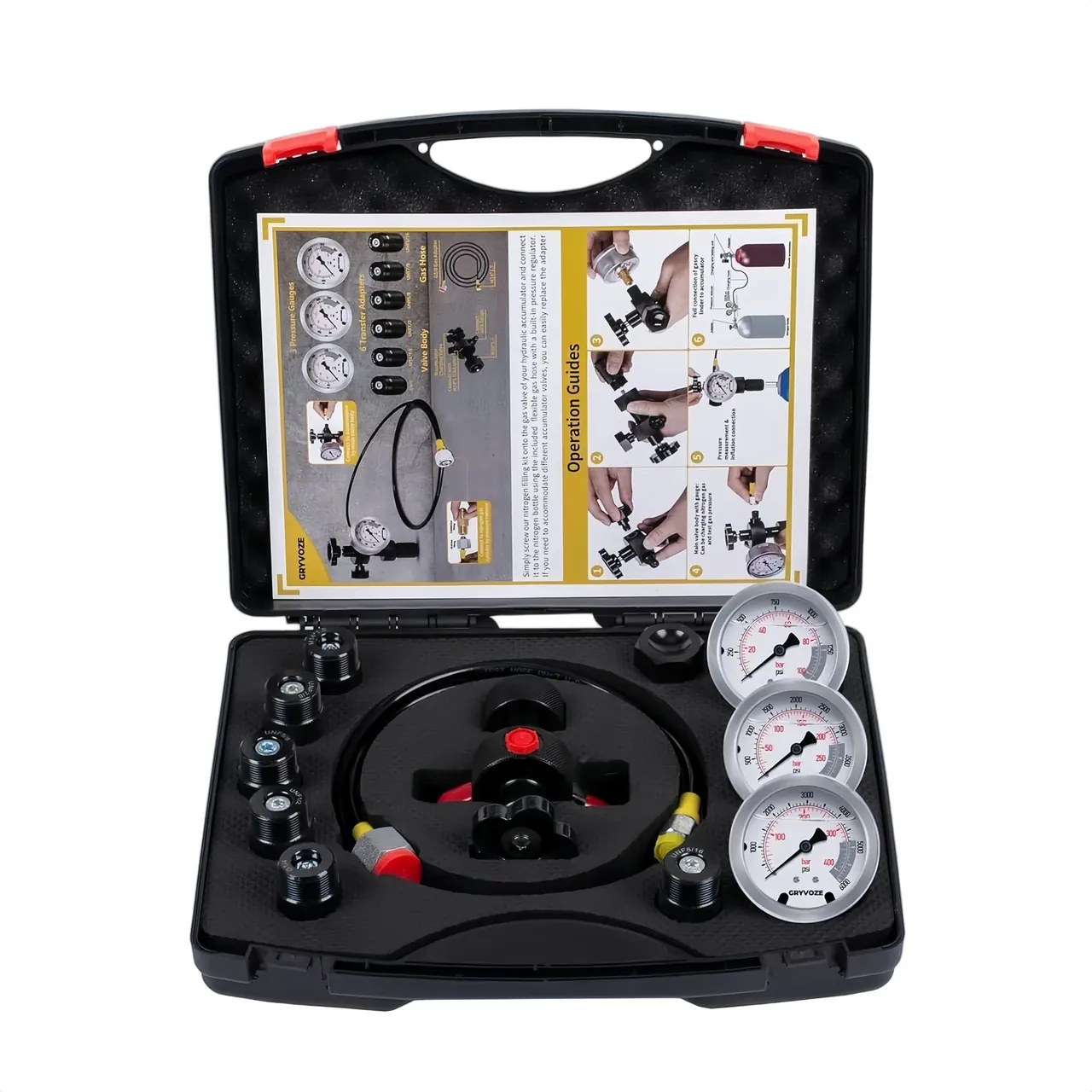
Load all three at 8 kg and the top tray carries the largest overturning moment, sitting farthest from the support. An automation commissioning engineer tool box keeps the upper layer near 5 kg and leaves the rest to the middle and bottom, a structural choice rather than habit.
Steel ball-bearing slides are commonly rated 50,000 cycles, while a moulded plastic tray runs on a moulded channel with no rolling elements and is designed for 5,000. The two are not comparable, yet plastic wins because weight and cost must stay down.
| Pull cycles | Sag | Channel state | Action |
|---|---|---|---|
| 1,000 | 0.3 mm | No debris | Normal use |
| 3,000 | 0.7 mm | Edges slightly polished | Light silicone grease |
| 5,000 | 1.2 mm | Fine powder in channel | Replace the tray |
Sag is measured under full load, since an empty tray tells nothing. Read at the midpoint of the front edge with a depth gauge resting on the case rim, pull the tray to two-thirds of its travel, and repeat three times for the maximum.
A load check sets 8 kg steel weights at the front, middle and rear of the tray floor and records the largest reading. The drawing of an automation commissioning engineer tool box states loaded sag only; empty readings never reach the acceptance sheet.
3. Cable Coiling in Its Own Layer
The cable layer of an automation commissioning engineer tool box sits at the bottom with 70 mm clear height, split into three slots for Ethernet, mains and signal leads.
Coil radius follows ten times the cable diameter. A Cat 5e lead of about 6 mm needs at least 60 mm. The 305 mm slot takes six to eight turns. The tail is held with hook-and-loop tape rather than a knot. Loops stay loose in the slot. Nothing is cinched down.
The divider stands 10 mm below the coil so the lid liner presses lightly on the bundle in transit, and lifts out in one piece for washing.
A 2 mm anti-slip mat under this layer raises friction so the coil cannot slide forward under braking.
4. Laptop Slot and One-Handed Opening
The lid of an automation commissioning engineer tool box holds a 340×250×30 mm slot for a 14-inch laptop and a folded A3 drawing. Four 15 mm lips at the corners keep the machine from sliding inside the lid.
Two latches at 320 N each sit on the front corners, so a thumb releases one and the palm lifts the lid. An automation commissioning engineer tool box is rated for 3,900 openings on a ø6 mm nylon hinge pin, which loosens rather than seizing.
With one hand on a ladder, the latches cannot sit on symmetrical points. Corner placement lets one hand release them in sequence, and the 120 mm gap fits a palm.
5. Layer Heights Set for Commissioning Crews
An automation commissioning engineer tool box keeps the shallowest tier that holds sag under 1.2 mm after 5,000 pulls, and anything thinner carries consumables only.
For an automation commissioning engineer tool box the rule ties height to life. The 45 mm tier deflects most at a full 8 kg, so it takes light parts; the 70 mm tier is stiff enough for cables and power supplies.
The mechanical checks go on the same sheet: three trays run full travel without binding, the lid gap stays within 1.0 mm, and the closed case is verified against IP65.
| Sag reading | Verdict | Action | Logging |
|---|---|---|---|
| Under 0.5 mm | Good | Normal use | Start of shift |
| Around 1.0 mm | Marginal | Limit load to 6 kg | Weekly recheck |
| Above 1.2 mm | Over line | Replace the tray | Withdraw from use |
Conclusion
An automation commissioning engineer tool box earns its keep through three sets of numbers rather than through layer count: 45, 55 and 70 mm layer heights split light from heavy, 8 kg per layer fixes what goes where, and 5,000 pulls against 1.2 mm sag decides how long the structure lasts. With those on the drawing, 3,900 openings and IP65 become testable.
Related Reading
Related Products
- 8 Series — Gun Cases; Military Equipment Cases; Camera Equipment Cases; Drone Cases; Watch Cases; Knife Cases; First Aid Cases; Electronics Equipment Cases
- WL8-2812 PP Gun Case — model WL8-2812
- All protective cases and toolboxes: 7 series, 158 models