

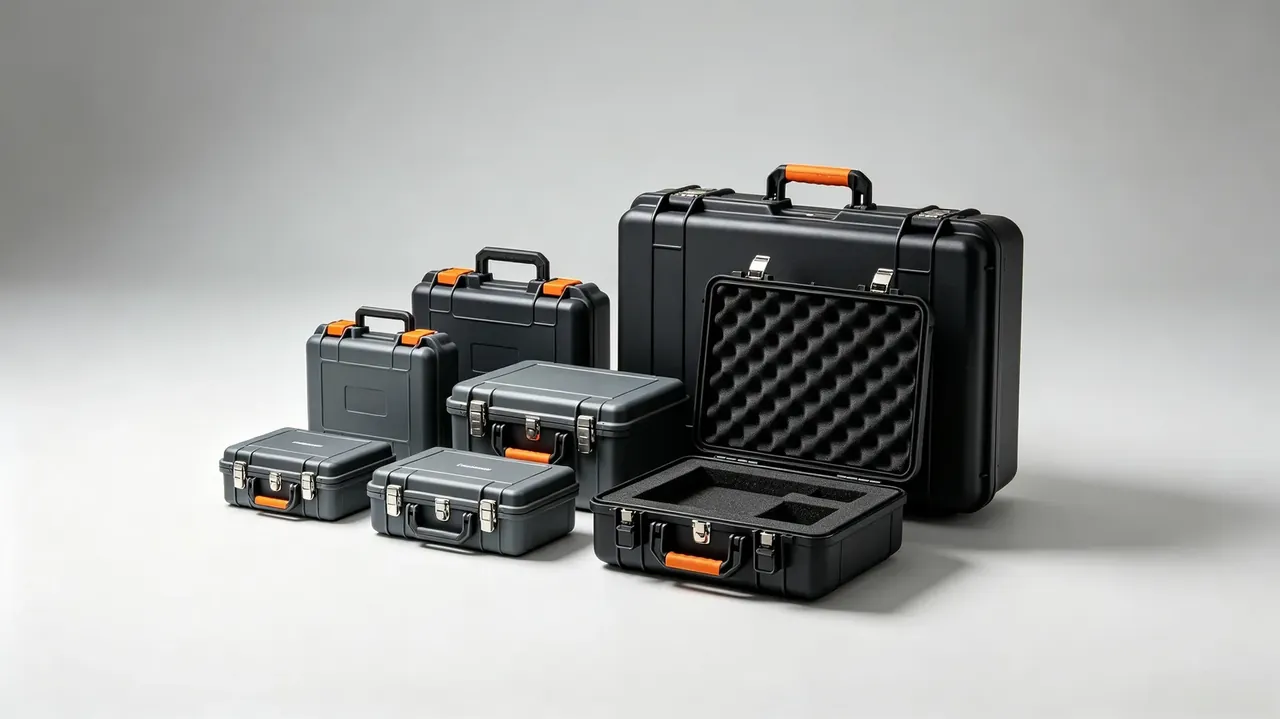
Quick answer: A case batch return starts with sampling, not money: 32 of 1,200 units, 5 failures, liability split 60/20/20 across design, production, transport.
Table of contents
- Opening 32 of 1,200
- Three decision lines
- Liability across three parties
- Four remedy combinations
- Freight, duty and the minimum fix
- FAQ
1. Opening 32 of 1,200
The 1,200 units sit on the receiving floor at a value of 460,000 yuan, or 383 yuan each. Before any remedy is discussed, they get sampled: 32 units drawn across 12 pallets, two or three per pallet, covering 4 production lots, so the top layer does not dominate the sample.
Grabbing a handful almost always reaches only the top layer, which holds the last packed lot while defects sit in the middle. Sampling without turning the pallets systematically understates the defect rate.
The criterion is AQL 1.0 with an acceptance number of 1 and a rejection number of 2. Five failures in 32 rejects the lot, and only at that point does a case batch return become a real conversation.
Sampling has to finish inside 48 hours. Later than that, the other side argues the damage came from double handling, and the photo timestamps stop persuading anyone. Every unit is numbered against the batch code on its base and photographed three times: overall, defect close-up, label.
Opening follows pallet order, not defect type: photograph the whole pallet before opening, or the shot will contain boxes already opened. Records are kept 6 months, so re-inspection matches the same unit numbers.
| Defect | Units | Party | Basis |
|---|---|---|---|
| Latch seat clearance | 3 | Design | Stack 1.5 mm |
| Wall sink mark | 1 | Production | Packing gap 1.4 s |
| Corner crushing | 1 | Transport | Stacked 5 high |
2. Three decision lines
Line one is a 2% defect rate. Five of 32 samples is 15.6%, far past the 2% tolerance, so the return is justified. This line answers whether the claim holds, not whether to ship back.
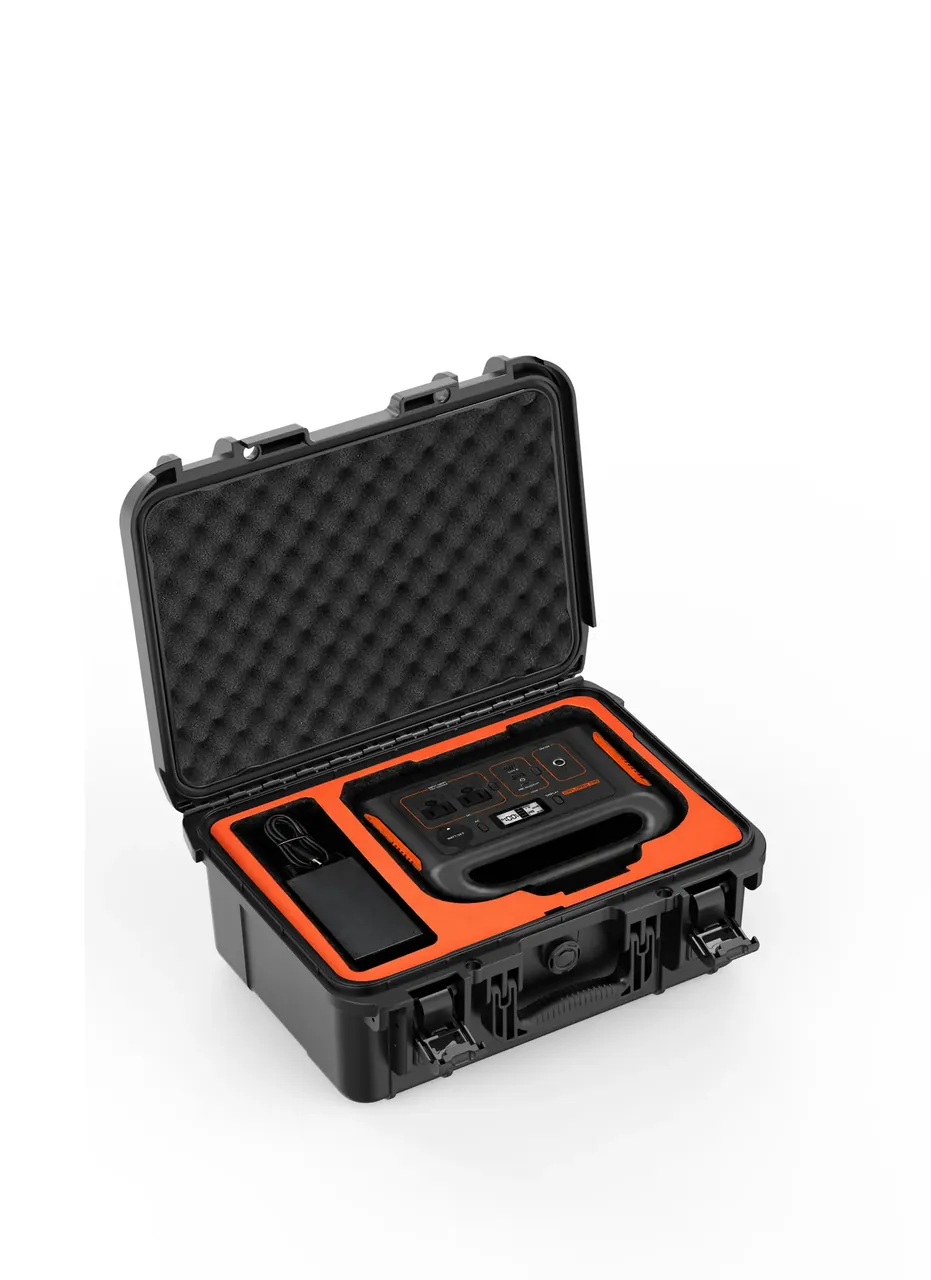
Line two is total return cost at 12% of value. Twelve percent of 460,000 yuan is 55,200 yuan, the ceiling for round-trip freight plus the second export duty. Below that line, send the lot back; above it, fixing in place is cheaper.
Line three is the 20-day delivery gap. Restocking in 15 days fits inside the window and replacement is viable; if restocking needs 25 days, the customer turns to a credit note instead of waiting.
The order is fixed: line one decides whether the claim holds, line two whether the goods travel, line three how they are replaced. Reverse the order and the usual result is a promise of a full return made before the cost was calculated.
| Line | Threshold | Past it | Value |
|---|---|---|---|
| One, defect rate | 2% | Hold lot, open claim | 15.6% |
| Two, return cost | 12% of value | Ship back, else fix in place | 55,200 yuan |
| Three, delivery gap | 20 days | Credit note if late | 15 days |
3. Liability across three parties
Liability follows the failing units, not headcount and not volume of complaint. Once the 5 units are assigned, the split falls out: 3 design, 1 production, 1 transport, which is 60/20/20.
On 460,000 yuan that is 276,000, 92,000 and 92,000 yuan. Once signed, every remedy is apportioned on that split, with no per-unit recalculation.
The evidence has to be paper: drawing tolerances, process curves, loading and stacking photos. A unit without paper evidence is booked as shared at 50/50 rather than holding the whole lot hostage for one photograph.
The transport share needs stacking records. Without a photo of stack height the carrier accepts 10%, and the missing 10% falls back on design and production. The split is not permanent either: three consecutive batches with the same defect push the design share up.
| Party | Basis | Share | Bears |
|---|---|---|---|
| Design | Tolerance stack | 60% | Drawing change, six tenths |
| Production | Process curves | 20% | Parameter fix, two tenths |
| Transport | Stack height photos | 20% | Freight, two tenths |
4. Four remedy combinations
Every remedy for a case batch return is apportioned on the same three-party split, and there are only four combinations. First, full return plus restocking: 15 days to arrive, the highest cost and the lowest risk of a stopped line.
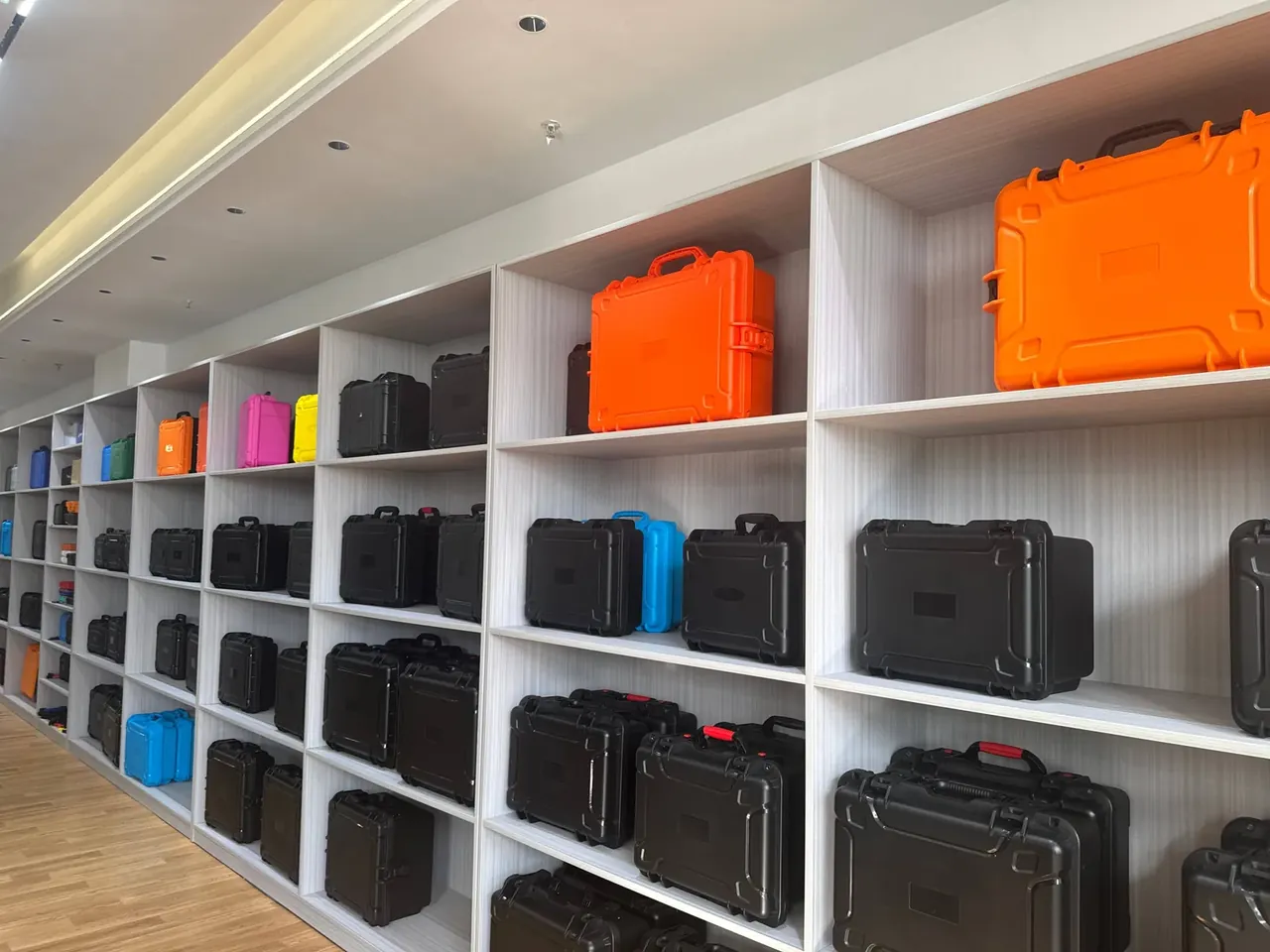
Second, full return plus an 8% credit note: 36,800 yuan, with the customer sorting usable units. Suited to defects concentrated on a few pallets while 700 or more units can go straight into production.
Third, repair in place: a 3-day repair line, costed per unit. Suited to defects that can be fixed without changing the cosmetic grade, which covers the sink mark and the crushing here.
Fourth, split delivery: 400 units shipped as an emergency batch while 800 are repaired, which stitches 3 days to 15 days and usually draws the best acceptance. Both dates go on one sheet so the second batch does not become a second return.
Credit notes and repair also stack: a 5% note covering the customer's own sorting cost, 200 urgent units through the 3-day line, the balance restocked.
There is a psychological floor on credit notes: below 3% the customer will not discuss it, above 10% a full return is cheaper. The four combinations differ by under 20% in quote, and what separates them is whether the line can wait.
5. Freight, duty and the minimum fix
The logistics bill splits in two, return freight and the second export duty, both apportioned on the three-party split. Duty at 6% is 23 yuan a unit, or 27,600 yuan for the lot, a number that surfaces in the final hour of negotiation and often stalls it. Freight runs about 18 yuan a unit, and contracts usually reduce both to a single line saying actual cost, which becomes the dispute at settlement.
Duty is handled two ways: apportioned by share, or deducted from the credit note. The second saves a settlement; the first is easier to accept because it shows on the statement.
The minimum corrective set has 4 items: clearance on the first-article sheet, one dedicated gauge, stack height cut from 5 to 4, and one more signature on the release sheet. The test is whether it fits on one page and closes within 30 days.
The set does not cover every cause, only the same lot recurring. A ten-item plan usually closes none, and each item carries a name rather than a department.
Conclusion
A case batch return closes with two artefacts: a three-party liability matrix and a remedy combination. The matrix is filled by failing units, 60/20/20 here, or 276,000, 92,000 and 92,000 yuan, and every cost line afterwards follows that column without renegotiation. The remedy follows the three lines in order: at 15.6% the lot is past the 2% line, so the claim holds; if return cost stays under 55,200 yuan the lot travels, otherwise it is fixed in place; restocking in 15 days fits the 20-day window, which makes split delivery the combination that protects both date and cost. The 8% note worth 36,800 yuan stays in reserve. Close the 4 corrective items on one sheet inside 30 days, and the next batch will not come back the same way.
This article discusses container-side specifications and design implications only, and does not cover any handling, loading or use of the contents.
Related Reading
- Cross-border returns for cases
- What case warranty covers
- Pre-shipment inspection scope
- Warranty terms worth negotiating
Related Products
- 8 Series — Gun Cases; Military Equipment Cases; Camera Equipment Cases; Drone Cases; Watch Cases; Knife Cases; First Aid Cases; Electronics Equipment Cases
- WL8-2812 PP Gun Case — model WL8-2812
- All protective cases and toolboxes: 7 series, 158 models