

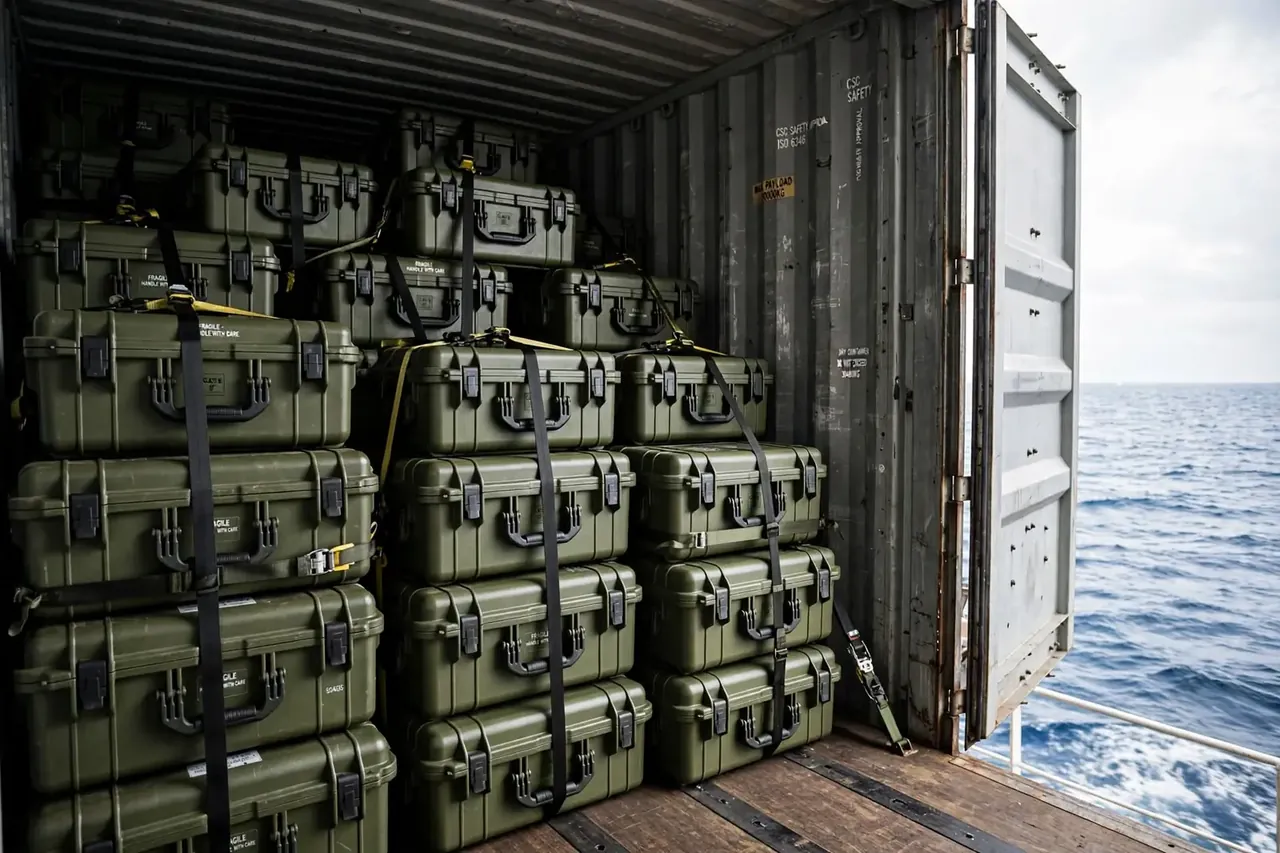
Quick answer: Case cross border returns start with freight: back-hauling an USD 80 case costs USD 46, or 57.5% of value, so repair pays under USD 48.
Table of contents
- The freight number before any repair decision
- Repair, scrap or markdown: one threshold
- Re-export after repair and the origin certificate
- Cleaning and quarantine papers
- Warranty start and return rates
- FAQ
1. The freight number before any repair decision
An USD 80 injection moulded case returning from Rotterdam to Ningbo quotes USD 46 by LCL, billed on 0.18 m³ at USD 255 per cubic metre. Scrapping it at the destination port recovers USD 6 and books a USD 26 net loss.
Two drayage legs add USD 18, export declaration USD 12 and put-away USD 4, putting the round trip at USD 80, the price of a new case.
| Route | Cost (USD per case) | Share of USD 80 | Door to door | Precondition |
|---|---|---|---|---|
| Return for repair | 46 | 57.5% | 78 days | Repair cost ≤USD 48 |
| Scrap locally | 6 | 7.5% | 14 days | Shell already cracked |
| Markdown locally | 0 | 0% | 21 days | Function intact, cosmetic only |
Across lanes, back-haul freight lands between 40% and 70% of case value: Ningbo to Singapore near 40%, Ningbo to Hamburg near 70%. Volumetric weight doubles the bill, since a 1200 mm × 500 mm × 400 mm case bills at 40 kg on a 1:6000 ratio.
2. Repair, scrap or markdown: one threshold
One threshold decides it: repair cost above 60% of value means scrap, below means repair. On an USD 80 case that is USD 51, with the working limit at USD 48.
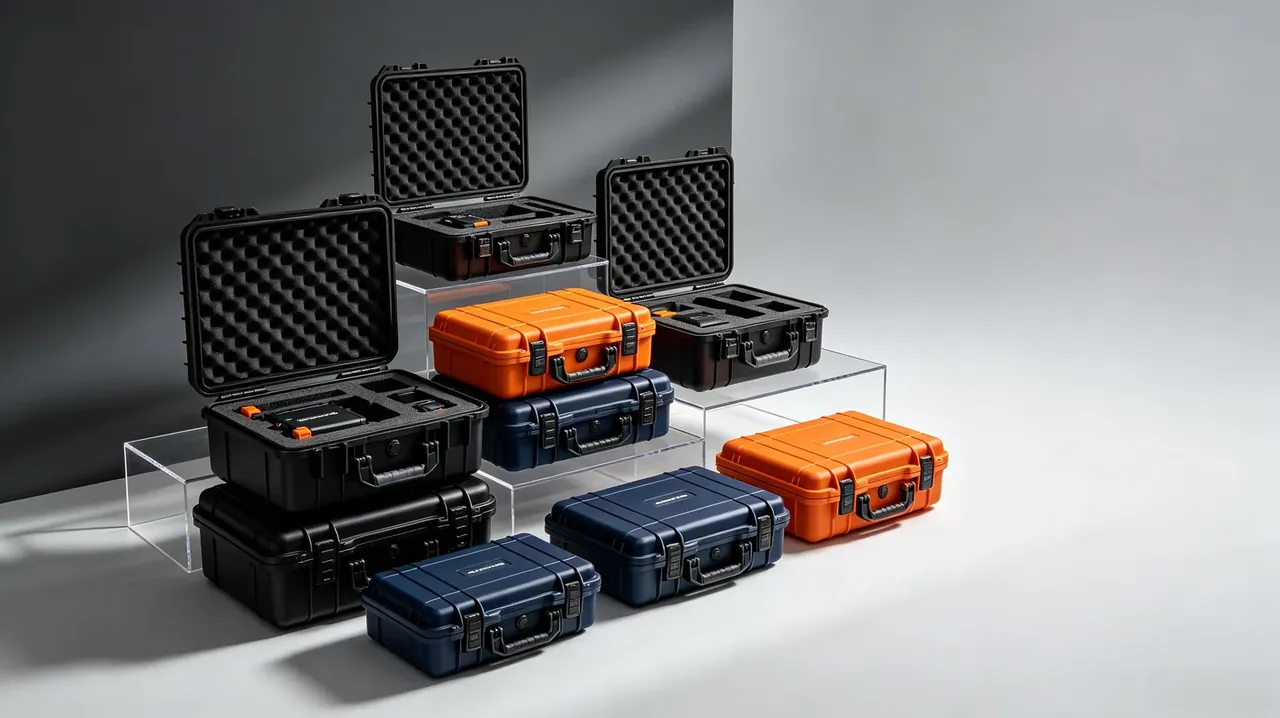
A hinge set is USD 8, a latch USD 6, a full gasket loop USD 14 and an 80 mm wall patch USD 22. All four reach USD 50 and cross the limit, flipping the verdict without inspection.
| Fault | Part cost (USD) | Share of USD 80 | Verdict |
|---|---|---|---|
| Broken latch | 6 | 7.5% | Repair |
| Hinge pin sheared | 8 | 10.0% | Repair |
| Gasket groove distorted 2 mm | 14 | 17.5% | Repair |
| Wall crack 80 mm | 22 | 27.5% | Repair with patch |
| Diagonal off by 6 mm | 52 | 65.0% | Scrap |
Structure outranks cost. A diagonal error above 5 mm or a sealing face flatness error above 0.8 mm means scrap even at a USD 20 quote, because a re-assembled face will not return to IP67.
Markdown suits cases that work but look worn: scratched lids go to dealers at 55% to 70% of value, returning USD 44 to USD 56.
3. Re-export after repair and the origin certificate
A repaired case leaving again cannot reuse the original certificate: the first declaration consumed its date and quantity, so the re-export needs a new certificate and number. This is the step case cross border returns paperwork drops most often.
Returned goods entering for repair are taxed on the repair charge, so a USD 40 bill is assessed at USD 40 rather than USD 80. The declaration must quote the original export number, or the shipment sits 3 to 5 days at the port.
| Document | Issued by | Validity | If missing |
|---|---|---|---|
| Original export declaration copy | Factory | Unlimited | Origin unproven, taxed as general trade |
| Return reason confirmation | Customer and factory | Per shipment | Customs cannot classify the return |
| Repair work order and parts list | Factory | Per shipment | Charge rejected, valued as new |
| Re-export certificate of origin | Chamber or customs | 12 months | No preferential rate at destination |
| Cleaning and quarantine statement | Factory | 30 days | Case and wood packaging held |
The 12-month validity runs from the issue date: a 78-day repair cycle plus 21 days of booking leaves 9 months usable.
4. Cleaning and quarantine papers
Returned cases are washed before inspection, never after. Cases from a destination port carry soil, grass seed and salt bloom, and that residue reaches the assembly line or triggers rejection at the first open lid.
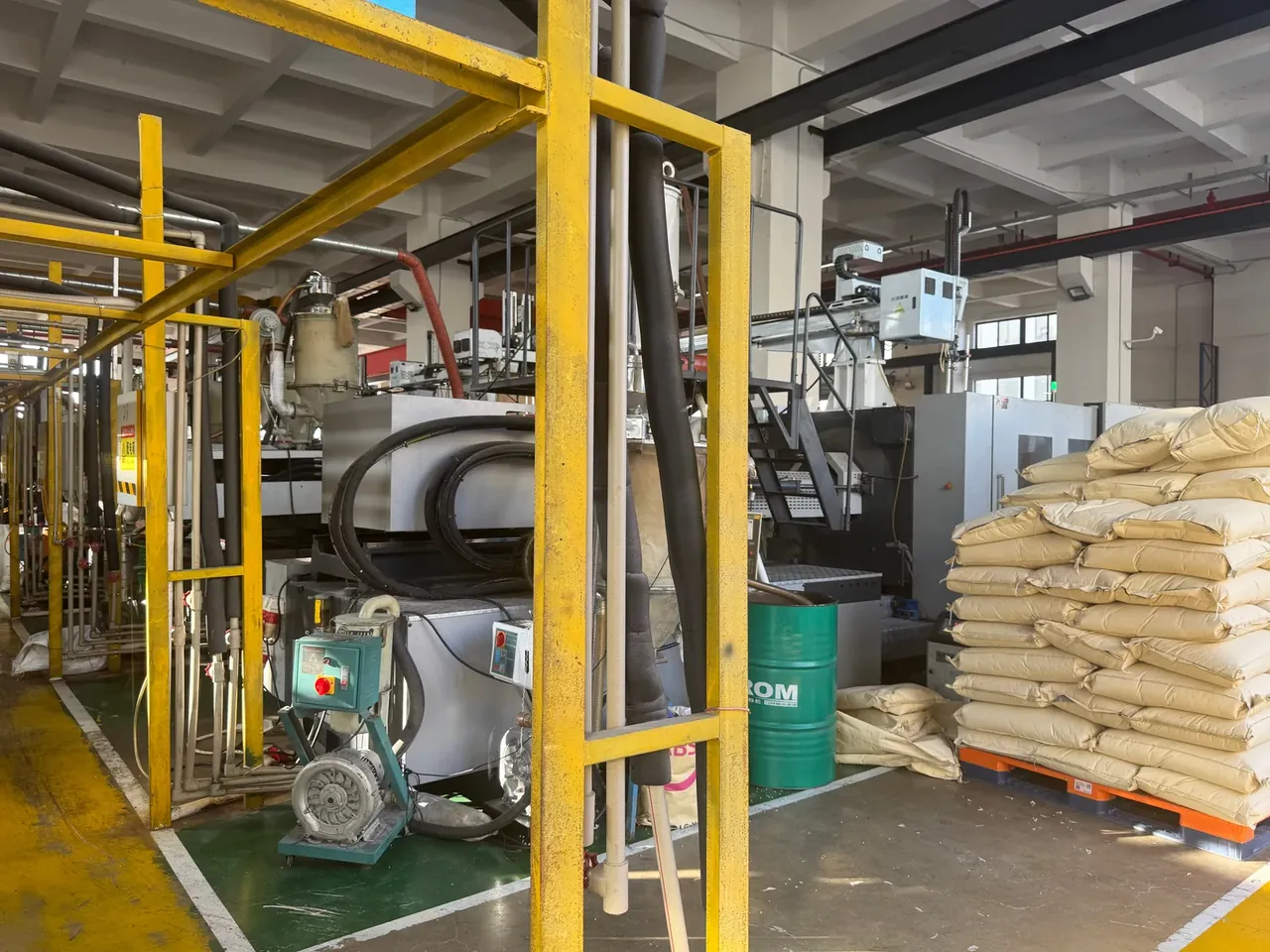
Washing runs at 8 MPa with 60 ℃ water and neutral detergent for 90 s per case. Heavy salt bloom takes a second fresh-water rinse, holding chloride residue under 30 mg/m², or latches pit within 6 months.
Drying takes 6 h and the interior must fall below 45% RH before the lid closes. A case closed wet and carried 30 days at sea grows mould in the gasket groove, and about 3% of such repairs fail reinspection.
The quarantine statement covers three points: no soil or plant residue, no live insects or eggs, and packaging treated to the importing country's rule. It stays valid 30 days and sampling opens 5% of the batch, so 400 cases mean 20 opened.
5. Warranty start and return rates
Warranty runs 12 months from customs release, not the factory ship date. Factory to release averages 45 days, so a ship-date start costs six weeks.
Case return rates measure 1.2% to 2.5%: structural failure 0.4 points, cosmetic complaints 0.9 points, transit damage 0.5 points. A 400-case shipment holds 10 loaners at the 2.5% ceiling.
Freight on a warranty return depends on cause. Sheared latches and hinge pins are manufacturing defects and the factory absorbs USD 46; drop and crush cracks are external force and the customer pays.
Cases past 12 months lose free repair but keep paid repair at the USD 48 limit.
Conclusion
Run case cross border returns through three gates. Cost first: USD 46 against USD 80 is 57.5%, mid-band in the 40% to 70% range, and the USD 51 quote marks the 60% line, so anything above it scrap and anything under USD 48 ship. Structure second: a 5 mm diagonal error or 0.8 mm flatness error ends the discussion whatever the quote says. Compliance third: a re-export certificate, a 30-day cleaning statement and the original declaration number, since a missing paper costs 3 to 5 days at the port. Pass all three and repair stands; fail any one and the case goes to markdown or local scrap. Then start the 12 months at customs release and stock loaners at a 2.5% return rate. Run this way, the loss per returned case drops from USD 26 to USD 9.
This article discusses container-side specifications and design implications only, and does not cover any handling, loading or use of the contents.
Related Reading
- Repair hours and verdicts for cases
- How to word a case warranty
- How empty case returns are billed
- How transit damage rates are counted
Related Products
- 8 Series — Gun Cases; Military Equipment Cases; Camera Equipment Cases; Drone Cases; Watch Cases; Knife Cases; First Aid Cases; Electronics Equipment Cases
- WL8-2812 PP Gun Case — model WL8-2812
- All protective cases and toolboxes: 7 series, 158 models