

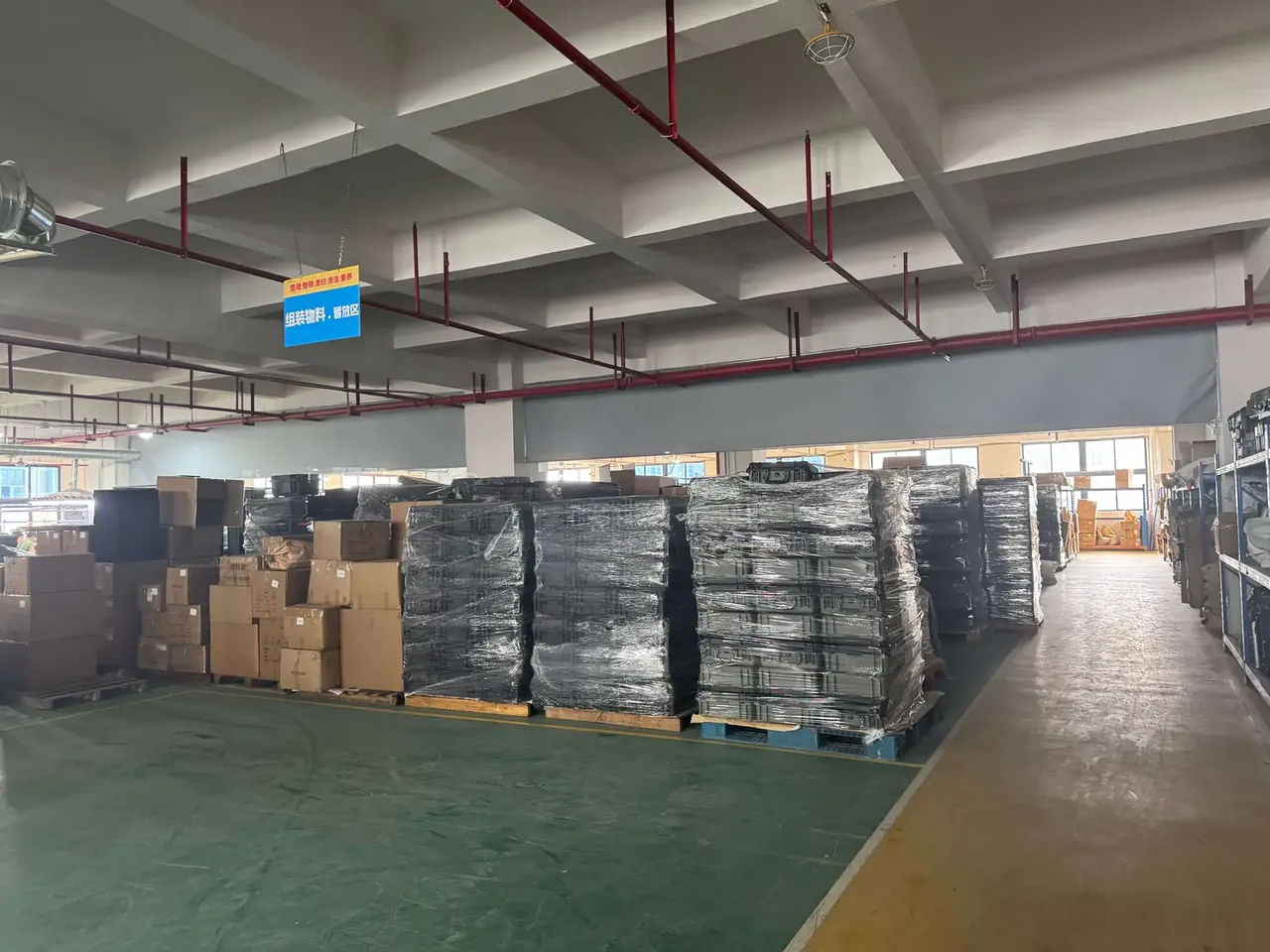
Quick answer: Transit Damage reads 1.8% per unit, 6.2% per lot and 0.9% per claim; none substitutes for another, and all three fall when stacking drops to five layers.
Table of contents
- Counting Transit Damage: Per Unit, Per Lot, Per Claim
- Stack Height and the Load on the Bottom Case
- ISTA 3A and ISTA 2A: What Each Test Covers
- Attribution: Shell Cracks, Load Shift, Corner Collapse
- Claims and Payout Timeline
- Six Moves That Cut Transit Damage to 0.4%
- FAQ
1. Counting Transit Damage: Per Unit, Per Lot, Per Claim
One order of 1200 units to three warehouses came back with 22 scuffed cases, which per unit is 22 ÷ 1200, or 1.83%.
Per lot reads differently: two of the five lots carried damage, so the lot rate is 40% on the same 22 units.
Per claim is money: 27,000 yuan paid against 3 million of value, 0.9%. It counts only claims that succeed, so it always sits under the unit rate.
The three differ in the denominator, not the arithmetic: unit rate tracks process stability, lot rate batch control, claim rate cash. Quote and appraise on the same one, or a single shipment reads three ways.
| Basis | Numerator | Denominator | This order | What it hides |
|---|---|---|---|---|
| Per unit | Damaged units | Units shipped | 1.83% | Batch defects |
| Per lot | Lots with damage | Lots shipped | 40% | Small lot sizes |
| Per claim | Payout | Cargo value | 0.9% | Unreported damage |
2. Stack Height and the Load on the Bottom Case
Stacking starts at the bottom. A 22 kg case under five layers carries four cases, 88 kg; under seven layers it carries 132 kg.
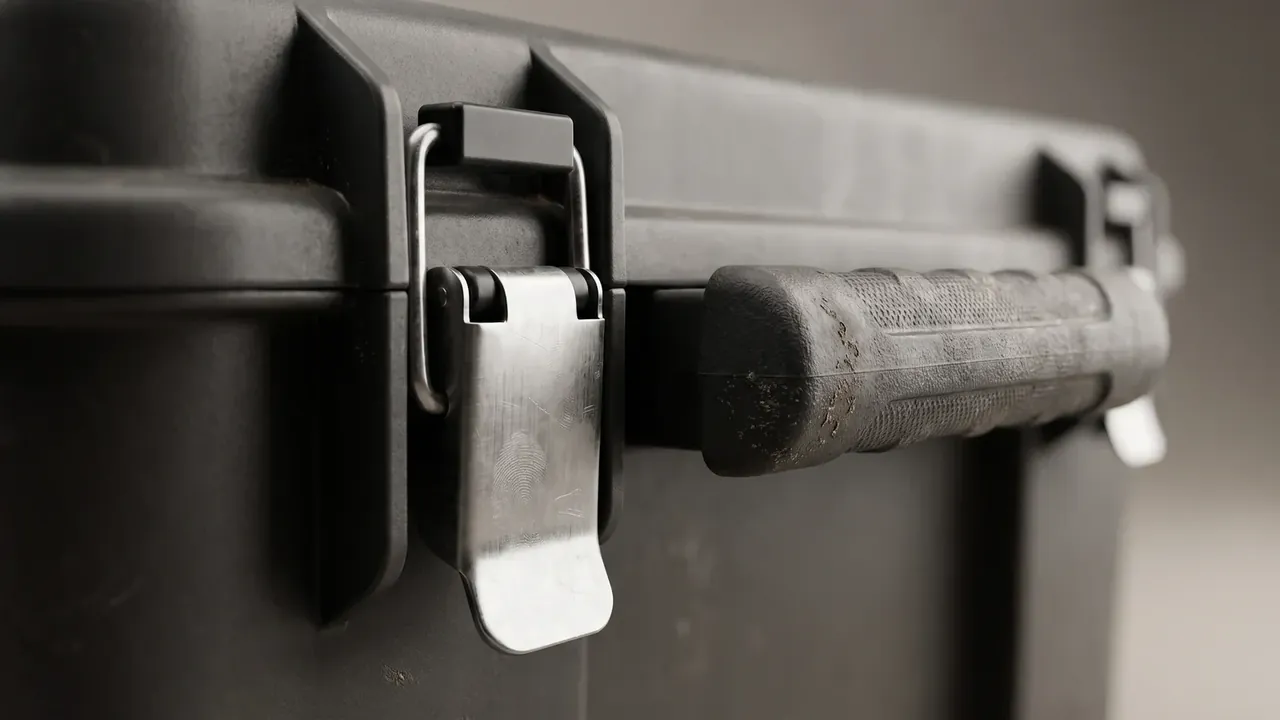
Carton compression is 5200 N, about 530 kg, but that is a short-term figure. Thirty days of creep takes 0.75 and 90% humidity another 0.7, leaving 278 kg, so a factor of 3 allows 92 kg — exactly five layers.
Seven layers breaks the line: 132 kg against 278 kg is a factor of 2.1. Nothing shows for 60 days, then the bottom cartons crush.
| Layers | Bottom load | Effective strength | Factor | Outcome |
|---|---|---|---|---|
| 3 | 44 kg | 278 kg | 6.3 | Too much margin |
| 5 | 88 kg | 278 kg | 3.2 | Holds long term |
| 7 | 132 kg | 278 kg | 2.1 | Crushes within 90 days |
3. ISTA 3A and ISTA 2A: What Each Test Covers
ISTA 2A tests one package: ten drops across six faces, three edges and one corner, 30 minutes of fixed-frequency vibration, and 24 hours of compression. Drop height follows weight, 76 cm below 20 kg and 61 cm from 21 to 45 kg.
ISTA 3A follows a parcel journey and adds 60 minutes of random vibration at 0.5 Grms after conditioning. It passes on three points: no through-crack in the wall, corner collapse under 5 mm, latches that still close three times.
Neither replaces the other: a case that fails 2A fails 3A, while one that passes 2A can still shift its liner in the 3A vibration block. Overseas batches take 3A and domestic pallet freight takes 2A.
| Test | ISTA 2A | ISTA 3A | Pass mark |
|---|---|---|---|
| Drop | 10 drops from 76 cm | Weight-banded | Corner collapse under 5 mm |
| Vibration | Fixed, 30 minutes | Random, 60 minutes | Liner stays put |
| Compression | 24 hours | With conditioning | No through-crack |
4. Attribution: Shell Cracks, Load Shift, Corner Collapse
Attribution has to reach a part, not a leg of the journey. Of 46 damaged units, 21 were corner collapse at 46%, 14 were load shift at 31% and 11 were shell cracks at 23%.
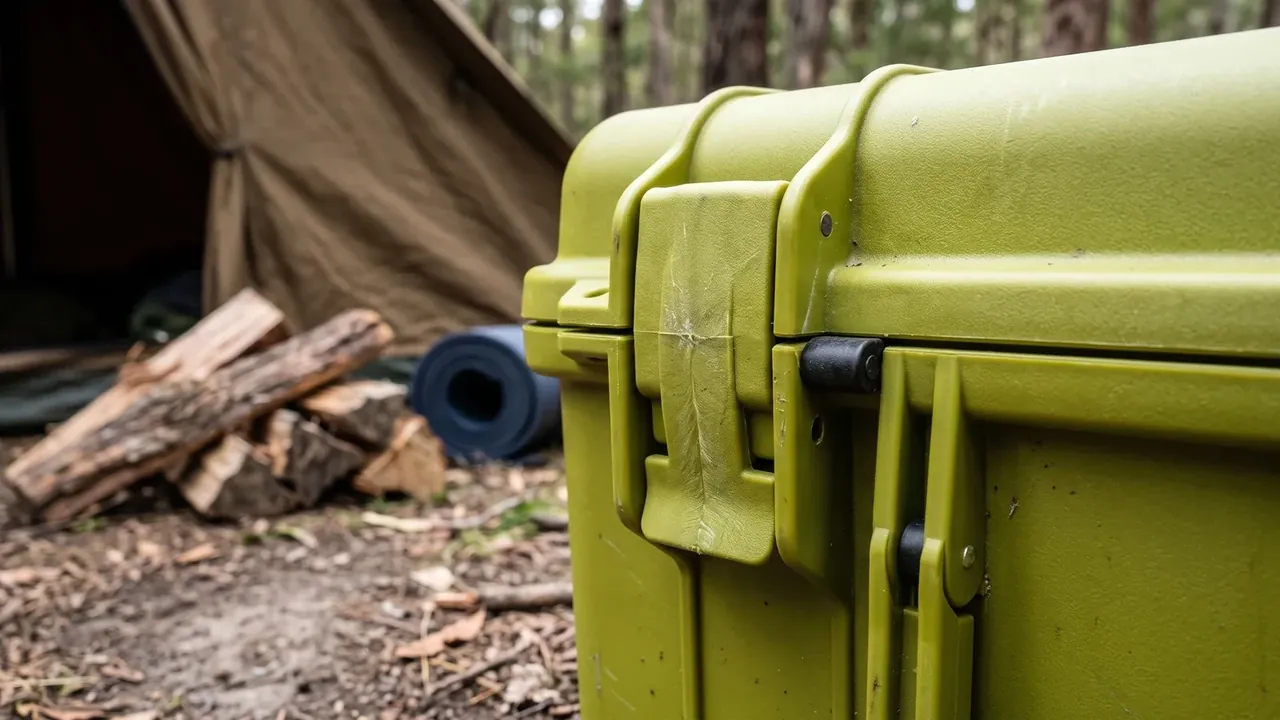
Collapse clusters at pallet corners. A 20 mm corner board leaves the four corners carrying 2.4 times the load of the panel centre at five layers, and the fold starts at the 8 mm radius.
Load shift comes from liner clearance. At 3 mm, a 1.2 m drop at 15 g moves the load 6 mm; at 8 mm it moves 17 mm and the impact passes into the wall.
Cracks belong to the cold. At −18 °C HDPE keeps 40% of its room-temperature impact strength, and the crack rate at the same drop height rises from 3% to 19%.
5. Claims and Payout Timeline
The claims clock runs tight: inspect on collection, file within 3 days, and after that the carrier accepts outer damage only.
Six photographs go with the filing: case number, seal, damaged face, liner state, packing list and the full pallet. One missing shot rebooks the survey and turns 7 days into 14.
The window is 21 days from delivery. Excess runs 800 yuan per filing and insured claims pay 80%; uninsured ones fall to the carrier limit, often 20 yuan per kg, so a 22 kg case returns 440 yuan.
6. Six Moves That Cut Transit Damage to 0.4%
Six moves, ordered by return; the first three carry half the result.
Drop stacking from seven layers to five and the bottom load falls from 132 kg to 88 kg, back to a factor of 3. That change alone takes the rate from 1.8% to 1.1%.
Add 30 mm corner blocks and pull liner clearance from 8 mm to 3 mm, and the rate falls to 0.7%. A block costs 1.2 yuan, four per case, so 4.8 yuan a unit buys most of the gain.
Foam pads on the pallet corners, three cases dropped at 76 cm before loading, and seals tied to case numbers finish the set at 0.4%. Below that, the wall must change: 18 yuan more per case buys 0.1 of a point.
Conclusion
Read the Transit Damage figure for its basis first. Three checks settle the plan: quote per unit, appraise per lot, negotiate claims per claim; divide effective carton strength by 3 to set stack height, which puts a 22 kg case at five layers; hold corners at 30 mm, liner clearance at 3 mm, and drop three cases at 76 cm before loading. That set takes 1.8% to 0.4%, and going lower means changing the wall, where the arithmetic stops paying.
Related Reading
- Stackability and pallet planning loads
- Corner structure and bumper layout for cases
- Load testing for stacked cases
- Loading and handling precautions for cases
Related Products
- 8 Series — Gun Cases; Military Equipment Cases; Camera Equipment Cases; Drone Cases; Watch Cases; Knife Cases; First Aid Cases; Electronics Equipment Cases
- WL8-2812 PP Gun Case — model WL8-2812
- All protective cases and toolboxes: 7 series, 158 models