

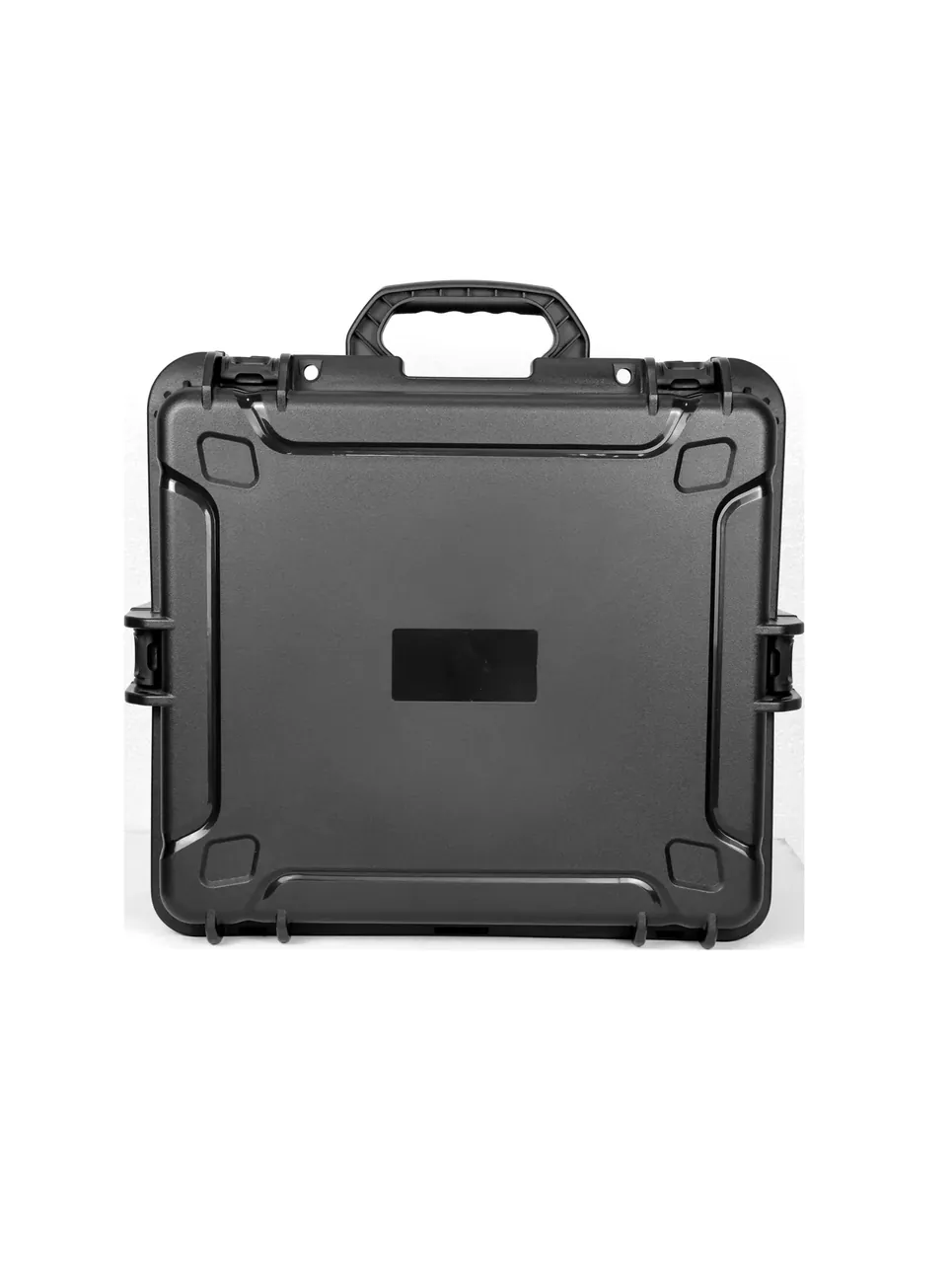
Quick answer: Specify a Battery Safety Case in one order: cell size, compartment count, liner, vent path, then marking and tie-down. The shell is often shared with an ordinary case, so four numbers decide it: largest item, item count, liner coverage and valve flow.
Table of contents
- Where a Battery Safety Case Starts: Four Parameters
- Cell Size: Work Back from the Largest Item
- Compartment Count: Set by Counting, Not Volume
- Flame-Retardant Liner: Rating, Thickness, Coverage
- Vent Path and Exterior Marking: Two Valves, One Plate
- FAQ
1. Where a Battery Safety Case Starts: Four Parameters
Two cases from one mold quote twenty percent apart, and the shell explains none of it: the difference is inside, in grid, liner, valve and plate. Those four are what a Battery Safety Case specifies.
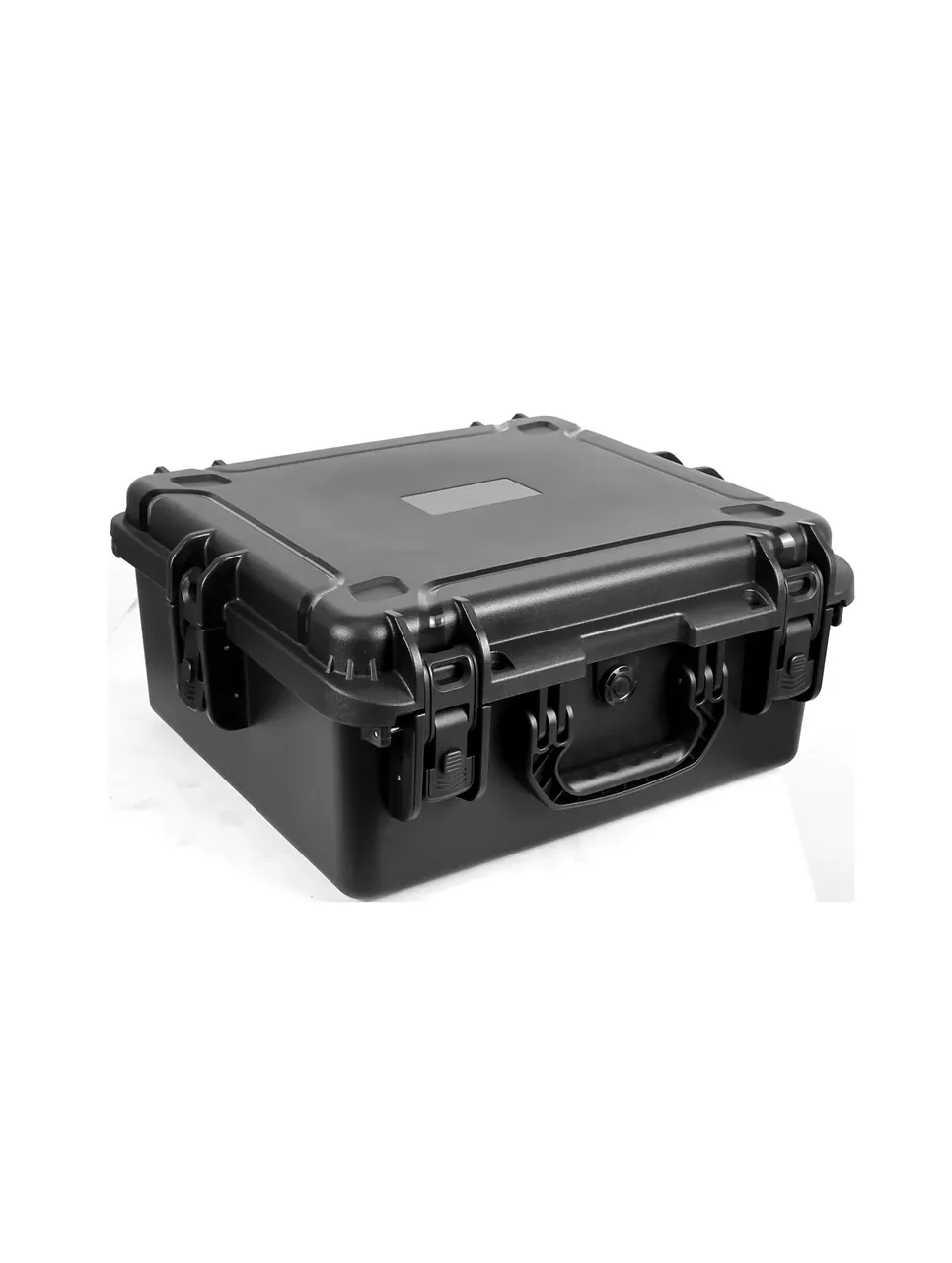
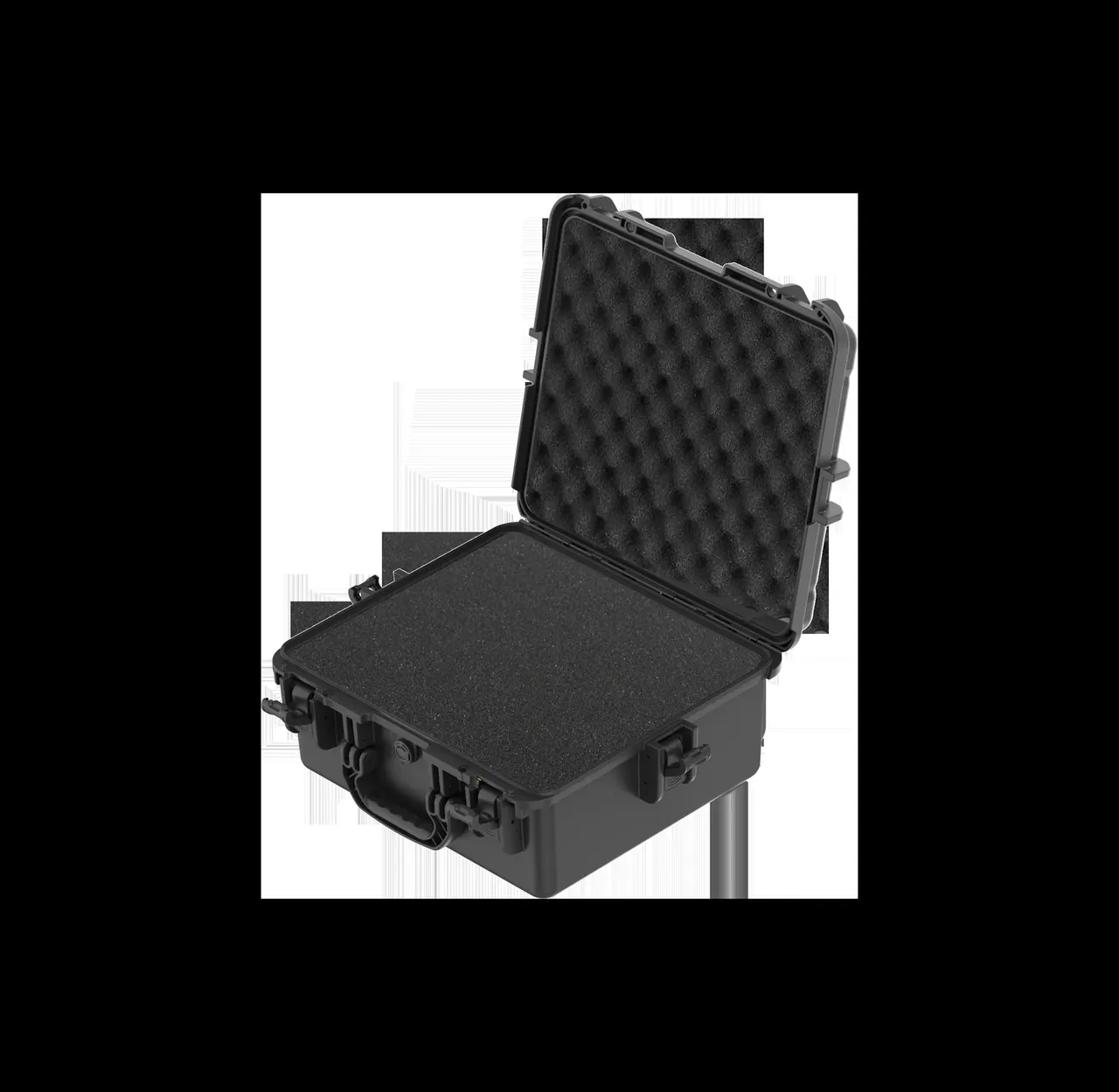
Order matters: largest item, cell size, count, liner, then valve and label; buy the shell first and the grid fails at step three. The reference shell measures 463 by 338 by 231 mm inside, 56 mm lid, 175 mm base.
| Parameter | Fixes | Typical value |
|---|---|---|
| Cell size | Whether the largest item fits | From 145 by 158 mm |
| Count | Counting speed, grid use | 6, 8 or 12 cells |
| Liner | Self-extinction, heat blocking | 2 to 3 mm, V-0 |
2. Cell Size: Work Back from the Largest Item
A cell is not an equal slice. Leave 5 to 10 mm each side along the length, or a tight cell rubs the liner while a loose one spends cushion travel; leave 10 to 15 mm vertically for a pad.
Dividers take space too: three columns with 5 mm board leave about 145 mm clear of the 463 mm length, two rows about 158 mm of 338 mm. Four columns drop to 108 mm and three rows to 104 mm, the twelve-cell layout. Height splits as 175 mm base plus 56 mm lid.
3. Compartment Count: Set by Counting, Not Volume
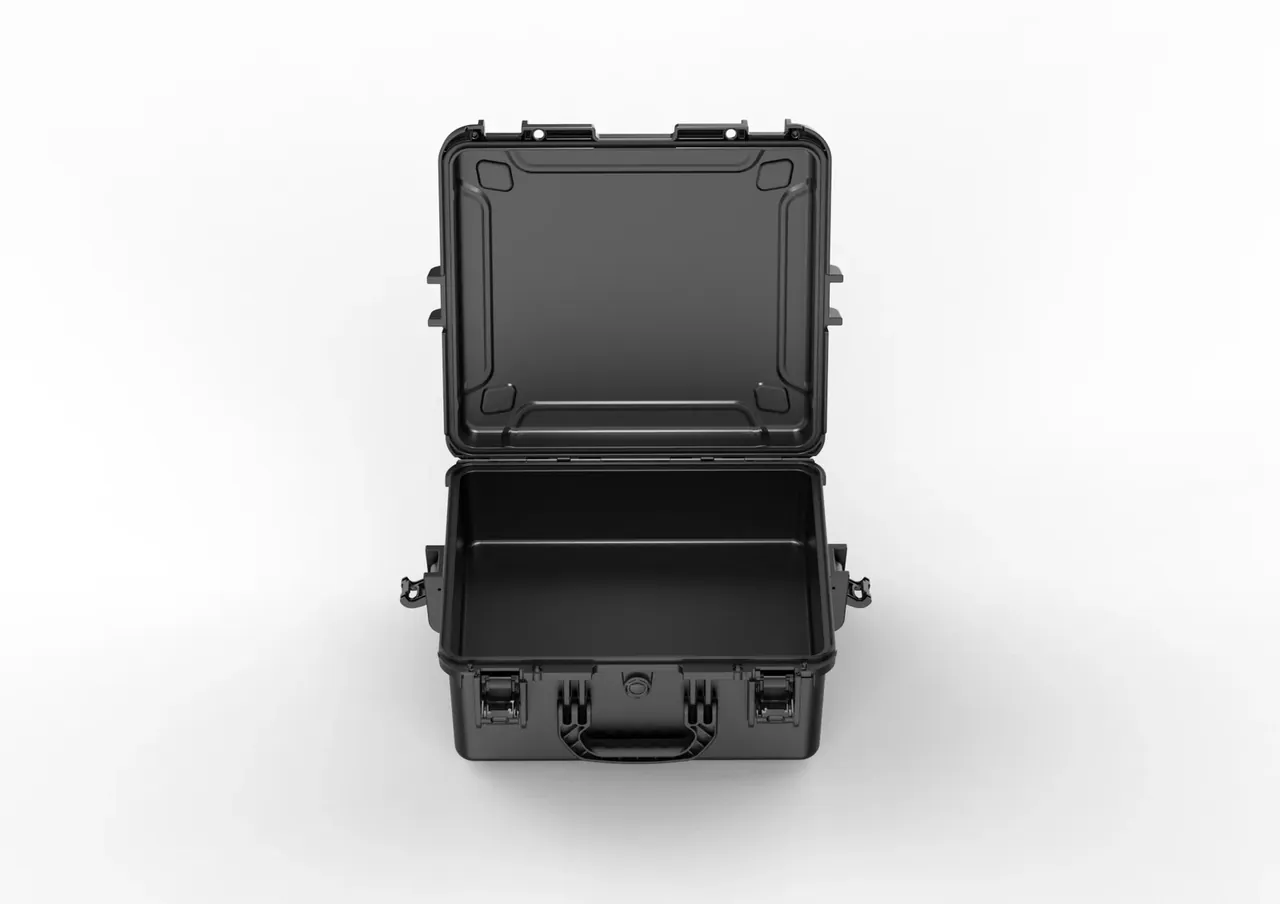
Count follows the counting routine, not volume. One item per cell, with a missing item visible at a glance, is the real gain over a single foam block; where nobody counts, six cells are enough.
Six is three by two at 145 by 158 mm; eight is four by two at 108 by 158 mm for long items; twelve is four by three at 108 by 104 mm for small parts. More cells mean more divider and liner, and a larger share of void. Removable boards allow changes but rattle; slotted foam is silent but fixed.
4. Flame-Retardant Liner: Rating, Thickness, Coverage
The liner self-extinguishes and blocks heat; it is not fireproof. Watch UL94 V-0 (stops burning within ten seconds, no dripping), an oxygen index above 28, and 2 to 3 mm thickness.
Coverage is easier to miss: base, walls and lid must run as one skin with staggered seams and no continuous gap, corners folded from one sheet. Acceptance needs a same-batch burn test, not a certificate.
5. Vent Path and Exterior Marking: Two Valves, One Plate
The tighter a Battery Safety Case seals, the more it needs a controlled vent: temperature cycling builds a differential, and past the gasket's hold the lid fights you.
Flow must match volume: this size breathes a few hundred millilitres a minute at 3 to 10 kPa cracking pressure. An expanded PTFE membrane passes air and blocks water; fit valves diagonally, never facing up.
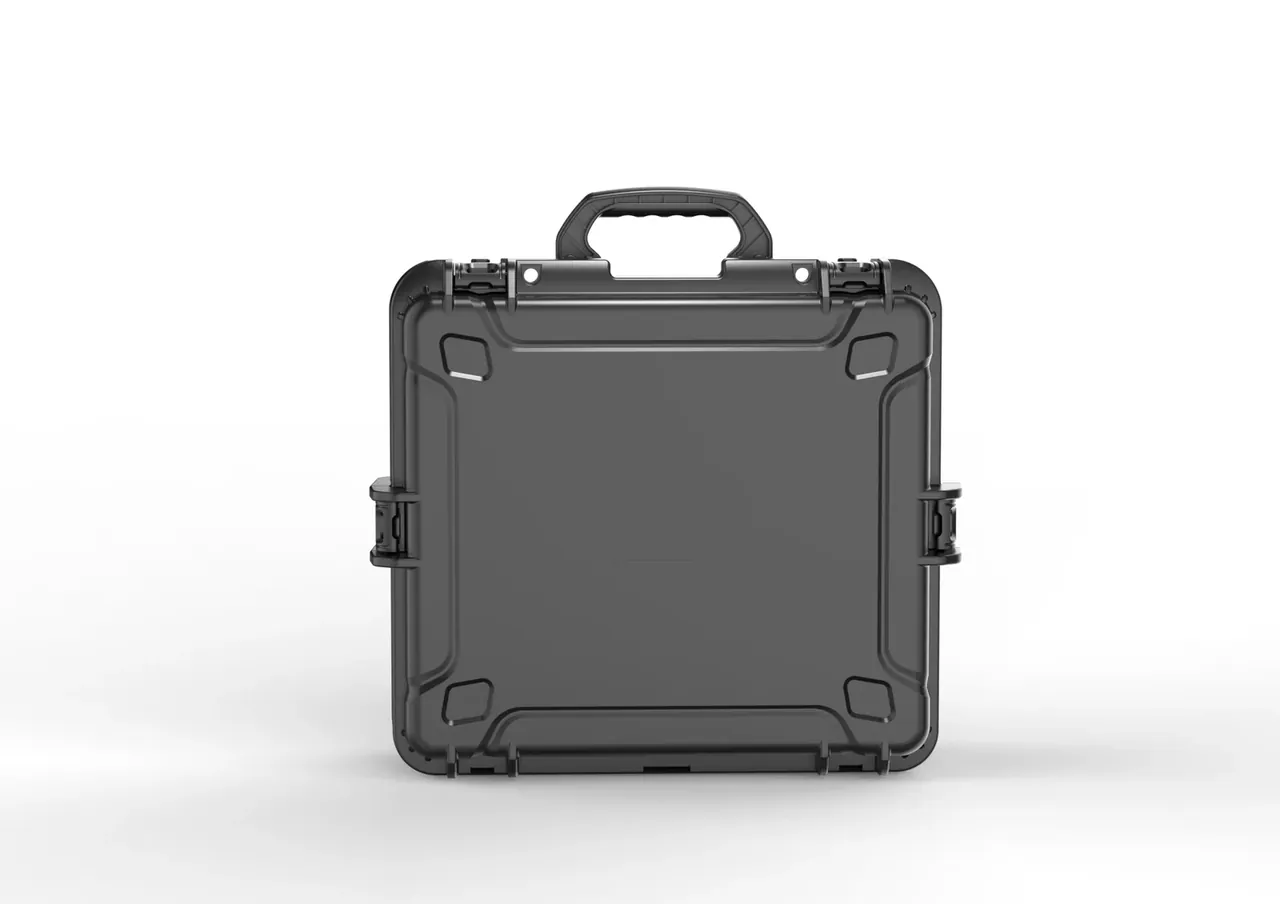
Marking is the other half: a 90 by 60 mm recess takes laser marking or weather-resistant polyester, laid out as ID, rating, weight, date. Tie-down needs corner feet, a lid recess and side lashing holes.
| Feature | Ordinary case | Battery Safety Case |
|---|---|---|
| Compartments | One pluckable foam block | Dividers plus slotted foam |
| Venting | One valve or none | Two valves, diagonal |
| Marking | Sticker or silk screen | Recessed plate, laser marked |
Conclusion
A Battery Safety Case is settled by four dimensions and one path: cell size from the largest item, count from the routine, liner from coverage, valves sized to volume and set diagonally. The shell can be shared; these four cannot.
This article covers container-side specifications and design intent only. It does not address any handling, loading or use of the contents.
Related Reading
- How a battery case is built and protected
- Compliance fittings for lithium battery transport cases
- Choosing and mounting a case pressure valve
- Dividers versus foam inserts
Related Products
- 8 Series — Gun Cases; Military Equipment Cases; Camera Equipment Cases; Drone Cases; Watch Cases; Knife Cases; First Aid Cases; Electronics Equipment Cases
- WL8-2812 PP Gun Case — model WL8-2812
- All protective cases and toolboxes: 7 series, 158 models