

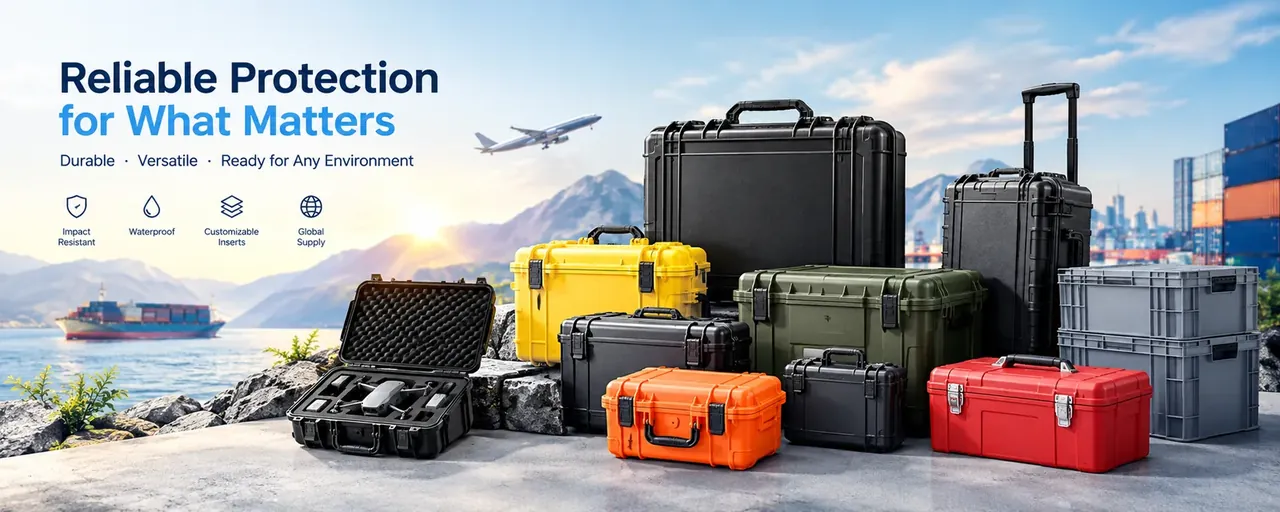
Quick answer: Case bonded warehouse timing is unforgiving: file the rebate 14 days late and the 13% rate drops to zero, so a USD 40,000 lot loses USD 5,200.
Table of contents
- Two storage clocks
- Proof of no processing
- The April refund deadline
- VAT inside the bonded line
- Ledger lists and stock differences
- FAQ
1. Two storage clocks
A bonded warehouse holds goods for up to 1 year, extendable by a further year on approval. The 90-day figure is not a customs limit; it is the planner's own turnover gate, inside which booking, re-stuffing and consolidation must finish.
Inside 90 days the lot is plain bonded storage moving on filing lists; past 90 days a monthly location count applies, and a count that disagrees with the ledger gets the extension refused.
| Clock | Typical use | Extension | Overrun |
|---|---|---|---|
| 90 days | Re-export, re-stuffing | None, internal gate | Second storage charge, case recheck |
| 1 year | Bonded stock awaiting sale | Yes, up to 1 year more | Return abroad or duty paid |
A case held 12 months needs its latches and gasket checked before release, because warehouse stacking loads differ from sea stowage. That check never appears in the customs ledger, yet it belongs on the job sheet, or a stiff latch is found at the gate and the lot is reboxed and remarked.
2. Proof of no processing
Re-export status rests on three sets of evidence that must reconcile: intake photos, location ledger, release checklist. Case numbers must match across all three. Change a case or a label midway and the no-processing claim collapses.
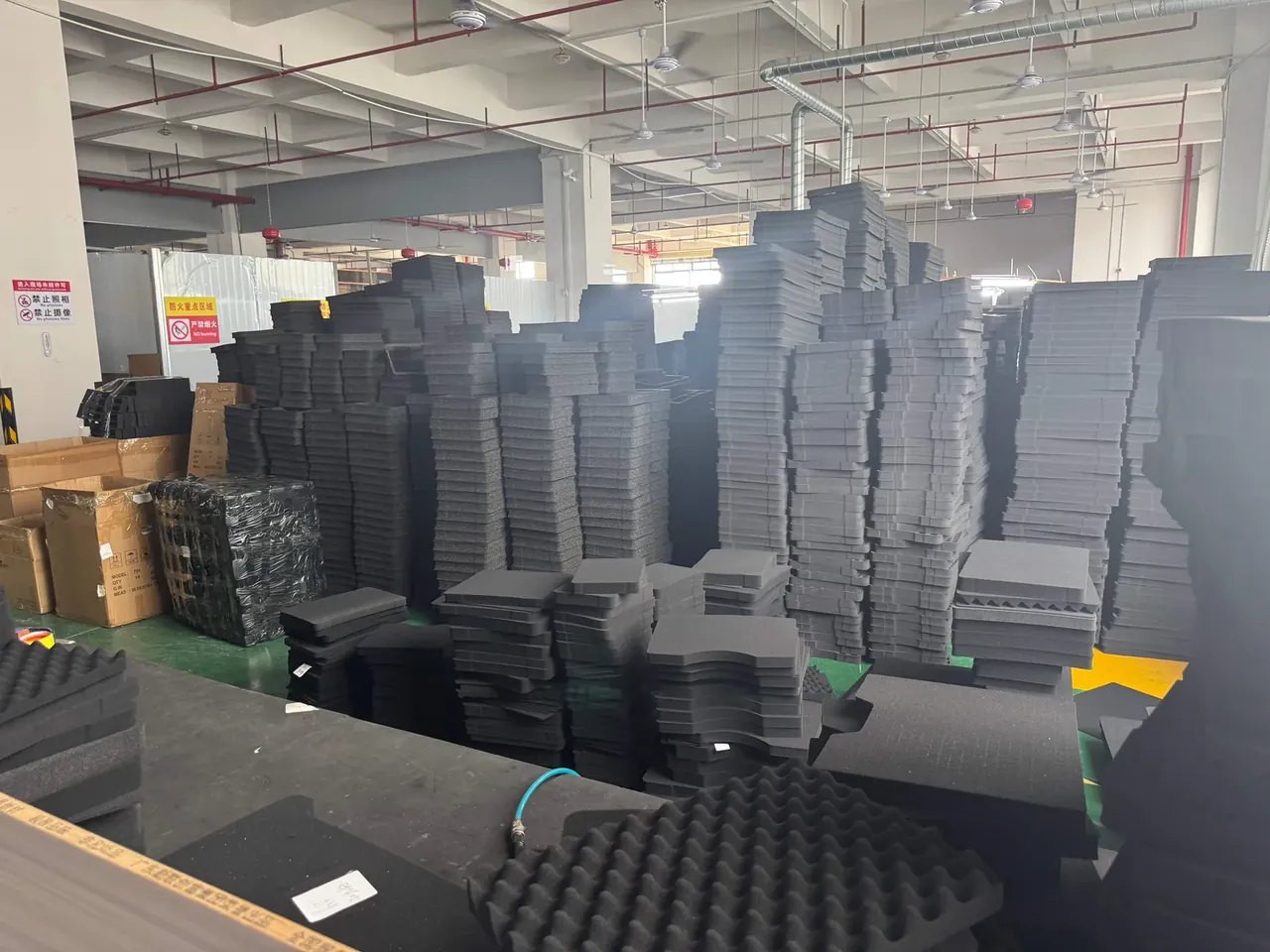
Intake photos cover two faces with number and batch legible, sampling 5% of a lot but 100% when the lot is under 20 cases. Time stamps must match the intake date on the filing list, or the photos prove nothing.
The location ledger runs three columns, location, case number, batch, updated on movement rather than at month end. The release checklist does one job: compare outgoing numbers against intake numbers case by case, and stop loading at the first mismatch.
The operator issues the no-processing certificate, quoting the intake and release filing list numbers and stamping it. Its purpose is to satisfy destination customs that the goods were only stored, so origin qualification survives the detour.
The risk is housekeeping. Rewrapping or adding a label inside the zone is not processing; opening a case to change foam is. Write "exterior handling only" on the job sheet.
3. The April refund deadline
Export refund claims close on 30 April of the following year, the last day of that April VAT filing window. A late claim is not accepted; the export becomes exempt instead, input tax is reversed, and the 13% rate returns nothing.
One worked case shows the size of it. A USD 40,000 lot of cases is about CNY 284,000, refundable at 13% for CNY 36,900. Miss 30 April by 14 days and that CNY 36,900 becomes zero while the 13% input tax is reversed, so the real loss passes CNY 70,000.
| Scenario | Filing date | Rate | Refund on CNY 284,000 |
|---|---|---|---|
| On time | Before 30 April | 13% | CNY 36,900 |
| 14 days late | 14 May | 0, exempt | CNY 0 |
| Domestic sale | At release | 13% import VAT | CNY 36,900 payable |
Work backwards from the export date: invoices collected 30 days out, departure confirmed 60 days out, entry keyed by 20 April, leaving 10 days for a rejected file to be corrected.
Bonded cases need two extra documents beyond the declaration, invoice and packing list: the intake and release filing list numbers and the bonded note numbers. When those sets disagree the file is rejected, and a rejection costs at least 7 working days.
Use the export date on the declaration, not the bill of lading date, which lags it by 3 to 5 days at sea.
4. VAT inside the bonded line
"Inside the territory, outside customs" is a VAT concept, not a map. Goods entering from domestic territory count as exported and may claim refund; goods leaving for domestic sale count as imported and pay duty plus import VAT.
A case sitting in the zone carries no VAT movement. The moment it sells domestically, 13% import VAT is levied again, and the earlier refund is not offset automatically; a domestic invoice is issued instead.
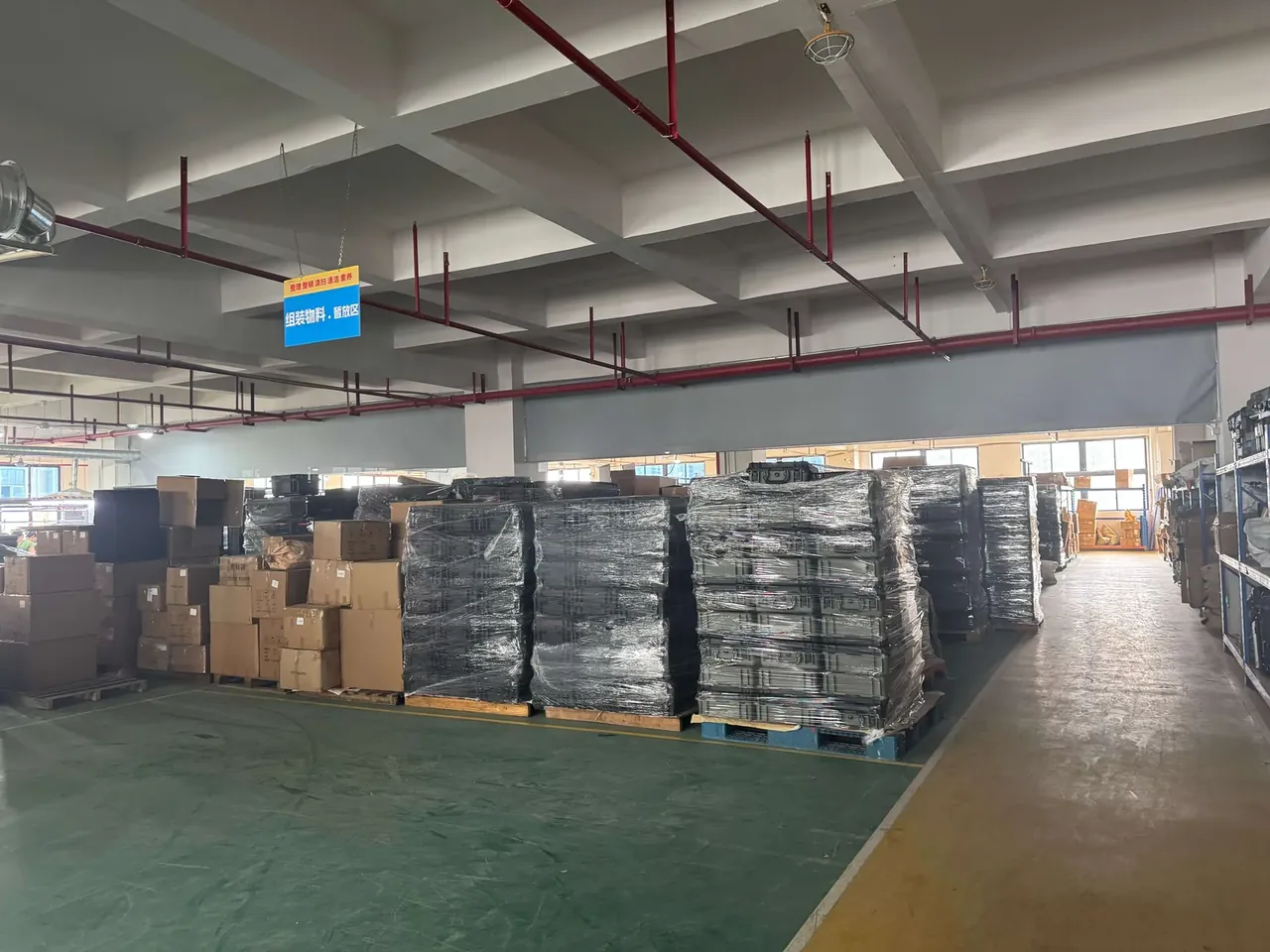
Keep two input tax books. Tax refunded at intake sits in the export refund account; storage, handling and recheck services inside the zone carry 6% or 9% invoices and are deductible normally, so do not sweep them into the refund pool.
This rule sets the quotation. A re-export quote excludes the 13%; a domestic quote includes 13% import VAT. Mix the two and a customer compares a bonded price against a duty-paid price, then finds a 13-point gap after ordering.
5. Ledger lists and stock differences
Case bonded warehouse stock has one equation: opening plus intake minus release minus transfer equals closing. That closing figure must agree with the bonded note total and the physical count; when it does not, check the notes before the shelves.
Differences are handled by value band. Under 0.3% with a stated cause, the monthly count sheet carries the explanation; above 0.3% a separate report is due, with the note corrected or duty paid within 30 days. Cases carry high unit value, so 20 units can cross the line.
Three causes cover most shortfalls, none of them theft: numbers transposed between identical cases, goods released before the note was keyed, and samples lent to sales without a ledger entry.
Conclusion
Three joints hold case bonded warehouse work together: intake filing and bonded notes keyed together, the 90-day gate and the 1-year limit watched separately, and the refund filed before 20 April. Break any one and the 13% leaves the books once.
Build the schedule from nodes, not months: export date at day zero, invoices at 30 days, departure at 60 days, claim filed by 20 April, a name and a document number in every cell. The re-export branch runs its own line, re-stuffing inside 90 days and a case-by-case number check 3 days before release.
| Stage | Deadline | Document | If it slips |
|---|---|---|---|
| Intake filing | Day of arrival | Filing list, bonded note | No ledger entry, no release |
| Re-export cycle | 90 days | No-processing certificate | Second storage charge |
| Bonded storage | 1 year, extendable | Extension, count sheet | Return abroad or duty paid |
| Refund claim | 30 April next year | Declaration, input invoices | Rate zero, input reversed |
| Domestic sale | Month of sale | Import declaration | 13% import VAT payable |
| Monthly count | Month end | Difference report | Ledger drift, extension refused |
This article discusses container-side specifications and design implications only, and does not cover any handling, loading or use of the contents.
Related Reading
- Bonded warehouse storage and release rules
- Export declarations and HS codes
- Export packing workflow and batch traceability
- Export packaging standards and acceptance
Related Products
- 8 Series — Gun Cases; Military Equipment Cases; Camera Equipment Cases; Drone Cases; Watch Cases; Knife Cases; First Aid Cases; Electronics Equipment Cases
- WL8-2812 PP Gun Case — model WL8-2812
- All protective cases and toolboxes: 7 series, 158 models