

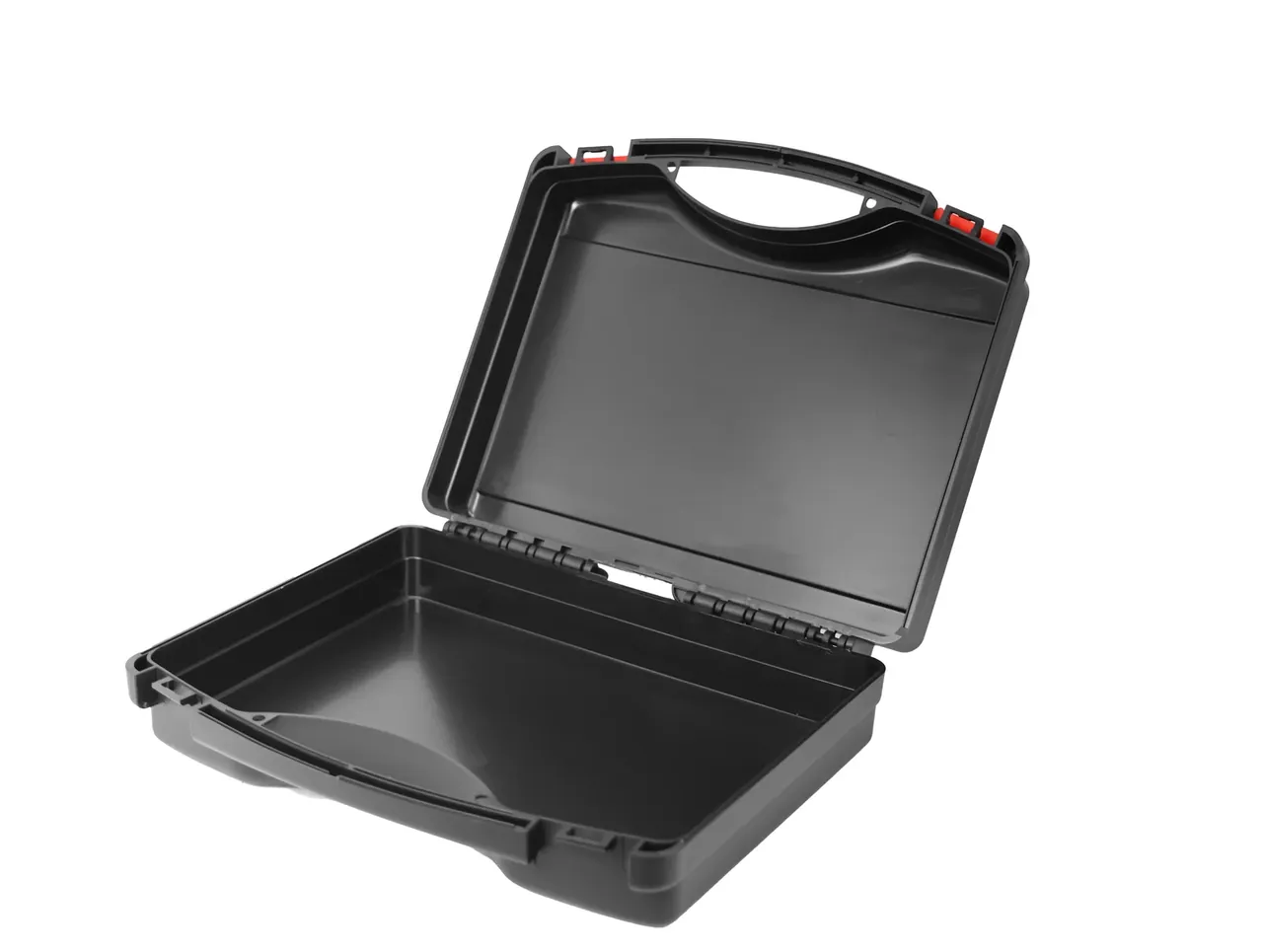
Quick answer: Export packing decides the load for a 40HQ twice over, first by the case envelope and then by pallet rules: a 520×380×200 mm case ships 945 loose and 640 on 1200×1000 mm pallets, a 32% loss in gaps and clearance.
Table of contents
- Three layers around one case
- Pallet size sets the stack height
- Doing the 40HQ maths twice
- Condensation, desiccant and crates
- Packing list and shipping marks
- FAQ
1. Three layers around one case
Export packing starts with a 0.05 mm PE bag, heat sealed with 40 mm spare at the mouth; at 85% humidity inside a 40HQ it blocks condensation on the shell, not rain. The second layer is a 5 mm honeycomb corner at each corner, proven by a 1.2 m drop on six faces, three edges and one corner, with crush under 3 mm. The third is a five-ply K=A carton at 1800 kPa burst, voids filled with 20 mm dividers.
| Layer | Material | Specification | Acceptance |
|---|---|---|---|
| Inner | PE bag | 0.05 mm, sealed | No damp, 40°C, 72 h |
| Corner | Honeycomb | 5 mm, one each | Edge intact, 1.2 m drop |
| Carton | Five-ply K=A | 1800 kPa burst | No bulge, 4 high, 30 days |
| Closure | Water tape | 60 mm, H pattern | No residue on opening |
Packed cost per case runs 0.3 for the bag, 0.8 for corners, 6.5 for the carton and 0.6 for tape, 8.2 in total or about 4% of FOB, money hidden in the unit price until boxes arrive soft.
2. Pallet size sets the stack height
Export packing puts the pallet first, since it sets how high cartons go. The 1200×1000 mm four-way pallet stands 150 mm tall and weighs 18 kg; a 560×420×250 mm carton sits 2 by 2, 4 to a layer, 4 layers to 16 cases, a load 1.15 m high and 168 kg gross.
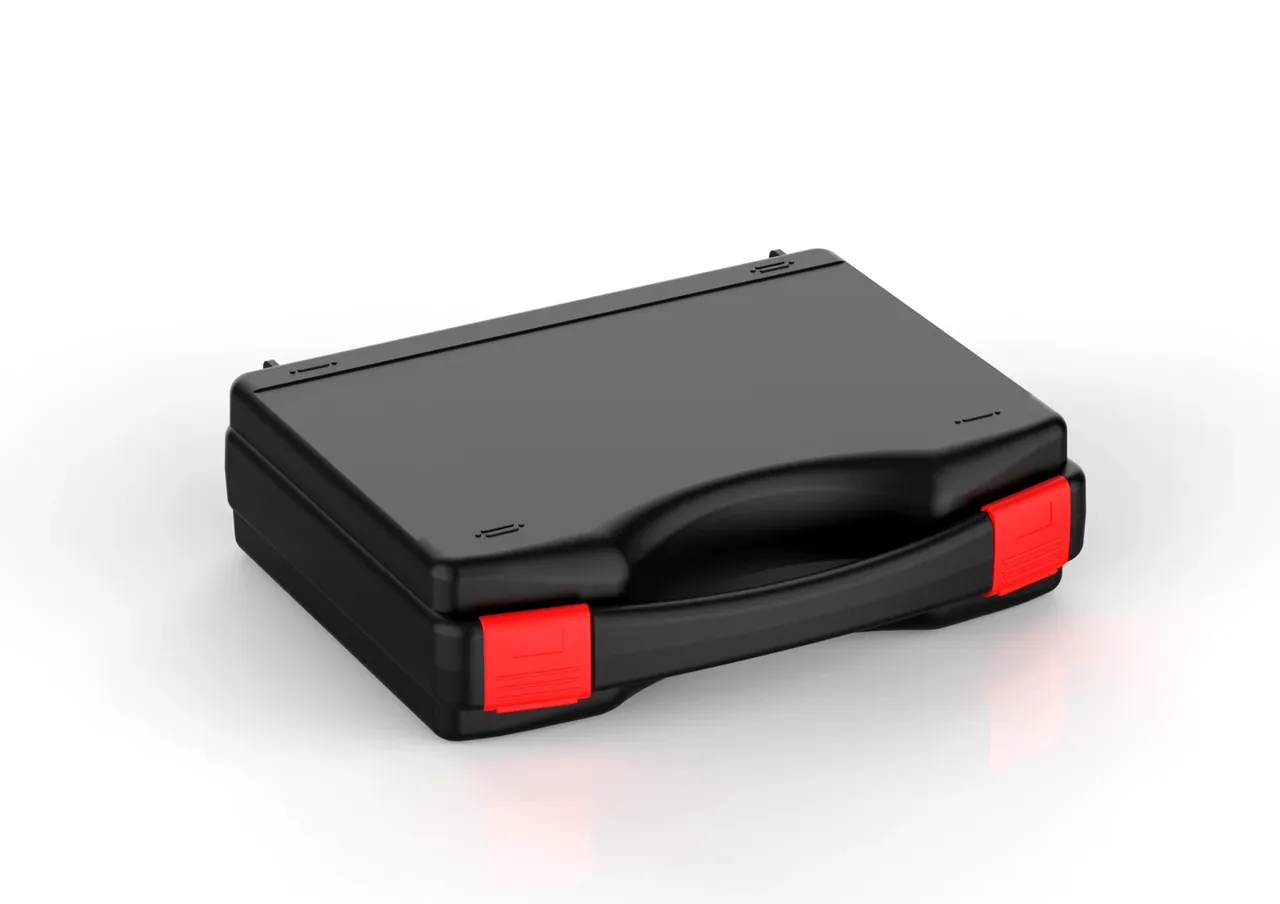
Four layers, not six, is a pallet-height call: two loads stack to 2.3 m under the 2.39 m height, leaving 90 mm for the forks.
Film goes on in 3 wraps at 25 μm, with 2 PP bands 15 mm wide at 200 mm and 700 mm. Bands bear on 1.2 m edge boards: a bite past 5 mm crushes the flutes and takes 30% off compression strength.
3. Doing the 40HQ maths twice
A 40HQ measures 12.03×2.35×2.39 m internally, 67.6 CBM, rated 26 t, with a 2.34×2.28 m door, so export packing load is calculated by volume, never by weight.
Volume: 67.6 CBM times a 0.85 stowage factor gives 57.5 CBM usable, and a 0.0588 CBM carton divides into 977 cases loose on the floor. Weight: 26,000 kg over 9.4 kg gross gives 2,766 cases. Cube runs out while weight still holds 4 times the room.
| Case cavity | Carton | Gross | 20GP loose | 40HQ loose | 40HQ palletised |
|---|---|---|---|---|---|
| 380×290×160 mm | 420×330×200 mm | 5.6 kg | 1,078 | 2,150 | 1,200 |
| 520×380×200 mm | 560×420×250 mm | 9.4 kg | 450 | 945 | 640 |
| 700×500×300 mm | 740×540×350 mm | 17.8 kg | 168 | 384 | not viable |
Recalculate per size, not by scaling one model. The 700 mm case breaks on a pallet, since a 740 mm carton will not fit twice along the 1200 mm deck. Export packing on pallets costs the 520 mm model 305 cases, and only a buyer who wants forklift-to-racking justifies it.
4. Condensation, desiccant and crates
Humidity inside a 40HQ runs 65% to 85%, and a 15°C swing puts water on the ceiling; five-ply board climbs from 8% to 14% moisture and loses half its compression strength, which is why cartons arrive soft.
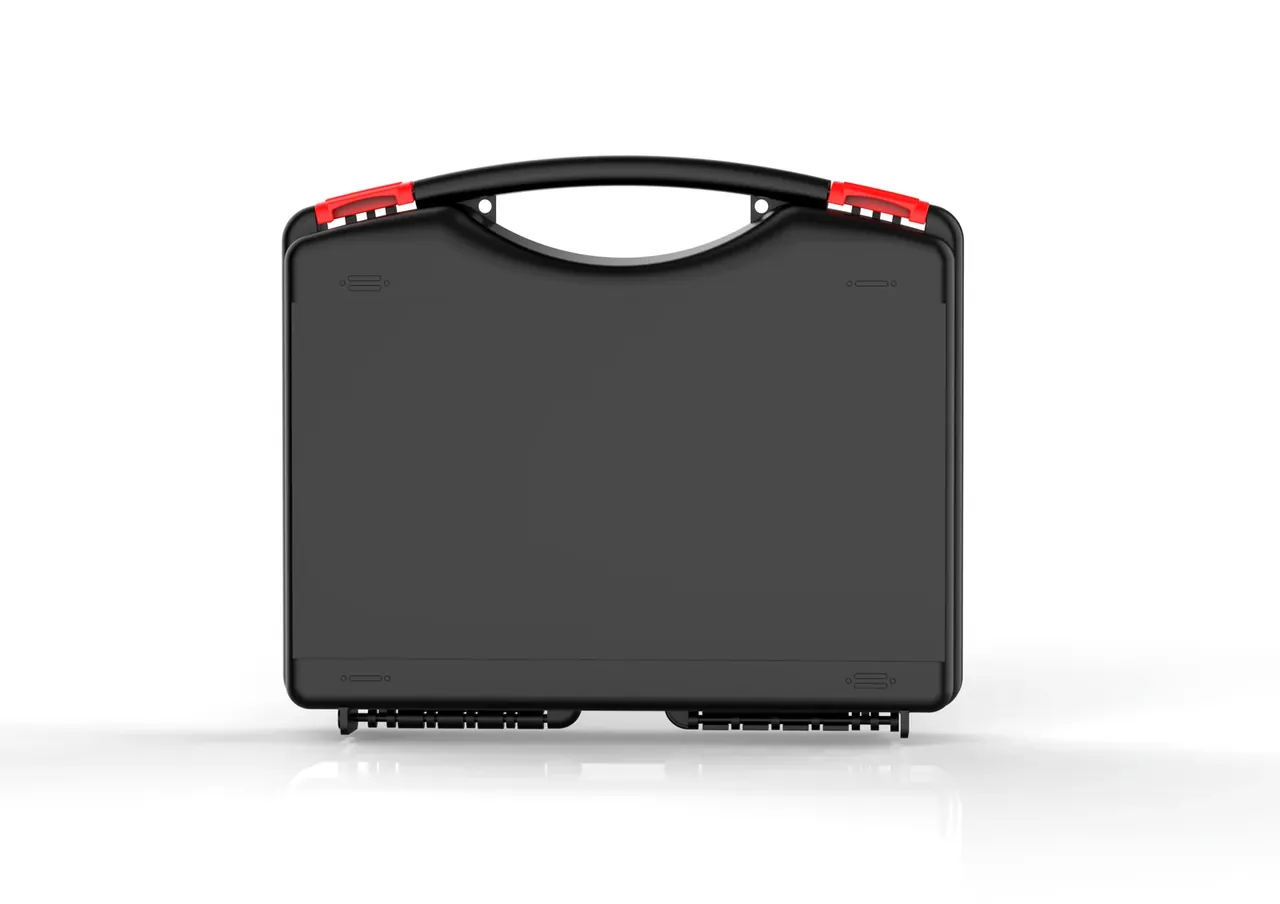
Desiccant goes in at 500 g/m³, so a 40HQ takes 30 kg of calcium chloride rated at 200% absorption for 30 days, hung at the doors, midships and low at the door end.
Plywood crates are exempt under ISPM 15; solid pallets need the IPPC stamp and 56°C heat treatment for 30 minutes, or a European port may turn the load back. Above 25 kg gross, export packing moves to a 12 mm crate with 30 mm EPE lining, which carries 6 tiers at about 3 times the carton price.
5. Packing list and shipping marks
An export packing list carries six columns: description, model, quantity, net weight, gross weight, volume. Net is written at 8.2 kg and gross at 9.4 kg, volume to four decimals at 0.0588 CBM; rounding to three drifts half a cubic metre per 40HQ.
The main mark holds consignee code, port of discharge, piece number such as 1/40, gross weight and dimensions; the side mark holds description, CBM and origin, 50 mm high in oil-based ink, clear of the H-tape on two faces.
Three records must agree: carton mark, packing list, bill of lading. One piece out of step buys a customs inspection and 2 extra days.
Conclusion
Export packing for cases rests on three calls. Keep all three layers, since 8.2 saved per unit is repaid as rework at destination. Size the load by cube, because a 40HQ carries 4 times the weight it can hold in volume. And decide pallets by whether the buyer owns a forklift, since loose loading beats palletised by 32% at sea. Nobody then quotes 900 units into a box that holds 640.
This article discusses only the container (case body) side of specifications and design intent, and does not cover any handling, loading or use of the contents.
Related Reading
- Shipping case selection guide
- Specialised shipping and storage case specifications
- Rotomoulded case construction
- Shipping case problems and fixes
Related Products
- 8 Series — Gun Cases; Military Equipment Cases; Camera Equipment Cases; Drone Cases; Watch Cases; Knife Cases; First Aid Cases; Electronics Equipment Cases
- WL8-2812 PP Gun Case — model WL8-2812
- All protective cases and toolboxes: 7 series, 158 models