

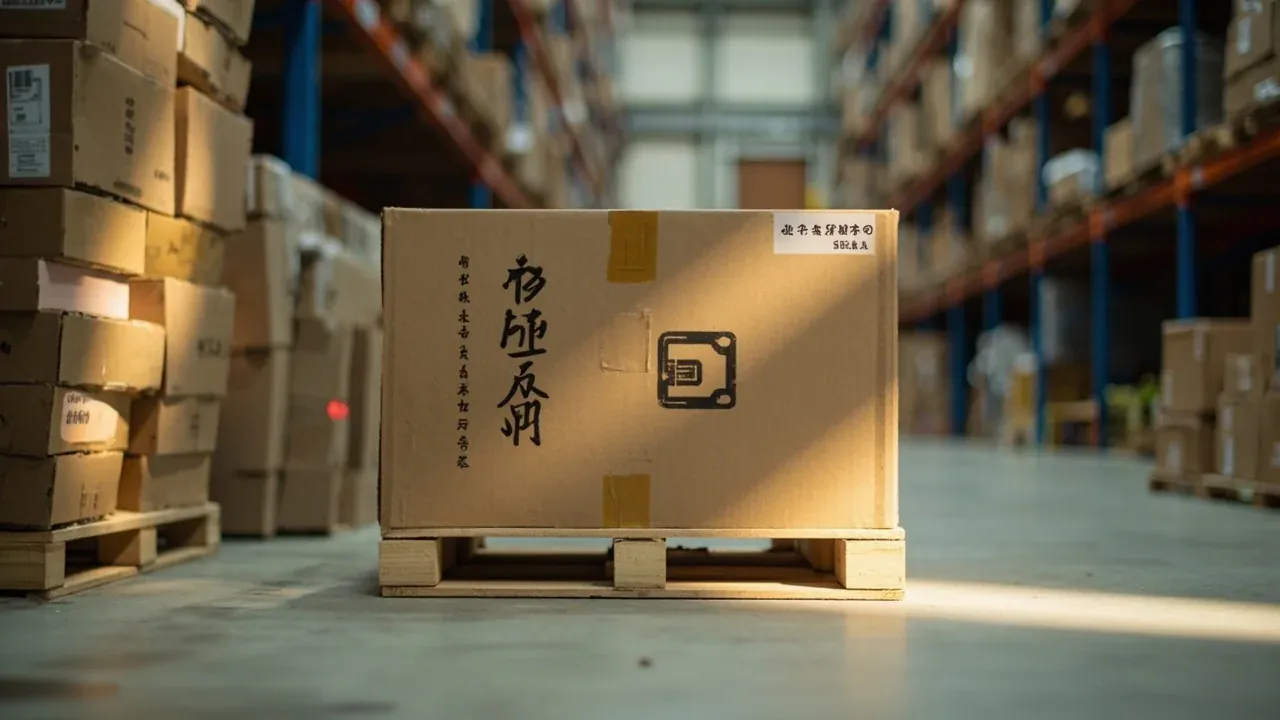
Quick answer: Two variables decide the material: storage duration and handling count. Short one-way trips favour corrugated, medium repeated handling favours timber, long damp storage favours rotomoulded plastic. A wrong choice does not fail at once — it settles in year three.
Table of contents
- Three materials, two variables
- Timber: strong, but damp and nails
- Corrugated: cheapest, most scene-dependent
- Plastic: expensive up front, cheap later
- Mixed use: choose shell and liner separately
- FAQ
1. Three materials, two variables
Timber, corrugated and plastic rise in cost, but performance is not linear — each excels at one thing. Timber carries and stacks, corrugated cushions cheaply, plastic seals and weathers. Storage duration and handling count decide which matters.
Beyond a year and five moves, corrugated's cost advantage disappears because each move consumes structure; timber holds but needs moisture treatment; plastic costs most up front and overtakes on total cost from year three.
| Material | Unit cost | Sealing | Stacking | Life |
|---|---|---|---|---|
| Corrugated | lowest | none, bag only | 3 to 4 tiers | one or two moves |
| Timber | medium | poor, liner needed | 4 to 6 tiers | three to five years |
| Rotomoulded | highest | full gasket | 4 to 6 tiers | eight to ten years |
2. Timber: strong, but damp and nails
Timber carries and stacks best at moderate cost, the traditional choice for medium and long storage. Its problems are moisture content and nail holes: above eighteen percent the wood releases vapour, and repeated handling widens nail holes into water paths.
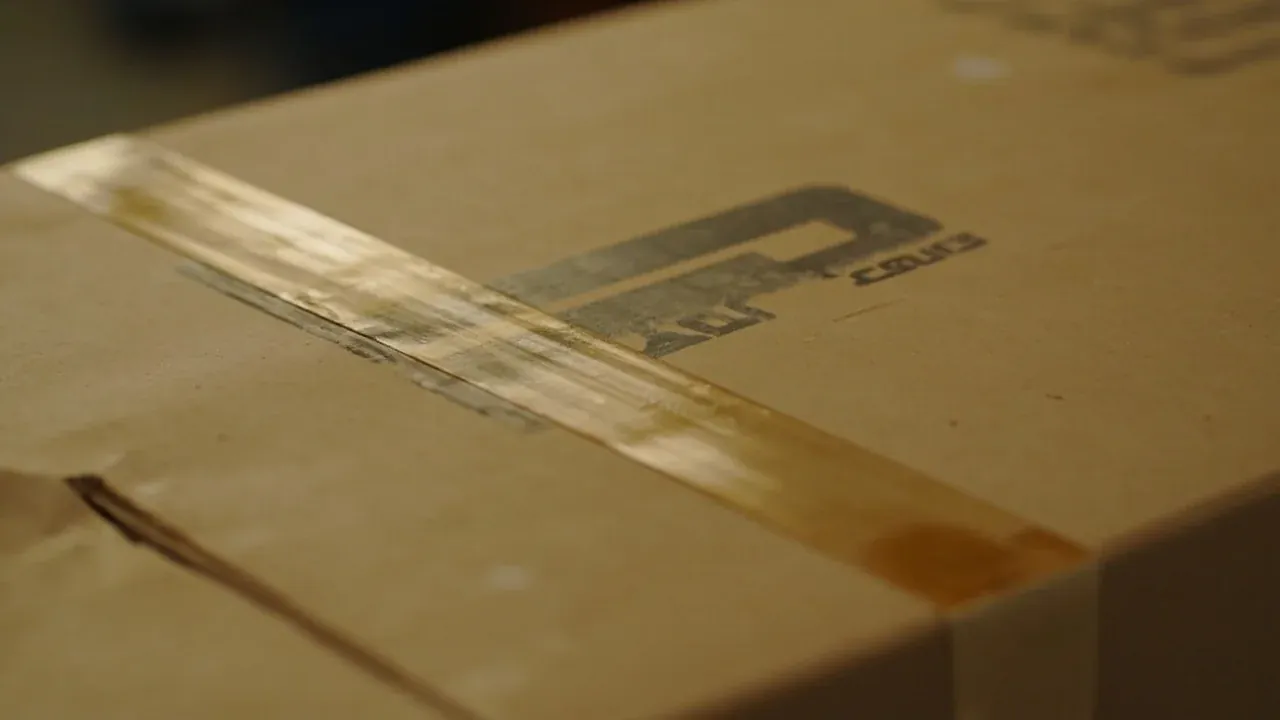
Dry to below twelve percent, line with a barrier film, coat the outside and add metal corner protectors at the nail lines. Done, timber serves three to five years in a dry store.
3. Corrugated: cheapest, most scene-dependent
Corrugated costs a third to a half of timber and cushions well, which suits one-way delivery. Its weakness is moisture and load: wet board loses over half its strength, and stacks above four tiers collapse.
Use it for fast turnover — under a month and two moves. Once storage stretches, the saving is eaten by rework and scrap; ask whether the box will sit in the store for more than thirty days.
4. Plastic: expensive up front, cheap later
A rotomoulded box costs two to three times timber but is the only one that seals fully. For ammunition, sealing sets storage life, so its value is not durability but stretching storage from one year to three or more.
Its weaknesses are empty volume and recycling: it does not fold, return transport costs more, and disposal needs a channel. Below five trips those two cancel the sealing benefit, which is why it does not suit one-way delivery.
5. Mixed use: choose shell and liner separately
The three are not exclusive: timber shell with a plastic liner puts stacking on wood and sealing on plastic; corrugated with a foil bag puts cushioning on board and moisture on foil. The gain is specialisation, the cost an extra assembly step.
Fit matters: ten millimetres between liner and shell for handling and cushioning. A bonded liner deforms with the shell on impact and loses its independent seal — confirm at sampling, since tooling changes later are expensive.
Conclusion
Two sentences: under a year, choose corrugated or timber on cost; beyond a year with unstable humidity, choose plastic on sealing. Mixed shells and liners combine both strengths, provided the fit is fixed at sampling — tooling changes cost more than the material difference.
This article covers container-side specifications and design implications only, not the handling, loading or use of the contents.
Related Reading
- Ammunition packing box standards
- What an ammunition box is
- Ammunition container materials
- Case seal materials
Related Products
- 8 Series — Gun Cases; Military Equipment Cases; Camera Equipment Cases; Drone Cases; Watch Cases; Knife Cases; First Aid Cases; Electronics Equipment Cases
- WL8-2812 PP Gun Case — model WL8-2812
- All protective cases and toolboxes: 7 series, 158 models