

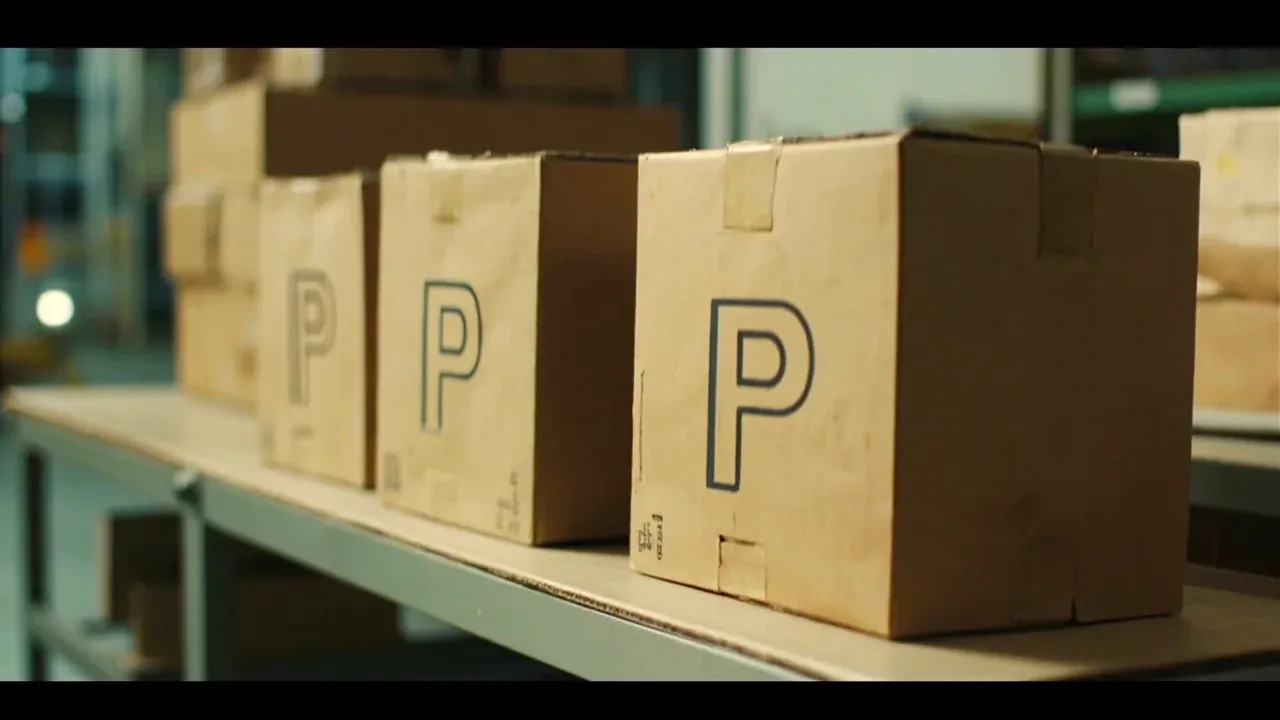
Quick answer: Three requirements carry an ammunition packing box: sealing that keeps moisture out, cushioning that absorbs a drop, and markings readable after three years. Meet all three and the box stores, survives transport and counts; price and finish come last.
Table of contents
- The three standard requirements
- Sealing: two lines from shell to liner
- Cushioning: the drop attitude sets the reinforcement
- Marking: three layers of information, three positions
- Acceptance: three checks done on site
- FAQ
1. The three standard requirements
A packing box differs from ordinary packaging not in strength but in predictable performance: it keeps contents dry across a temperature and humidity range, keeps them intact within a drop height, and keeps markings readable for a stated life.
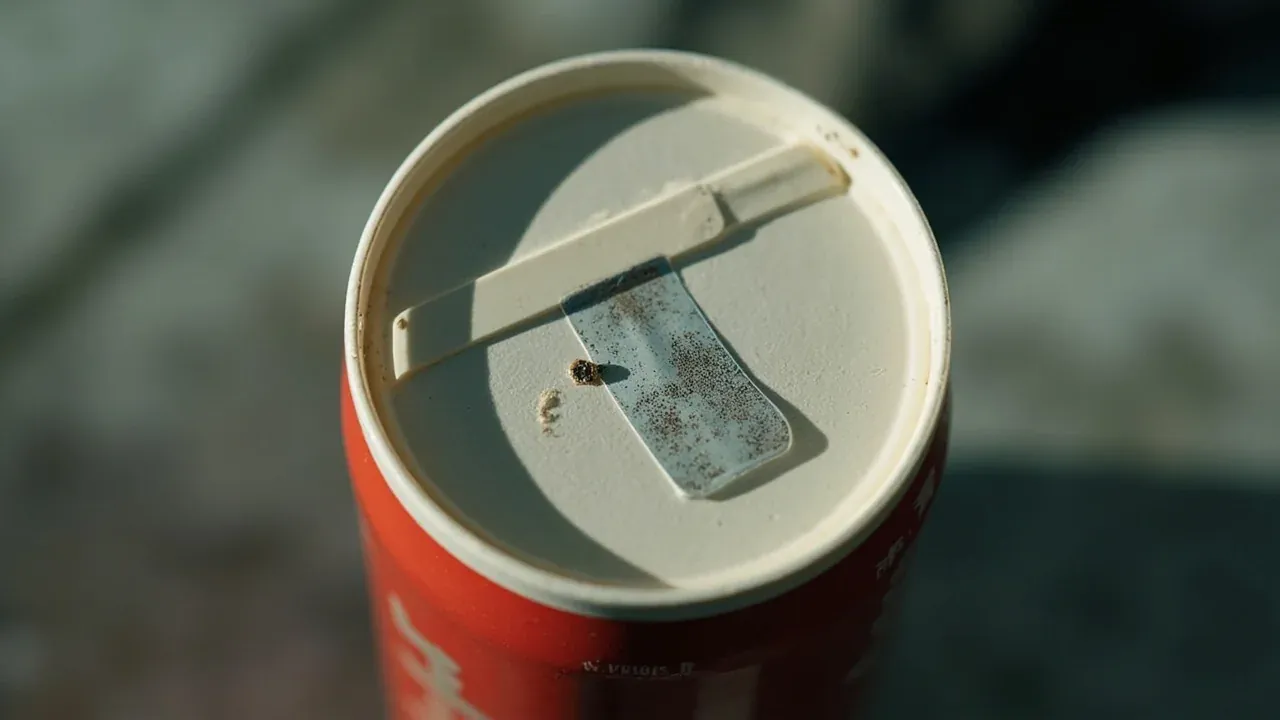
Marking life is the one most often skipped. Boxes sit two or three years before issue, paint wears off in handling and labels curl in the cold, so contents are confirmed by opening — a cost paid in counting hours, not unit price.
| Requirement | Test | Pass mark | If short |
|---|---|---|---|
| Sealing | paper strip and humidity card | stable humidity over 48 hours | cartons damp, contents cake |
| Cushioning | 1.2 m six-face drop | no shift, no shell penetration | corner cracks, internal impact |
| Marking | rub test and cold bend | readable after three years | confirm by opening |
2. Sealing: two lines from shell to liner
Two lines: the lid gasket on the shell, and a barrier bag or foil laminate inside. Both together support long storage; with only the first, humidity still climbs as the box breathes through temperature cycles.
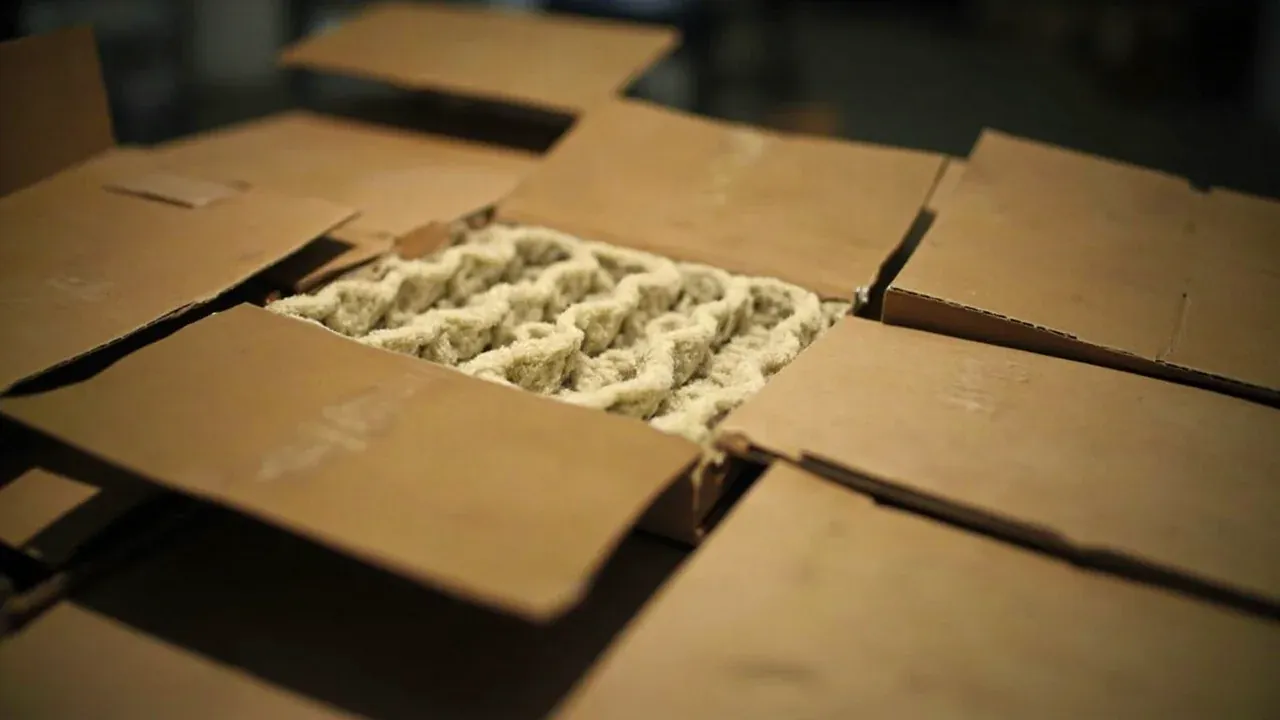
The second line is often dropped because the box already seals, but in a store with wide swings the box breathes daily — thirty cycles a month. A foil bag cuts that path for a few percent of the box cost.
3. Cushioning: the drop attitude sets the reinforcement
A drop test is ten attitudes, not one: six faces, three edges, one corner. Failures cluster at the bottom corner and the long edge — one crushes the corner, the other bulges the side. Reinforce those four corners and four edges rather than thickening evenly.
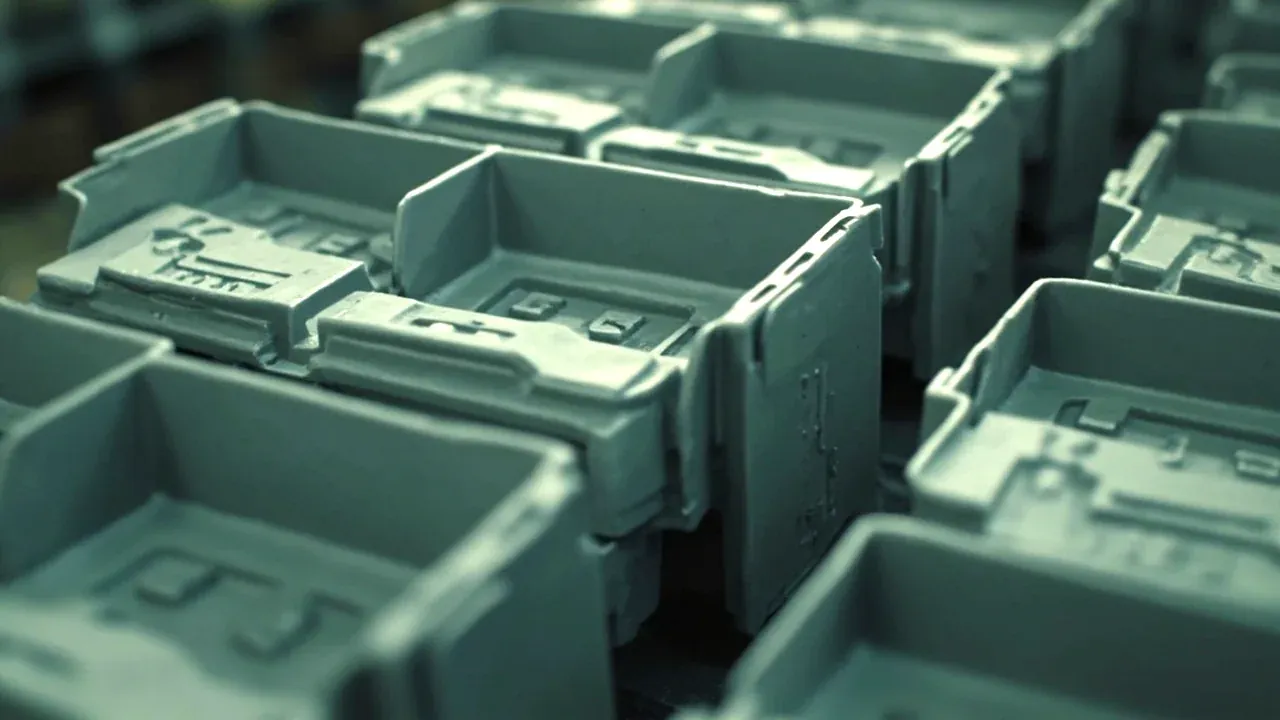
Structure beats thickness: corrugated dividers creating a ten to fifteen millimetre floating layer crush on impact and absorb energy; packing solid transmits it straight through.
4. Marking: three layers of information, three positions
Layer the marking: fixed data moulded in — category code, capacity class; batch data on a durable label; destination on a replaceable label. Changing a batch or a destination then replaces one layer, not the whole box.
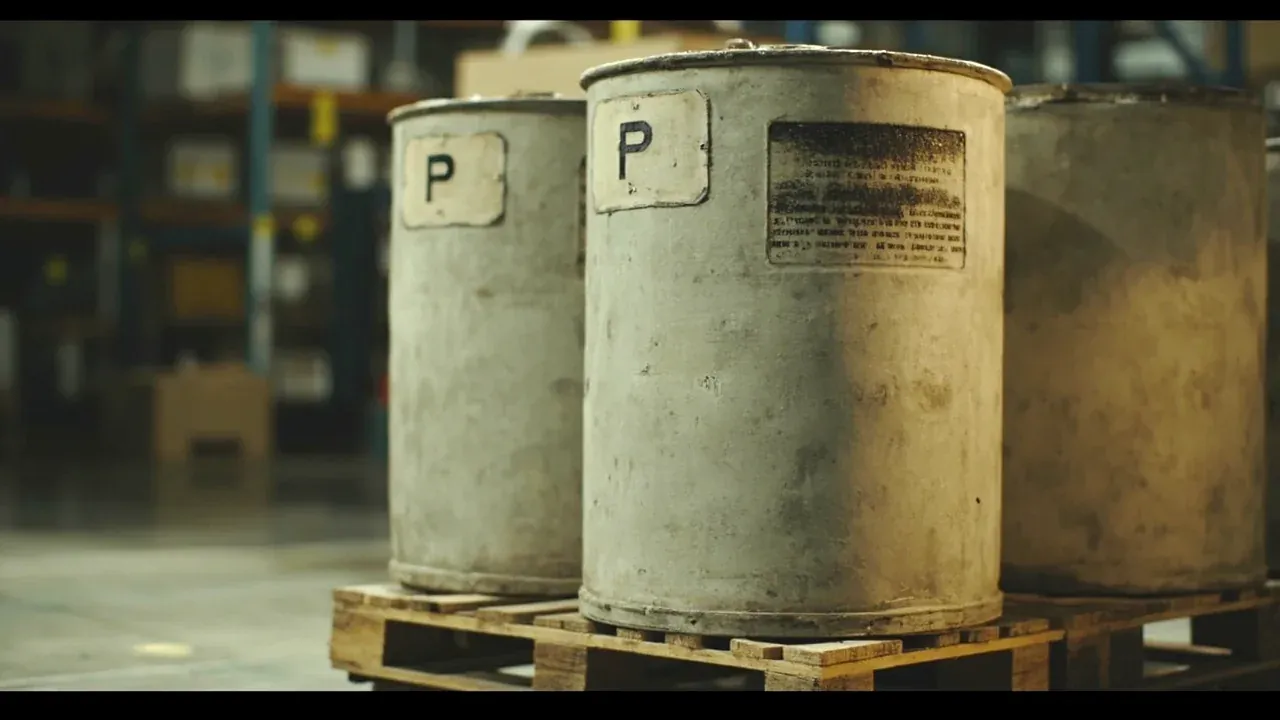
Positions must survive stacking: two long sides plus one end is the minimum. A single marked face leaves half the stack facing the wrong way, forcing a walk around or a turn.
5. Acceptance: three checks done on site
First, a paper strip around the rim for gasket continuity; second, an empty six-face drop and a visual check; third, a rub and a cold bend on the label. None needs a laboratory — calipers, paper and a freezer will do.
Sample one percent per batch and spread it across production dates; a batch spanning weeks often mixes material lots, and the difference shows up in the sample.
Conclusion
Three lines cover it: seal in two layers, cushion by structure rather than thickness, and mark in three layers on three faces. All three can be checked on site with simple tools, and a box that fails will surface as damp contents or a slow count two years later.
This article covers container-side specifications and design implications only, not the handling, loading or use of the contents.
Related Reading
- Ammunition packing box materials
- What an ammunition box is
- Ammunition container specifications
- Case seal materials
Related Products
- 8 Series — Gun Cases; Military Equipment Cases; Camera Equipment Cases; Drone Cases; Watch Cases; Knife Cases; First Aid Cases; Electronics Equipment Cases
- WL8-2812 PP Gun Case — model WL8-2812
- All protective cases and toolboxes: 7 series, 158 models