

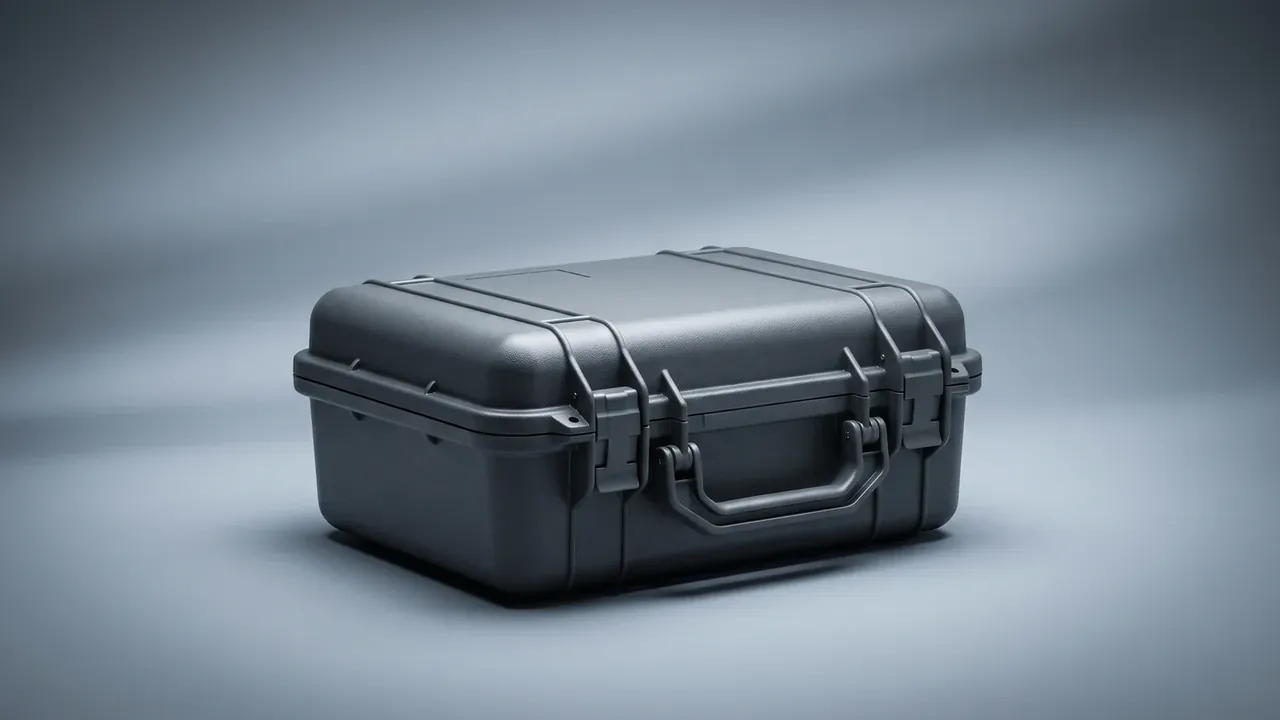
Quick answer: The cost of boxes, small arms ammunition sits in the build and the handling motion, not in the quoted price. Foam dies, inserted dividers and bare cavities differ by less than the price of a meal per unit, while one rework usually costs several times that difference.
Table of contents
- Boxes, Small Arms Ammunition: four sites, four builds
- Turning seconds per pick into money
- Foam dies versus inserted dividers
- Three mistakes and their rework cost
- Salt spray and stack height discounting life
- FAQ
1. Boxes, Small Arms Ammunition: four sites, four builds
One case body, four sites, four different builds. The difference is not the shell but how often the lid opens and who opens it.
| Site | Usual build | Opens per day | Cost pressure |
|---|---|---|---|
| Indoor range | die-cut foam, fixed positions | over 40 | foam collapse, full replacement |
| Patrol shift change | inserted dividers by shift | 6 to 8 | panels loosen, cells mix |
| Depot transfer | bare cavity with a shelf | twice a month | stack height, floor space |
| Field training | foam plus lashing strap | about 12 | moisture and grit ingress |
The four sites share one rule: the more often the lid opens, the more the handling motion drives cost.
2. Turning seconds per pick into money
At a range, one case opens 40 times a shift, with a pick and a return each time, so 80 motions a day. Three extra seconds per motion adds four minutes a day. Four people with four cases makes sixteen minutes, roughly 30 currency units of labour per shift.
That money never appears on a purchase order. It appears on the duty roster. Pick time on boxes, small arms ammunition is an invisible labour cost, spread across every shift of the year.
So the question at the quotation stage is simple: once loaded, how many seconds to reach one cell.
3. Foam dies versus inserted dividers
A foam die for boxes, small arms ammunition is cut once per case size and the tooling cost is spread across the batch. At 200 units, tooling lands near 42 currency units per case; at 2,000 units it falls under 5. That is why the same build can differ almost tenfold between batch sizes.
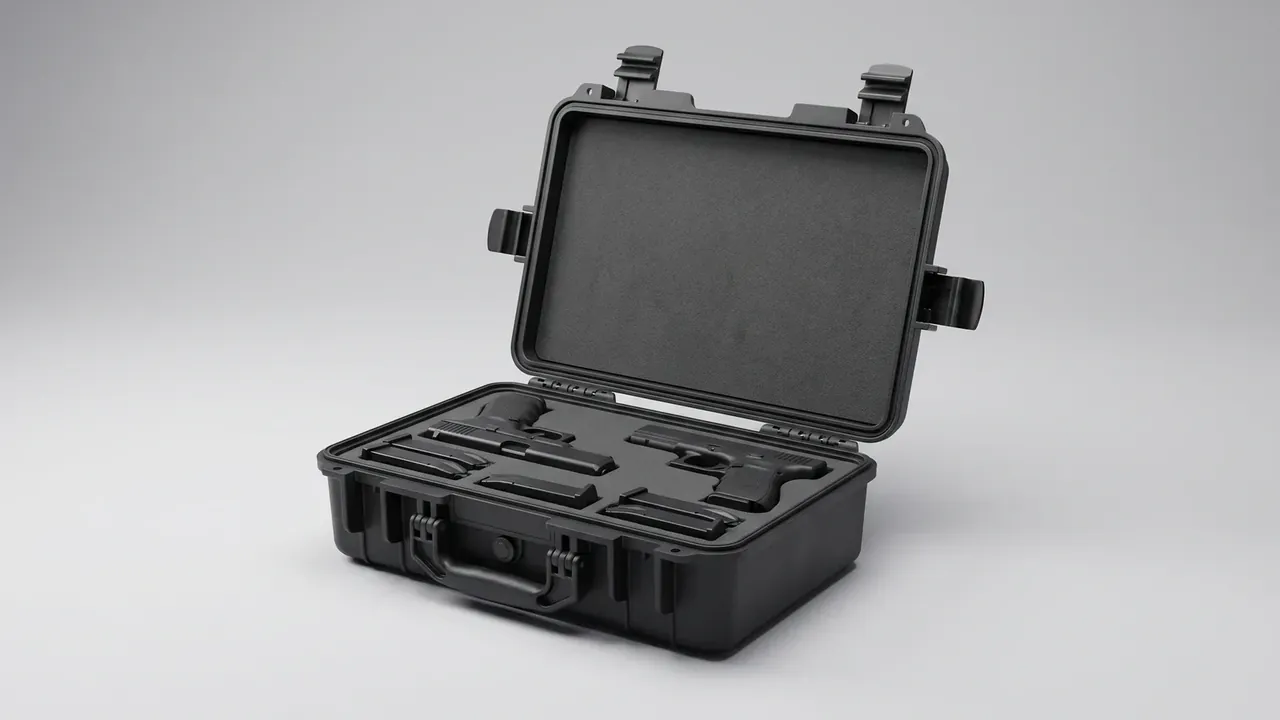
Inserted dividers carry no tooling, but panel thickness and slot tolerance must hold within 0.5 mm. Too loose and cells mix; too tight and the panel will not seat. On short runs, dividers cut unit cost by about 30 percent, paid for in re-layout time whenever the load changes.
Three hundred units is roughly the crossover. Below it, dividers win; above it, the die starts to amortise.
4. Three mistakes and their rework cost
Rework rarely starts with a broken shell. It starts where the build and the motion disagree.
- Foam cut 5 mm too deep lets contents travel in transit, and the block is replaced whole.
- Slots cut loose let cells mix at shift handover, stretching a two-minute count to seven.
- A bare cavity without a shelf dishes the bottom case at three high, condemning the whole stack.
- A lashing strap routed over the lid seam crushes the gasket, and the case is stripped after the first wet season.
| Mistake | Trigger | Rework cost | Prevention cost |
|---|---|---|---|
| Deep foam | die gap over 1 mm | replace the whole block | ten-minute first-article fit |
| Loose slots | tolerance uncontrolled | count overrun, mixed cells | 0.2 mm interference fit |
| Strap on seam | anchor hole too far inboard | gasket strip-down | move the hole out 15 mm |
| Bare stack | no shelf to spread load | whole stack reworked | one shelf panel |
The most expensive row is not the first. A strap over the seam turns a one-minute check into a full gasket job, and that job means pulling hinge pins.
5. Salt spray and stack height discounting life
Site conditions move service life further than any specification line. A coastal training ground rusts hinge pins within two years; the same case inland shows rust at year five.
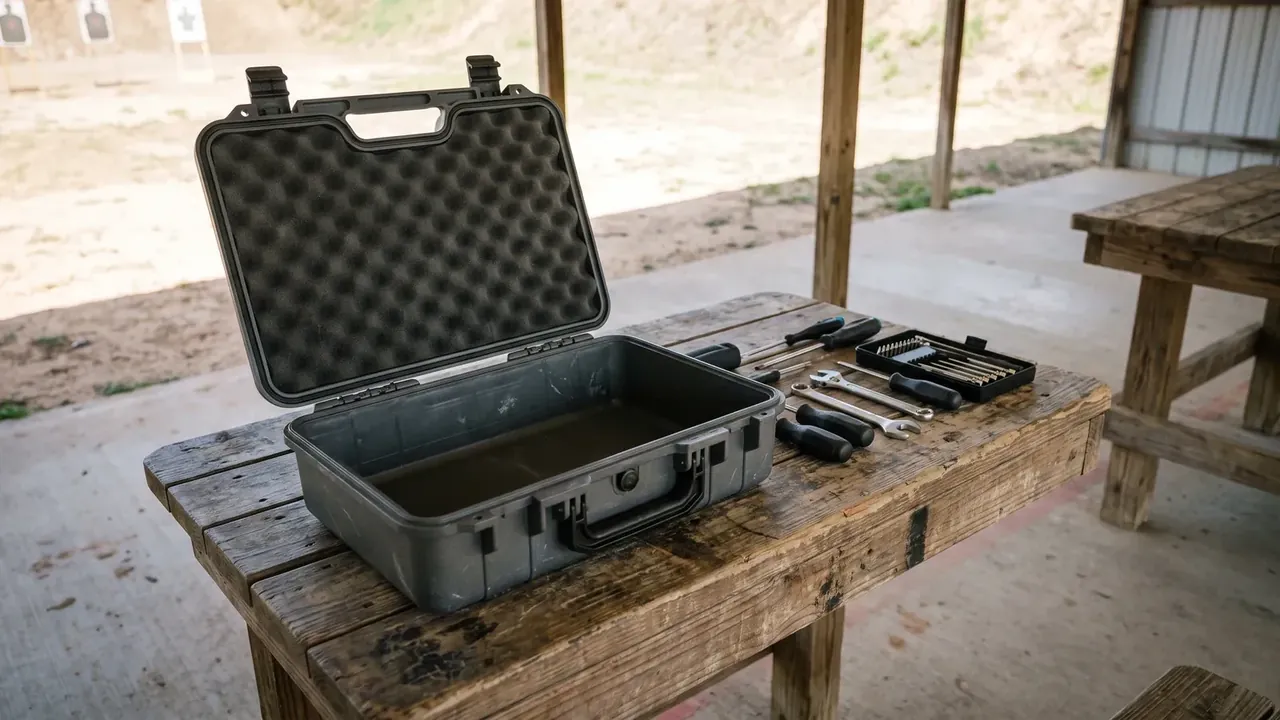
Discount boxes, small arms ammunition by site. A case that passes 480 hours of salt spray runs five years inland and three years on the coast, which lifts annual cost by about 60 percent. Stack height works the same way: 4 high loaded versus 3 high is a rent difference, not a price difference.
Conclusion
Split the cost and boxes, small arms ammunition reduce to three lines: the build sets first-unit cost, the handling motion sets labour cost, and the rework rate sets hidden cost. The third line is the one nobody quotes, and it is the one that decides whether a cheap case stays cheap. Work out all three before comparing unit prices.
This article discusses only the container (case body) side of specifications and design intent, and does not cover any handling, loading or use of the contents.
Related Reading
- Transport marking requirements
- Small plastic cases for parts kitting
- Ammunition stowage in the depot
- Transit cases in depot transfers
Related Products
- 8 Series — Gun Cases; Military Equipment Cases; Camera Equipment Cases; Drone Cases; Watch Cases; Knife Cases; First Aid Cases; Electronics Equipment Cases
- WL8-2812 PP Gun Case — model WL8-2812
- All protective cases and toolboxes: 7 series, 158 models