

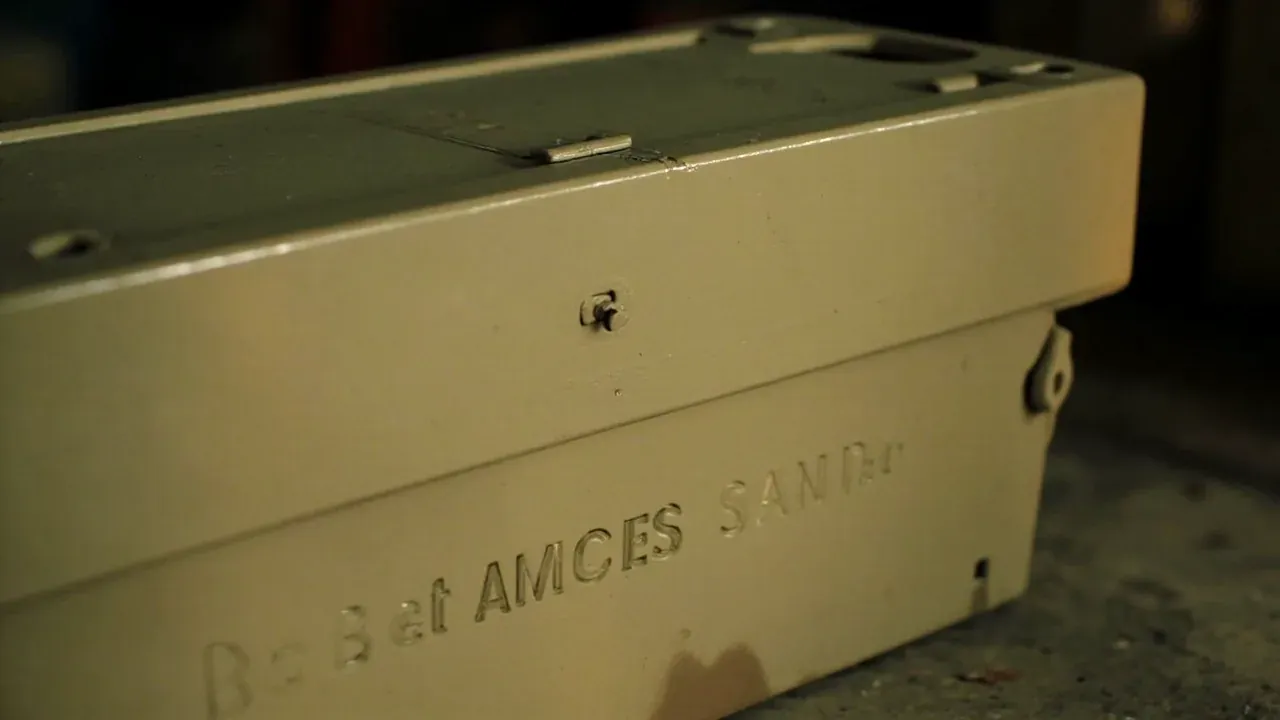
Quick answer: Compartments in a small arms ammunition box are derived, never drawn freehand. Fix the packing unit first, let pitch, wall thickness and interior length follow, and only then cut the mould. Counting rests on positions rather than a tally: equal pockets show an empty bay as one dark patch, and a full box is confirmed by lid ribs and latch travel. Marking splits into lot, orientation and warning zones, each recessed in the tool so a label sits flush and no edge lifts.
Table of contents
- Start from the packing unit, not the bay count
- Turning pocket pitch into interior length
- Reading a full box without counting
- Three marking zones and the recess left for labels
- What each divider option costs when the unit changes
- FAQ
1. Start from the packing unit, not the bay count
Bay count in a small arms ammunition box is derived, not drawn. Fix the packing unit first: how many inner packs one handover covers, how many items each holds, and which way they lie. Only then does a count have a basis.
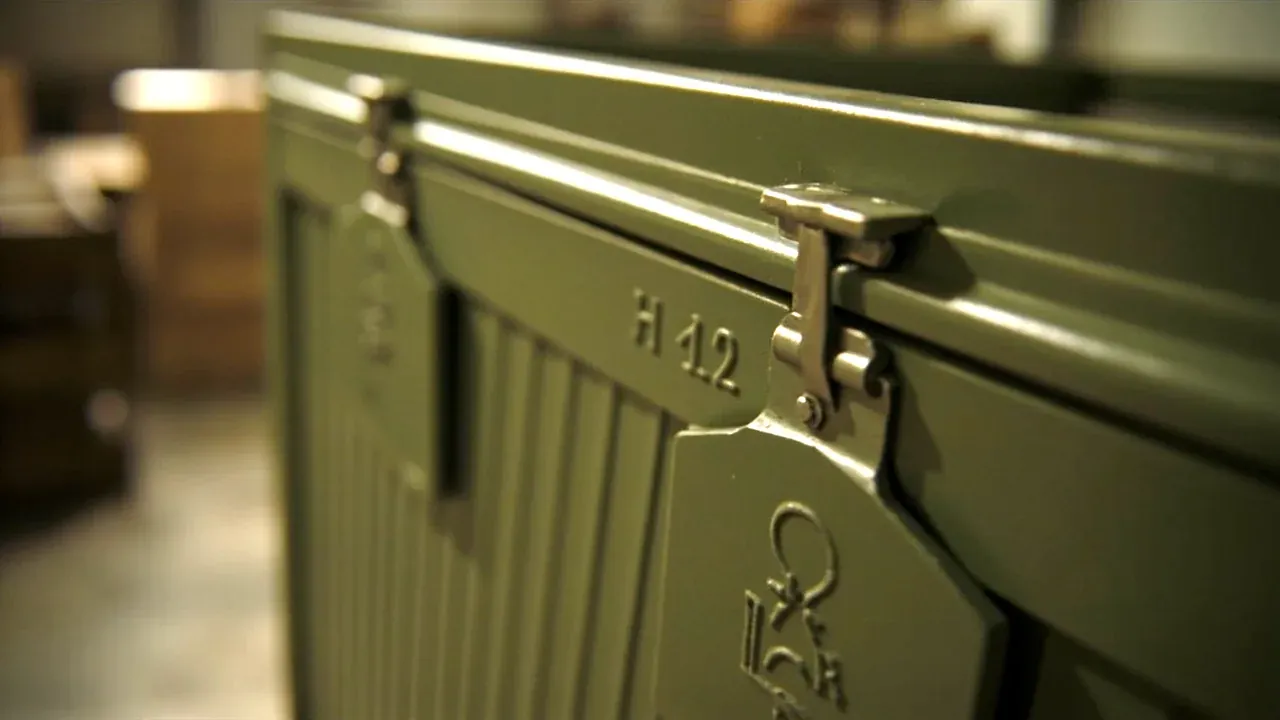
Deriving the grid also frees the tooling. One small arms ammunition box takes another divider insert and goes from six bays to eight while mould, ribs and latch seats stay untouched. Fixed to one outline, a change strands half the bays.
2. Turning pocket pitch into interior length
Pitch on a small arms ammunition box is the largest outline plus two or three millimetres, or the fit turns stiff. Wall thickness runs 2.5 to four millimetres and tracks depth: past eighty, a thin wall bows and pinches the outermost item.
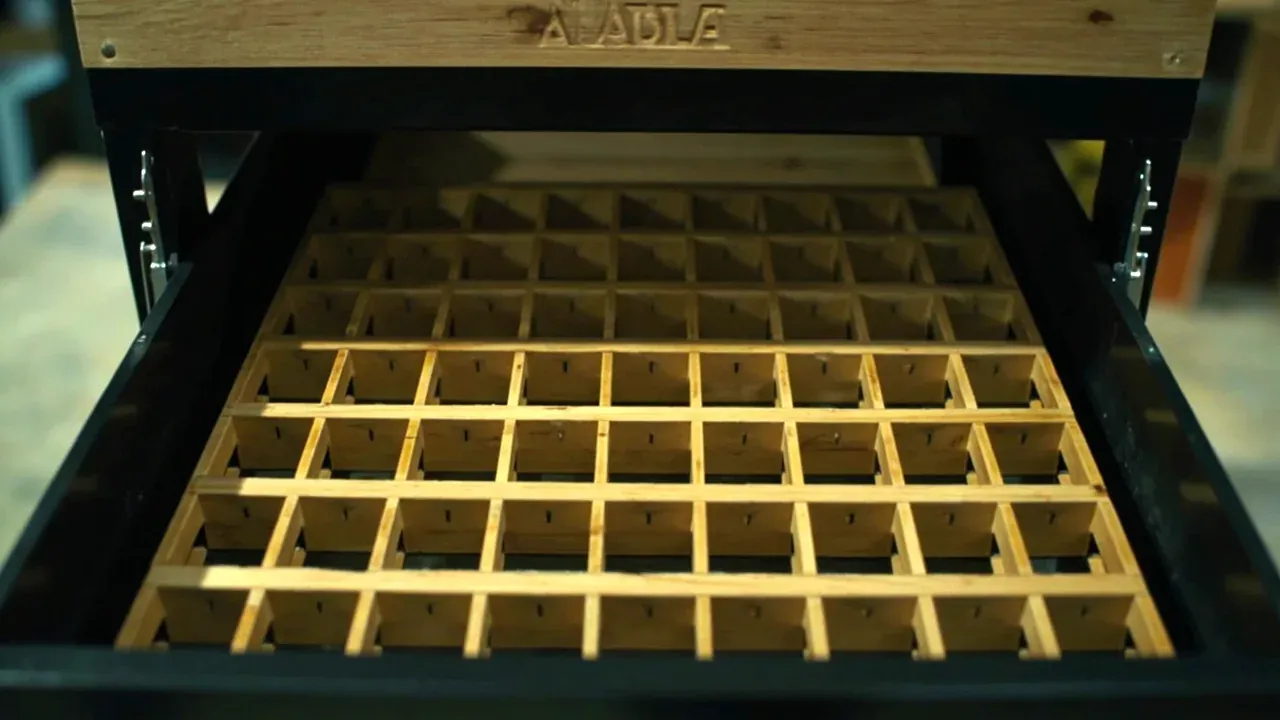
Interior length is pitch times bays, plus wall times bays plus one, plus both margins. At 65 millimetres of pitch, eight bays, three of wall and eight of margin, a small arms ammunition box needs about 563 millimetres, checked against rib intrusions.
| Divider option | Cost of a change | Counting | When it fits |
|---|---|---|---|
| Moulded-in walls | tooling change, months | good, same colour as shell | unit stable for years |
| Slotted inserts | inserts only, 25 mm slot series | good, lift out to wash | two changes a year or more |
| Foam cut-outs | foam only, cut to drawing | poor, foam fills empty bays | fragile items needing cushion |
3. Reading a full box without counting
Counting by eye needs equal depth and width. Uneven pockets flatten the shadow that separates a filled bay from an empty one, so the operator falls back to a tally. A flat floor turns a gap in a small arms ammunition box into a dark patch.
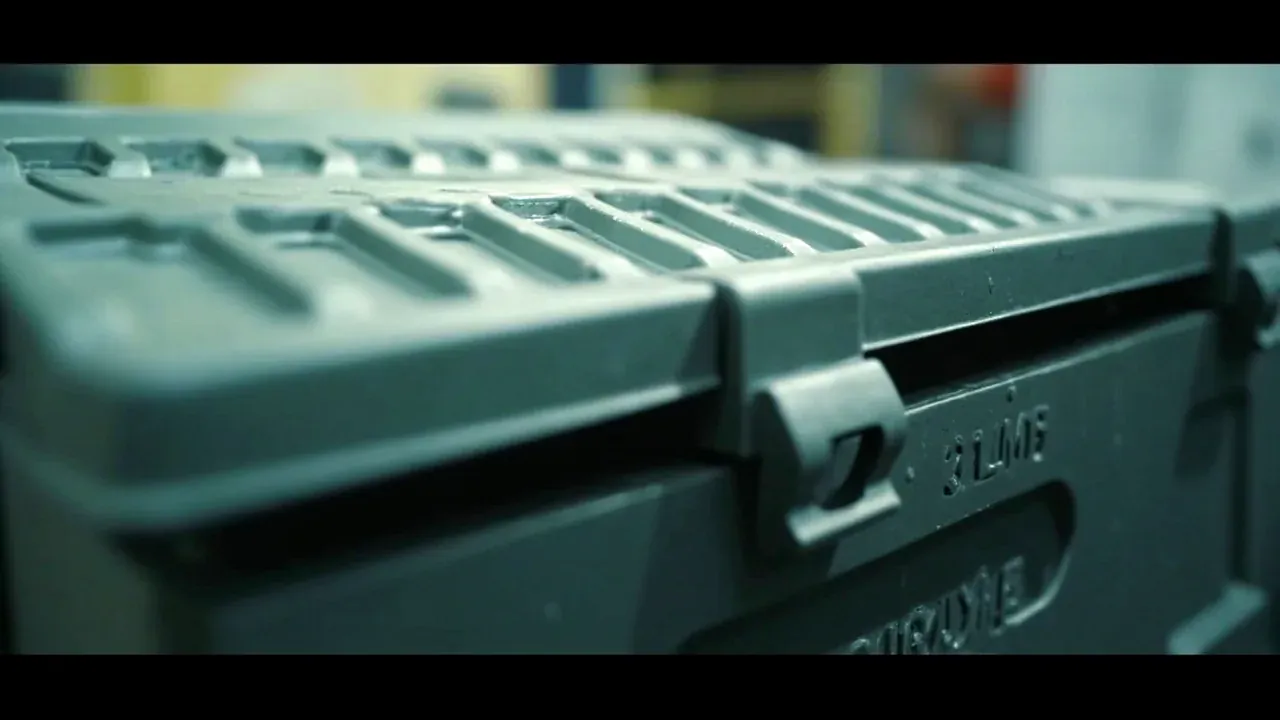
The lid confirms a full load. Ribs inside a small arms ammunition box stop one or two millimetres above the items, so a full box closes flush and each draw latch reaches full travel. One bay short, the latch flips too easily.
4. Three marking zones and the recess left for labels
Three zones on a small arms ammunition box, one face each: lot data on an end wall, orientation on the lid and both long sides, warnings on the other end. All three clear latches and ribs by thirty millimetres; abrasion reaches a label first.
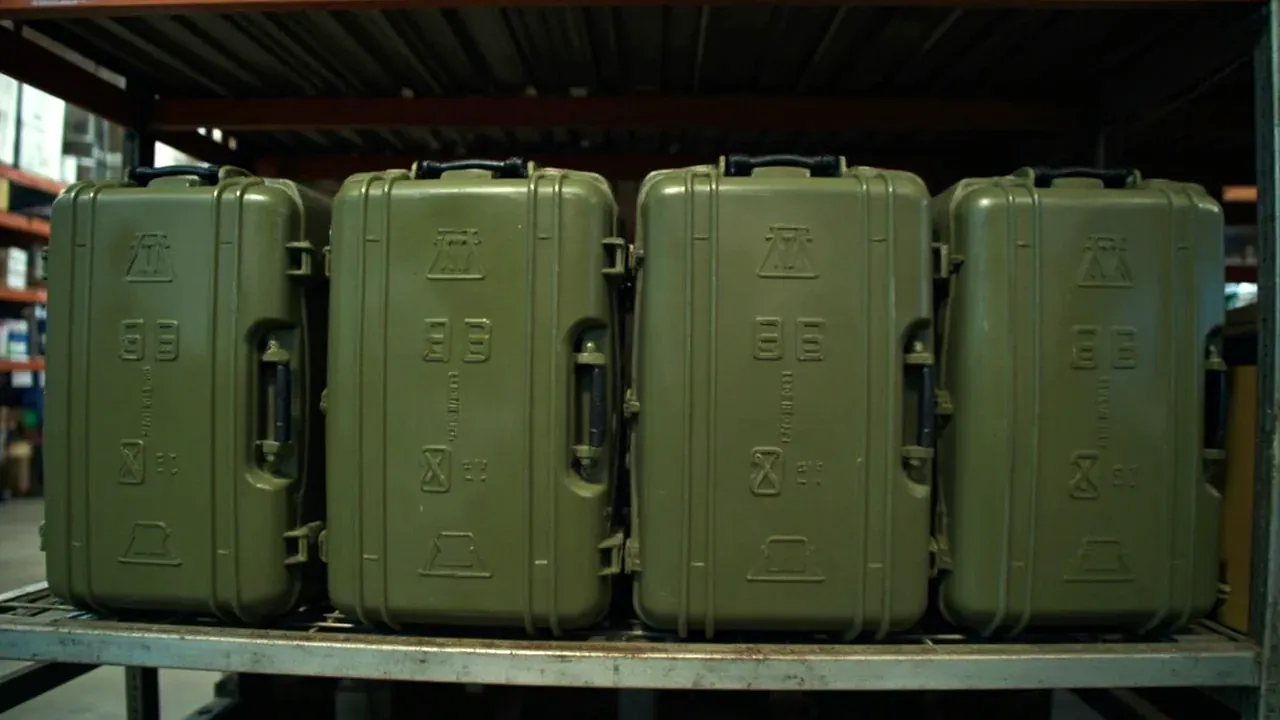
Recesses are cut into the tool, not added later. Each recess on a small arms ammunition box runs two millimetres larger than its label and 0.5 to 0.8 deep, corners rounded, the floor flat.
5. What each divider option costs when the unit changes
Options differ in change cost. A moulded grid shares thickness with the shell and lasts longest, yet a new bay count means months of tooling. Slotted inserts lift out whole; foam hugs an outline best and hides every empty bay.
Four questions settle it: is the unit stable, how often does it change, must it be counted closed, does it get washed. Slot pitch at 25 mm on a small arms ammunition box keeps the most room, and a lift-out insert answers the last two.
Conclusion
Work through five steps for a small arms ammunition box: packing unit, bay count and pitch, counting by eye, marking zones, then the cost of the next change. The first two decide whether the box holds anything, the third whether anyone has to count, the fourth whether marks survive handling. Step one gets skipped, and pitch is then guessed; a wrong guess shows at the first change of item.
This article covers container-side specifications and design implications only, not the handling, loading or use of the contents.
Related Reading
- Packaging and transport marking for the same box
- Inside the Ammunition Stowage Box: Partition Logic for the…
- Rotomolded Cases: Rotational-Moulded Shell Structure & Pro…
- Stacking and transfer in stores and vehicles
Related Products
- 8 Series — Gun Cases; Military Equipment Cases; Camera Equipment Cases; Drone Cases; Watch Cases; Knife Cases; First Aid Cases; Electronics Equipment Cases
- WL8-2812 PP Gun Case — model WL8-2812
- All protective cases and toolboxes: 7 series, 158 models