

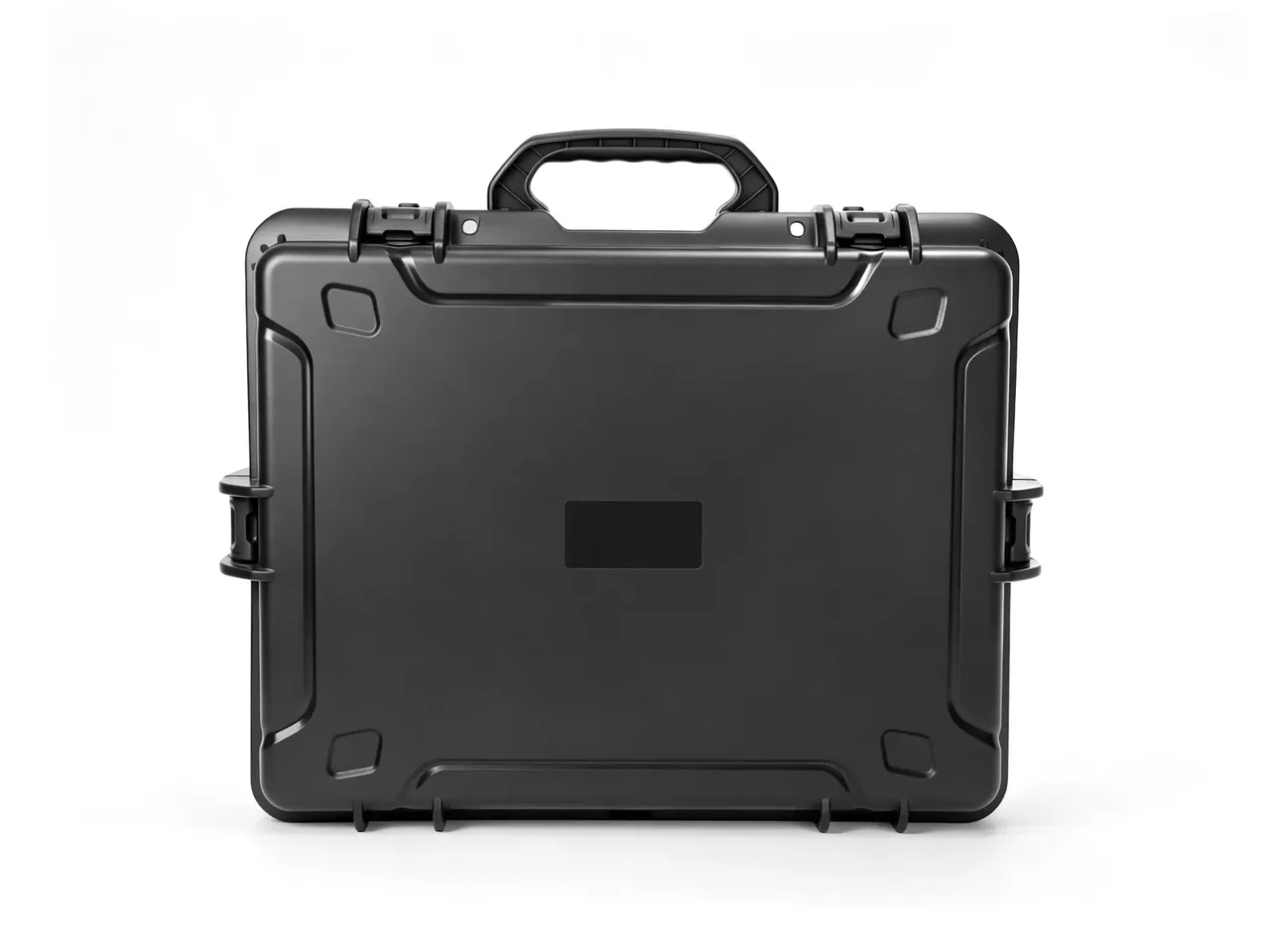
Quick answer: One camera equipment case rarely serves location work, transit and storage equally well. Location work wants fast opening and low zoning density, transit wants stacking strength and a pressure valve, storage wants a seal and no foam compression.
Table of contents
- Three ways a camera equipment case gets used
- On location: the case that opens into a workstation
- In transit: stacking, tie-down and access
- Long-term storage: sealing, dryness and static load
- Where the three uses conflict
- FAQ
1. Three ways a camera equipment case gets used
The three uses differ in load and time scale. Location work is short-cycle and frequent, the lid opening twenty times a day for seconds at a time. Transit is rare and long-distance, the case stacked, strapped and shaken. Storage is static, sometimes for months. Their requirements point in opposite directions, so count the year first: location days per month decide whether the camera equipment case is built for opening or stacking.
| Use | Openings | Dominant load | Configuration focus |
|---|---|---|---|
| Location | ten or more a day | side impact, carrying | zoning and lid angle |
| Transit | one or two a day | stacking, vibration | wall stiffness and tie points |
| Storage | zero to two a month | static load, humidity | seal and foam rebound |
2. On location: the case that opens into a workstation
On location the case is a workstation you carry, so the lid must hold at a fixed angle, by a hinge limit stop or a webbing strap, between ninety-five and one hundred and ten degrees. Zoning density should be low: gloves and poor light make dense slots slow, so one bay takes the body, one per working lens, the rest open for caps and covers. Foam should be soft, since the case is set down on ground, rock and truck bed.
3. In transit: stacking, tie-down and access
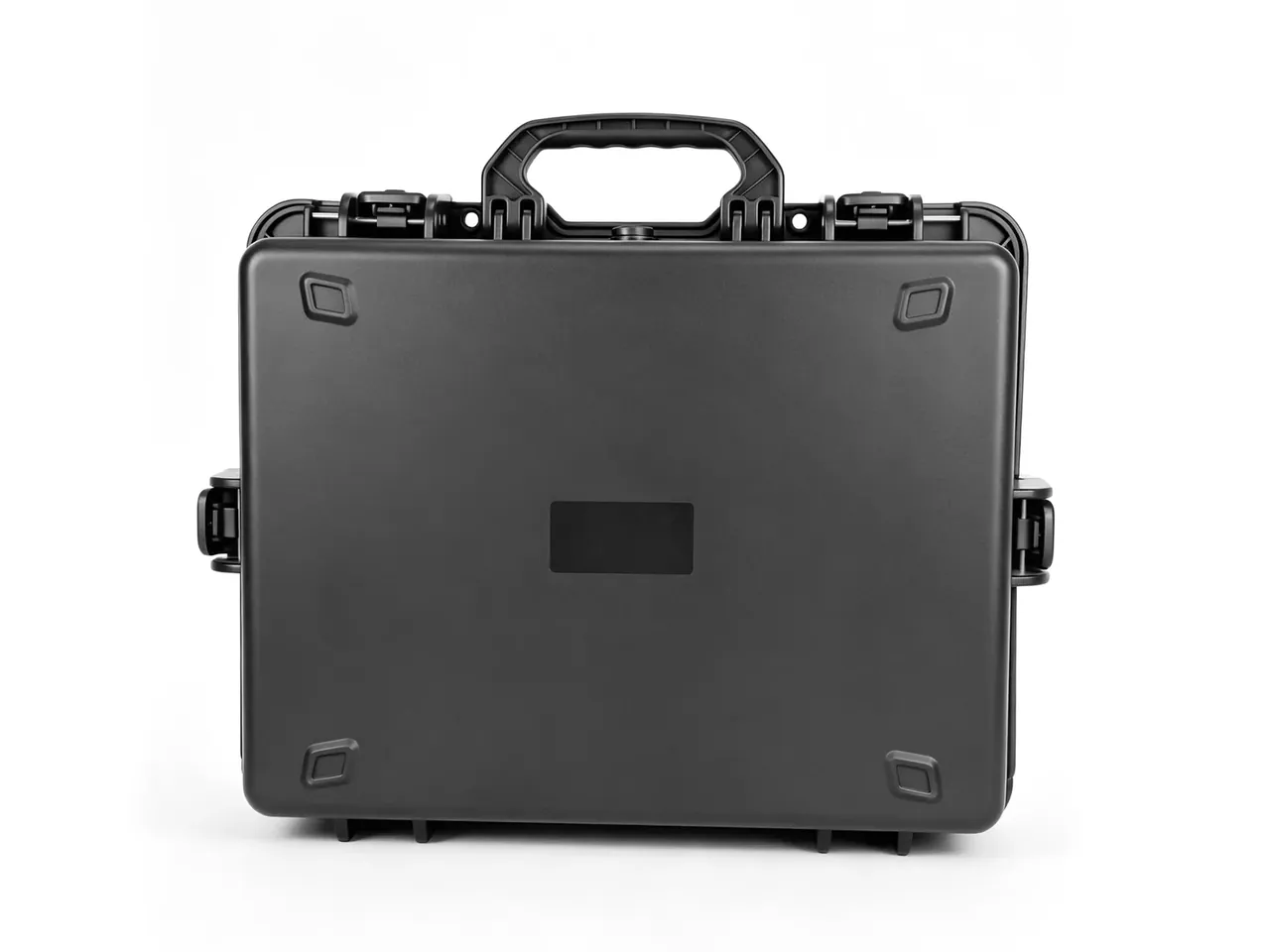
Transit is where the case takes its hardest load: three high, the bottom case carries the two above, and under braking the row surges into the bulkhead. Wall and lid stiffness matter more than foam thickness, so stacking depends on a flat lid and load-bearing corners, and through-holes at the flanks beat a strap through the handle. A pressure valve belongs here too: unvalved cases must be pried open.
| Transit need | Structure | Check |
|---|---|---|
| three-high stacking | flat lid, corner pads | stack two empty cases, watch for rock |
| braking surge | through-holes or side latches | pull the strap, watch for lean |
| opening after a flight | pressure valve | turn the valve, listen for flow |
4. Long-term storage: sealing, dryness and static load
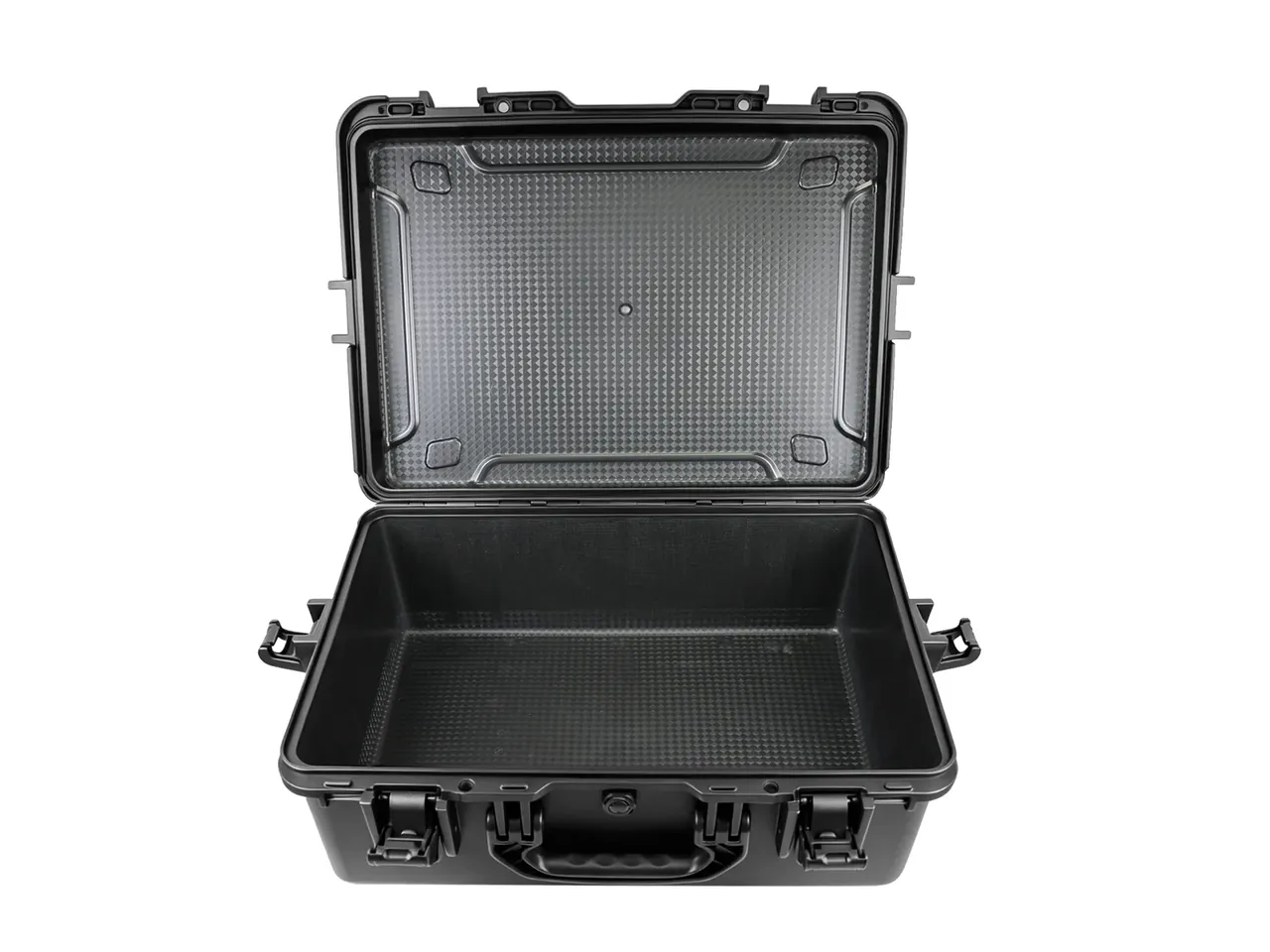
Storage problems come from time: foam under constant load loses rebound, the gasket takes a set, internal humidity follows the room. Do not use the case as a cupboard: an empty slot collapses where a filled one keeps its shape. A sealed case is not a dry cabinet, so add desiccant in the lid pocket and change it quarterly. Above three high, empty the bottom case.
5. Where the three uses conflict
The conflicts are opening speed, foam hardness and weight: fast opening costs a latch check before every transfer, soft foam costs impact resistance, stiffness costs two kilos that tell after a kilometre. The usual compromise shapes the body bay in hard foam and surrounds it with soft foam, losing ten to fifteen millimetres of internal height. The practical answer is division of labour: one case for the dominant use, a light case for the rest.
Conclusion
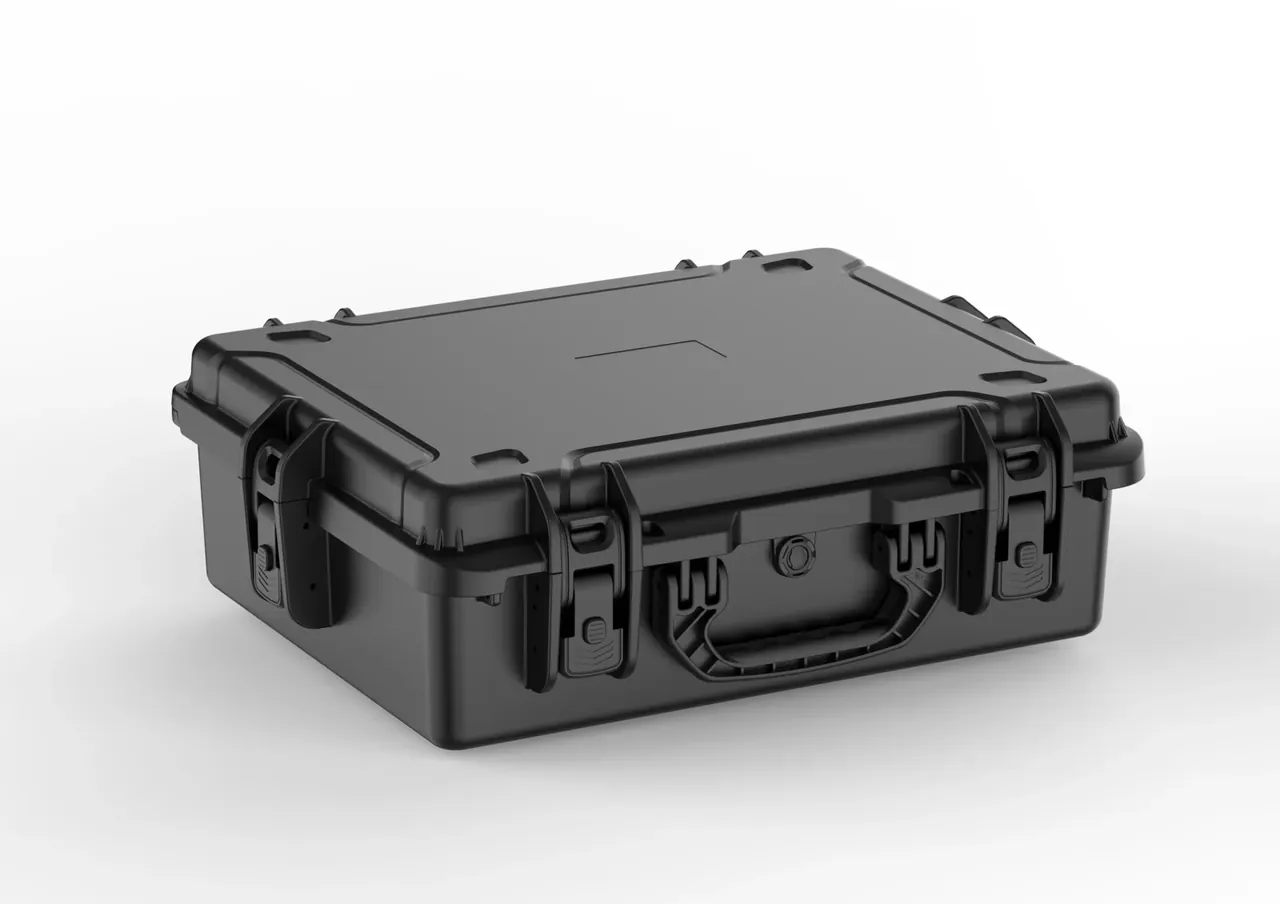
There is no universal configuration: location work is set by opening frequency, transit by load, storage by time, and only one can dominate. Once settled, the size, foam and structure of a camera equipment case have a reference point.
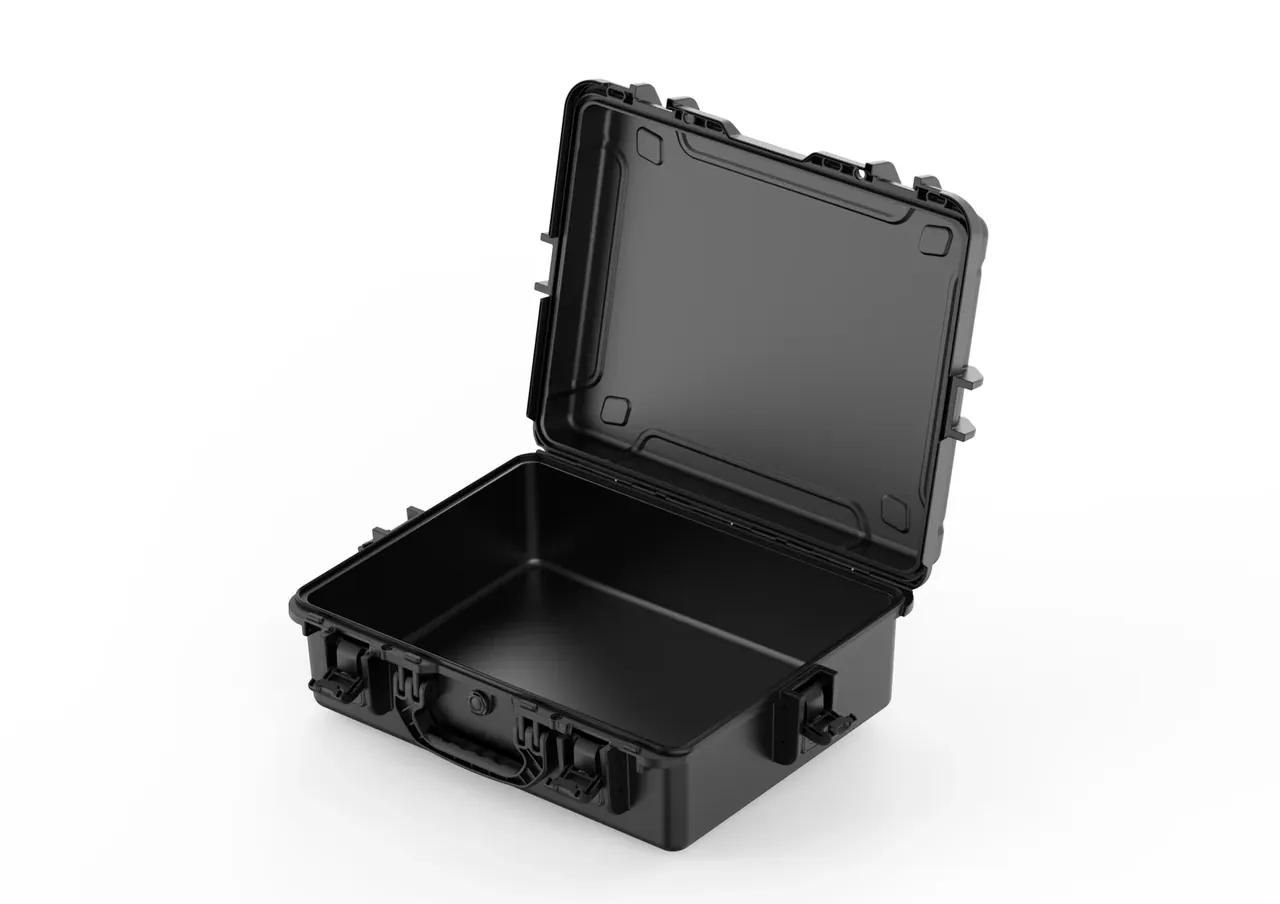
This article discusses container-side specifications and design meaning only, and does not cover any handling, loading or use of the contents.
Related Reading
- Camera equipment case zoning and liner selection
- Drone Case Material Selection: PP, ABS and PC Explained fo…
- How a moisture-proof case seals and controls humidity
- Electronic Equipment Case: Vibration and ESD Protection
Related Products
- 8 Series — Gun Cases; Military Equipment Cases; Camera Equipment Cases; Drone Cases; Watch Cases; Knife Cases; First Aid Cases; Electronics Equipment Cases
- WL8-2812 PP Gun Case — model WL8-2812
- All protective cases and toolboxes: 7 series, 158 models