

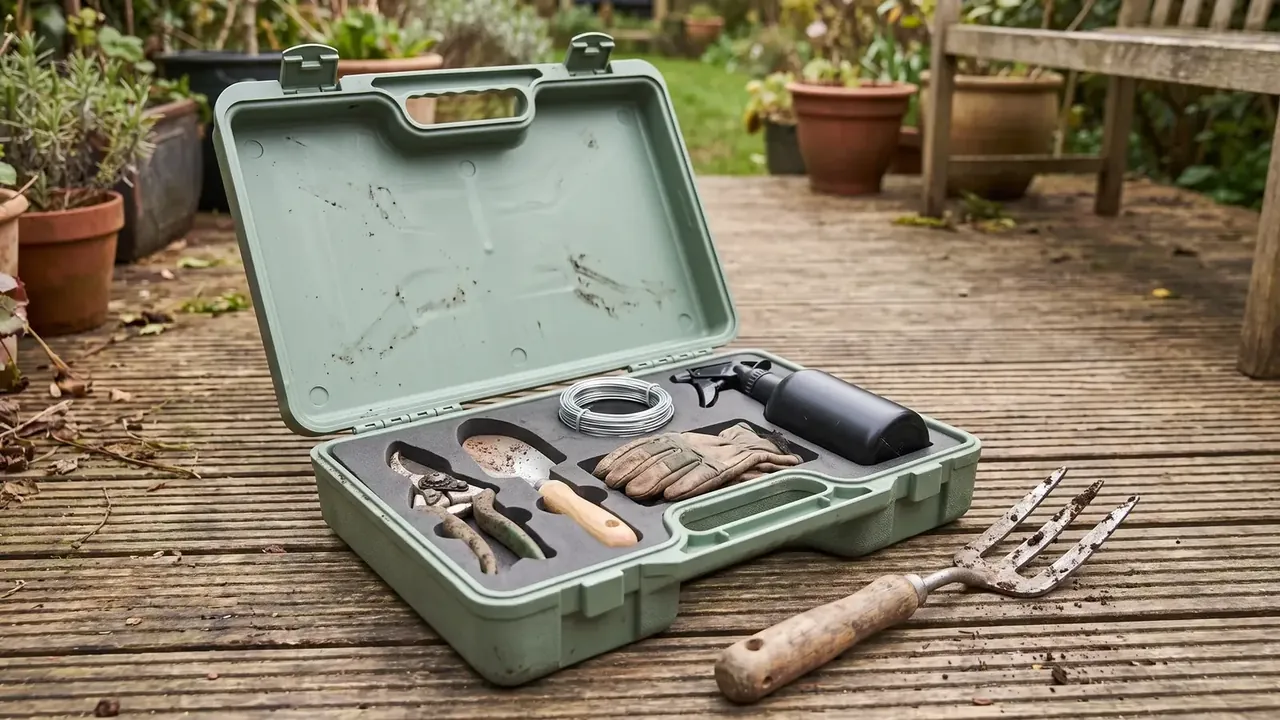
Quick answer: Configuration follows three measured values — how long the box sits, how often it opens, how far it travels. Depot work rewards lid stiffness and a seal point; range work rewards anti-slip feet and one-hand latches; issue points reward hinge life and pocket foam.
Table of contents
- Five Roles a Cartridge Storage Box Plays
- Depot Storage: Stacking and Floor Contact
- Range Support and Temporary Holding
- Issue Points: Draw and Return Rhythm
- Stock Checks and Ledger Fields
- FAQ
1. Five Roles a Cartridge Storage Box Plays
The same cartridge storage box is a stock unit in a depot, a transport unit on the range, and an issue unit at a training point. What changes is the load path: a shelf box carries weight from above, a trailer box carries strap shear. Measure dwell, openings and carry distance first.
Ruggedness alone is the wrong brief. A box out for four hours wants low mass and fast opening; a box stored six months wants lid stiffness and a gasket. Heavy cases cost 5 kg on every short carry; light totes bow within a quarter under stacking.
| Setting | Dwell | Openings | Focus |
|---|---|---|---|
| Central depot | 3–12 months | Weekly | Lid stiffness, seal point, stacking bosses |
| Range support | 4–8 hours | 2–3 per session | Anti-slip feet, symmetric handles, one-hand latches |
| Issue point | 1–3 days | 30–50 per day | Metal hinge pin, pocket foam, document pocket |
| Temporary holding | 1–7 days | Daily | Gasket, sun cover, floor clearance |
2. Depot Storage: Stacking and Floor Contact
Depot duty is static compression. A loaded cartridge storage box weighs 12–18 kg, and at five tiers the bottom lid carries 50–70 kg from the four boxes above for months. Lid flatness beats wall thickness: a 2 mm dish lets the upper box settle in and the stack leans.
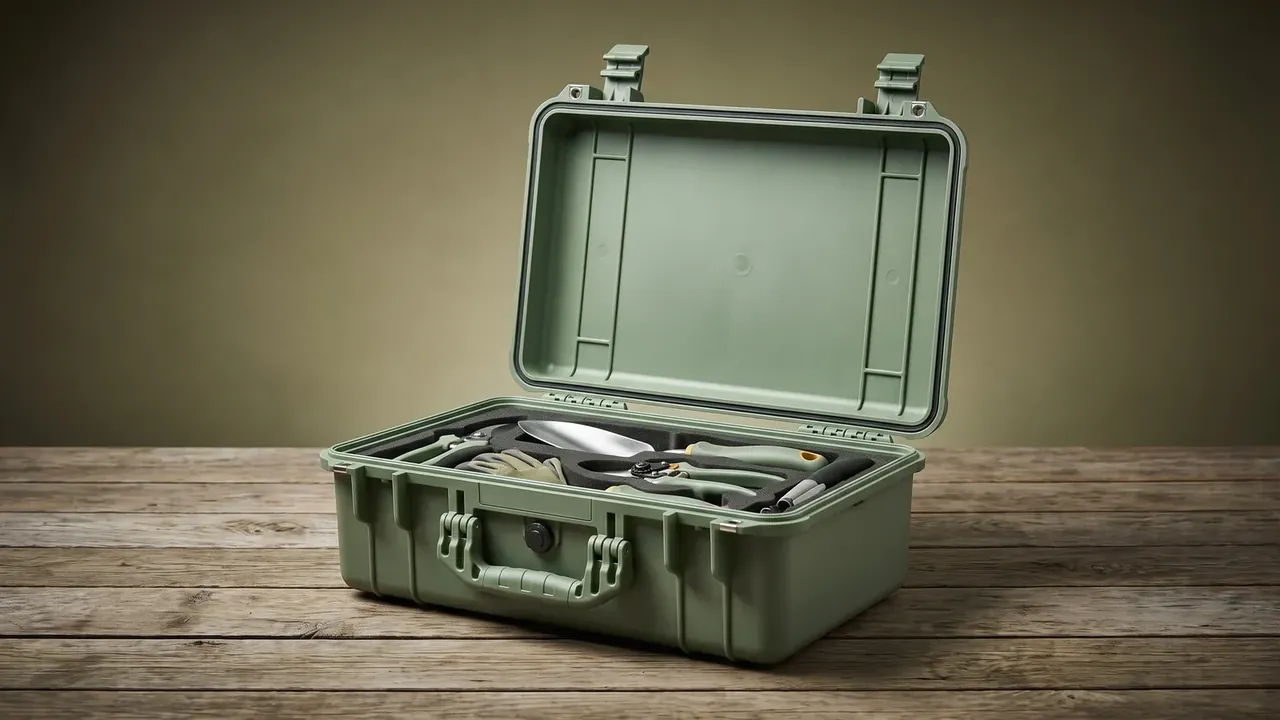
Keep the stack under 1.8 m, allow 450 mm between shelf levels with 60 mm of finger clearance, and hold the base 100 mm off the floor so rising damp stops short. Aisles of 1.2 m pass two people and a trolley.
Hold the room at 45–60% RH with 50 g of desiccant per box, swapped quarterly, and air the lid monthly.
3. Range Support and Temporary Holding
Range support is storage in motion: trailer bed, firing point, canopy, several moves a day. Priorities shift to grip — four anti-slip ribs, symmetric handles, latches that close one-handed.
Temporary holding fails on ground moisture more than rain. Grass cools after dark and a case underside beads with condensate in one night, so 100–150 mm of dunnage beats two extra millimetres of wall. Strap the cartridge storage box with 25 mm webbing at two points, around reinforced bosses rather than the lifting handle.
4. Issue Points: Draw and Return Rhythm
Issue points are defined by opening cycles. Over one training day the same box opens 30–50 times, so the hinge and latch are the wear items. Look for a full-width metal hinge pin and a secondary latch keeper.
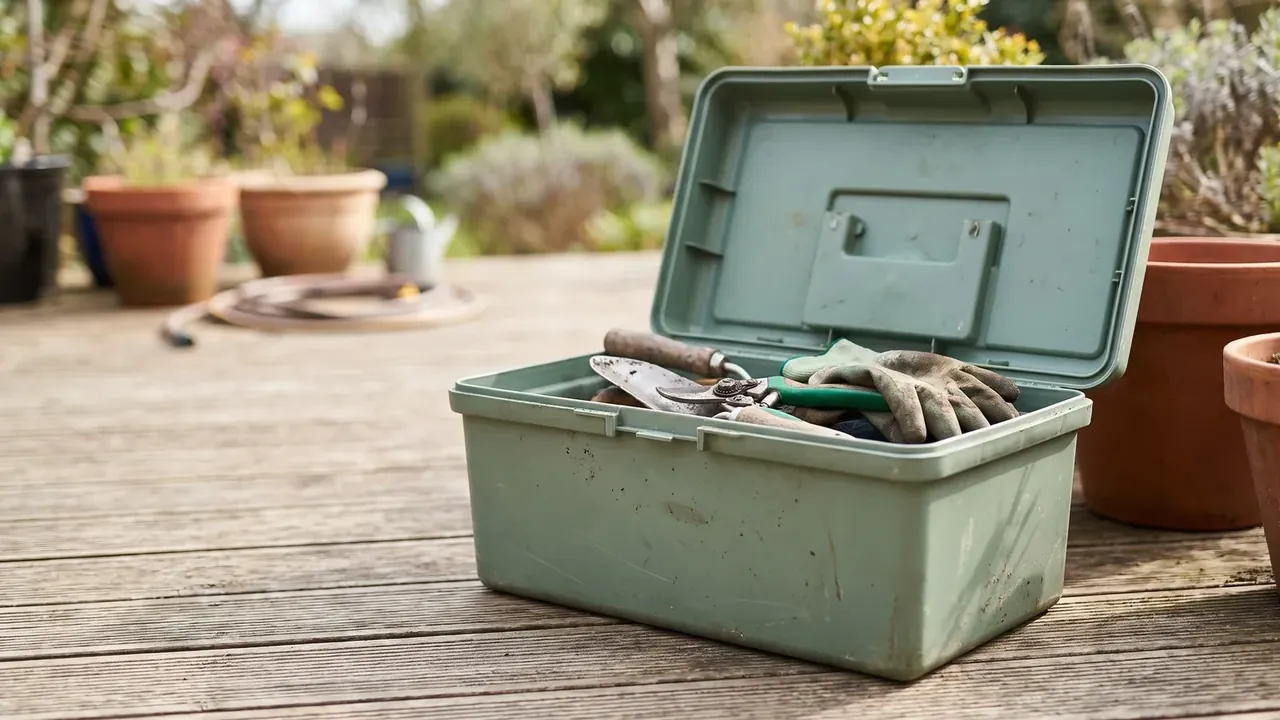
Cut pocket foam around one issue quantity: one pocket per draw, 5 mm deeper than its item so fingers reach in but items do not collide. Specify 30–45 kg/m³ closed-cell foam for rebound.
Write the return rhythm in: count empty cartridge storage boxes within 30 minutes of the last relay, drop the issue sheet into the lid pocket, reconcile against it. Rigid cases do not nest, so return volume equals full-load volume.
5. Stock Checks and Ledger Fields
Let the ledger travel with the box. Four fields cover it: box number, seal number, quantity on hand, current location.
| Field | Recording | Updates |
|---|---|---|
| Box number | Stencil or weather-resistant label, front top left | Once, at induction |
| Seal number | Written against the box number | Every seal and break |
| Quantity | Counted by pocket against the sheet | Every issue and return |
| Location | Bay, vehicle or site reference | Every move |
Labour depends on method. Opening 30 cartridge storage boxes takes two people about 12 minutes; checking seals with lids closed takes one person 3 minutes. The first buys item-level confirmation, the second buys speed.
Three rules keep a window moving: numbers face outward, the pocket sits inside the lid, the seal goes on the same latch.
Conclusion
Scenario sets the configuration, and the configuration constrains the scenario: a depot needs stiffness and a seal point, a range needs grip, an issue point needs hinge life and pocket layout. Read across the five settings, and a cartridge storage box stays stackable in the depot and easy to account for in the field.
This article discusses only the container (case body) side of specifications and design intent, and does not cover any handling, loading or use of the contents.
Related Reading
- Moisture and deformation in long-term cartridge storage
- Compartment inserts and lid styles for cartridge cases
- Dimensions and stacking figures for cartridge transport boxes
- A side-by-side look at cartridge case materials
Related Products
- 8 Series — Gun Cases; Military Equipment Cases; Camera Equipment Cases; Drone Cases; Watch Cases; Knife Cases; First Aid Cases; Electronics Equipment Cases
- WL8-2812 PP Gun Case — model WL8-2812
- All protective cases and toolboxes: 7 series, 158 models