

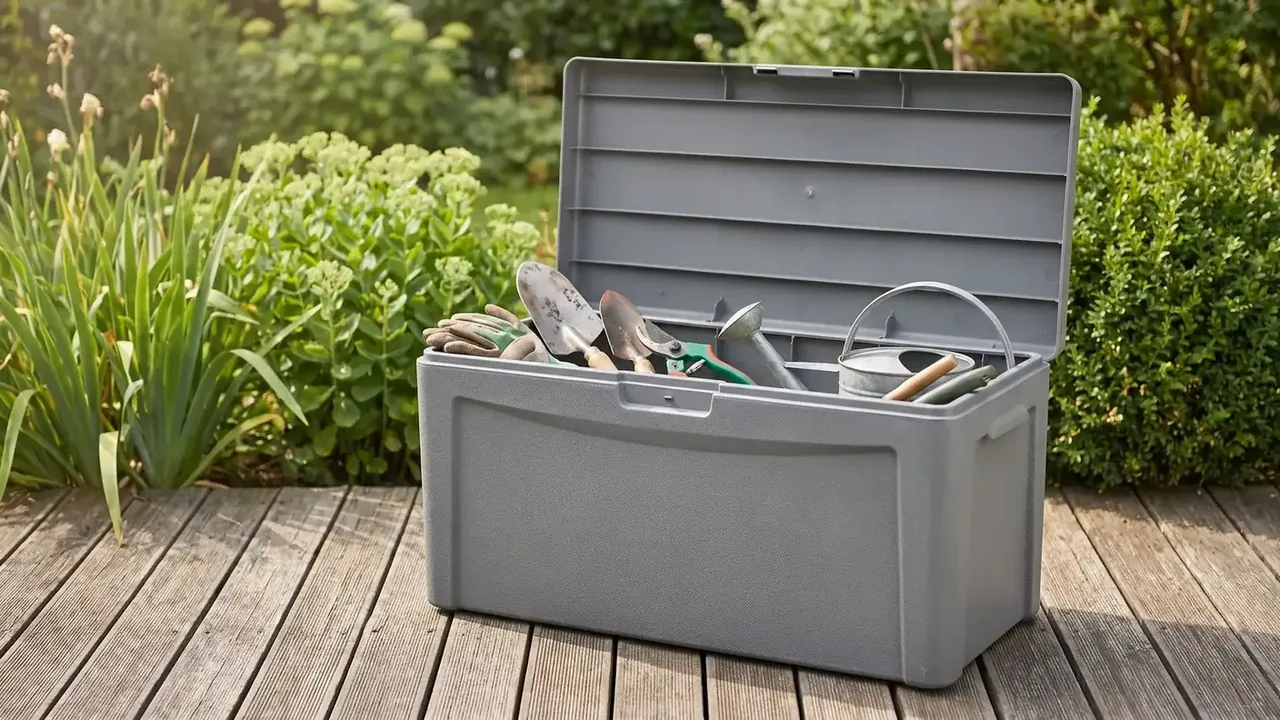
Quick answer: Put a cartridge storage box beside a plywood crate, a steel cabinet, a moulded tote and a soft bag, and the gaps sit in four places: sealing, stacking strength, lock points and whole-life cost. Crates are cheap and replaced every two years, cabinets resist prying and rust, totes are light and bow at four tiers, bags only travel.
Table of contents
- Positioning: A Cartridge Storage Box Against Four Options
- Moisture: Who Actually Blocks Vapour
- Stacking: When the Wall Starts to Bow
- Security, Service Life and Whole-Life Cost
- Choosing by Situation
- FAQ
1. Positioning: A Cartridge Storage Box Against Four Options
The alternatives are not worse boxes. Each solves one constraint: plywood solves price, steel solves prying, a tote solves weight, a bag solves portability.
| Form | Unit price | Role |
|---|---|---|
| Cartridge storage box | 180–420 | Main storage and sealed holding |
| Plywood crate | 60–120 | One-way despatch, fast turnover |
| Steel cabinet | 400–900 | Fixed point, attended space |
| Moulded tote | 40–90 | Internal shuttling, temporary split |
| Soft bag | 80–150 | One-person carry |
The cartridge storage box sits above the middle: three to four times a tote, half a cabinet, but it seals, stacks and locks in one article. Compare by price per litre: a 20 L bag at 80 is 4 per litre, a 60 L polymer box at 300 is 5 per litre.
2. Moisture: Who Actually Blocks Vapour
Only two forms deserve the word moisture-proof: a cartridge storage box with a continuous gasket, and a cabinet fitted with one. Plywood and totes rely on the material, a bag on its coating — all three stop splashes and none stops vapour.
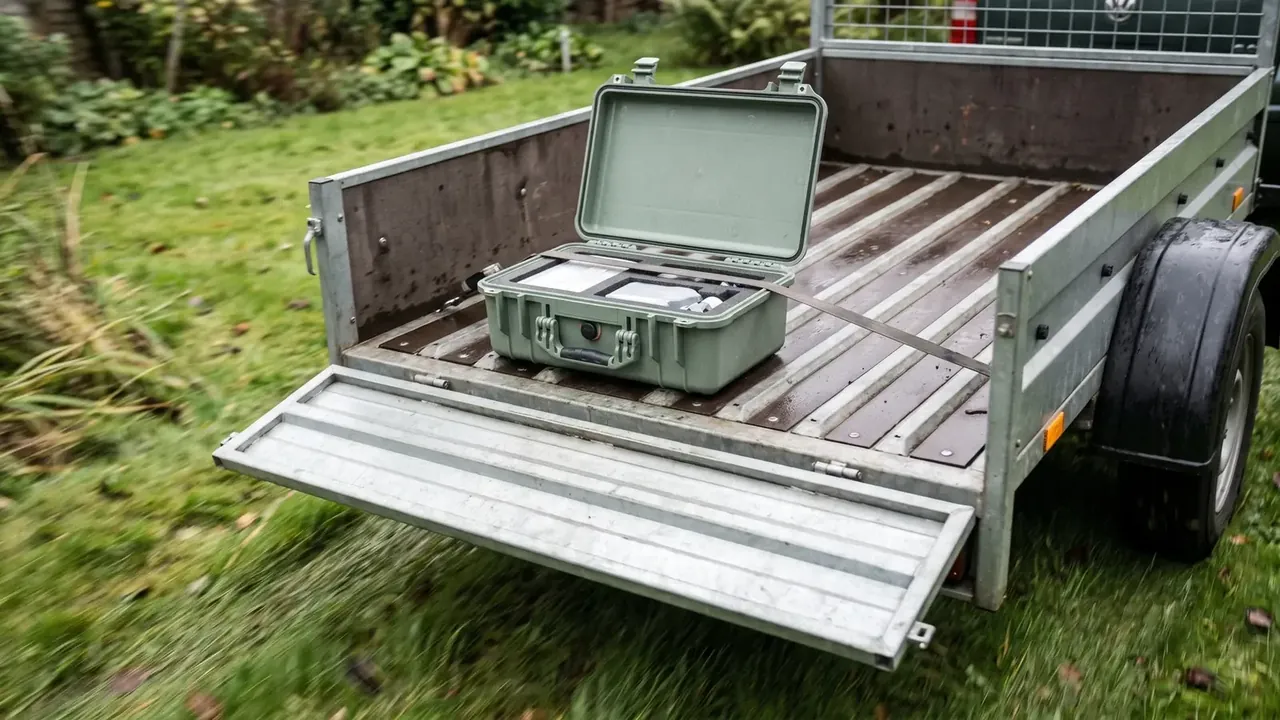
Plywood fails by breathing: at 15 mm and 12% moisture content it still absorbs and releases through the seasons at 60% RH, and mould shows inside after about 18 months. Steel fails by condensation: with a 10 °C swing a 1.0 mm panel reaches dew point before the air does, and water runs to the floor. Polymer conducts slowly, and 50 g of desiccant holds the interior under 40% RH.
3. Stacking: When the Wall Starts to Bow
Stacking is a static problem judged on wall stiffness and lid flatness. A 2.5 mm tote bows about 3 mm at four tiers, the fifth will not sit, and one forklift nudge takes the column down. A 15 mm plywood crate stacks six tiers, then crushes its corners once damp.
A polymer case holds five tiers on a 3.5–4.5 mm wall plus circumferential ribs, at a cost of 4–6 kg of empty weight. A soft bag has no fixed shape: two tiers and the stack leans.
4. Security, Service Life and Whole-Life Cost
Lock points set the security level. A bag has a zip, most totes have no lock bore, a crate offers two padlock holes in a panel that levers open, a cabinet carries a three-point lock, and the polymer case pairs lock bores with shackle ears.
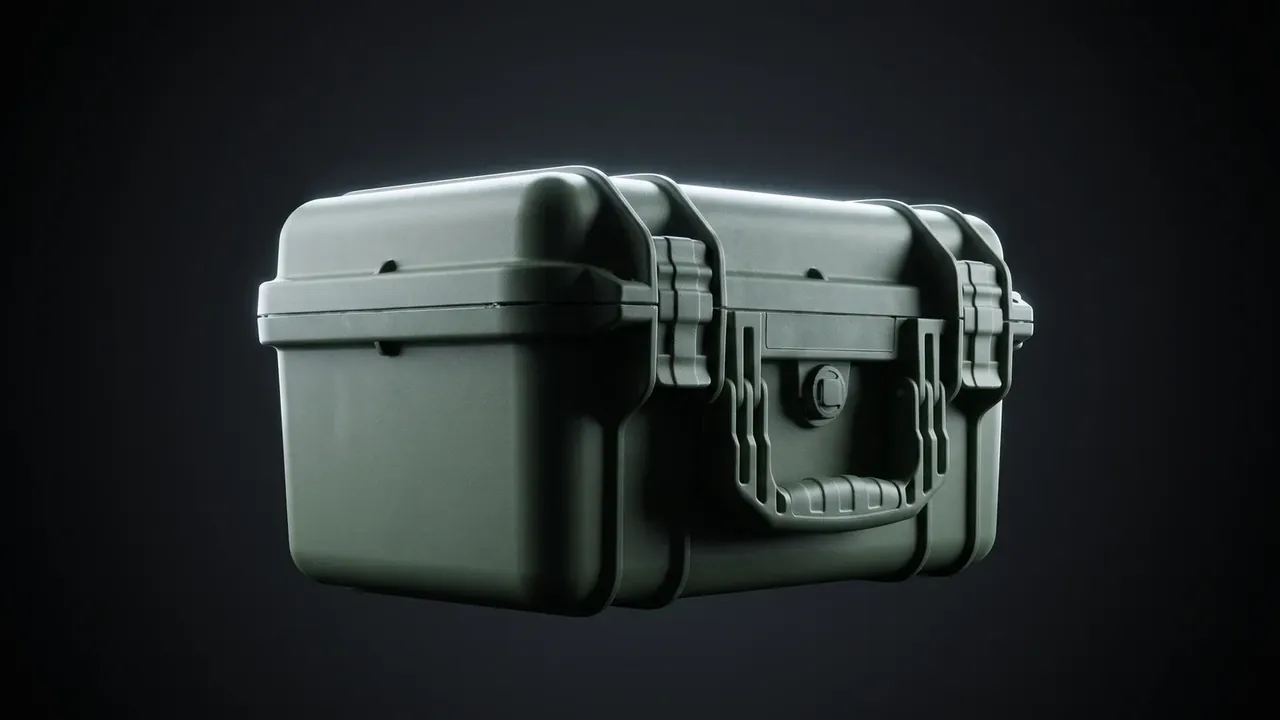
Service life separates the options more than price does: crate 2 years, tote 3–4, bag 2–3, cabinet 6–8 with a repaint every 3, polymer case 8–10, latches still working after 480 hours of salt spray.
| Form | Purchase | 5-year upkeep | Per year |
|---|---|---|---|
| Cartridge storage box | 300 | 60 | 72 |
| Plywood crate | 90 | 180 (two replacements) | 54 |
| Steel cabinet | 650 | 120 (two repaints) | 154 |
| Moulded tote | 65 | 65 (one replacement) | 26 |
| Soft bag | 110 | 110 (one replacement) | 44 |
Annualised, the crate closes to 1.3 times the polymer case because it is bought twice. The tote stays cheapest but buys neither sealing nor stacking.
5. Choosing by Situation
Long-term storage where damp control and a seal matter: the cartridge storage box, with gasket, desiccant and seal point, runs five years without replacement. Fixed, attended space where prying is the risk: a steel cabinet, anchored. Internal shuttling that never sees rain: a tote, because nothing else nests. One person carrying all day: a bag; plywood for fast-turnover work.
Conclusion
The five forms differ not in toughness but in which single job each finishes: crate on price, tote on weight, bag on carry, cabinet on prying, polymer case on sealing, stacking, locking and life. Normalise by price per litre, annualise over five years, then read against holding period, and the unit price stops deciding. Priced that way, a cartridge storage box is neither the cheap option nor the expensive one.
This article discusses only the container (case body) side of specifications and design intent, and does not cover any handling, loading or use of the contents.
Related Reading
- Cartridge storage box and cabinet: two management roles
- Cartridge safety cases against the alternatives
- Case body and locking standards for cartridge transport boxes
- Common field problems with cartridge boxes and how they show up
Related Products
- 8 Series — Gun Cases; Military Equipment Cases; Camera Equipment Cases; Drone Cases; Watch Cases; Knife Cases; First Aid Cases; Electronics Equipment Cases
- WL8-2812 PP Gun Case — model WL8-2812
- All protective cases and toolboxes: 7 series, 158 models