

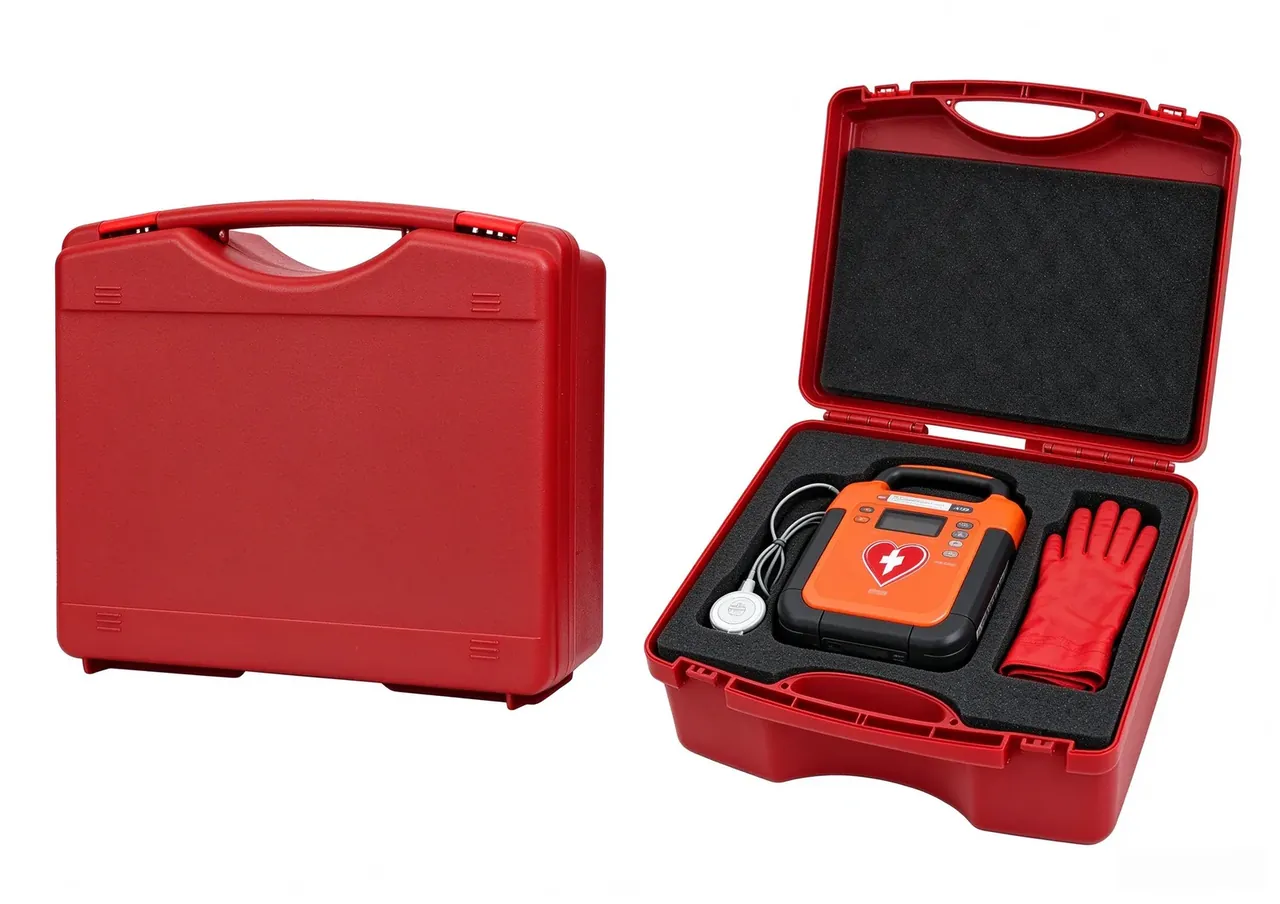
Quick answer: A case export australia shipment needs RCM on any case with electrical or wireless parts, plus ISPM 15 heat treatment at 56 ℃ for 30 min on wood.
Table of contents
- RCM scope for case export australia
- AS/NZS 4417 label fields
- ISPM 15 wood packaging
- The BMSB season
- Arrival inspection and 3 documents
- FAQ
1. RCM scope for case export australia
Send 200 cases to Sydney and biosecurity checks three things on the case side: the RCM mark, an IPPC stamp on the wood, and 3 documents travelling with the goods.
The RCM test for case export australia has one question: does anything on the case draw power or transmit? A light bar, a charging port, a built-in battery or a Bluetooth module makes it electrical, so it carries the mark and a declaration of conformity. A mechanical latch with plain foam sits outside RCM.
| Case build | Draws power | RCM applies | Label content |
|---|---|---|---|
| Mechanical latch | No | No | Name, model, batch |
| Light bar | Yes | Yes | Mark, rated voltage |
| Bluetooth module | Yes | Yes | Mark, frequency band |
| Charging port | Yes | Yes | Mark, voltage, capacity |
Work backwards from the bill of materials: batteries, adapters and LED modules first, then antennas. With neither, declare it mechanical; with any one, the whole case ships as an electrical product and testing the accessory alone does not split the declaration.
Quoting as mechanical and finding an LED strip at packing time means 200 units need new marks and a new declaration, pushing delivery by 10 days. Accessories shipped loose still count, and once assembled in Australia the assembler becomes the responsible supplier.
2. AS/NZS 4417 label fields
Five fields go on the label: supplier name, Australian address, RCM mark, rated voltage and current, and model. Drop one and the local supplier cannot stand behind the declaration.
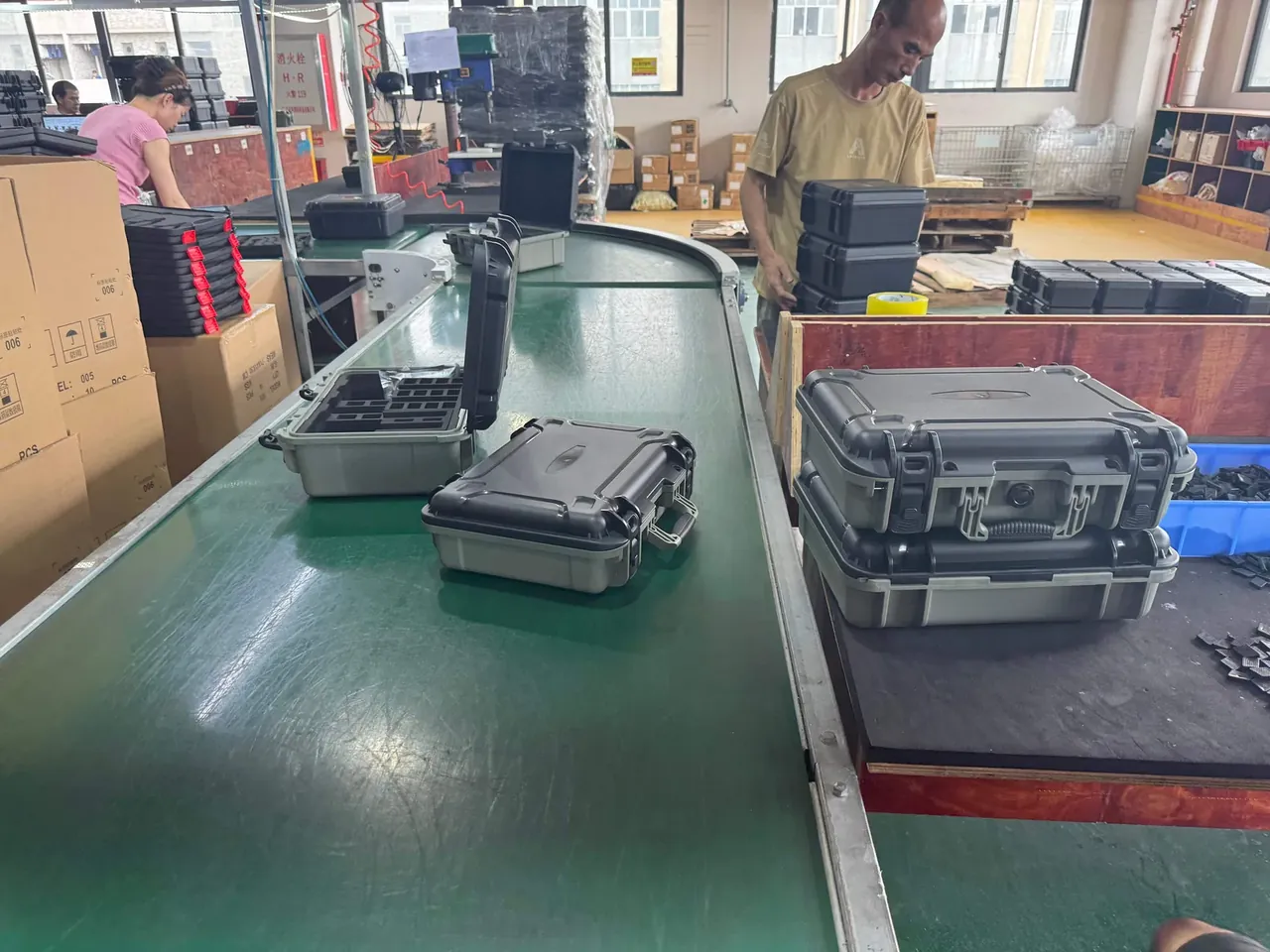
The mark is at least 3 mm high, drawn to standard proportions and never stretched, and it sits in a recess on the base plate. Twenty strokes with a cloth under a 500 g weight must not lift it.
AS/NZS 4417.1 covers the mark, 4417.2 the conditions per product category, so read the pair together. A radio module also declares its band and output power, with 2.4 GHz and 5 GHz listed separately.
Contrast decides whether a camera can read it. A grey shell takes a black mark, an orange shell a reversed block, and below 3:1 the sample is resubmitted; on a case export australia order one worn mark means relabelling the batch.
3. ISPM 15 wood packaging
Crates, pallets, bearers and bracing timber all count as wood packaging and need ISPM 15 before export. Heat treatment is the usual route: the core reaches 56 ℃ and holds for 30 min, then the IPPC stamp goes on.
| Treatment | Parameters | Mark code |
|---|---|---|
| Heat treatment | Core 56 ℃ for 30 min | HT |
| Methyl bromide | 48 g/m³ for 24 h above 10 ℃ | MB |
| Dielectric heating | 60 ℃ for 30 min | DH |
The stamp carries the IPPC symbol, country code, producer number and treatment code, on two opposite faces, at least 30 mm across and legible to a camera. One face only reads as untreated.
Plywood and oriented strand board need no stamp, but a solid timber bearer pulls the assembly back into wood packaging, which shifts 12% on pallet price.
Certificates state date, batch and timber thickness; sections above 60 mm need a longer hold. Pick a plant with a registration number, because a code that does not match the header means no treatment happened.
4. The BMSB season
BMSB is the brown marmorated stink bug, and its risk season runs from September to April. Goods arriving in that window need treatment evidence for wood packaging and case surfaces; May to August arrives untreated but still declared.
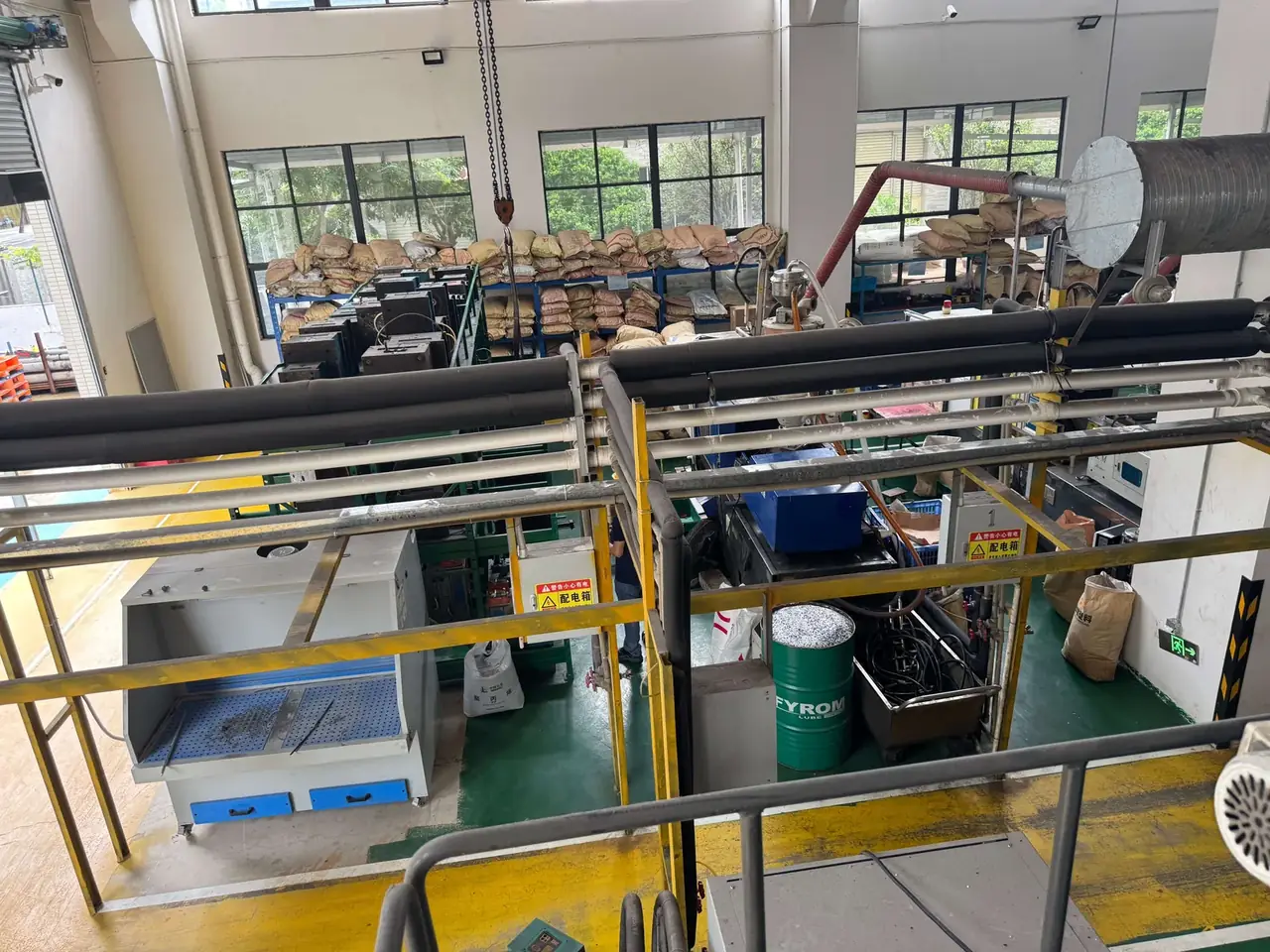
The season is read on the arrival date, not the sailing date. A box arriving on 1 September needs treatment even if it left on 30 August, and 3 days either side decides between release and re-export.
Heat treatment at 56 ℃ for 30 min covers wood; methyl bromide at 48 g/m³ for 24 h covers shells and the inside of the sea container, with the dose raised below 10 ℃. Ventilate for 24 h and get residue under 5 ppm before unloading.
Case surfaces get overlooked. A textured shell hides eggs in the latch recess, and inspectors run a torch along it, so one pass with compressed air saves a full unpack.
5. Arrival inspection and 3 documents
The 3 documents are the declaration of conformity, the wood or BMSB treatment certificate, and the invoice with packing list. Model, batch and date must agree across all three.
| Document | Issued by | What inspection checks |
|---|---|---|
| Declaration of conformity | Maker or local supplier | RCM mark against model |
| Treatment certificate | Heat plant or fumigator | Stamp and treatment code |
| Invoice and packing list | Exporter | Batch, quantity, package count |
Declare before loading, stating wood package count, treatment and date. Screening has three levels: document review, X-ray, and full unpack, with high-risk flags going straight to the third.
Rejections cluster in three places: a stamp too faint to photograph, a batch that does not match the shipping mark, and a BMSB date before the season opened but declared exempt. All three are paperwork faults that still hold the box.
Leave 48 h for the declaration: file two days before loading and print the reference top right on the packing list. Changing the container number or treatment means refiling, and a reference that does not match reads as undeclared.
Conclusion
The case export australia file fits on one page, checked in order. First, does the bill of materials carry anything that draws power or transmits; if so, apply RCM with all 5 AS/NZS 4417 fields and a mark no smaller than 3 mm. Second, does the wood carry a stamp on two opposite faces, with heat treatment at 56 ℃ for 30 min and a batch matching the shipping mark. Third, does arrival fall between September and April, so the certificate travels with the goods. Fourth, are the 3 documents aligned on model, batch and date. Fifth, has the label survived 20 rubs under 500 g. Sixth, can the records be produced within 48 h. Clear all six before the box is loaded.
This article discusses container-side specifications and design implications only, and does not cover any handling, loading or use of the contents.
Related Reading
- How export crates and pallets are actually packed
- HS codes and the export document set
- Acceptance criteria for export packaging standards
- Choosing alternatives to timber crates
Related Products
- 8 Series — Gun Cases; Military Equipment Cases; Camera Equipment Cases; Drone Cases; Watch Cases; Knife Cases; First Aid Cases; Electronics Equipment Cases
- WL8-2812 PP Gun Case — model WL8-2812
- All protective cases and toolboxes: 7 series, 158 models