

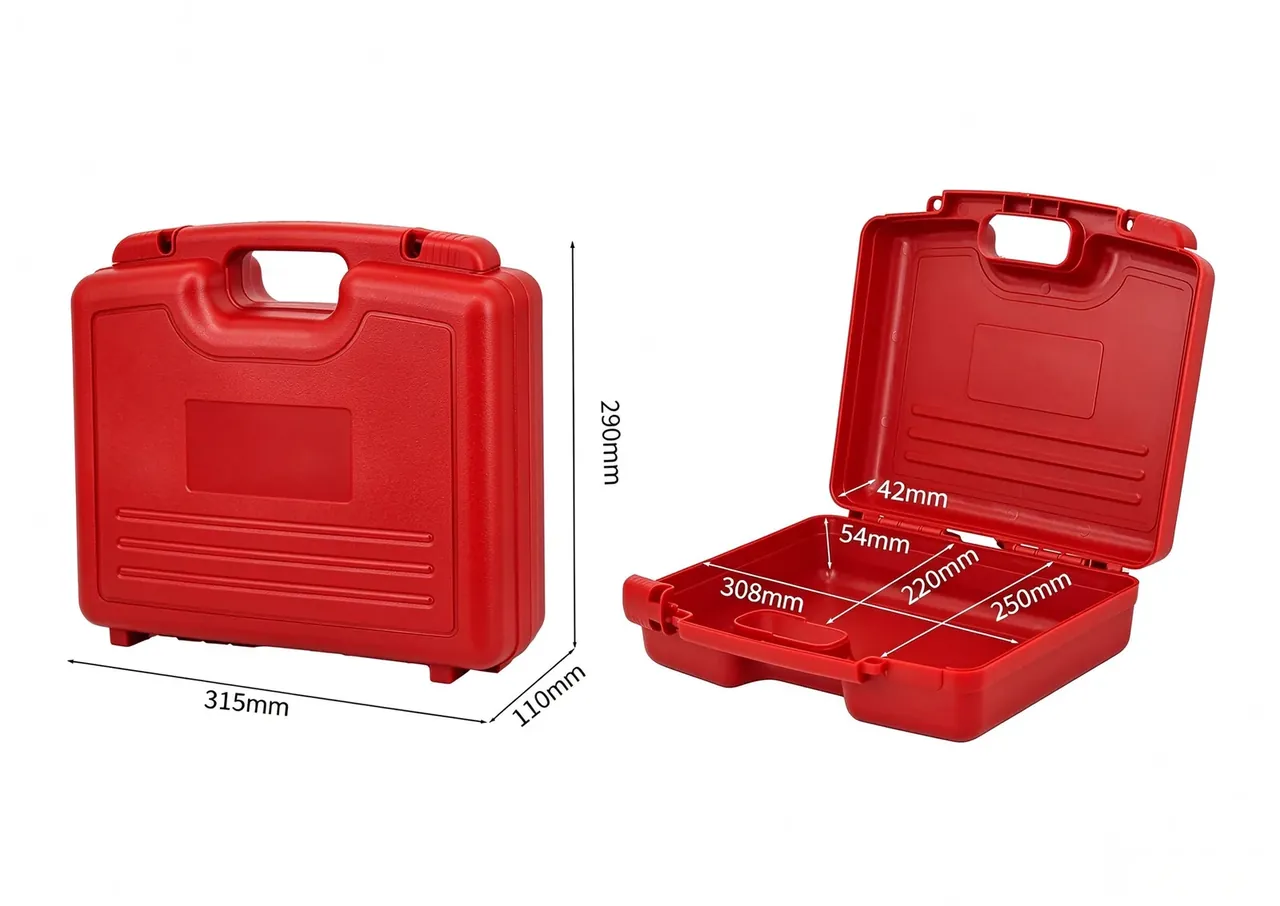
Quick answer: Run 500 cycles with a CS-10 wheel under 500 g and a sound case flocking layer loses under 12 mg, keeping 85% of fibre height.
Table of contents
- How to measure flocking wear allowance
- Fibre length, denier and adhesive weight
- Tape peel: three acceptance levels
- Shedding after humidity and thermal cycling
- Rework and re-flocking limits
- FAQ
1. How to measure flocking wear allowance
Five plates from one mould, run 500 cycles on a CS-10 wheel at 500 g, lost 9.4 mg to 14.8 mg with fibre height retention of 84% to 88%. Above 18 mg a fingernail scrapes clumps off the wear track.
| Cumulative cycles | Mass loss (mg) | Fibre height retained | Visual rating |
|---|---|---|---|
| 100 | 2.1 | 97% | 5 |
| 250 | 5.6 | 92% | 5 |
| 500 | 11.3 | 86% | 4 |
| 1000 | 24.7 | 71% | 3 |
Mount each plate flat on a 100 mm × 100 mm steel block; a lifted edge of 0.2 mm reads 30% low. Clean the wheel every 200 cycles and retire it after 5 sample sets.
Record 500 and 1000 cycles together: 11 mg then 25 mg means loosened roots, while 10 mg then 16 mg is normal wear. Subtract the substrate too, because an unflocked ABS blank loses 3 mg to 4 mg and only the difference is case flocking fibre.
2. Fibre length, denier and adhesive weight
Interior cavities take 0.6 mm to 0.9 mm nylon fibre at 2.0 dtex to 3.3 dtex, roughly 1.8 to 3.0 denier. Past 1.2 mm the fibre collapses before the adhesive gels.
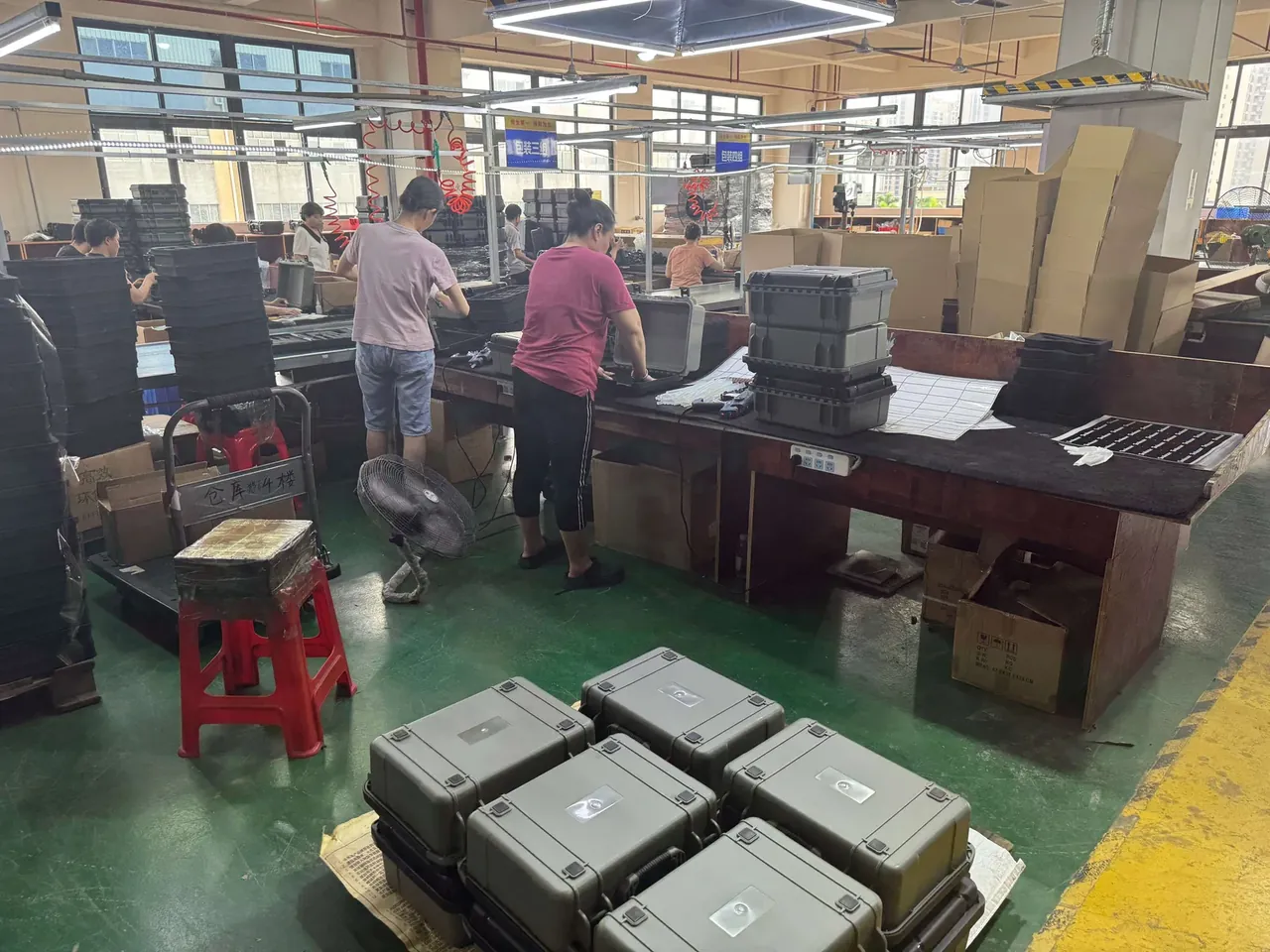
Adhesive weight is a dry film figure, and 110 g/m² to 130 g/m² covers most interior work. Below 100 g/m² only a third of each fibre sits in glue and one tape pull takes a sheet; above 150 g/m² the roots flood, the surface stiffens, and mass loss climbs 2 mg to 3 mg.
Voltage and plate gap must be matched: at 40 kV to 60 kV across a 120 mm to 150 mm gap, 92% of fibres stand upright, but at 30 kV the rate falls to 70% and lean patches lose 1.8 times more mass at 500 cycles. Adhesive then decides moisture resistance: polyurethane at 80 ℃ reaches 4.5 N/cm, two-part epoxy 6.2 N/cm but brittle.
3. Tape peel: three acceptance levels
Press 25 mm tape onto a 100 mm flocked strip, roll twice with a 1 kg roller, pull at 45° in one second, and rate from 5 down to 1. Satisfactory case flocking holds 5 on visible faces, 4 on removable liners, and never below 3 in hidden cavities.
A rating of 3 means more than 5% of the strip has lifted, at which point more abrasion data adds nothing. Test three spots and take the lowest; corners rate one level below flat areas, so name the sampling points, including one within 15 mm of a corner, on the drawing.
Allow 24 hours before testing, since a fresh plate still holds 3% to 5% solvent. Peel strength and tape rating stay separate: a 4.5 N/cm sample can rate 3 if top fibres are held only by neighbours rather than by glue.
4. Shedding after humidity and thermal cycling
Hold plates at 40 ℃ and 90% relative humidity for 96 hours, then at -20 ℃ for 4 hours, for 10 cycles, and press white paper 20 times over 100 mm × 100 mm: loose fibre climbs from 12 strands to about 45.
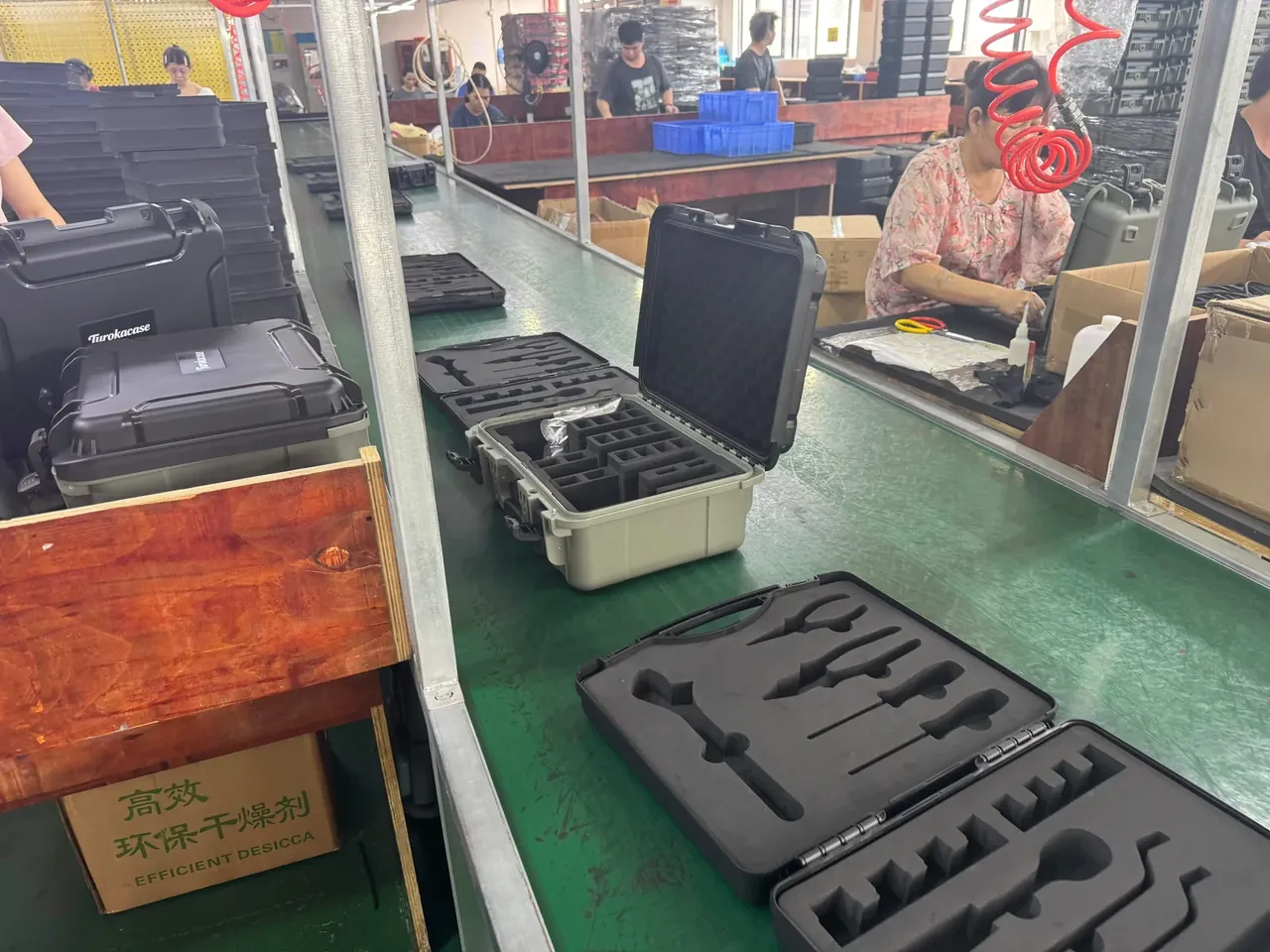
The cold step does more damage than damp heat, because adhesive stiffens at -20 ℃, roots take shear. Ocean freight is harsher still, with container interiors above 85% relative humidity for 20 to 30 days, so specify 240 hours and re-count on arrival; above 80 strands, inspect the corners.
5. Rework and re-flocking limits
The limit is set by the substrate. Where the base shows no bare plastic and the shed area stays under 8%, local re-flocking works; past 20% bare plastic, adhesion reaches 60% and scrapping is cheaper.
Repair runs sanding, cleaning, primer, second flocking and curing. Keep sanding under 0.1 mm with 240 grit by hand. Cure at 75 ℃ to 80 ℃ for 30 minutes on ABS, because above 85 ℃ the internal ribs sag and the lid no longer closes.
| Defect | Appearance | Reworkable | Action and re-check |
|---|---|---|---|
| Local shedding, area ≤8% | Bare corners | Yes | Spot re-flock, tape peel after 24 h |
| Sheet loss, area 8%–20% | Continuous wear track | Yes, once | Sand to 0.1 mm, re-test mass loss |
| Bare plastic, area >20% | Resin colour visible | No | Scrap or downgrade the part |
| Tacky adhesive | Fingerprint stays | No | Over-weight adhesive, remix |
Re-flocking is allowed once. A second pass removes another 0.2 mm, leaving 2.3 mm on a 2.5 mm wall, and the drop-test stress point moves there. Mark repaired cases with a 5 mm dot in a cavity corner.
Conclusion
Three lines in the specification settle the argument: fibre 0.6 mm to 0.9 mm at 2.0 dtex to 3.3 dtex; adhesive 110 g/m² to 130 g/m² with peel strength of at least 4.5 N/cm; mass loss under 12 mg at 500 g and 500 cycles, tape peel no lower than 4. Sample 5% of each lot, keep 3 parts for a 240 hour damp-heat re-test, and file the data with the samples. Repair before scrapping, and allow one repair only. Most disputes over case flocking come from a missing sampling location or an unstated settling time, so pin peel strength and fibre specification to the drawing and compare numbers rather than hand feel.
This article discusses container-side specifications and design implications only, and does not cover any handling, loading or use of the contents.
Related Reading
- Choosing interior lining material and thickness
- Converting internal height to lining thickness
- Laying out flocking and assembly stations
Related Products
- 8 Series — Gun Cases; Military Equipment Cases; Camera Equipment Cases; Drone Cases; Watch Cases; Knife Cases; First Aid Cases; Electronics Equipment Cases
- WL8-2812 PP Gun Case — model WL8-2812
- All protective cases and toolboxes: 7 series, 158 models