

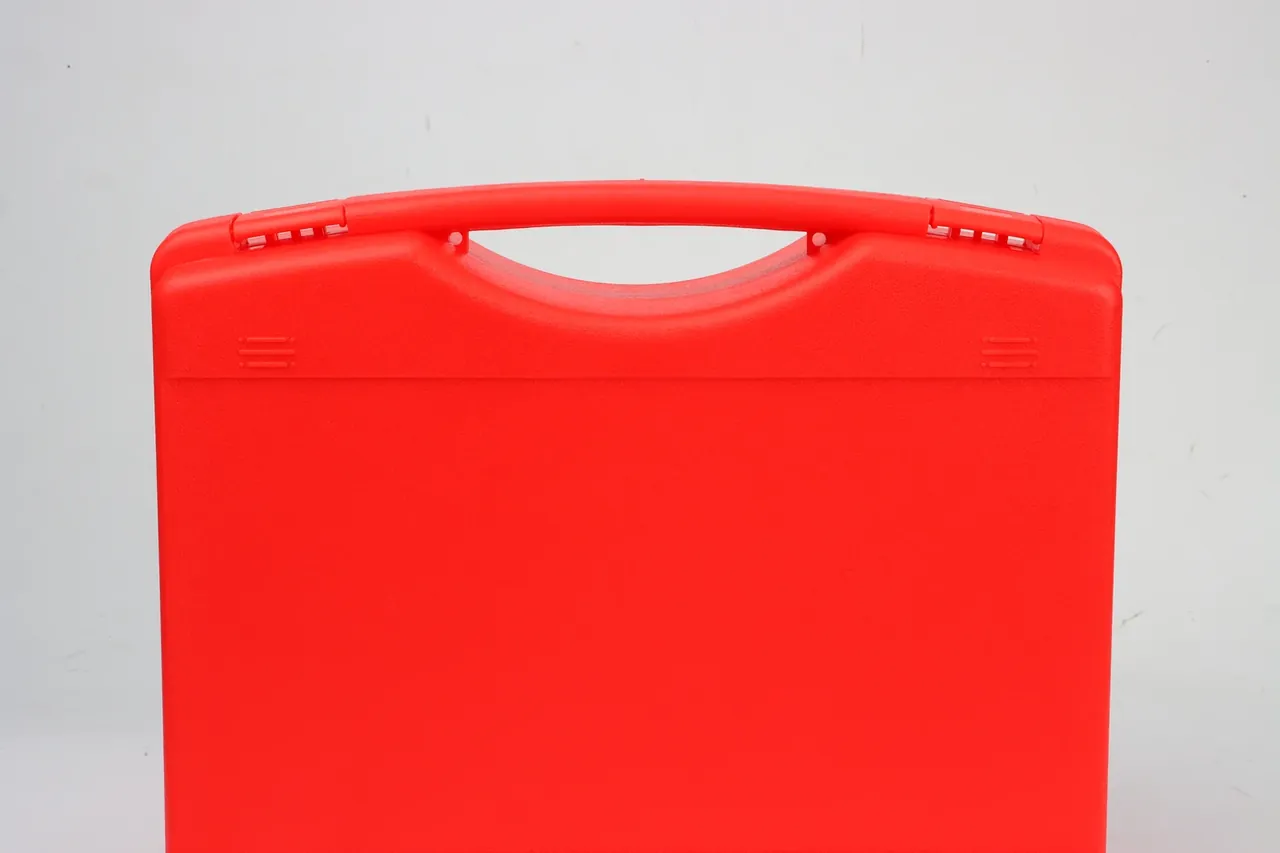
Quick answer: Case insurance claims rest on four blocks: eight pre-loading photos, a 12-digit seal number, 15-minute climate logs and a 30-minute unloading check.
Table of contents
- Four Nodes of an Insurance Chain
- Before Loading: What the Eight Photos Cover
- In Transit: Seals and Climate Logs
- Unloading and Filing: Using 48 Hours
- FAQ
1. Four Nodes of an Insurance Chain
A damage claim stands or falls on four nodes: before loading, at loading, in transit, at unloading. Each answers one question. Was the case sound when it left? Was it loaded as documented? Did something happen en route? When did the damage appear? Miss one and case insurance claims reduce to a verbal account.
The four blocks work in parallel, not in sequence. A sharp set of pre-loading photos cannot rescue a wrong seal number, and a matching seal says nothing about whether the air inside the box went out of range. The rejections that show up most often are not single missing items but mismatches between them: a photo timestamped before the loading sheet, a seal number one digit off the bill of lading.
Budget 20 photos per claim, with eight fixed before loading and the rest spread across loading, transit exceptions and unloading. Twenty is not ceremony; it separates a case with a mark from this corner, this latch, this serial number.
| Node | Material | Point |
|---|---|---|
| Before loading | Six faces plus nameplate | Eight photos, lid open included |
| Before loading | Serial and nameplate close-up | 12 digits legible |
| At loading | Seal photo and stowage photo | Every digit clear |
| In transit | Climate log file | 15-minute interval, raw CSV |
| At unloading | Door-open and damage close-ups | Within 30 minutes |
| Filing | Claim form and inspection note | Within 48 hours |
2. Before Loading: What the Eight Photos Cover
Fix the eight shots so they cannot drift: front with nameplate, back, left side, right side, sealing face with the lid open, latch closed in close-up, seal and number in one frame, and the full unit load with its pallet label. A fixed list removes the guesswork later about why one face was never photographed.
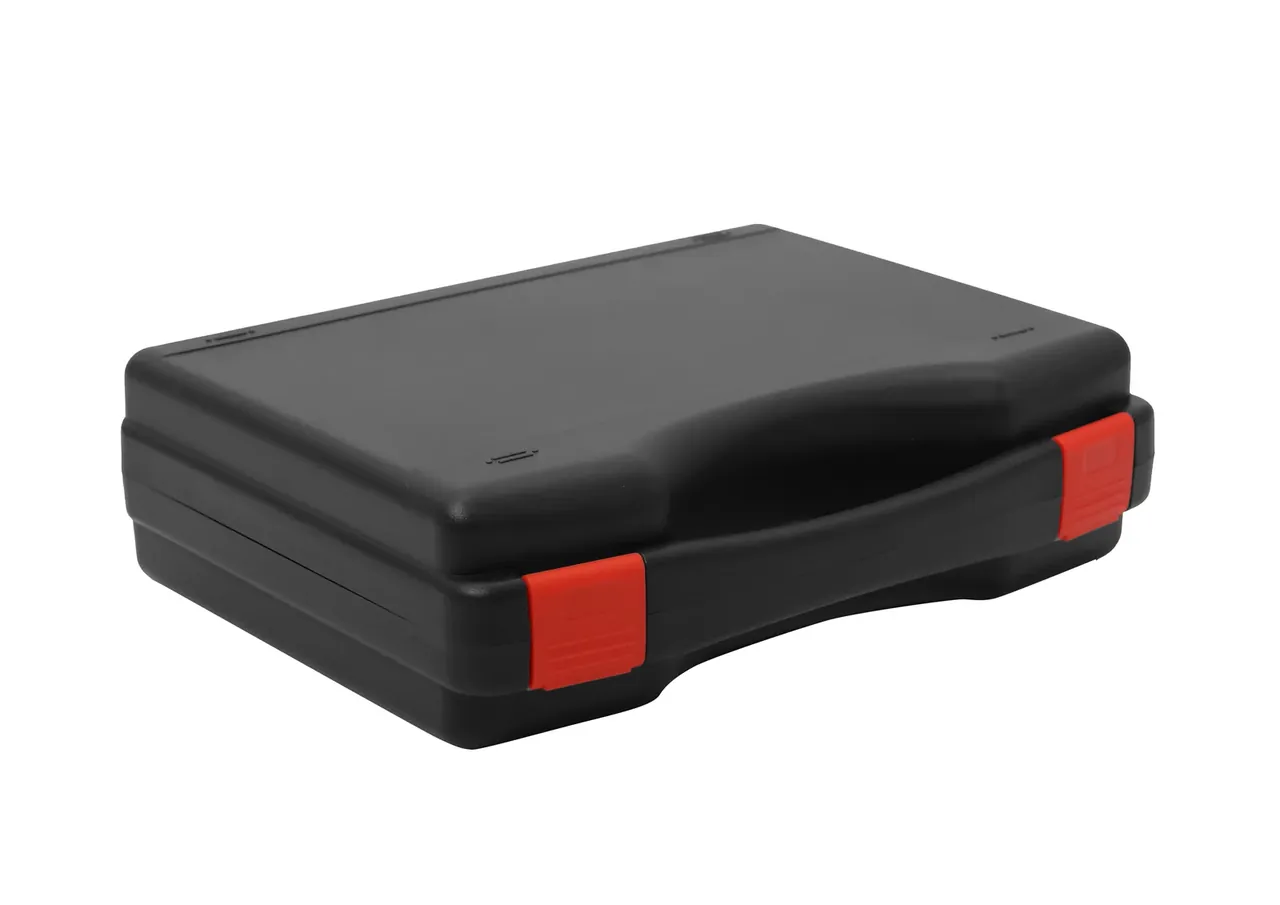
Keep every original at 1600 pixels on the short side, with timestamp and location on. Name files by case number, node and sequence, and keep a compressed copy beside each original.
The nameplate shot has to be readable at 12 digits. If the number cannot be read, everything downstream describes the case in words, and words carry very little weight at the assessment stage.
Photograph the case, not what is inside it. This is the most common slip in case insurance claims: once a non-case object enters the frame, the reviewer starts asking about contents instead of the shell.
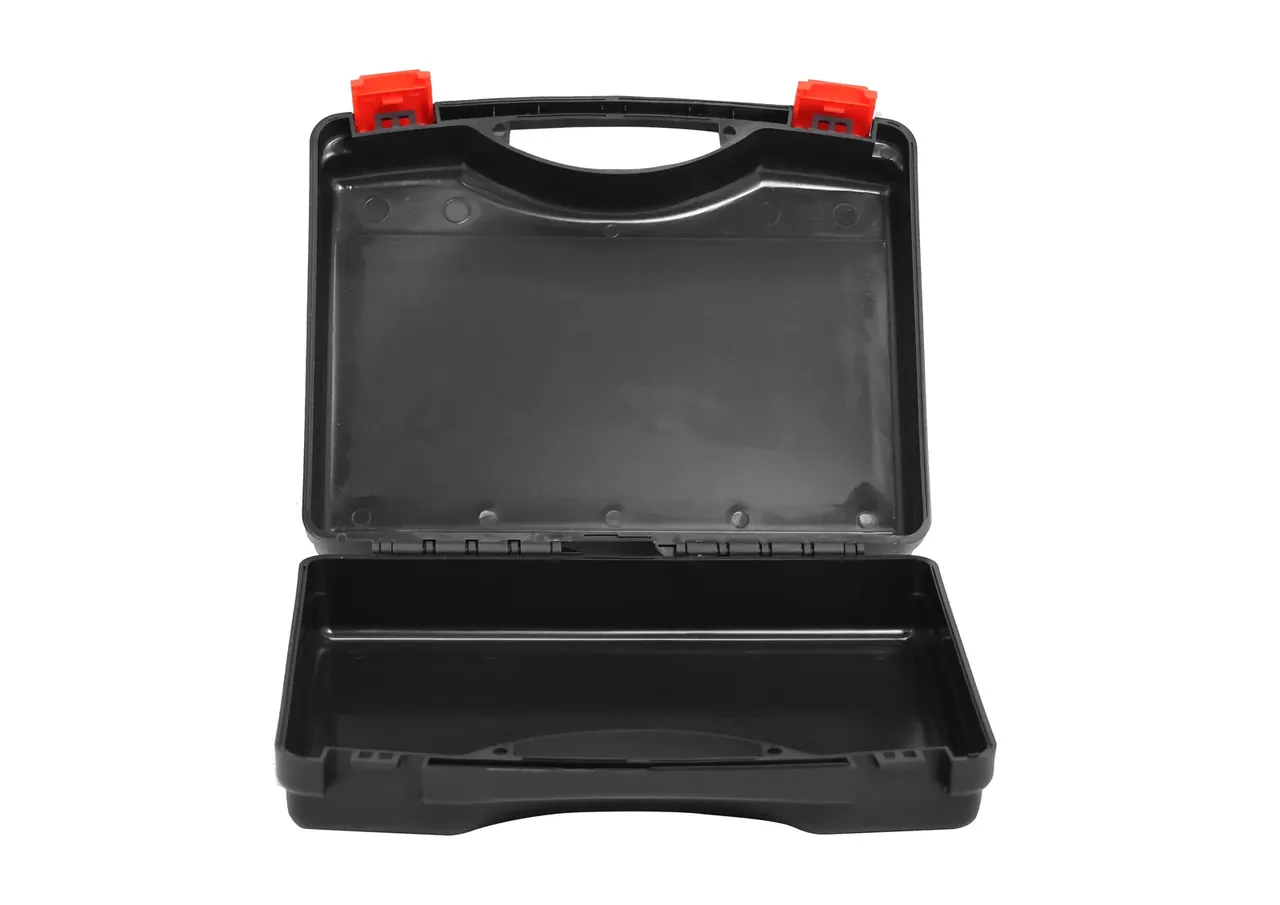
The sealing face must be shot with the lid open. A closed-lid exterior shot cannot show whether the gasket is intact, whether the groove is clear, or whether a compression mark is new.
3. In Transit: Seals and Climate Logs
Record the seal as 12 digits, photographed once at loading and once at unloading, and compare them digit by digit. After cutting, shoot the break itself: the position and direction of the break is the only physical evidence of whether the box was opened en route, checked against 2 points, the break profile and the lock body.
Loggers sample every 15 minutes and export raw CSV, not screenshots. Line the log up with the sailing schedule, marking departure, transhipment and arrival, and explain any gap longer than 2 hours. Tape the logger to the inside of the door, never to a case: mounted on a case it reads wall temperature, not the air in the box.
Opening for inspection, rain ingress or a drop each needs one signed note giving time, place and who was present. An exception without a signed note counts as no exception in case insurance claims.
4. Unloading and Filing: Using 48 Hours
Inspect within 30 minutes of unloading, seal against exterior, door-open panorama first and close-ups after. Report within 48 hours and file in writing within 3 working days; both clocks appear in most policies and carriage contracts.
File 6 items in full: waybill number, case count, seal number, damage location and pattern, photo folder name, estimated amount. One missing item sends the file back for completion, and each return typically costs 5 working days. Assessment runs 15 to 30 days, with salvage deducted at 10 to 20 percent and a deductible of 500 to 2000 CNY or 5 percent of value. A transit damage rate between 1.2 and 3.5 percent is the common baseline; a shipment above that band usually triggers a request for loading and securing records, where ISTA 3E and GB/T 4857.4 reports matter. The on-site record needs three signatures: consignee, carrier and tally clerk. A record missing one party is regularly sent back for rework.
Assemble the file in 6 categories, two copies each: claim form, inspection note, photo set, seal and climate originals, assessment sheet, correspondence. At this stage case insurance claims are won on indexing, not argument.
| Why a claim is reduced | How it shows | What to do |
|---|---|---|
| Timeline does not line up | Photo predates the loading sheet | Shoot documents in frame, keep timestamps |
| Seal number differs | One digit off, no break photo | One shot at each end, plus the break |
| No transit exception record | Verbal account only | Signed note for every exception |
| Filing out of time | Reported after 48 hours | Inspect in 30 minutes and report at once |
Conclusion
Case insurance claims are not a statement but a timeline that has to line up: eight pre-loading photos fix the case as it left, a 12-digit seal fixes its state in transit, 15-minute climate points cover the environment, and a 30-minute inspection with a 48-hour report closes the loop. With all four, the argument is about money; with one missing, it becomes about whether the case was sound before shipment.
This article discusses only the container (case body) side of specifications and design intent, and does not cover any handling, loading or use of the contents.
Related Reading
- Making transit damage rate statistics mean something
- Arrival damage: where the packing line is drawn
- Layered export packing for protective cases
- Points to compare in a warranty negotiation
Related Products
- 8 Series — Gun Cases; Military Equipment Cases; Camera Equipment Cases; Drone Cases; Watch Cases; Knife Cases; First Aid Cases; Electronics Equipment Cases
- WL8-2812 PP Gun Case — model WL8-2812
- All protective cases and toolboxes: 7 series, 158 models