

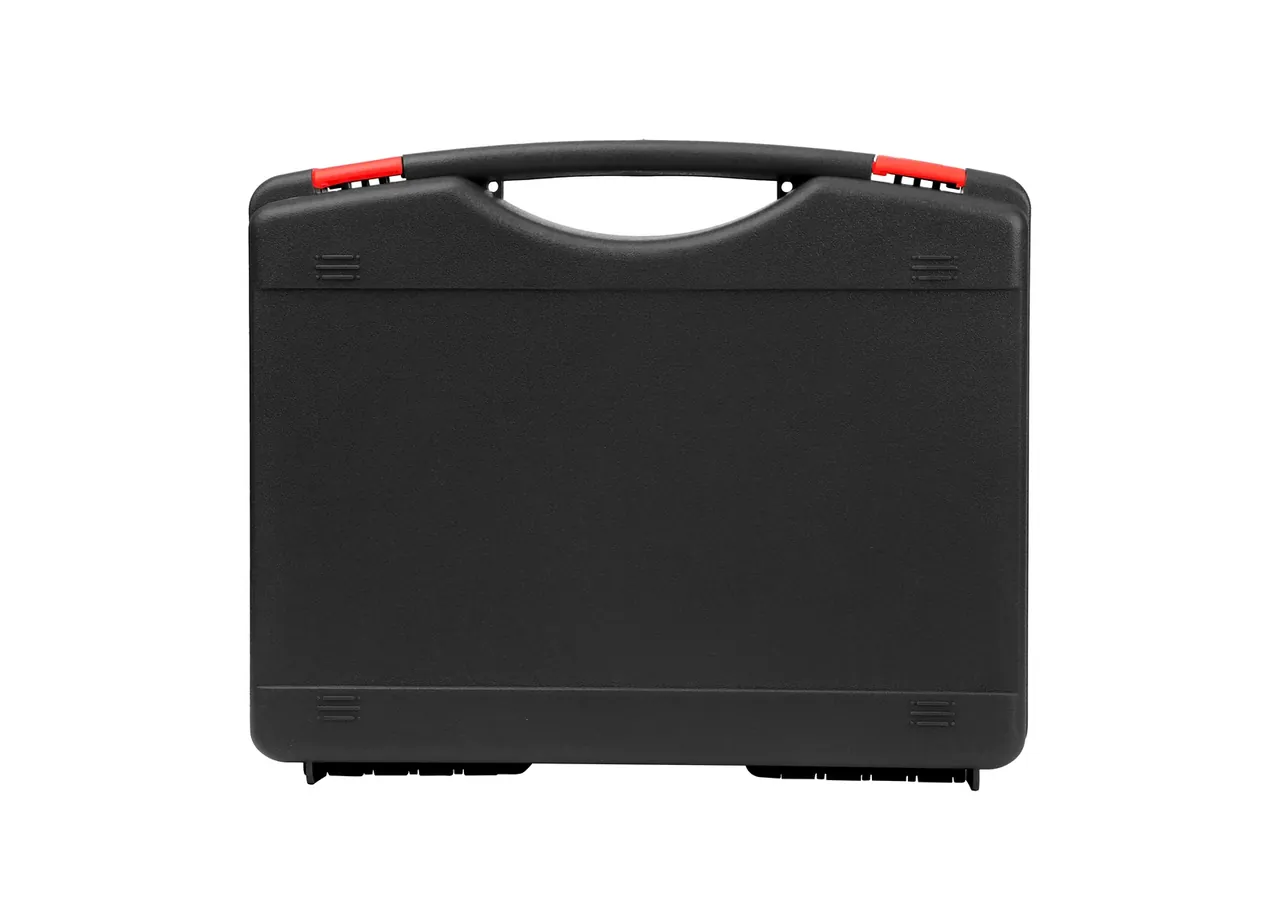
Quick answer: A case inventory needs both numbers at once: 95 percent service is Z 1.65 on 120 units of weekly swing over 3 weeks, so 343 units and 6 turns.
Table of contents
- Two Numbers Decide a Case Inventory
- Safety Stock: Service Level and the Z Value
- Turns: Six a Year
- ABC Tiers and the 180-Day Dead Line
- Reorder Points and Two Warehouses
- FAQ
1. Two Numbers Decide a Case Inventory
A standard case body of 520 mm by 380 mm by 300 mm takes 3 weeks from order to put-away, and one warehouse holds 240 SKUs across a main and a backup site. Case inventory answers two questions there: how many units of each SKU to hold so nothing stops, and how often the money should rotate. Safety stock answers the first, turns the second.
Cushion every SKU at 300 units and 240 SKUs tie up 72,000 units, or 4.32 million yuan at 60 yuan each, with 18 percent carrying cost adding 778,000 yuan a year. Cut average stock to 30 days instead and a stockout at 800 yuan, 40 a year, costs 32,000 yuan, a 740,000 yuan saving until the lost orders are counted.
Put the two on one sheet. Safety stock of 343 units is 20,600 yuan, 0.9 percent of a 2.4 million yuan average; the rest sits in order quantities and dead stock. When they collide, protect the A tier.
2. Safety Stock: Service Level and the Z Value
The arithmetic is short: Z times the weekly demand deviation, times the square root of lead time. Service at 95 percent gives Z of 1.65, the last 26 weeks of shipments give a deviation of 120 units, and lead time is 3 weeks. Fed in, 1.65 × 120 × √3 lands at 343 units.
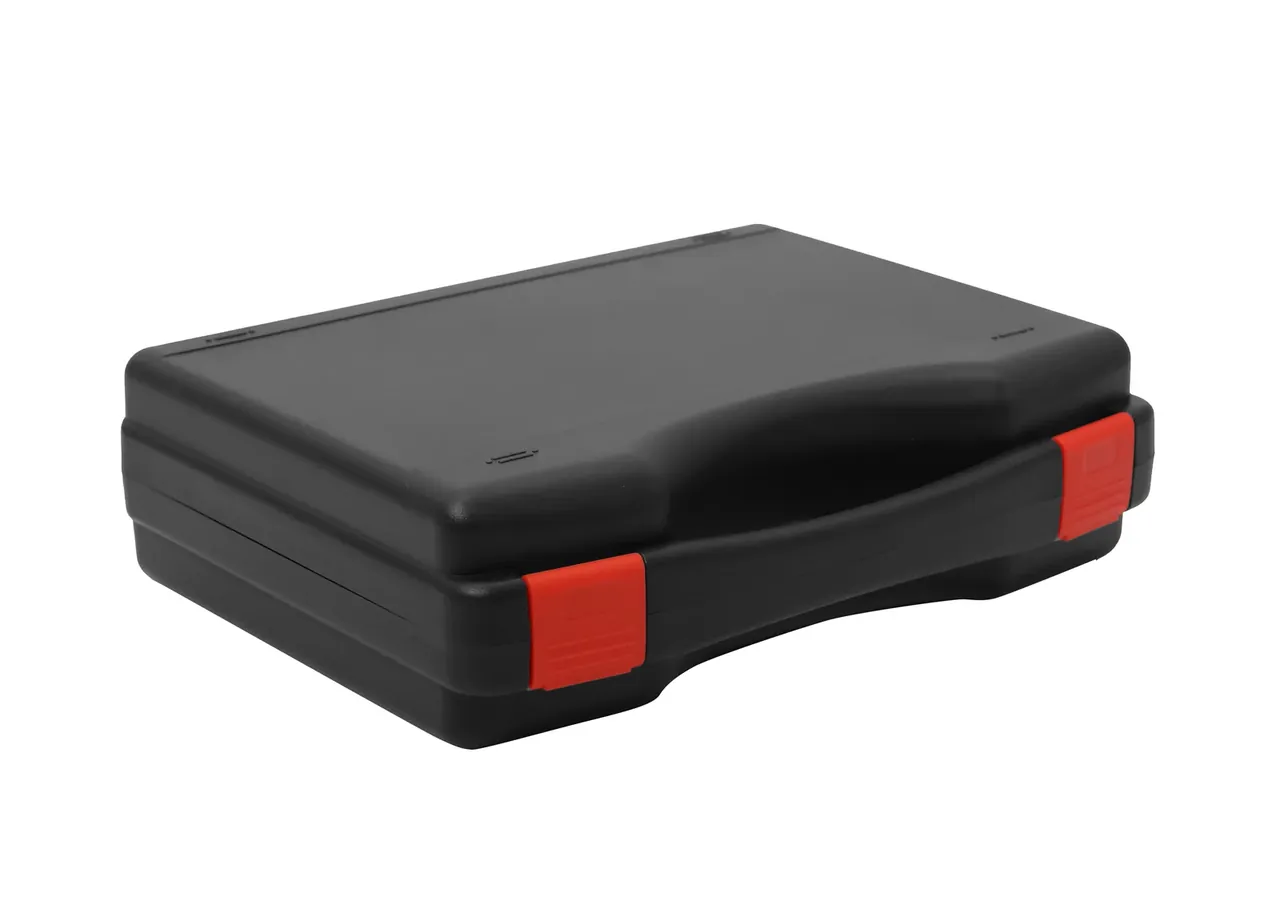
The 343 is not average stock: it is the slice above the mean inside the lead time, there to stop a 3-week swing becoming a stockout.
Z climbs fast. Going to 99 percent lifts Z to 2.33 and the buffer to 484 units; those 141 extra units cost 1,523 yuan a year at 60 yuan and 18 percent, while stockouts fall from 2.6 to 0.5, worth 1,680 yuan. The two sides nearly cancel, which is the line 95 percent sits on.
Lead time is the term people skip. Stretching 3 weeks to 6 raises √ from 1.73 to 2.45 and the buffer from 343 to 485 units, and pulling delivery back hands 142 units of shelf back for nothing.
| Weekly deviation | Lead time | Z value | Safety stock |
|---|---|---|---|
| 120 units | 3 weeks | 1.65 | 343 units |
| 90 units | 2 weeks | 1.65 | 210 units |
| 150 units | 4 weeks | 1.28 | 384 units |
| 120 units | 6 weeks | 1.65 | 485 units |
3. Turns: Six a Year
Turns equal annual cost of goods shipped divided by average stock at cost. The denominator is money, not units, because 240 SKUs differ too much in price. Six turns a year means 61 days of stock: 365 divided by 6 gives 60.8.
In money: 14.4 million yuan of shipments at 6 turns imply 2.4 million of average stock. At 4 turns the same flow needs 3.6 million, and the extra 1.2 million at 18 percent costs 216,000 yuan a year.
Turns cannot be bought by shaving the buffer. Cutting 343 units to 200 frees 8,580 yuan, 0.36 percent of average stock, and saves 1,544 yuan a year; stockouts rise from 2.6 to 8.6 and cost 4,800 yuan, so the trade loses money.
What moves turns is dead stock. The 176 C-tier SKUs hold 10 percent of the money but a far larger share of the shelf, and clearing half of the dead stock takes turns from 6 to 6.8. Read them on a rolling 12 months, because shipments rise 30 percent from September to November.
4. ABC Tiers and the 180-Day Dead Line
Sort 240 SKUs by annual shipment value: the top 70 percent of value is A, the next 20 percent is B, the rest is C. That is 18 A SKUs, 46 B and 176 C, and the case inventory is about those 18.
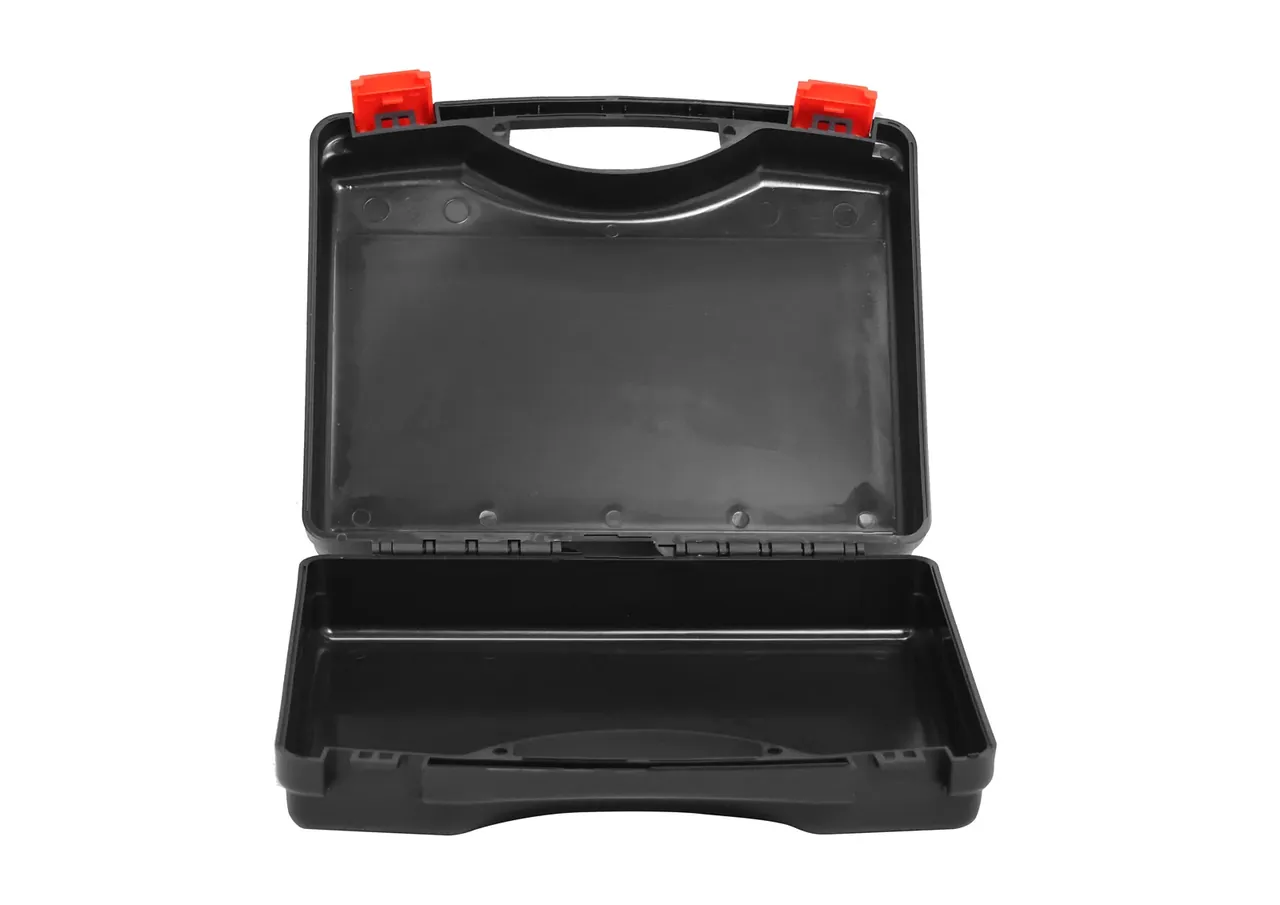
Each tier carries its own factor: A at the full 343 units, B at 0.8, C at 0.5. Counts follow the same split, and a variance above 2 percent forces a recount of that tier.
The dead line sits at 180 days. An SKU with no shipment for 180 days enters the list; if a customer specified it, it stays and is priced separately, otherwise it is cleared at 30 percent. Case bodies and colour masterbatch sitting half a year push re-check costs past the value of the goods.
Monthly counts cover 100 percent of A and the whole dead list; the C tier takes a third at a time.
| Tier | Share of value | Safety stock factor | Count cycle |
|---|---|---|---|
| A | 70 percent | 1.0 | Monthly |
| B | 20 percent | 0.8 | Quarterly |
| C | 10 percent | 0.5 | Twice a year |
| Dead list | 0 | 0 | Reviewed monthly |
5. Reorder Points and Two Warehouses
The reorder point is weekly demand times lead time plus safety stock: 400 units a week, 3 weeks, 343 units of buffer, so 1,543 units. The order goes out there, not when the shelf hits 343.
Quantities need a rule. One order of 4 weeks, 1,600 units, lifts stock to 3,143 and stays inside 2 months of use; ordering 8 weeks pushes average stock from 61 to 75 days and turns from 6 to 4.9.
The point moves with service level. At a mean of 400 and a deviation of 120, reaching 99 percent adds one week of swing and lifts the point to 1,663, which is the line worth writing down.
Two sites split by days of cover: the main holds 45 days, the backup 10 days of the A tier only, with 3 days for a transfer. A-tier demand of 57 units a day makes 570 units the bridge. Neither action needs approval; only transfers above 1,000 units go for signature.
Conclusion
A case inventory reduces to two numbers: 343 units of safety stock from Z 1.65, a deviation of 120 units and 3 weeks of lead time, and 6 turns a year, or 61 days of average stock. Set both and the 70, 20 and 10 split holds; press either alone and the other side repays it in stockouts or shelf space.
This article discusses only the container (case body) side of specifications and design intent, and does not cover any handling, loading or use of the contents.
Related Reading
- Setting safety stock for common case sizes
- Building a spare parts stocking list
- Working out total cost of ownership for cases
- Warehouse storage: racks, zones and procurement
Related Products
- 8 Series — Gun Cases; Military Equipment Cases; Camera Equipment Cases; Drone Cases; Watch Cases; Knife Cases; First Aid Cases; Electronics Equipment Cases
- WL8-2812 PP Gun Case — model WL8-2812
- All protective cases and toolboxes: 7 series, 158 models