

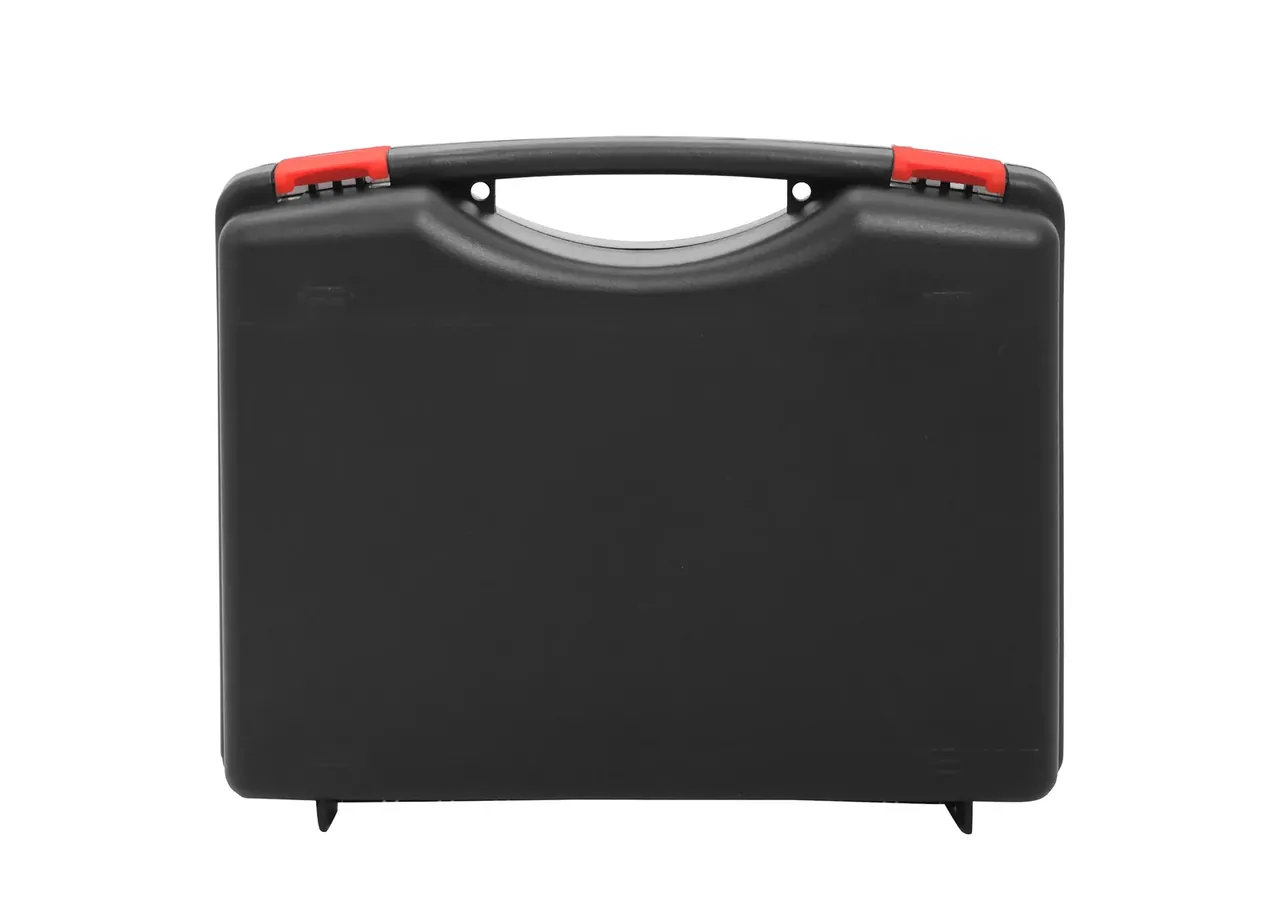
Quick answer: Rent or buy cases turns on daily hire at 1.5–3% of value with a monthly cap near 18%, so short campaigns rent while a steady 15-trip year buys.
Table of contents
- Three Numbers Before the First Quote
- Scenario One: A Single Short Campaign
- Scenario Two: Constant Turnover
- Scenario Three: The Middle Band and Distance
- Four Numbers to Fix in the Contract
- FAQ
1. Three Numbers Before the First Quote
Three figures settle whether you rent or buy cases: trips a year, days per campaign, kilometres each way. Trips decide whether hire hides inside depreciation, duration whether the bill climbs past the shell price, distance how much freight eats the gap.
Daily hire is quoted against value at 1.5–3% a day. On a 1,200 CNY case that is 18–36 CNY, and past 30 days most lessors switch to 216 CNY a month, 18% of value. Multiplying the daily rate by the calendar overstates the bill by 40%.
The deposit runs at 1.5 times value, so 1,800 CNY against a 1,200 CNY case and 900,000 CNY across 500 units. Book it as a receivable: getting it back depends on the damage schedule.
Distance is the most underrated figure, because a hired case makes a round trip on every outing while a bought one travels once.
2. Scenario One: A Single Short Campaign
Under three months and fewer than six uses a year, renting almost always wins. What it saves is not the rate but depreciation and floor space: a case bought for a nine-month idle stretch still loses 12–18% of value a year.
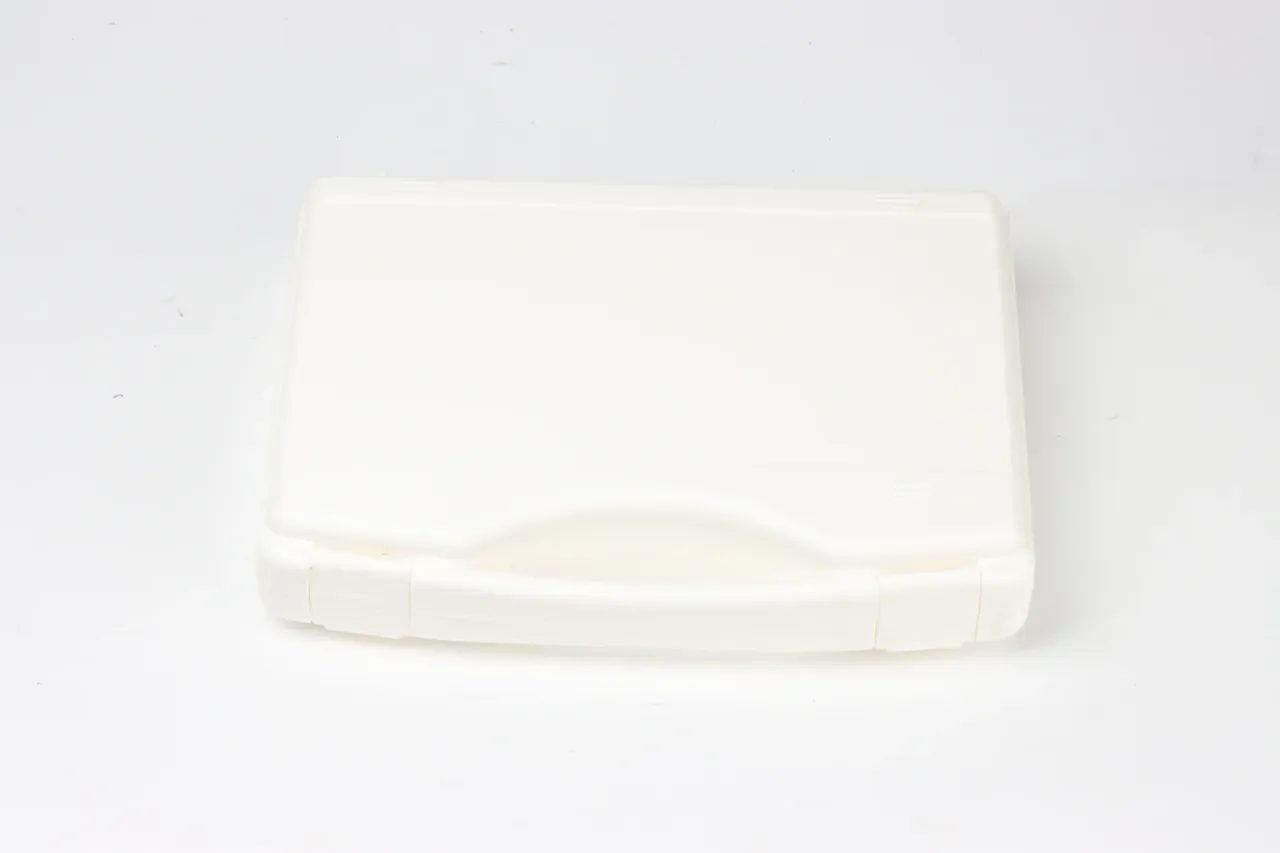
A 45-day inspection with 12 cases, billed as one month plus 15 days, costs 216 + 15 × 18 = 486 CNY each, or 5,832 CNY against 14,400 CNY to buy the set. Hiring took four tenths of the purchase price because 45 days still sits inside the capped window.
Past 90 days the cap lapses and the arithmetic has to be redone.
Return freight is the second line. Hired cases go back, and the round trip lands at 1.2–2 times the one-way quote; on volumetric billing an empty case can cost more coming home than going out.
Damage is where returns get argued. A common schedule ignores scratches up to 0.5 mm, charges 30–45 CNY per broken latch, and bills cracks at 30–50% of value. Write those lines into the acceptance sheet.
Low frequency carries a quieter benefit: with fewer compression cycles on the gasket, the chance of a seal replacement inside five years falls from 70% to under 30%.
3. Scenario Two: Constant Turnover
Past 15 trips a year the arithmetic flips. The same 1,200 CNY case depreciates at 12–18%, or 144–216 CNY a year, while 15 trips of two days at 36–72 CNY each cost 540–1,080 CNY before freight. Hire then buys a handling service you pay for on every trip.
Four hidden costs sit with the lessor under hire and with you under ownership. Washing takes a salt-spray rinse and 6 h of drying, about 0.3 h of labour. Consumables take 8–14 latches a year across a 200-case fleet at 30–45 CNY. Refurbishment at year three costs 60–90 CNY a case, disposal 18 CNY. Together they reach 25–35% of value over five years, offsetting the flexibility premium but not the hire bill. None of it shows on the purchase requisition; all of it shows on the year-five repair invoice.
Depreciation is the line worth watching, not the daily rate.
One counter-intuitive figure closes the case: a high-turnover shell ages by cycles. Latches rated for 5,000–8,000 closures meet 1,000 a year at four openings a day, so hardware reaches end of life in year five.
4. Scenario Three: The Middle Band and Distance
Between six and 15 trips, rent or buy cases is decided by kilometres rather than frequency. Hire accumulates across that band and so does freight, and break-even tends to sit near 300 km.
Ten trips of two days cost 360–720 CNY in hire. Inside 300 km the return leg runs 72–120 CNY, so ten add 720–1,200 CNY and the total lands at 1,080–1,920 CNY, roughly the case price: hiring neither loses money nor ties up cash. At 500 km the same trips cost 240 CNY each way, 2,760 CNY all in.
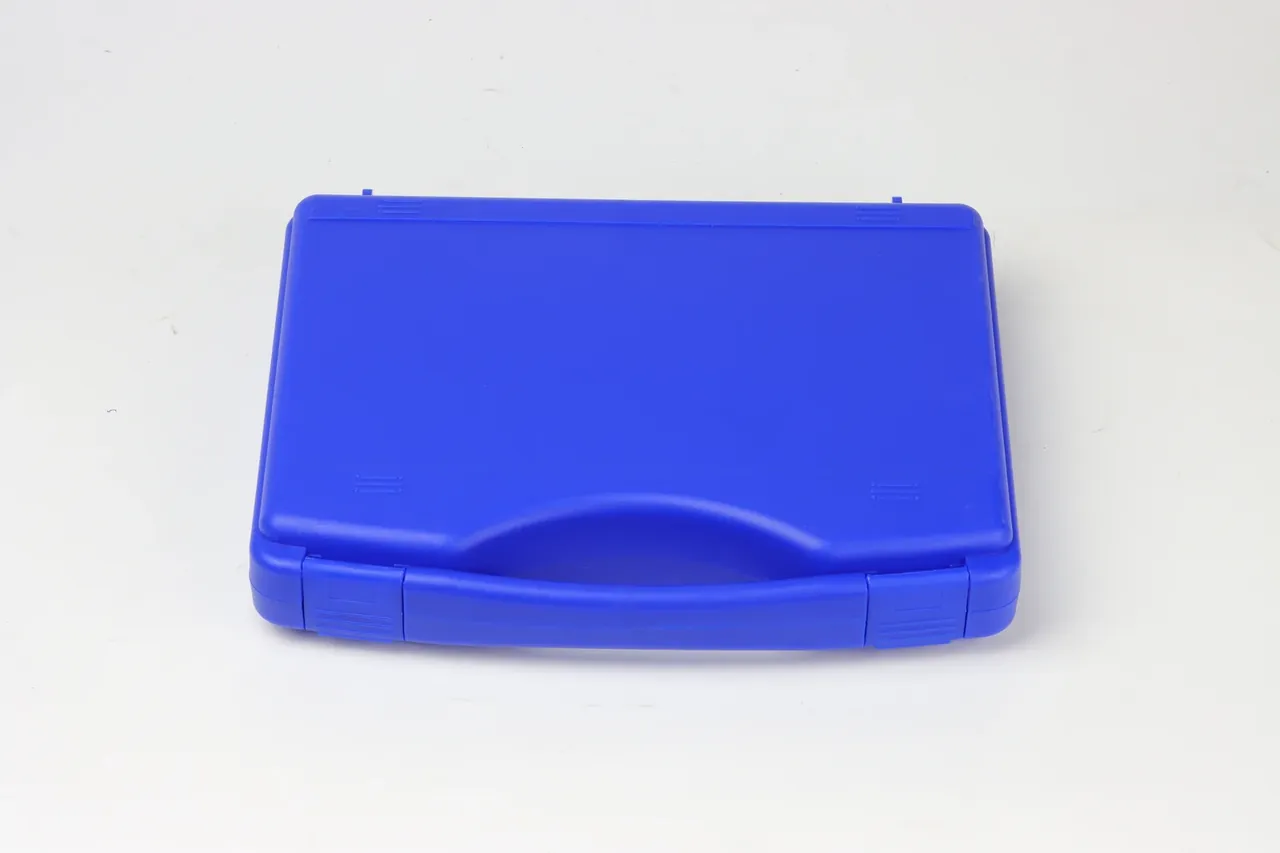
300 km is a watershed, not a law.
What the middle band tests is how certain next year is. Ten trips across two fixed sites that repeat annually argue for buying; ten trips over five projects with no view past December argue for hiring.
| Trips a year | Campaign length | Return leg | Verdict |
|---|---|---|---|
| Under 6 | Within 3 months | Any | Rent: 45 days costs about 40% of the case |
| 6–15 | 3–9 months | Within 300 km | Rent: ten return legs match the case price |
| 6–15 | 3–9 months | Beyond 300 km | Buy: freight alone reaches 2.3× the case |
| Over 15 | Year-round | Any | Buy: 144–216 CNY of depreciation beats hire |
5. Four Numbers to Fix in the Contract
Savings sit in four numbers rather than the rate: the deposit multiple, the damage threshold, who pays return freight, and the rent-to-buy credit.
Write the deposit at 1.5 times value with a 15-working-day refund window, and ask whether an accessory pack adds its own deposit.
Set damage in two tiers: scratches up to 0.5 mm free, deeper marks at 50 CNY/dm², structural damage per part.
Name the payer of the return leg. Freight-collect shipments run 15–25% above the quote, since a collect load has no room to negotiate.
The rent-to-buy credit is the clause most often skipped: after six months, 30–50% of rent paid offsets a purchase.
| Cost line | Hiring | Owning |
|---|---|---|
| Upfront | Deposit at 1.5× value plus first period | 100% of case price |
| Return freight | 1.2–2× the one-way rate per trip | First delivery only |
| Damage | Per part or as a share of value | Absorbed |
| End of life | None | 18 CNY a case |
| Cash tied up | Deposit frozen 15 working days | Full value until scrapping |
Conclusion
The test for rent or buy cases is the order of three figures, not the hire rate: trips set direction, duration sets the boundary, distance settles the detail. Under six uses and three months, rent; past 15 trips or 300 km each way, buy; in between, price ten return legs against the shell. What belongs in the contract is the deposit multiple, the damage threshold, the freight split and the rent-to-buy credit. Hiring never saved the rent; it saved the depreciation and the uncertain year.
This article discusses only the container (case body) side of specifications and design intent, and does not cover any handling, loading or use of the contents.
Related Reading
- Negotiating warranty terms on hired or bought cases
- What to check before buying a refurbished case
- Balancing case weight against wall strength
- Measuring and cutting transit damage rates
Related Products
- 8 Series — Gun Cases; Military Equipment Cases; Camera Equipment Cases; Drone Cases; Watch Cases; Knife Cases; First Aid Cases; Electronics Equipment Cases
- WL8-2812 PP Gun Case — model WL8-2812
- All protective cases and toolboxes: 7 series, 158 models