

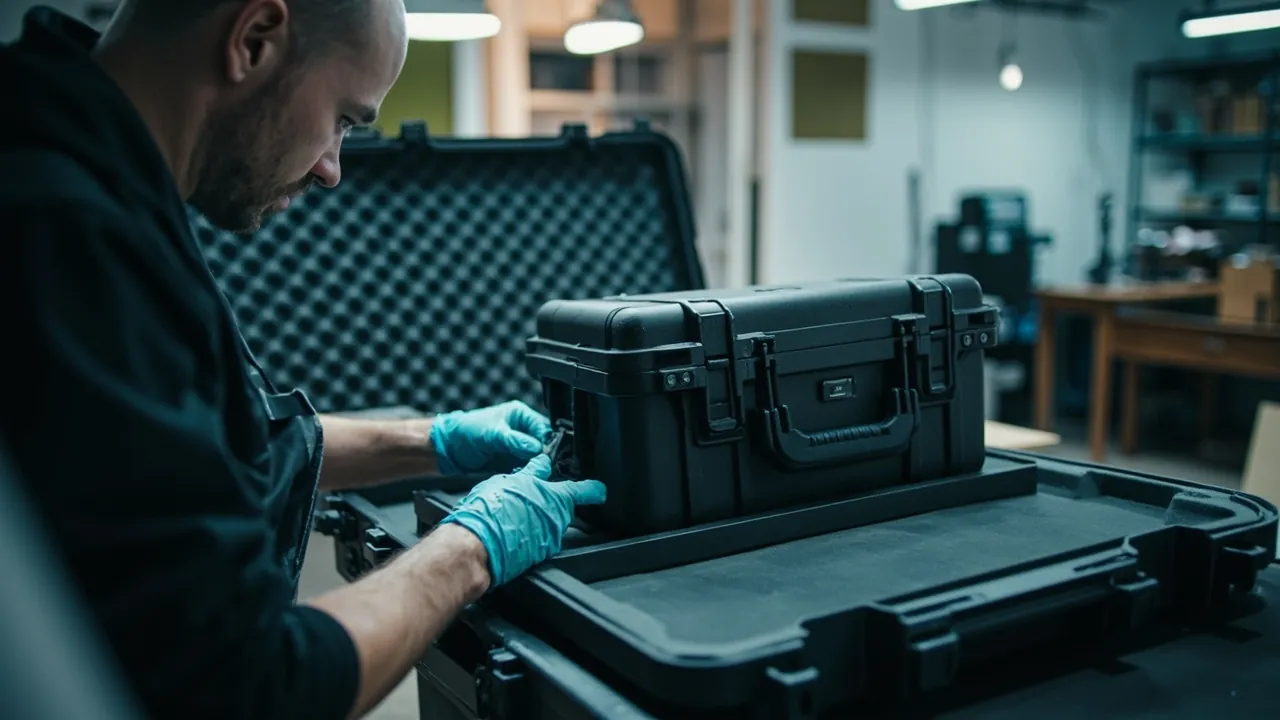
A refurbished protective case is a used protective case that has been collected, cleaned, repaired and re-inspected before returning to service. For buyers with a limited budget, large demand or a tight lead time, a refurbished case can top up inventory quickly at lower cost; but without the ability to judge condition, a refurbished protective case may hide a failed gasket, a brittle shell or even counterfeiting, turning the purchase saving into later cargo loss and downtime.
Conclusion: buying a refurbished protective case should follow four steps, grade with confidence, test the seal, verify the parts and check the warranty, treating refurbished case identification, used case buying and case refurbishment as one system; as long as sealing, structure and authenticity are controlled, a refurbished case can fully take on non-critical protection tasks and beat a new case on total cost of ownership.
Many buyers look only at appearance and price, ignoring invisible failures such as gasket compression set, hinge wear and UV embrittlement of the shell, and end up with a refurbished protective case that admits water in the rainy season or cracks in transit. The following walks through concepts and grading, identification points, test methods, a risk checklist, warranty and total cost, covering typical needs such as refurbished protective case, used protective case, refurbished case identification, used case buying and case refurbishment. Related authenticity and life judgment can also follow identify genuine vs fake case and protective case service life.
Table of Contents
- Application Scenarios and Market Background
- Refurbished, Used and New: Concepts and Grading
- Identification Points: Appearance, Sealing and Hardware
- Structural Integrity and Hidden-Issue Detection
- Liner, Accessories and Authenticity Check
- Test Methods and Acceptance Criteria
- Risk Checklist: Leaks, Embrittlement and Counterfeits
- Warranty and After-Sales Terms
- Price and Total Cost of Ownership
- Sourcing Channels and Negotiation Points
- Maintenance and Life Extension of Refurbished Cases
- OEM/ODM and JUNZHJIA Capability
- Procurement and Acceptance Checklist
- Selection Parameter Comparison
- Frequently Asked Questions
- Summary and Further Reading
Application Scenarios and Market Background
Demand for refurbished protective cases comes from three buyer groups: small and medium enterprises with a limited budget that need many turnover cases; project buyers sensitive to lead time who want to replenish stock quickly from refurbished inventory; and green-procurement buyers interested in the circular economy who are willing to use refurbished cases for non-critical scenarios. In warehouse turnover, non-precision equipment storage, short-term projects and training scenarios, a used protective case is often better value than a new one.
Around the refurbished protective case, this section first clarifies the market background and the applicable boundary.
The core value of a protective case is sealing, impact resistance and durability, and these are exactly the parts most likely to be compromised in refurbishment. Sealing depends on the gasket, which suffers compression set over time and use; impact resistance depends on the shell, which embrittles after prolonged UV exposure; durability depends on hinges and latches, where metal parts wear or rust. So whether a used protective case is worth buying depends on whether these critical parts have been professionally replaced and tested, not on whether the appearance is clean.
The applicable boundary must be clear: a refurbished case suits non-critical, non-high-value scenarios with a relatively relaxed IP requirement; for precision instruments, long immersion, medical and dangerous-goods transport and other demanding scenarios, a new case or a certified remanufactured case should be preferred. Match the scenario to the grade, and a refurbished protective case saves money; otherwise it plants a hidden risk.
From a circular-economy perspective, a refurbished protective case extends product life and reduces repeated production of plastic and metal, aligning with green procurement and ESG disclosure. But green does not mean settling: only after critical parts are correctly replaced and the structure is re-verified does refurbishment truly achieve resource reuse. Selling a failed case with a fresh appearance is neither environmental nor economical, and simply transfers the risk to the downstream user.
Refurbished, Used and New: Concepts and Grading
The market often confuses refurbished and used cases, but the meanings differ. A used protective case usually refers to an old case without systematic treatment, only cleaned and resold; a refurbished protective case has been tested, had wear parts replaced and been re-inspected, usually with a new gasket, repaired or replaced hardware and a test note; a remanufactured case is refurbished by the maker to standard and carries the standard warranty, which is the most trustworthy. Price and risk decrease in that order.
To ease trading, the industry often grades by condition. The reference grading below should be declared by the seller, with price and warranty matched to the grade.
| Grade | Condition Description | Critical Part State | Recommended Use |
|---|---|---|---|
| --- | --- | --- | --- |
| Grade A | Near new, minor use marks | Gasket intact, hardware unrusted | Non-precision turnover |
| Grade B | Normal use wear | Gasket needs or has replacement | Storage and training |
| Grade C | Visible aging or impact | Gasket/hardware needs repair | Non-protection use |
| Remanufactured | Maker-standard refurbishment | Critical parts replaced and re-inspected | Can carry protection duties |
It must be stressed that grading is only a starting point and cannot replace testing. A Grade A refurbished protective case stored unused for years may still have an aged gasket; a Grade C case whose critical parts were replaced and re-inspected may be more reliable than a long-idle Grade A case. Therefore, refurbished case identification must combine grading with testing, and neither can be omitted.
Identification Points: Appearance, Sealing and Hardware
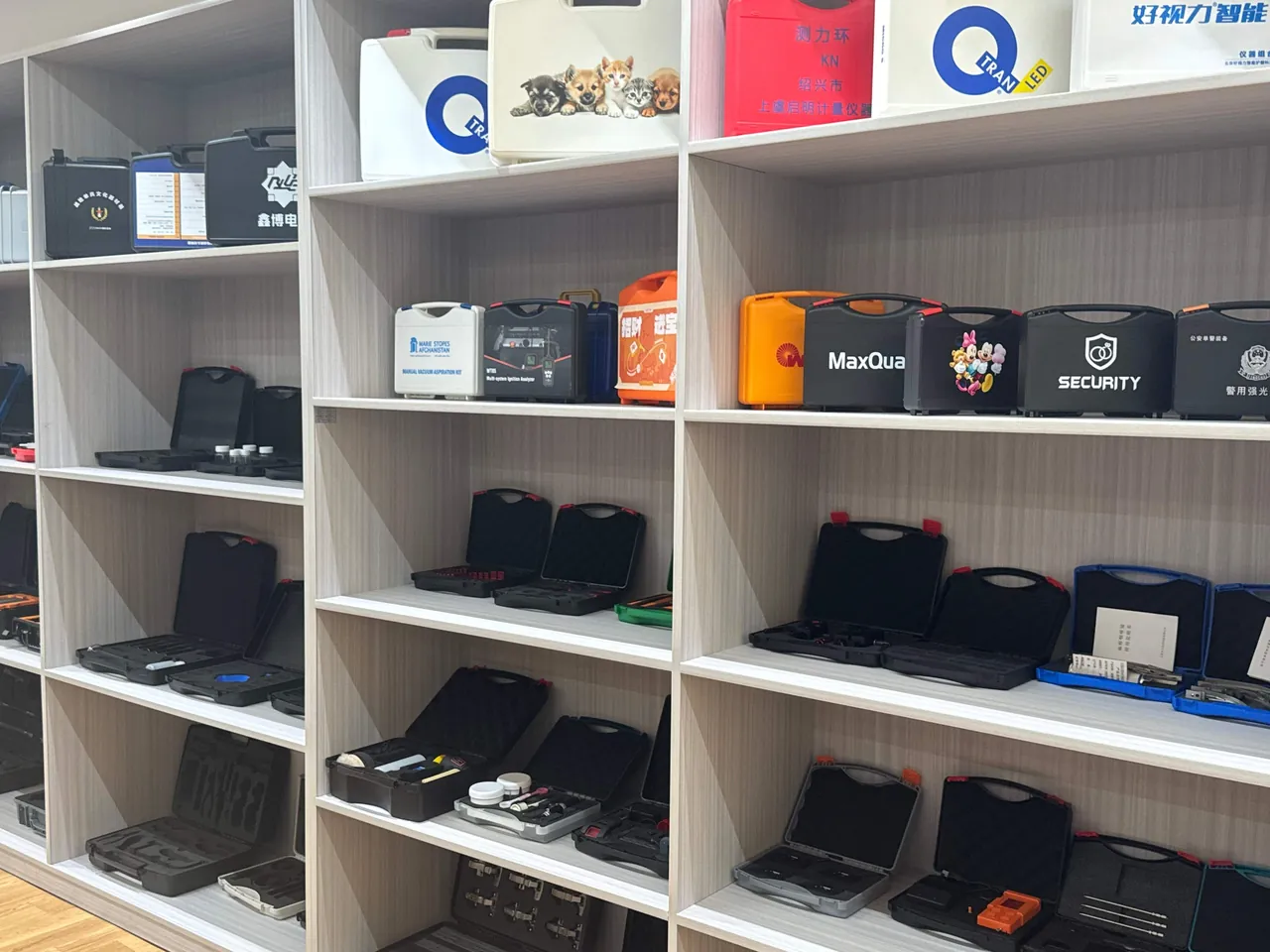
Identification of a refurbished protective case unfolds along three lines: appearance, sealing and hardware. On appearance, first check the shell for cracks, deformation, repair marks and UV chalking: if the plastic surface has whitened, is powdery and feels brittle, the material has been aged by prolonged sun exposure; if corners and hinge mounts have cracks or repeated repairs, impact resistance drops significantly. Then check whether the color is even and whether markings have been covered or replaced, since anomalies often indicate refurbishment or counterfeiting.
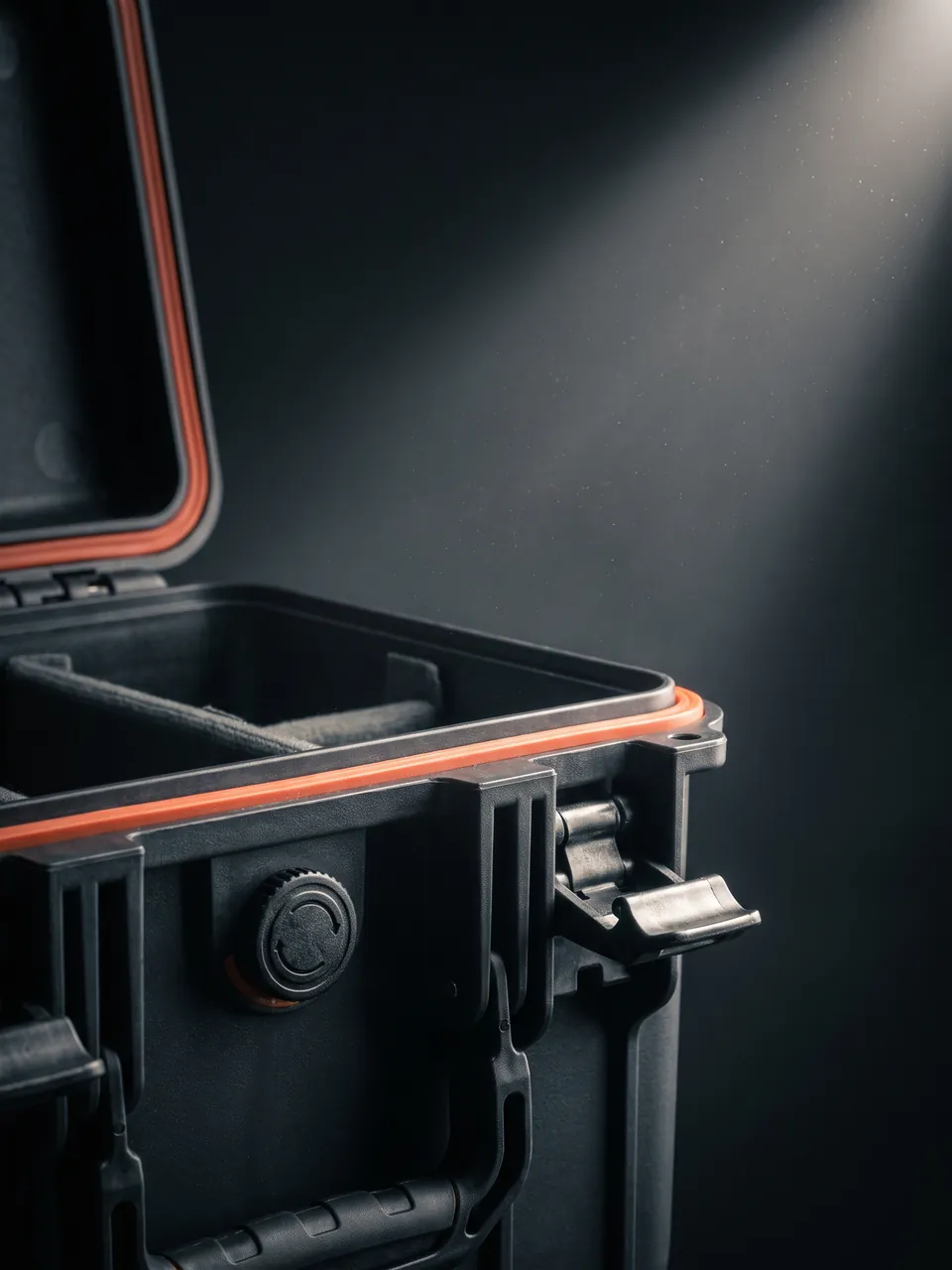
Hardware is the priority: check latches, hinges, handles and valves for rust, looseness, abnormal noise and deformation; stainless parts should show no pitting for the use environment; check whether latches close fully with even pressure. The sealing gasket should be checked for compression set, cracking, notches and channel release; once a gasket hardens or loses rebound, the seal has failed even if the appearance is intact.
After the visual check, a seal and closure test must be done, not just an eyeball assessment. Related authenticity judgment can follow the verification method of identify genuine vs fake case.
Structural Integrity and Hidden-Issue Detection
Structural integrity decides whether a refurbished protective case can carry protection duties. Focus on whether the wall thickness is even, whether corners have internal damage, and whether stacking stops and forklift holes are intact. A case subjected to heavy compression or a drop may develop internal micro-cracks at the corners that are hard to see but open under load; tapping for sound, backlighting and dye penetrant methods can help judge.
Hidden issues also include: the mating face of lid and body deformed into a gap; broken stiffeners; a sealing channel chipped so the gasket cannot compress; and a clogged or failed pressure-equalization (breather) valve. For immersion scenarios, any mating-face deformation or sealing-channel damage directly admits water and must be ruled out.
For a case that claims structural repair, ask for the repair location and method, and re-check the strength and sealing at the repaired area. If structural integrity cannot be confirmed, it is better to downgrade the case to non-protection use than to risk transporting precision equipment. Related structural grading can follow the case design points of rotomolded protective case.
Another useful check is the service history told by the case's own surface. Scratches concentrated on one corner suggest repeated drops on that corner; a shine worn into the lid suggests it was dragged rather than carried; a strong smell of solvent or fresh paint suggests cosmetic concealment. None of these proves failure on its own, but together they build a picture that a careful buyer can weigh against the seller's description. When the physical story contradicts the sales story, ask more questions before paying.
Liner, Accessories and Authenticity Check
The liner and accessories are the parts most easily "passed off as better" in a refurbished case. If the foam liner has yellowed, sheds, is cut too densely or does not match the original equipment, it is second-hand or generic filling with reduced cushioning; a custom liner should fit the equipment shape as one slot per object. Missing desiccant, humidity card or document pouch indicates incomplete refurbishment.
The authenticity check should reach the details: whether the brand silk-screen, mold number, nameplate, serial number and certificate of conformity agree; whether the hardware brand and workmanship are proper; whether the case mold line and color are natural. Counterfeits often cut corners on hardware and gaskets, looking similar but with a short life. For high-value or immersion scenarios, verify the original channel and serial number, and consult the maker if necessary.
Accessory checks also cover latch padlock holes, strap loops, wheels and handles. Any missing or damaged accessory affects use and safety, so acceptance should confirm each item and clarify which are replacement parts and which are wear parts. Related sealing and accessory standards can follow case seal materials.
Test Methods and Acceptance Criteria
The test of a refurbished protective case should cover four categories: sealing, closure, structure and hardware. Sealing can be tested simply: close the lid and press, observing whether the gasket is loaded evenly and whether there is a leak point; where possible, run a water-mist or spray test and observe whether water enters; for high IP requirements, require the seller to provide a re-inspection report or third-party test. Closure testing checks whether latch pressure is even, whether opening and closing are smooth, and whether there is abnormal noise.
Structural testing combines visual check and light tapping, focusing on corners, stiffeners and the sealing channel; hardware testing checks rust, looseness and wear; the breather valve gets a venting and waterproof check. The acceptance items below can be scored one by one, and any failure should be resolved or discounted before purchase.
| Acceptance Item | Pass Criteria | Handling on Failure |
|---|---|---|
| --- | --- | --- |
| Gasket | No hardening, no notch, good rebound | Replace and re-test |
| Latches/hinges | No rust, even closure, no play | Replace hardware |
| Case structure | No crack, no hidden repair | Downgrade or reject |
| Breather valve | Vents normally, membrane intact | Replace valve |
| Liner | One slot per object, no shedding | Replace liner |
| Marking/nameplate | Clear, consistent, traceable | Verify authenticity |
Testing is judged by "does it reach the declared rating", not "does it look fine". For a refurbished protective case, require the seller to give a written note on critical-part replacement and re-inspection, as the basis for warranty and responsibility. Related life assessment can follow protective case service life.
Another value of testing is that it creates a pricing basis. Within one batch of refurbished protective cases, whether the gasket has been replaced, whether the latches are original and whether the breather valve works make an obvious difference to usable life; linking each test result to the price lets the buyer compare multiple quotes on equal footing instead of being misled by cases that "look about the same". Writing test items, results and price into the order is also an effective way to push the seller toward a disciplined refurbishment process.
Risk Checklist: Leaks, Embrittlement and Counterfeits
The main risks of a refurbished protective case fall into three categories. First, leaks and water ingress: gasket compression set, sealing-channel damage or insufficient latch pressure make the declared rating nominal, causing water ingress in the rainy season or failure under immersion. Second, material embrittlement: prolonged UV exposure makes plastic powdery and brittle, sharply reducing impact resistance so it cracks on a drop. Third, counterfeits and refurbished cases passed off as new: hardware and gaskets cut corners, or serial numbers altered, bringing neither warranty nor safety assurance.
Risk also comes from "incomplete refurbishment": cleaning only the appearance without replacing critical parts, continuing to use a failed gasket, or spray-painting over a multi-repaired shell to hide cracks. Such cases often look acceptable but soon fail in real conditions.
The way to reduce risk is to clarify the use scenario and required rating, check the critical-part state against the grade, require test and replacement records, prefer remanufactured or reputable refurbishers, and firmly use new cases for high-risk scenarios. Combine the risk checklist with the acceptance checklist, and used protective case buying will avoid the pitfalls.
A final practical habit is to buy a small sample first. Order one or two cases from a new channel, test them fully, and only then commit to a larger batch. The cost of a sample is trivial next to the cost of a bad batch, and the sample becomes the physical baseline against which the batch is compared. This single habit catches more bad suppliers than any checklist, because it tests the seller's real process rather than their claims.
Warranty and After-Sales Terms
The warranty of a refurbished protective case is an important measure of trustworthiness. Proper case refurbishment usually gives a limited warranty on replaced gaskets and hardware and a period of assurance on the refurbishment process, whereas most used-case deals are "as-is" with no or very short warranty. At purchase, clarify the warranty scope, term, responsibility definition and after-sales response, to avoid having no one responsible when a problem appears.
Negotiation points include: which parts the warranty covers (gasket, hardware, shell); whether it includes seal failure; whether replacement parts are same-spec genuine parts; the response time and cost responsibility for repair and replacement; and whether a test report is provided as the basis. For mixed batches of new and old, mark each case's grade and warranty for later traceability.
Note that a warranty cannot replace correct scenario matching. Even with a warranty, using a refurbished case for long immersion or precision protection still increases total cost through frequent failures. So the warranty is a "backstop", while scenario matching and critical-part replacement are the "cure". Related after-sales and maintenance can follow the replacement advice of case seal materials.
Insurance and risk transfer deserve a mention. Some buyers assume a cheap used case is acceptable because the cargo is itself insured; in practice, an insurer may question whether the packaging was fit for purpose, and a claim could be reduced if the case did not meet the declared rating. Checking with the insurer what packaging standard is expected, and documenting the case's rating and condition, protects the claim as much as the cargo itself.
Price and Total Cost of Ownership
A refurbished protective case is usually cheaper than a new one, but "cheap" must be judged by total cost of ownership. Total cost should include the purchase price, critical-part replacement, testing, maintenance and gasket replacement, cargo loss and downtime from failure, and possible warranty cost. A low-price used case often returns the difference through cargo loss and maintenance, or even costs more.
The table below gives a total-cost comparison idea for a new case, a refurbished case and an as-is used case, to help buyers make a quantitative comparison.
| Cost Item | New Case | Refurbished (Grade A) | Used (As-Is) |
|---|---|---|---|
| --- | --- | --- | --- |
| Purchase price | High | Medium | Low |
| Critical-part replacement | None | Partial | Often self-funded |
| Testing fee | Included | Small | Often missing |
| Maintenance and gasket | Long cycle | Shorter cycle | Short cycle |
| Failure loss risk | Low | Low-Medium | Medium-High |
| Warranty | Full | Limited | Often none |
Therefore, a refurbished protective case is best used by "scenario grading plus cost quantification": for non-critical scenarios, a refurbished case saves money reasonably; for critical scenarios, the price difference is not enough to cover the risk, so a new case should be chosen. Related new-case mold and cost structure can follow custom case mold cost analysis.
Sourcing Channels and Negotiation Points
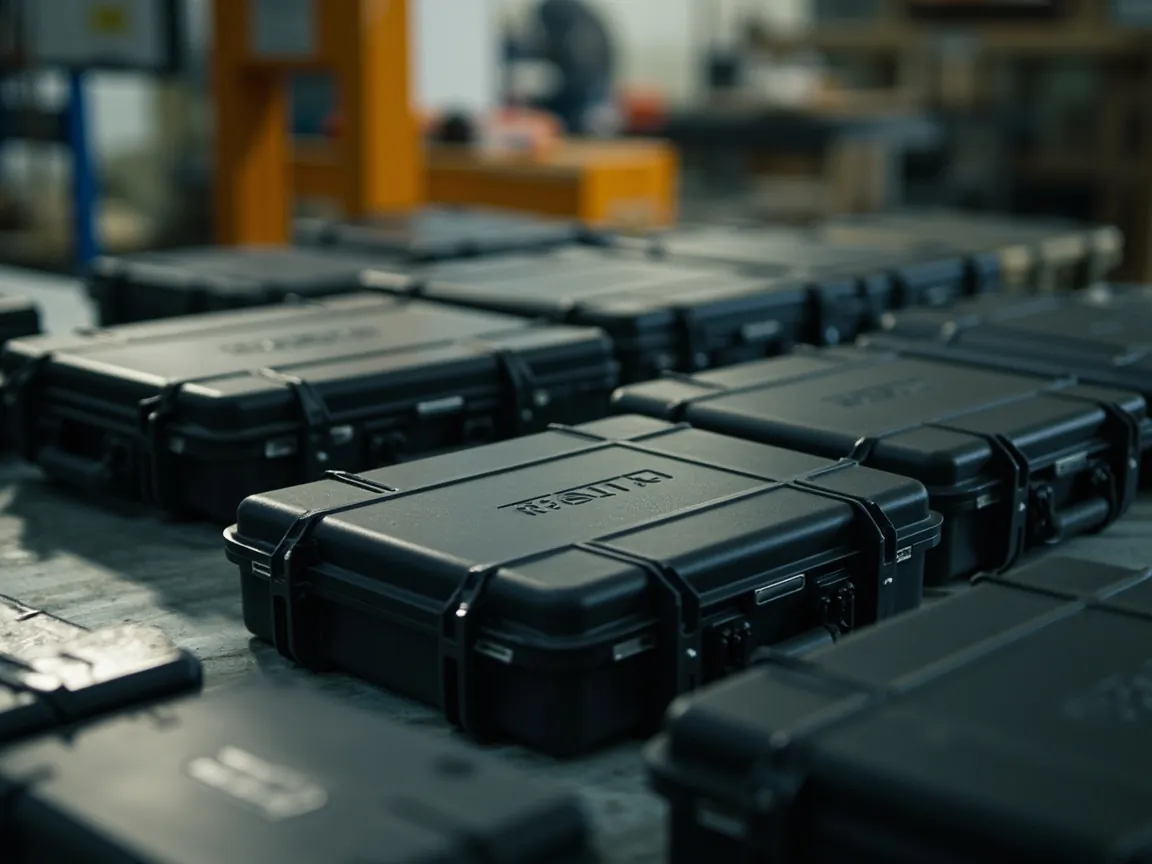
The sourcing channel directly affects the credibility of a refurbished case. The usual priority is: maker remanufacturing channel > qualified professional refurbisher > general used-case dealer > goods of unknown origin. A remanufactured case follows standard practice and warranty with the lowest risk; a professional refurbisher replaces critical parts and issues a test note; a general dealer mostly sells as-is, requiring the buyer to test.
Negotiation points include: clarifying the grade and condition standard; requiring a list of replaced parts and their source; obtaining seal and closure test records; agreeing the warranty scope and term; requiring sampling and acceptance criteria for batch orders; and stating that refurbished parts are not accepted for demanding scenarios. For low-price cases of unknown origin, be cautious even if the appearance is good, to avoid counterfeits or severely aged cases.
At acceptance, check grade, critical parts and markings case by case, sample-test sealing and closure, and retain images and records. Writing channel, list, testing and warranty into the contract sharply reduces the procurement risk of a refurbished protective case. Related authenticity checks can follow identify genuine vs fake case.
For cross-border procurement, channel and compliance need extra attention: some regions have certification and labeling requirements for imported remanufactured products, and plastic recyclate content may require a material declaration and traceability. Confirm the accompanying documents, compliance items and customs paperwork with the seller in advance, to avoid the goods being held at the port for missing documents and to prevent bringing non-compliant cases into the production system.
Maintenance and Life Extension of Refurbished Cases
Even for a refurbished protective case, proper maintenance markedly extends life. Keep the gasket clean and apply silicone grease periodically to delay hardening; avoid prolonged UV exposure, using a sunscreen cover where needed; keep the lid slightly open in long storage to avoid crushing the gasket; lubricate hinges and latches periodically; clean dust and moisture after each use and replace the desiccant.
Maintenance also includes periodic review: every six months check gasket elasticity and cracks, check hardware rust and looseness, and check whether the breather valve vents normally. Once seal failure is found, replace the gasket promptly rather than continuing to use it. For a used protective case on turnover duty, build an ID and maintenance ledger recording replacement and inspection dates, easing life judgment and budgeting.
With maintenance brought into management, a Grade A refurbished protective case often serves several more cycles, further highlighting its value. Related replacement cycles can follow the assessment method of protective case service life.
Training is part of maintenance too. A simple card inside the lid showing how to seat the gasket, how to read the humidity card and when to replace the desiccant prevents most avoidable failures. Crews that are shown the routine on the actual case make far fewer mistakes than crews told to simply be careful, and the card costs almost nothing. For a refurbished case, whose history is unknown, this onboarding matters even more.
The maintenance ledger matters beyond extending one case's life: it provides data for batch decisions. When a batch of refurbished protective cases shows a clearly higher gasket replacement rate, it signals unstable refurbishment quality at that channel, and later procurement should adjust the source or demand a more transparent replacement-parts list. Managing refurbished cases with data is more reliable than judging by impression, and it gives a quantifiable answer to whether refurbishment is worthwhile.
OEM/ODM and JUNZHJIA Capability
For clients who genuinely need new or maker-remanufactured cases, JUNZHJIA provides integrated capability from case selection, liner customization to seal kit matching. We can customize CNC-cut foam liners by your equipment size, one slot per object; support OEM/ODM color, silk-screen and structural modification by industry; and for export projects provide IP, flame-retardant and transport test documents for inclusion in tenders and technical agreements. Compared with a refurbished protective case of unknown origin, the maker solution offers more assurance in seal consistency, parts availability and warranty.
For existing cases, JUNZHJIA can also customize liners and seal kits separately, helping upgrade a still-serviceable used protective case into a refurbished case able to carry some protection duties. Related new-case and customization processes can follow rotomolded protective case and IP67 protective case.
Procurement and Acceptance Checklist
Documents and information recommended for procuring a refurbished protective case: grade and condition-standard notes, a critical-part replacement list and source, seal and closure test records, a structural inspection note, warranty terms and term length, and seller qualification and channel notes. For a refurbished case claiming an IP rating, require the re-inspection basis rather than a verbal promise.
Physical acceptance points: gasket with no hardening or notch and good rebound; latches and hinges unrusted with even closure; shell with no crack or hidden repair; breather valve venting normally; liner fitting with no shedding; clear traceable markings and nameplate; complete accessories (padlock holes, strap loops, wheels). Check grade case by case, sample-test sealing, and retain images and records as the basis for warranty and responsibility.
Selection Parameter Comparison
| Parameter | New Case | Maker Remanufactured | Professional Refurbished | Used As-Is |
|---|---|---|---|---|
| --- | --- | --- | --- | --- |
| Critical part state | New | Replaced and re-inspected | Partly replaced | Unknown |
| Seal reliability | High | High | Medium-High | Low-Medium |
| Warranty | Full | Full | Limited | Often none |
| Test documents | Complete | Complete | Partial | Often none |
| Price | High | Medium-High | Medium | Low |
| Recommended scenario | Critical protection | Critical protection | Sub-critical | Non-protection |
Matching the scenario to the source with the table above avoids both "chasing the cheapest" and "always buying new". The ultimate purpose of refurbished case identification is to spend every dollar on reliability that matches the scenario. Related grade and life judgment can follow protective case service life.
Frequently Asked Questions
Question: Can a refurbished protective case be safely used for precision instrument transport?
Answer: Generally not recommended. Precision instruments demand high sealing, impact resistance and consistent cushioning, while a refurbished case's critical-part state and load history are hard to fully confirm, leaving hidden-failure risk. If it must be used, choose a maker-remanufactured case, require gasket and hardware replacement with a re-inspection report, limit it to Grade A and run a seal test. For demanding scenarios such as long immersion, medical and dangerous goods, prefer a new case. Matching scenario to grade is the safety premise of used case buying.
Question: How do I quickly judge whether a refurbished protective case gasket has failed?
Answer: Look, feel and press. Look for cracks, notches, channel release and obvious compression marks; feel whether it is hard and whether it still has rebound; press after closing and observe whether the gasket is loaded evenly with no leak point. Once a gasket shows compression set (it does not spring back after release), the seal has failed even if the appearance is intact, and it should be replaced. For high IP requirements, run a spray or water-mist test, or require the seller's re-inspection report rather than judging by eye.
Question: In which cases should a used protective case be rejected?
Answer: Common rejection cases include: shell with cracks or repeated repair marks; internal damage at corners or hinge mounts; a sealing channel chipped so the gasket cannot compress; a hardened, cracked gasket the seller will not replace; rusted or loose latches and hinges; a failed breather valve; markings and serial numbers inconsistent with the brand and workmanship, suggesting a counterfeit; and a seller unable to explain origin and replacement records. For demanding scenarios, any doubt about structural integrity should lead to downgrade or rejection.
Question: What does a refurbished case warranty usually cover?
Answer: It depends on the source. A maker-remanufactured case usually carries the standard warranty covering replaced parts and the refurbishment process; a professional refurbisher often gives a limited warranty on replaced gaskets and hardware; a general used case is mostly as-is with no or very short warranty. At purchase, clarify which parts the warranty covers (gasket, hardware, shell), the term, whether seal failure is included, response time and cost responsibility, and obtain a test report as the basis. The warranty is a backstop, not a substitute for correct scenario matching and critical-part replacement.
Question: How much cheaper than a new case makes a refurbished protective case worthwhile?
Answer: Do not look only at the price difference; calculate total cost of ownership. Compare purchase price, critical-part replacement, testing, maintenance and gasket replacement, cargo loss and downtime from failure, and warranty cost together. If the price difference does not cover the higher failure risk and maintenance cost, it is not worthwhile. In practice, a Grade A refurbished case makes sense for non-critical, non-immersion, turnover scenarios; for critical protection and high-value equipment transport, the difference usually does not cover the risk, so choose a new case.
Question: How do I avoid buying a refurbished case passed off as new?
Answer: Verify details and channel. Check whether the brand silk-screen, mold number, nameplate, serial number and certificate agree, whether hardware and gasket workmanship are proper, and whether the mold line and color are natural; prefer the maker or authorized channel, and keep the invoice and warranty certificate. Counterfeits and cases passed off as new often cut corners on hardware and gaskets, looking similar but short-lived. For high-value purchases, verify the serial number with the maker. Related methods can follow the verification logic of identifying genuine vs fake cases.
Question: How do I extend the life of a refurbished case after purchase?
Answer: Good routine maintenance markedly extends life. Keep the gasket clean and apply silicone grease periodically; avoid prolonged UV exposure; keep the lid slightly open in long storage to avoid crushing the gasket; lubricate hinges and latches periodically; clean moisture after use and replace the desiccant; check the gasket, hardware and breather valve every six months. Build an ID and maintenance ledger recording inspection and replacement dates. Then a Grade A refurbished protective case often serves several more cycles with better value.
Question: When must I choose a new case instead of a refurbished one?
Answer: When the scenario demands high sealing, impact resistance and consistency, or involves compliance and safety responsibility, prefer a new case. Typical cases include: precision instrument and medical equipment transport, long immersion and offshore operations, dangerous-goods and battery transport, tendering projects that must issue IP and flame-retardant test documents, and critical links extremely sensitive to downtime. A refurbished case suits non-critical, non-immersion, turnover and training scenarios; drawing this boundary clearly is the rational procurement strategy.
Summary and Further Reading
Buying a refurbished protective case follows four steps, grade with confidence, test the seal, verify the parts and check the warranty, treating refurbished case identification, used case buying and case refurbishment as one system. Critical-part state decides reliability, scenario matching decides whether it is worthwhile, and warranty and channel decide the risk level. Do these three things well and a refurbished case is a money saver; do them poorly and it becomes a source of hidden risk.
Further Reading
- Identify Genuine vs Fake Case: Detail Verification and Anti-Counterfeit Methods
- Protective Case Service Life: Replacement Cycles and Life Extension
- Case Seal Materials: Gaskets, Rings and Compression Design
- Custom Case Mold Cost Analysis: Tooling Investment and Volume Amortization
- IP67 Protective Case: Waterproof and Dustproof Ratings and Selection
- Rotomolded Protective Case: One-Piece Shell and Impact Resistance