

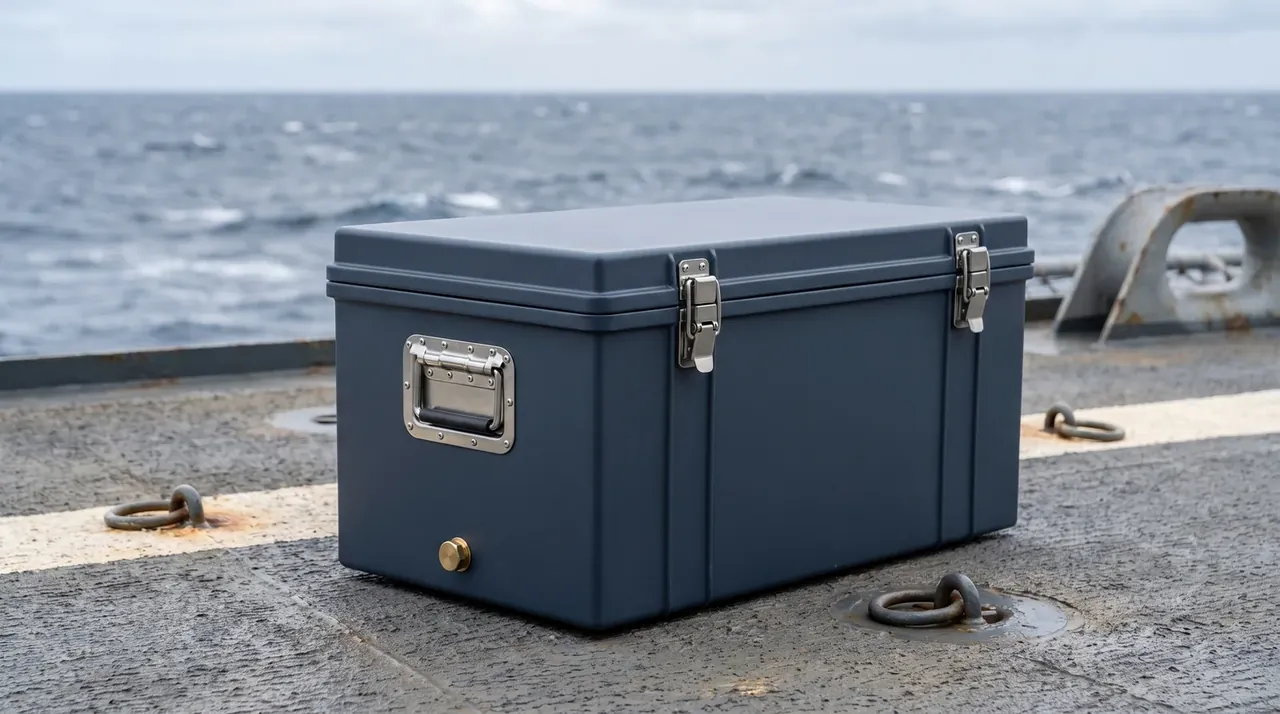
Quick answer: A cb scheme case report buys one test round instead of four: 2 samples, about 6 weeks, and a report usable for 3 years across 50-plus member countries.
Table of contents
- One test round, two documents
- Fifty-plus members, three tiers of acceptance
- Six weeks against sixteen
- A three-year report and the model family
- Four differences that stop a transfer
- FAQ
1. One test round, two documents
Two samples, 6 weeks, one report. The arithmetic only works if the report stays valid long enough to carry several shipments, which is why the 3-year life matters more than the test.
The certificate and the report do different jobs. The certificate is the single page a regulator reads: model, standard, verdict. The report is the file a destination authority works through line by line, holding raw data, photographs and any retest record. Send the certificate alone and the transfer stalls.
| Document | Issued by | Content | Valid for | Use at transfer |
|---|---|---|---|---|
| Test certificate | Certification body | Model, standard, verdict | Tied to report | Main document |
| Test report | Accredited laboratory | Data, photos, retest record | 3 years | Checked against national differences |
| National difference list | Accredited laboratory | Clauses that differ locally | Tied to report | Decides whether retesting is needed |
| Retest record | Accredited laboratory | Failed items, new values | Tied to report | Explains a structural change |
Within the IECEE scheme, testing runs along two standards: IEC 62368-1 for electrical safety and IEC 60529 for enclosure protection. An unpowered shell needs the first applied only to the electrical assembly inside it, while the second covers the whole case. IP54 to IP67 is a change of sealing geometry and pressure relief, not of gasket thickness.
2. Fifty-plus members, three tiers of acceptance
The same report lands in one of three tiers. Tier one accepts the data and issues on document review, often inside 2 weeks. Tier two accepts it but demands national additions, usually plug type, nameplate language and a factory audit. Tier three rejects the conclusion and requires a domestic applicant to file again.
Japan sits in tier two: its PSE route takes the data but adds ministerial ordinance items, Japanese nameplate text and a Japanese plug, roughly 4 weeks. Korea is also tier two with finer edges: Korean label text, an audit booked 2 weeks out, and a model string that must match the report exactly.
China is tier three. CCC does not let an overseas applicant swap a report for a certificate; a domestic entity must file again, and only the data can be cited.
India leans the same way: BIS registration needs local samples, and shipping plus clearance commonly adds 10 weeks.
| Country | Accepts report | Extra requirement | Added time |
|---|---|---|---|
| Japan | Partly | Ordinance items, Japanese nameplate | 4 weeks |
| Korea | Partly | Korean label, factory audit | 6 weeks |
| China | No | Domestic applicant refiles | 8 weeks |
| India | Partly | BIS registration, local samples | 10 weeks |
3. Six weeks against sixteen
A single-country test runs about 6 weeks: 5 days transport, 15 days testing, 10 days for one retest round. Four countries done separately start at 16 weeks, and one failure pushes the rest back.
The cb scheme case route compresses testing into one round and leaves the four destinations with difference work only, landing near 12 weeks.
Cost follows a 1 : 3 ratio: with a single-country test as 1, four separate tests approach 3, and one report transferred to four countries sits near 1.6. The gap comes from repeated samples and retests, not scope.
| Route | Test rounds | Time | Report reuse |
|---|---|---|---|
| Single country | 1 | 6 weeks | None |
| Report to 1 country | 1 plus differences | 8 weeks | About 80% |
| Report to 4 countries | 1 plus 3 difference sets | 12 weeks | About 70% |
| Four countries separately | 4 | 16 weeks | None |
4. A three-year report and the model family
Three years means the report can be cited repeatedly, not that the product may drift.
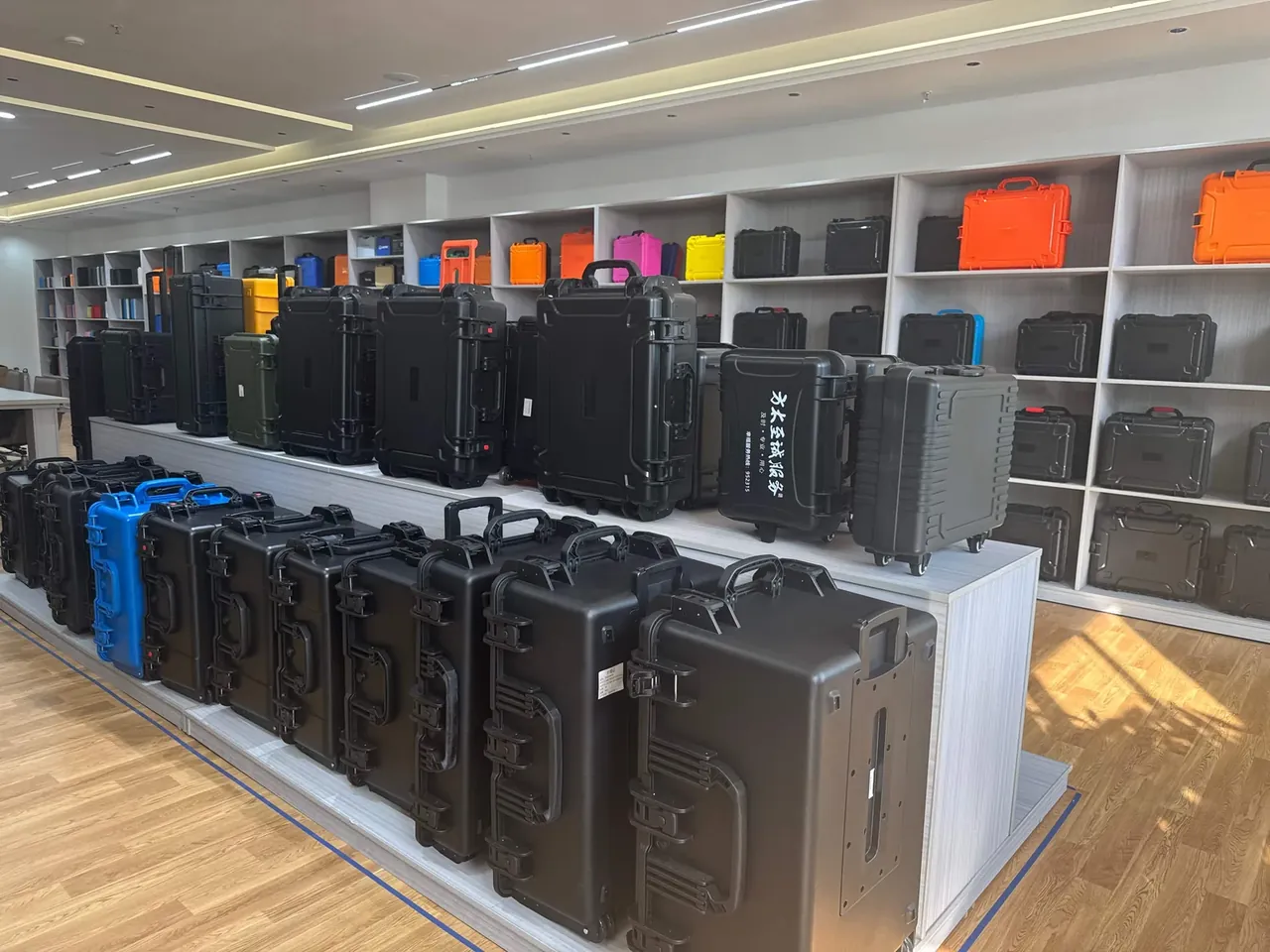
How the family is drawn decides how many variants one report covers. Identical shell structure, latch type and sealing method usually allow different cavity sizes and insert layouts to sit inside one family. Change the parting line or add an opening and the case counts as structurally modified, which triggers an assessment.
Two samples is the floor: one tests, one is kept. A destructive programme consumes the test sample, so a case dropped and immersed cannot double as the retained unit.
Keep the retained unit for 3 years, matching the report: a cavity-matched sample answers what photos cannot.
5. Four differences that stop a transfer
Most transfer rejections come from four items: plug and cord, nameplate language, factory audit, and applicant identity.
The first two are hardware and artwork, quick to fix. The last two set the schedule: audits in Korea and India take 2 weeks each, a Chinese applicant 4 weeks, and a shipment booked early simply waits.
| Difference | Triggered in | What is added | Time |
|---|---|---|---|
| Plug and cord | Japan, Korea, India | New plug type and retest | 1 week |
| Nameplate language | Japan, Korea | Japanese or Korean field | 3 working days |
| Factory audit | Korea, India | First audit and closure | 2 weeks |
| Applicant identity | China | Domestic legal entity | 4 weeks |
Schedule backwards from the sailing date: subtract 10 weeks for transfer and retest, then plan production. Done the other way, samples finish before certificates exist.
Conclusion
A cb scheme case programme saves samples, shipping and retest rounds rather than test items: one round, one report good for 3 years, and a door into 50-plus members. Put Japan, Korea, China and India into a 12-week plan before samples are moulded, and the 6 weeks of testing will not be wasted.
This article covers case-side specifications only and does not address any handling, loading or use of the contents.
Related Reading
- Certification set for one export unit
- Transport certification in context
- Japan PSE filing points
- Korea KC labelling and audits
- India BIS registration and samples
Related Products
- 8 Series — Gun Cases; Military Equipment Cases; Camera Equipment Cases; Drone Cases; Watch Cases; Knife Cases; First Aid Cases; Electronics Equipment Cases
- WL8-2812 PP Gun Case — model WL8-2812
- All protective cases and toolboxes: 7 series, 158 models