

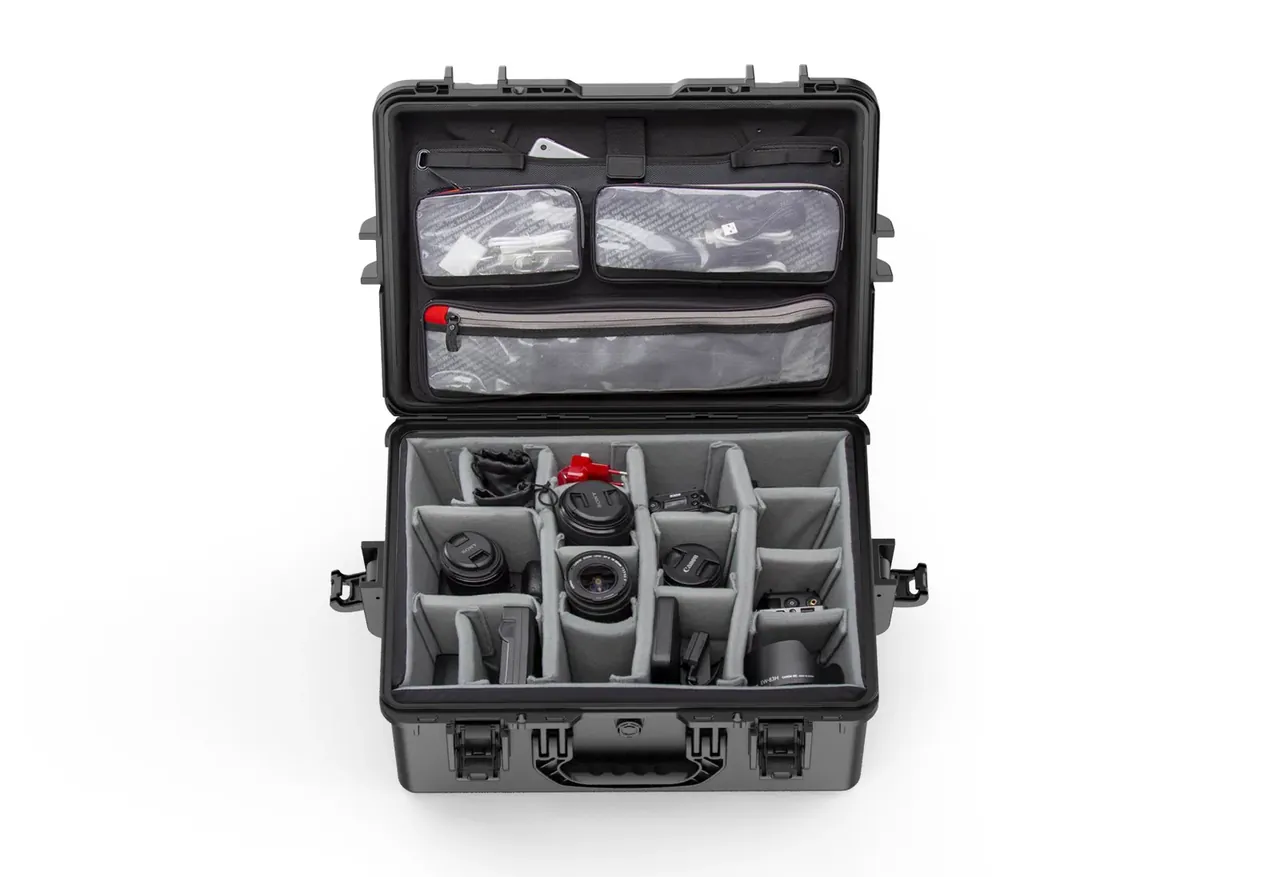
Quick answer: Case export japan fails on the label, not the shell: fix the diamond or circle mark, print 100 V at 50 and 60 Hz, then add six Japanese fields.
Table of contents
- The label is the first gate
- Diamond or circle: which PSE mark
- 100 V at 50 and 60 Hz: six fields
- Packaging marks: plastic and JIS Z 0201
- FAQ
1. The label is the first gate
Two identical cases reach Yokohama and only one clears the importer's dock check, because the difference sits on 60 × 40 mm of printed film rather than in the moulding. The importer reads the label against the notification on file, the rating against a 100 V grid and the carton mark against the recycling class, and one mismatch parks the pallet in a bonded shed.
Case export japan planning starts with printable area: a 600 × 400 × 300 mm carton leaves a 60 × 40 mm window for six fields, two frequencies and one certification number, with type at 2.5 mm before an inkjet head smears it.
The cost runs the other way. A reprint is 0.4 USD per label, storage is 12 USD per pallet per day, so two days of waiting outruns the whole first print run.
2. Diamond or circle: which PSE mark
Japan lists 457 electrical appliance categories; 116 specified products carry the diamond mark and the other 341 carry the circle. The split follows the cabinet order naming the category, not the wattage on the plate.
A registered body inspects the diamond type, issues a certificate the importer keeps and prints its name beside the mark, while the circle route is self-declared with the inspection record kept for 3 years.
| Item | Diamond (specified) | Circle (non-specified) |
|---|---|---|
| Categories | 116 | 341 |
| Third-party assessment | Required, registered body | None |
| Responsible party | Manufacturer or importer | Same |
| Inspection record | Kept 3 years | Kept 3 years |
| Beside the mark | Assessment body name | Company name only |
| Business notification | Within 30 days | Within 30 days |
Case export japan screening takes three steps. Ask whether 100 V enters the case at all, since a shell outside the 457 categories needs neither mark nor notification. Place every added part in a category, where interior lighting lands among luminaires and a USB port among chargers. Then read the rating, because a 5 V charging module can still hit a named category.
Printing a circle where a diamond belongs removes one third-party inspection and leaves the importer unable to support the notification.
3. 100 V at 50 and 60 Hz: six fields
Japan supplies a nominal 100 V, 50 Hz in the east and 60 Hz in the west, at 101 V ± 6 V, so a case export japan nameplate printing only 50 Hz is under-labelled in Osaka and costs two weeks to correct.
| Field | Romaji wording | Check point |
|---|---|---|
| Manufacturer | seizō jigyōsha or yunyū jigyōsha | Overseas plants print the importer name plus country of origin |
| Product and model | hinmei with katashiki | Common Japanese name, model identical to the notification |
| Rated voltage | teikaku den'atsu 100 V | One value, never a 100–240 V wide range |
| Rated frequency | teikaku shūhasū 50/60 Hz | Both frequencies, slash separated |
| Rated power | teikaku shōhi denryoku 18 W | Matches measurement within 10% |
| Date of manufacture | seizō nengetsu 2026.04 | Month and year, never the year alone |
The manufacturer row fails most often, because the invoice names a Chinese plant while the case face must name the entity liable inside Japan. Ratings belong to the complete unit, so a 12 V LED strip inside a 100 V product still takes 100 V, and a 12 V plate reads as a mismatch with the goods.
The date runs to the month for batch tracing, and 50 alcohol rubs at 75% must leave the print legible, which rules out coated paper and water-based ink.
4. Packaging marks: plastic and JIS Z 0201
The case face answers to the safety act, the carton answers to packaging rules, and neither mark substitutes for the other.
Plastic identification uses three chasing arrows with pura inside and the material code below, so a polypropylene shell reads PP. The mark measures 10 mm on a side and sits within 40 mm of the bottom edge on two adjacent faces.
JIS Z 0201 numbers the six faces of a package from 1 to 6 for testing, so drop, stacking and vibration records cite the face that failed, and shipping marks follow the same numbering on the most exposed face.
Shipping marks carry consignee, product, quantity, gross weight, volume and origin plus pictorial handling symbols, ordered by the importer's template rather than a house style.
Conclusion
Case export japan reduces to one sequence. Confirm whether 100 V enters the case and skip PSE when it does not. When it does, use the named category to choose diamond or circle, add third-party assessment for the diamond and keep inspection records for 3 years on the circle route. Check the rating against 100 V at 50 and 60 Hz within 10%. Then print the six rows and compare each with the notification: manufacturer or importer, product and model, rated voltage, rated frequency, rated power, date of manufacture. That list doubles as the receiving checklist, and one mismatched row moves relabelling and storage onto the shipper. Close with the plastic mark and the JIS Z 0201 face numbering so both layers hold.
This article discusses container-side specifications and design implications only, and does not cover any handling, loading or use of the contents.
Related Reading
- Field layout for English case labels
- Case and strapping rules for export packing
- Customs clearance and retention of sample cases
- Flute grades and stacking for corrugated cartons
Related Products
- 8 Series — Gun Cases; Military Equipment Cases; Camera Equipment Cases; Drone Cases; Watch Cases; Knife Cases; First Aid Cases; Electronics Equipment Cases
- WL8-2812 PP Gun Case — model WL8-2812
- All protective cases and toolboxes: 7 series, 158 models