

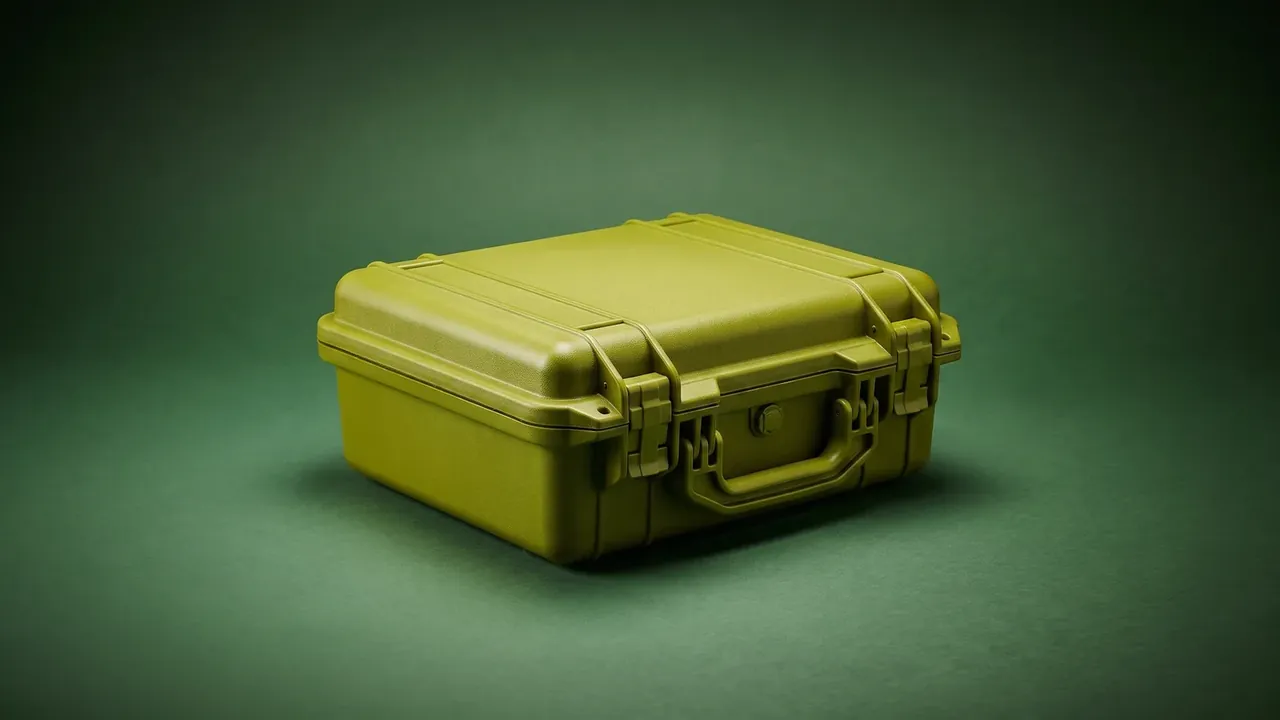
Quick answer: China to Europe runs 38 days by sea at USD 3.18 a case, 20 by rail at USD 6.4, 6 by air at USD 45 — choose by volume and stock window.
Table of contents
- Sea, Rail, Air: Sorting by Transit Time First
- Sea Freight: 28 to 38 Days on 20GP and 40HQ
- Rail: 18 to 22 Days, and the Volume That Pays
- Air: 5 to 7 Days and Why It Is Only for Replenishment
- Customs, Duty, and Port versus Door
- FAQ
1. Sea, Rail, Air: Sorting by Transit Time First
Take 1,100 cases at 580×440×230 mm, Ningbo to Duisburg. Door to door the spread is 32 days: 38 by sea, 20 by rail, 6 by air.
Sea rounds Suez for 19,500 nautical miles; rail covers 11,000 km and changes gauge twice at Malaszewicze; air flies 12 hours and queues for the rest.
Cost does not scale with speed: USD 3.18 a case by sea, USD 6.4 by rail, USD 45 by air.
| Lane | Door to door | Minimum | Per case (USD) | Fits |
|---|---|---|---|---|
| FCL, sea | 32 to 38 days | 1 × 20GP | 2.8 to 3.2 | Over 15 m³ a month |
| Rail | 18 to 22 days | 15 m³ or 1 × 40HQ | 4.7 to 6.4 | Restock inside 30 days |
| Air | 5 to 7 days | 30 kg | 42 to 48 | 200 cases or fewer |
Reverse the logic: count days of stock, then cubic metres, then rates. On a 40-day window a USD 3.2 gap decides nothing; on a 20-day window saved freight will not cover one stockout.
2. Sea Freight: 28 to 38 Days on 20GP and 40HQ
The 28 days are port to port, the 38 door to door, the extra 10 going to cartoning, trucking, declaration, and a berth. Ningbo to Rotterdam runs 30 days, Hamburg 32.
A 40HQ measures 12.03×2.35×2.39 m inside, about 65 m³ usable. One case takes 0.0587 m³: 960 fit palletised, 470 in a 20GP.
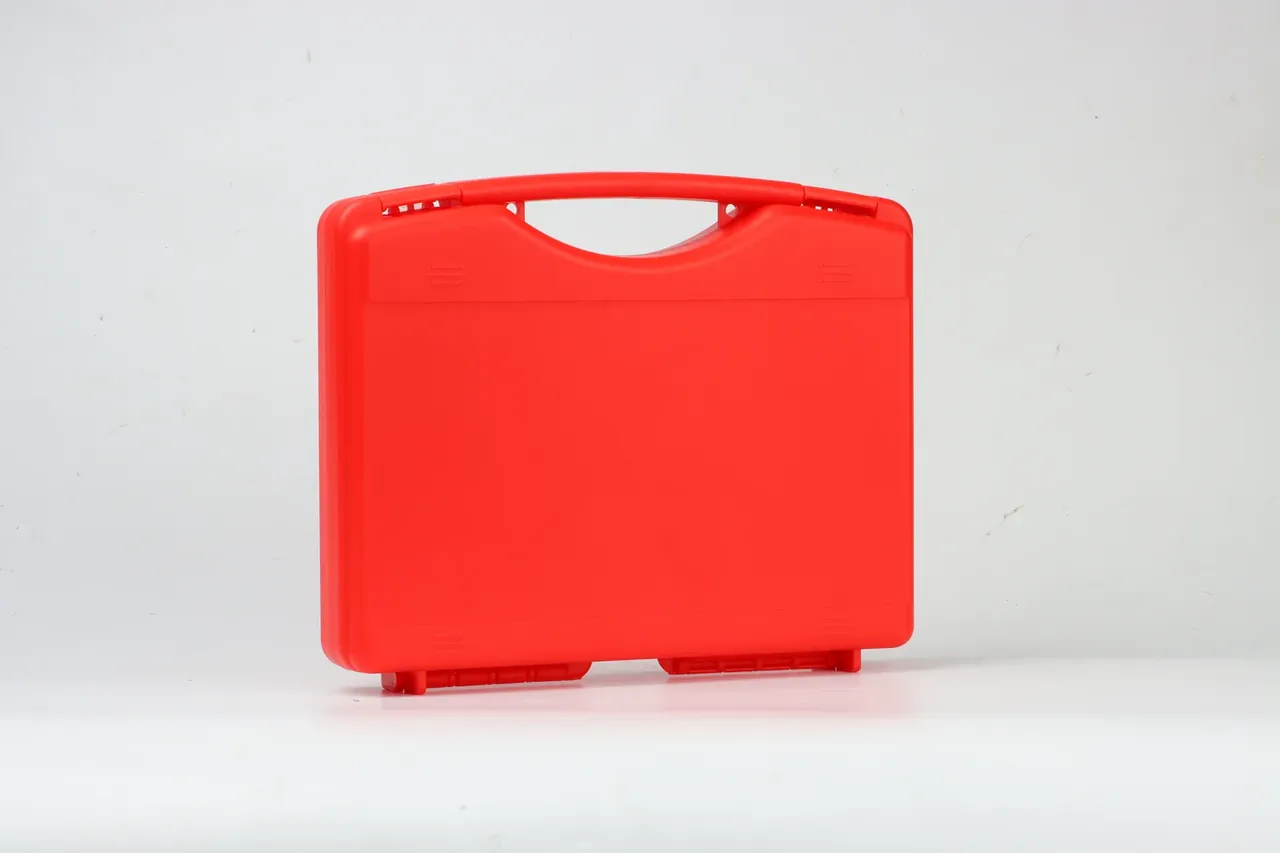
Rates land in the unit price: USD 2,200 for a 40HQ is USD 2.3 a case, 1,400 gives 1.5, 3,800 gives 4.0. Count cubic metres first — 960 cases weigh 4.4 t, short of the limit.
| Item | Per 40HQ (USD) | Per case (USD) |
|---|---|---|
| Ocean freight | 2,200 | 2.29 |
| Origin THC and documents | 260 | 0.27 |
| Destination THC and documents | 250 | 0.26 |
| Customs broker | 82 | 0.09 |
| Inland trucking, 220 km | 263 | 0.27 |
| Total | 3,055 | 3.18 |
Three orders stay off the water: on-shelf within 45 days, under 8 m³, or DDP over 600 km.
3. Rail: 18 to 22 Days, and the Volume That Pays
Trains leave Chengdu, Xi'an, and Yiwu, exit at Alashankou, change gauge at Malaszewicze, and reach Duisburg in 18 to 22 days — 16 days faster than sea, 14 slower than air, at 2.3 times the rate.
Per box, USD 5,200 for a 40HQ is USD 5.4 a case at 960. LCL runs USD 95 per m³, and under 15 m³ the fixed charges push the unit cost past USD 8.
The gain covers Germany, Poland, Czechia, and Hungary; Italy and Spain add 5 to 7 days of trucking, halving it. Book four weeks ahead before Spring Festival.
Two limits apply: a box is capped at 21 t, and the European gauge is 4.0 m, so a three-pallet stack loses 100 mm and the upright pallet goes to two layers.
4. Air: 5 to 7 Days and Why It Is Only for Replenishment
Air runs 5 to 7 days door to door, 12 hours airborne. Rates sit near USD 4.6 a kg and reach 6.2 in peak season.
Chargeable weight is not actual weight: 0.0587 m³ converts at 1:6000 to 9.8 kg against 4.6 kg actual, so the airline bills 9.8 kg — USD 45 a case, 14 times the sea rate.
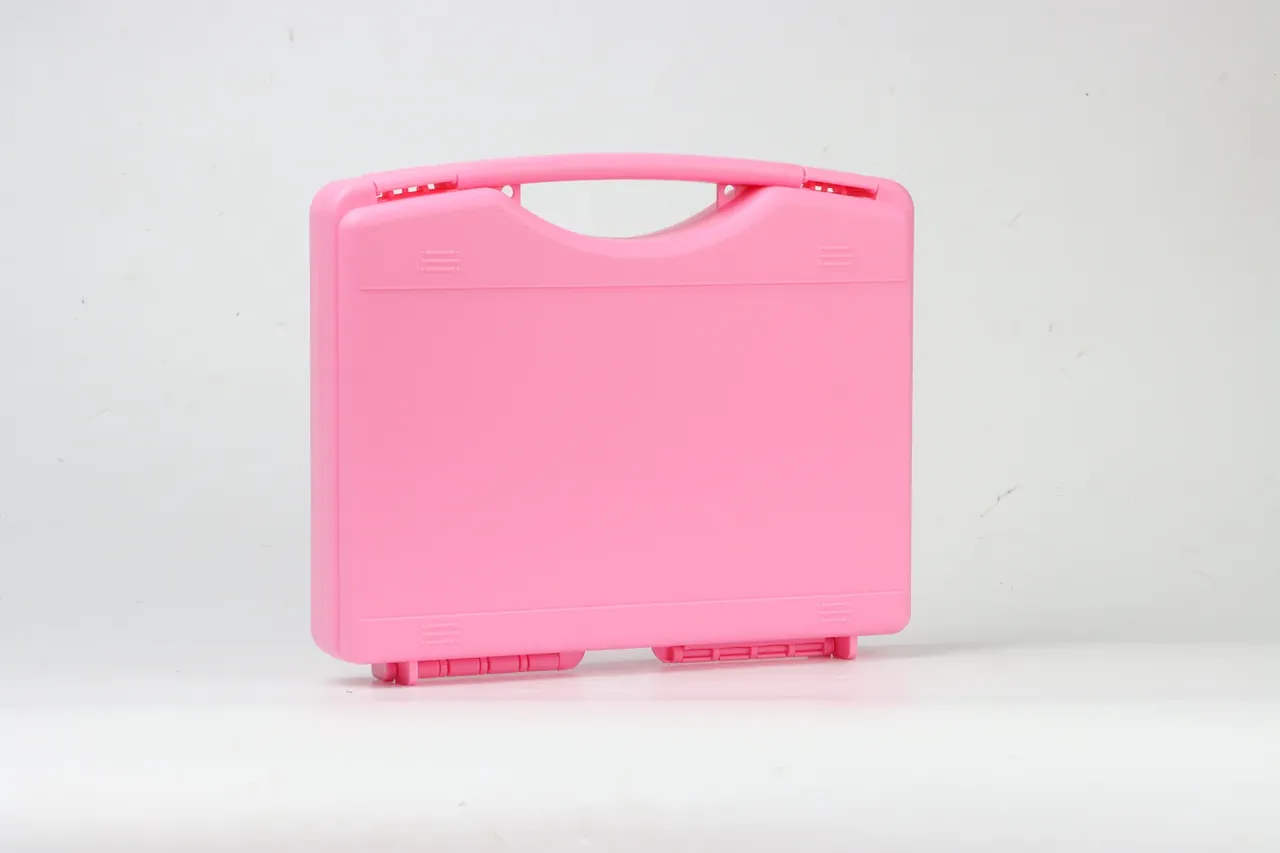
Air does samples and up to 200 cases ahead of a stockout. The test is lost sales: a day of shortage at USD 1,500 justifies 10 days of air at USD 4,500 against USD 15,000 lost.
Packaging has its own rules: 32 kg a piece, IPPC marks on crates, five-ply cartons — cheaper at the factory than at the airport.
5. Customs, Duty, and Port versus Door
Plastic cases classify under HS 4202.12 at a 6.5% EU duty, plus VAT by country: Germany 19%, the Netherlands 21%, Italy 22%. Duty is charged on CIF value, so freight raises the tax base.
Anti-dumping depends on material: plastic cases sit outside the EU measures, steel and aluminium bodies must be checked against origin. A plain case needs no CE mark, but an LED brings the EMC directive, and the importer needs an EORI number.
Pallets require ISPM 15: 56 °C for 30 minutes plus the IPPC stamp, EUR 35 a pallet. VAT can be deferred in the Netherlands and Belgium, where the 21% never leaves the account; Germany has no such scheme.
Port and door differ by three charges: CIF stops at the wharf, leaving THC, brokerage, and trucking to the buyer; DAP adds EUR 242 for 220 km, EUR 75 clearance, EUR 185 THC.
Larger buyers run a mix: 80% FCL, 20% held for air, 45 days of stock in Europe, rail as backup.
| Monthly volume (m³) | Stockout risk | Lane |
|---|---|---|
| Over 30 | Low | 40HQ FCL, 6 boxes a year |
| 15 to 30 | Medium | 20GP FCL, two suppliers combined |
| 8 to 15 | Medium | LCL or rail groupage |
| Under 8 | High | Rail groupage, urgent lots by air |
Conclusion
Sea is the default, rail the accelerator, air the insurance. Four checks settle it: above 15 m³ a month, a 40HQ keeps freight under USD 3.5 a case; inside a 30-day window with 15 m³ or more, rail earns its USD 3.2 premium; air stays for 200 cases or fewer; pallets get ISPM 15 and the delivery point is named in writing. Meet those and 1,100 cases from Ningbo to Duisburg land on time, with the freight bill inside the quote.
Related Reading
- Loading and bracing a case order in FCL
- Choosing Incoterms and freight options
- Case weight and what it does to freight
- Production lead time for protective cases
Related Products
- 8 Series — Gun Cases; Military Equipment Cases; Camera Equipment Cases; Drone Cases; Watch Cases; Knife Cases; First Aid Cases; Electronics Equipment Cases
- WL8-2812 PP Gun Case — model WL8-2812
- All protective cases and toolboxes: 7 series, 158 models