

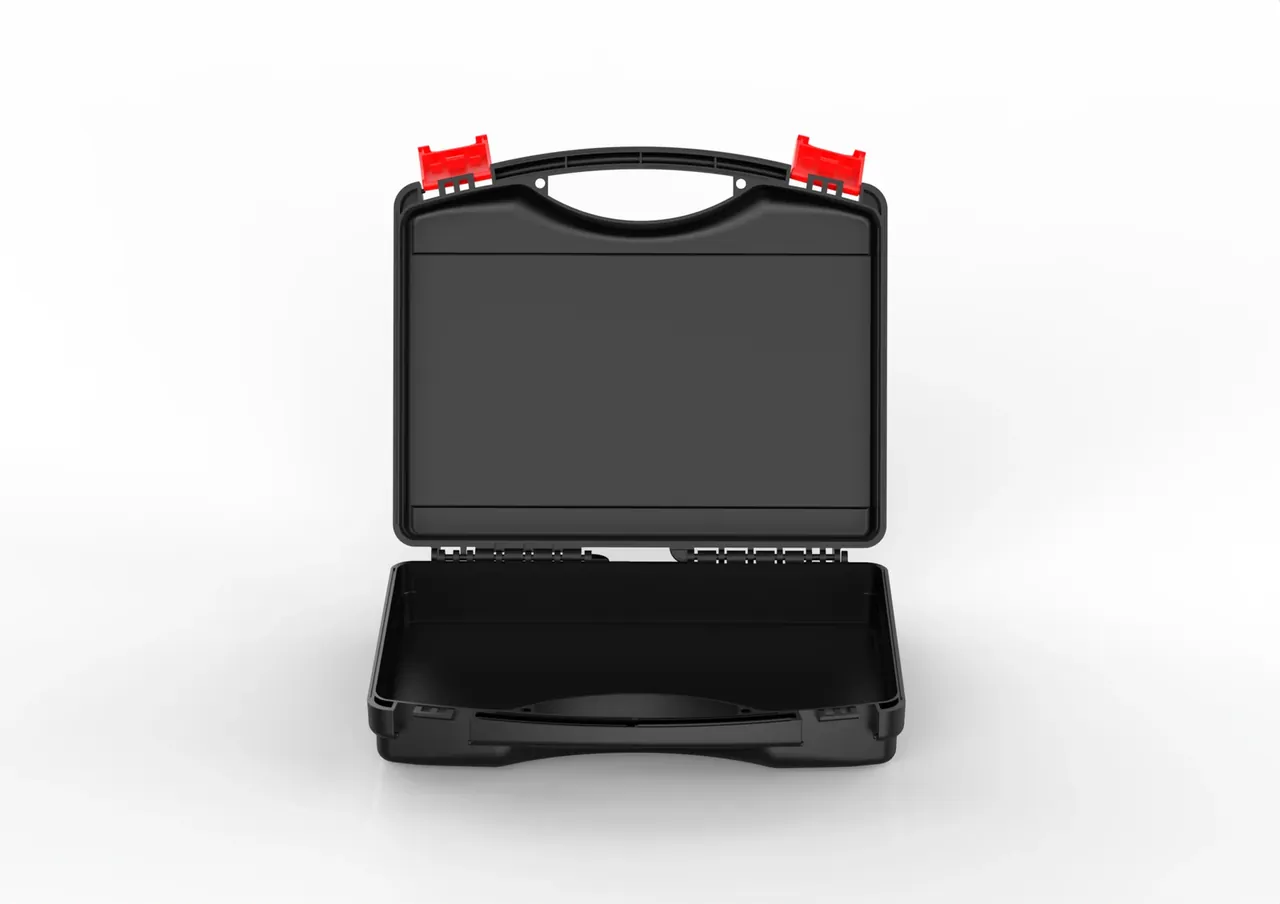
Quick answer: Sample to Mass Production runs through ten checkpoints from T0 to T45, each with a deliverable and a go or no go test, and only the tool build and the hardware delivery can hold the line, so cutting 45 days to 32 costs three named payments.
Table of contents
- The 45 day path in ten checkpoints
- Two critical paths: tooling and hardware
- Cutting to 32 days: three moves and their bills
- What to check when a node stalls
- FAQ
1. The 45 day path in ten checkpoints
Sample to Mass Production is not a steady line but ten checkpoints. T0 freezes the requirement, T3 signs the drawing, T7 brings the first sample, T12 closes the changes, T18 finishes the tool, T22 runs the trial, T26 seals the sample, T30 releases material, T40 completes the batch, T45 inspects and ships.
The days are uneven: tool 18 of the 45, hardware 12 under the front half, moulding only 10 on two presses.
| Node | Day | Deliverable | Go or no go |
|---|---|---|---|
| T0 | 0 | Requirement, target price | Cavity and load fixed |
| T3 | 3 | 2D drawing, 3D model | Draft 1.5 degrees or more |
| T7 | 7 | One first sample | Fits, weight within 3% |
| T12 | 12 | Change sheet | Five changes or fewer |
| T18 | 18 | Tool report | Polished, water at 0.6 MPa |
| T22 | 22 | Five trial parts | Flash, sink, dimension |
| T26 | 26 | Two sealed samples | Signed, colour chip kept |
| T30 | 30 | Material release | Grade and lot recorded |
| T40 | 40 | Batch report | First article plus patrol |
| T45 | 45 | Inspection, packing list | AQL 2.5, 80 pieces |
A drawing revised after T12 sparks the cavity again, costs four days and pushes every later node back. Criteria written as adjectives invite argument; written as numbers, anyone can close a node.
The 718H block for this 245 by 175 mm cavity is bought in 7 to 10 days, so the mill order leaves with the T3 drawing, never the enquiry drawing.
2. Two critical paths: tooling and hardware
Only two chains hold a Sample to Mass Production schedule: the tool build and the hardware delivery. The tool uses 718H pre-hardened steel, 6 days roughing, 3 finishing, 5 sparking, 4 polishing and assembly, so 18 days unless a second machine is added.
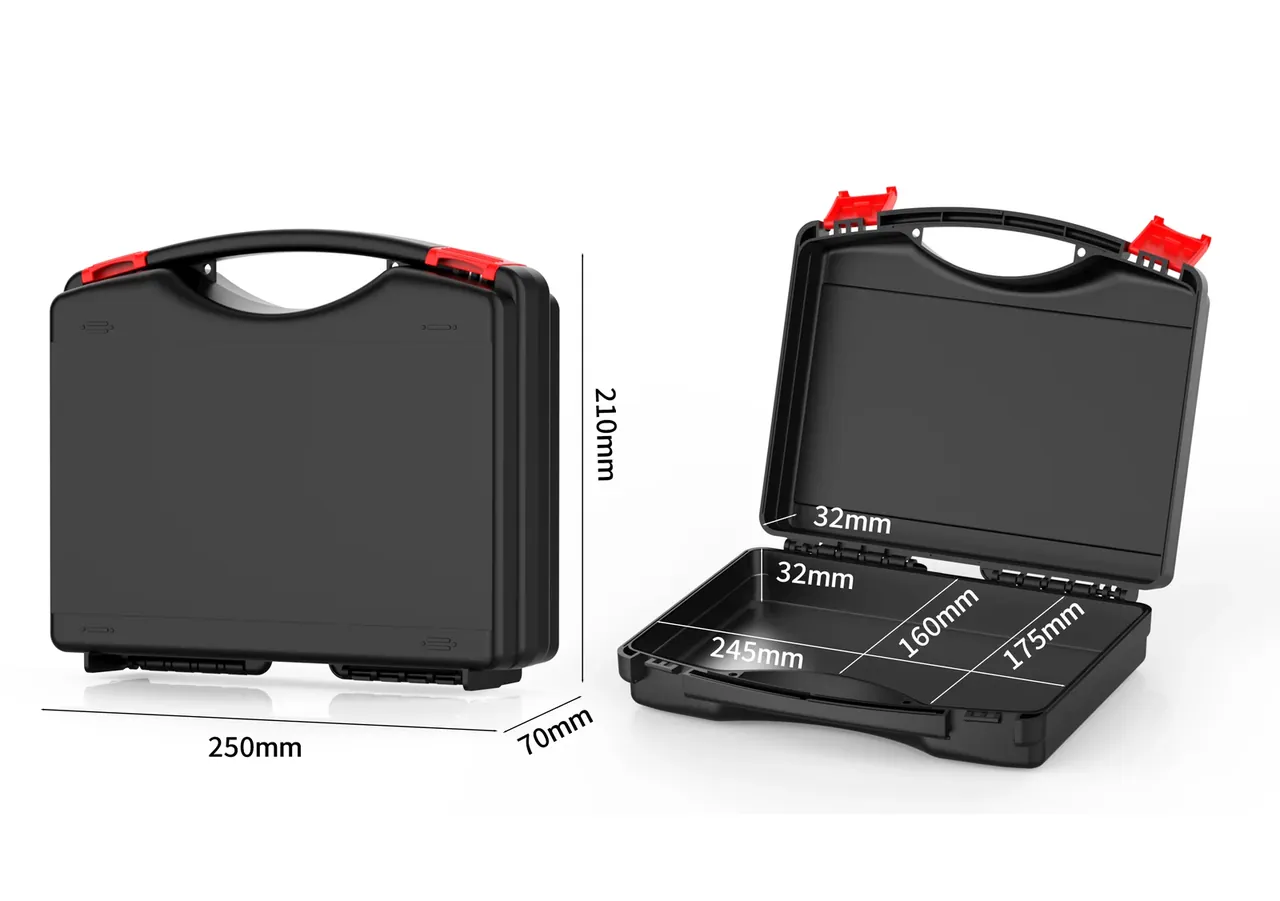
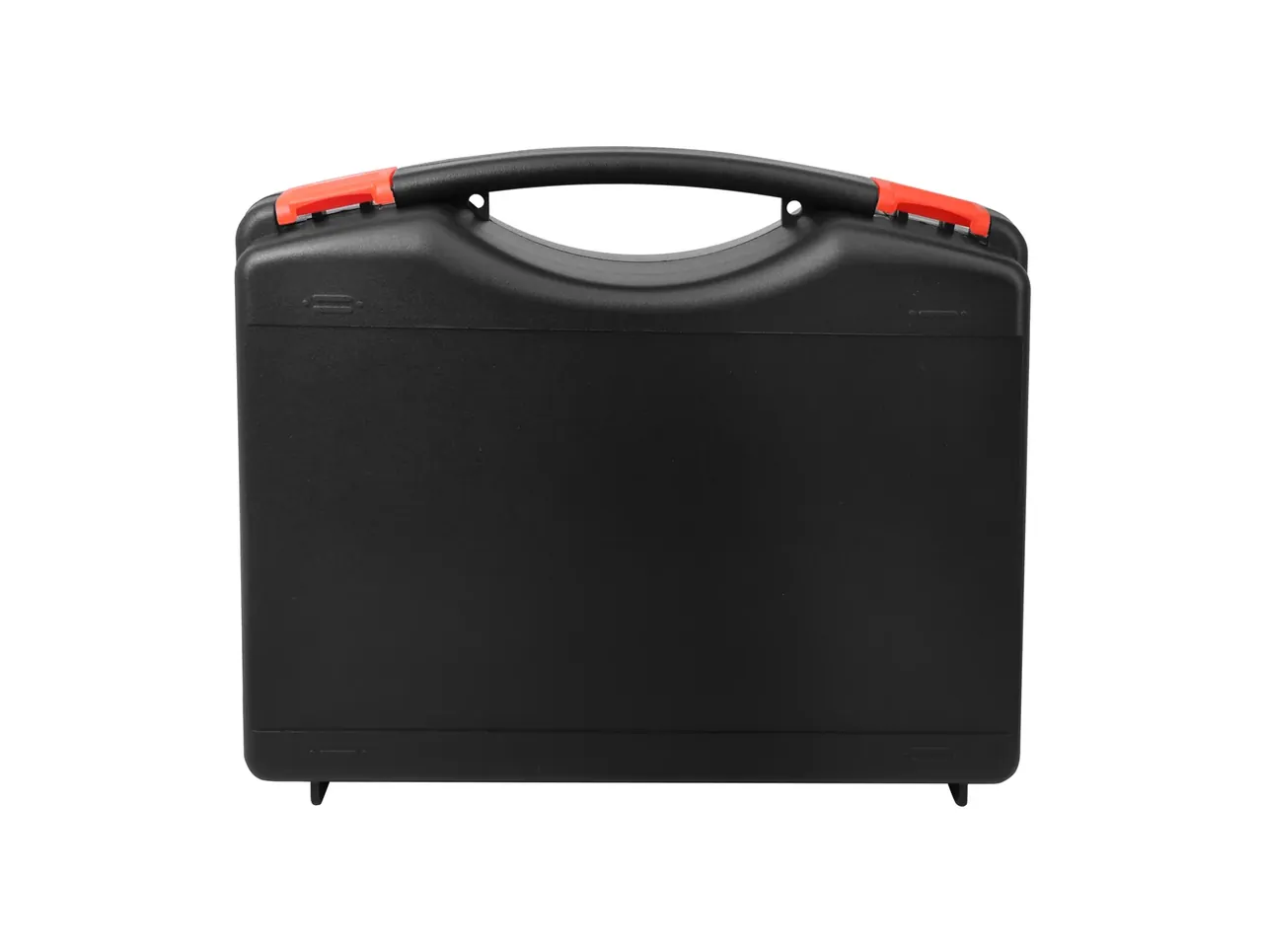
Hardware comes from outside. Latches, hinges, valves and feet take 12 days normally, 18 when a colour mismatch sends them back, so they must be ordered on T3; a day late and the T22 trial runs half fitted. A latch set quotes at 12 to 15 days on its own and a pressure valve at 10 to 12, so both leave with the tool order.
Four streams run in parallel: colour 5 days, carton printing 7, labels 4, gauges 6. None sits on the critical path, but one missed stalls T40.
On one axis the 18 day tool and 12 day hardware leave a four day gap at T18 to T22, where the second trial belongs.
3. Cutting to 32 days: three moves and their bills
Sample to Mass Production in 32 days saves 13 days through three moves, and each sends a bill.
An aluminium tool runs three parts before T18 to confirm assembly and latch feel, saving 5 days for 8000. A deposit reserves press time before T26, saving 4 days, but a sample change scraps the first 200 pieces. Air freight turns 12 days of hardware into 4, saving 4 days at 3.8 per set, or 7600 on 2000 units.
| Move | Days saved | Extra cost | Main risk |
|---|---|---|---|
| Parallel soft tool | 5 | 8000 | Dimensions need rechecking |
| Deposit holds the press | 4 | None | 200 pieces scrapped |
| Hardware by air | 4 | 3.8 per set | Colour mismatch |
Time compresses; inspection should not. Loosening sampling from AQL 1.5 to 2.5 lifts escapes from 1.2% to 2.4%.
4. What to check when a node stalls
Of the four gates in Sample to Mass Production, the sealed sample gets skipped most often. Sign two pieces, one for the plant and one travelling with the goods, and fix colour chip, unit weight and latch feel on the same sheet.
A trial is read on three things: flash, sink and dimension. Flash above 0.15 mm means low clamp force or a worn parting line; sink behind a rib means 2 seconds short on hold pressure; the first article is measured at 5 points within plus or minus 0.3 mm.
First article inspection closes within 24 hours of the T30 release on a 12 item report. Air tightness is the item most often dropped: a 30 second decay from 20 kPa to 18 kPa passes.
AQL 1.0 draws 125 pieces from a 2,000 piece lot and accepts 3 defects, against 80 pieces and 5 at AQL 2.5, so 2 hours of inspection replaces the argument at T45.
Put the criteria in the contract annex, not a chat history.
Conclusion
Split Sample to Mass Production into ten nodes with a deliverable and a test at each, and 45 days stops being a vague promise. Whether a supplier holds the date comes down to two facts: tool and hardware locked on T3, two sealed samples signed on T26. With both, 32 to 45 days is a forecast; without them, any date is a guess.
This article discusses only the container (case body) side of specifications and design intent, and does not cover any handling, loading or use of the contents.
Related Reading
- How trial moulding and first articles are judged
- What a sample display does during prototyping
- Reviewing showroom samples
- The full custom case process
Related Products
- 8 Series — Gun Cases; Military Equipment Cases; Camera Equipment Cases; Drone Cases; Watch Cases; Knife Cases; First Aid Cases; Electronics Equipment Cases
- WL8-2812 PP Gun Case — model WL8-2812
- All protective cases and toolboxes: 7 series, 158 models