


Quick answer: Clear vs Frosted vs Solid-Color PP splits on transmittance of 88 and 45 per cent, masterbatch at 2 and 4 per cent, and 0 per cent for solid colour.
Table of contents
- How the Three Finishes Split Sales
- Living with 88% and 45% Transmittance
- Masterbatch Ratio and Batch Colour Drift
- Scratch Visibility on Three Finishes
- Hero Images and Return Rate
- FAQ
1. How the Three Finishes Split Sales
Change the surface of one bin and sales move: the buyer first asks whether the inside is visible. Clear vs Frosted vs Solid-Color PP all run from one 50 L tool, a 560 × 400 × 320 mm envelope, and only the core polish and the masterbatch change.
The clear version puts the interior into the hero image, so no tap is needed to read depth. Frosted spreads an even haze and softens clutter into a colour mass. Solid colour sells as a family, cream or Morandi shades stacked together.
Structure is identical: a 2.7 mm wall, 5 high stacking, a 22 kg rating, −10 ℃ to +60 ℃. On Clear vs Frosted vs Solid-Color PP the difference lives in a fraction of a millimetre, and the sales split follows it.
2. Living with 88% and 45% Transmittance
On Clear vs Frosted vs Solid-Color PP transmittance comes first. At 88 per cent a label on the far side of the bin is readable through the wall. At 45 per cent only the outline of a colour block survives and lettering blurs. At 0 per cent nothing shows.
Haze is the other half. At 12 per cent the light still carries shape and a divider line reads; at 55 per cent it scatters into a milky sheet where outline remains and detail does not. Transmittance sets how much is seen, haze how sharply.
| Transmittance | Haze | What the inside looks like |
|---|---|---|
| 88% | 12% | Labels and small parts readable |
| 45% | 55% | Colour blocks only, clutter softened |
| 0% | Not applicable | Fully masked, colour carries the set |
Where the bin sits decides the grade. High shelving takes 88 per cent so a glance finds the part; open grids in a living room take 45 per cent; bedroom sets in Clear vs Frosted vs Solid-Color PP take 0 per cent so the colour family reads as one.
The ends of the range behave differently. At +60 ℃ haze on a clear part rises and the wall turns faintly milky; at −10 ℃ batch drift on solid parts grows enough to see between units.
3. Masterbatch Ratio and Batch Colour Drift
Two per cent and four per cent are the working lines for Clear vs Frosted vs Solid-Color PP. At 2 per cent the result is the greyed cream tone; at 4 per cent the deeper Morandi shades appear. Below 1 per cent pigment disperses unevenly and cavities of one mould drift apart.
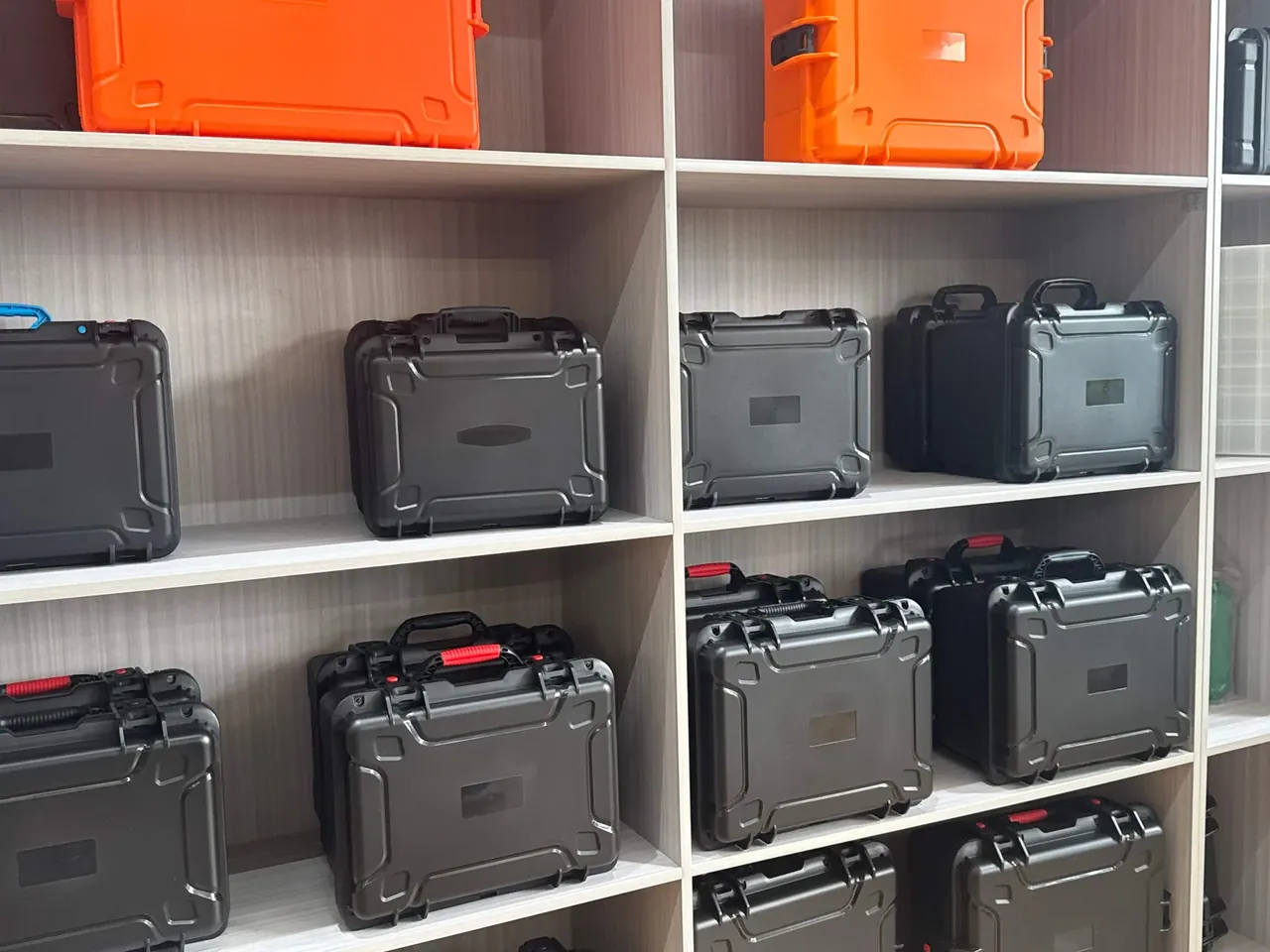
ΔE 1.2 is the acceptance line: five bins from a batch compared against the chip under standard light, and only a reading inside 1.2 counts as one batch.
| Masterbatch ratio | Typical shade | Batch ΔE held to |
|---|---|---|
| 1% | Very pale off-white | 2.0 and up, depth varies |
| 2% | Cream tone | Within 1.2 |
| 4% | Deep Morandi | Within 0.9 |
Half of the drift comes from the resin. Regrind drags the base toward grey and the same 2 per cent no longer holds; it takes 2.4 per cent to match. Pale parts in Clear vs Frosted vs Solid-Color PP show it first.
4. Scratch Visibility on Three Finishes
On Clear vs Frosted vs Solid-Color PP a scratch 0.1 mm deep meets three fates. On an 88 per cent clear wall the edge catches light and reads as a white line at an angle; on a 45 per cent frosted wall the haze drops it to a shadow; on a 0 per cent solid wall it whitens only under square light.
The scrap line is blunt: at 88 per cent transmittance one 0.1 mm scratch is visible, and the return rate runs 2.4 percentage points above the frosted version. That is return structure, not taste.
| Scratch visibility | Finish | A 0.1 mm scratch reads as |
|---|---|---|
| High | Mirror polish, 88% clear | White line, visible in a hero shot |
| Medium | Etched haze, 45% frosted | Soft shadow, needs direct light |
| Low | Fine texture, 0% solid | Whitening at one angle only |
Polish grade sets visibility. A mirror core reflects light as one bundle and magnifies any break; an etched core scatters it and a scratch only shifts local brightness. Swap the core on the same tool and visibility falls one grade.
Solid colour is not immune: a scratch whitens on a dark part and darkens on a pale one, so it shows later rather than never.
5. Hero Images and Return Rate
The hero image is the second divide. Clear needs backlight so the wall glows; frosted needs side light to give the haze depth; solid needs a set laid flat, since one unit cannot show a family. Get the light wrong and the click rate moves a bracket.
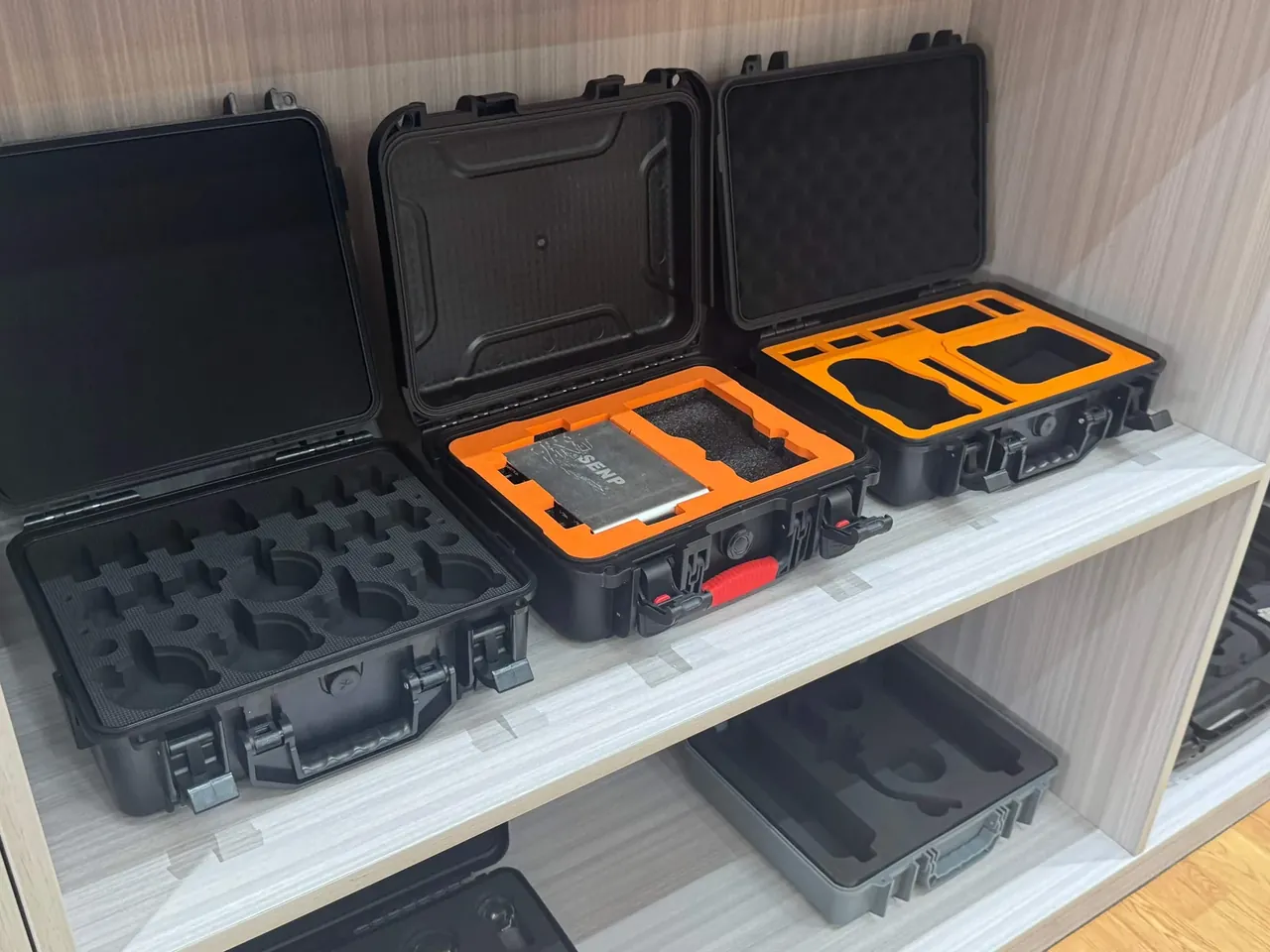
The return gap is about expectation, not structure. A buyer reads a clear hero shot as permanently bright, then meets scratches on arrival, and the gap becomes a return. The 2.4 percentage point figure describes that gap, not shell strength.
Colour drift is the second source. A batch inside ΔE 1.2 matches under standard light; on a warm display the cream reads yellower and Morandi greyer. On Clear vs Frosted vs Solid-Color PP, solid parts lose more returns to colour than to scratches.
Conclusion
The sales gap in Clear vs Frosted vs Solid-Color PP comes down to three measurable numbers: 88 and 45 per cent transmittance, 2 and 4 per cent masterbatch, and ΔE 1.2. The structure is shared, with a 2.7 mm wall, 5 high stacking and a 22 kg rating unchanged. Only core polish and colour move, and the hero shot and the return rate follow.
Related Reading
- Comparing Coloured Case Options
- Colour Standards for Coloured Cases
- Hard Case and Carton in Cross-Border Transit
Related Products
- 8 Series — Gun Cases; Military Equipment Cases; Camera Equipment Cases; Drone Cases; Watch Cases; Knife Cases; First Aid Cases; Electronics Equipment Cases
- WL8-2812 PP Gun Case — model WL8-2812
- All protective cases and toolboxes: 7 series, 158 models