

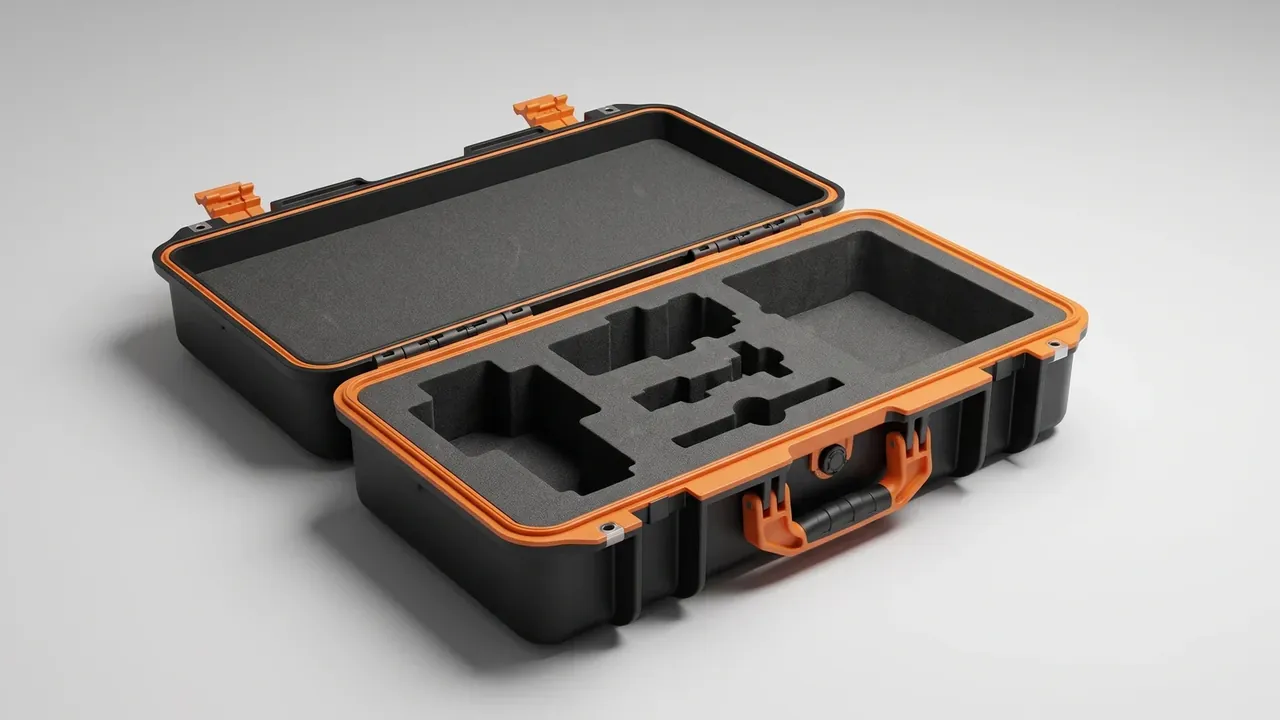
Quick answer: A communication equipment case is serviced by cycle count, not by calendar. Decisions sit on three measured lines: a 1.5 mm gasket cut, 0.5 mm of lip set, and 2.5 N·m of latch torque.
Table of contents
- Communication Equipment Case Interval
- Three Retirement Lines for the Gasket
- Latches and Hinges
- Repair Tiers and Spare Stock
- What the Log Should Record
- FAQ
1. Communication Equipment Case Interval
A communication equipment case in a fixed rack opens twice a day; on a mobile crew, twenty times. One calendar strips the rack unit for nothing while the mobile unit travels with a failing gasket.
Three inspection levels exist, each costing about three times the one before. Appearance checks shell, bumpers and hinge seats. Function works every latch by hand. Pressure runs only after a gasket change, at 8 kPa.
| Item | Interval | Tool | Limit |
|---|---|---|---|
| Shell and corners | 90 days | Torch at low angle | Cracks under 10 mm |
| Gasket lip | 90 days | Straightedge, durometer | Cuts under 1.5 mm |
| Latch torque | 180 days | Torque wrench | 2.5 N·m, plus or minus ten percent |
| Hinge play | 180 days | Feeler gauge | Under 0.2 mm |
| Pressure reseat | After a gasket change | Differential gauge | 8 kPa held 120 seconds |
Ninety days comes from a 5000-cycle design life over three years, near five openings a day. Shorter is not safer: each cycle wears the claw and pin, so over-inspection accelerates the wear it should catch.
2. Three Retirement Lines for the Gasket
The gasket ages first, and the call rests on three lines rather than age. First is cut depth: at 1.5 mm the part goes, because a twin lip needs an unbroken arc.
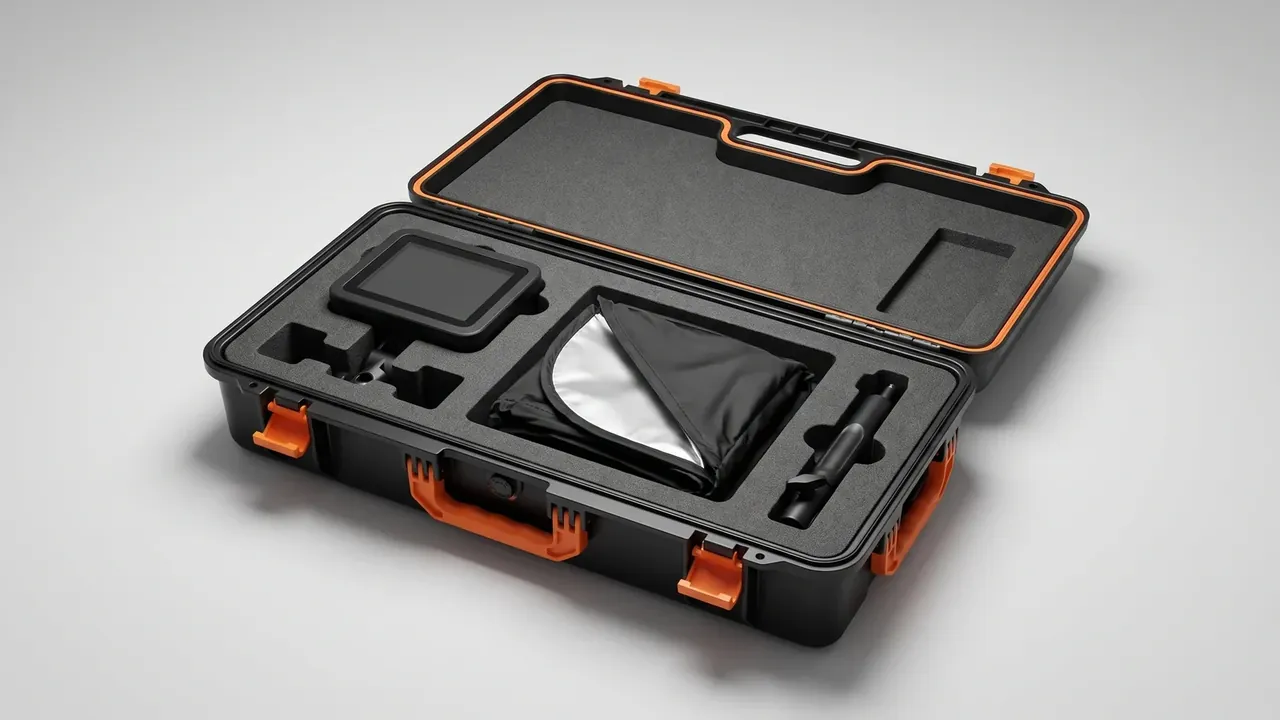
Second is permanent set: a lip still sitting 0.5 mm low after a day flat has lost its memory. Third is hardness, where a 15-point rise on the Shore A scale means compression never comes back.
Cuts are missed most often, showing only when a torch rakes light along the groove. Service takes two actions: a silicone wipe every six months, and a glance into the groove before each close.
3. Latches and Hinges
A slack latch does not leak at once. It shifts load onto the diagonal, over-compressing one lip and barely touching the other; the leak appears months later. Torque makes it visible: 2.5 N·m, checked when hand feel says the four disagree.
Hinges are quieter. Pin and bush should keep 0.2 mm of play; beyond it the lid lands on one corner first and the gasket is sheared, not compressed. A feeler gauge reads it only halfway through the stroke.
Grease goes on the pin alone, one thin film of lithium base; excess collects dust, and dust grinds faster than metal. Lubrication shares the 180-day interval with torque.
4. Repair Tiers and Spare Stock
Repair splits by what the site can do. Field parts are latches, handles, gaskets and vent valves, all held by screws: one screwdriver, five minutes. Shop parts need the case opened.
Spares run at five percent of the fleet, half of it latches. Latches and gaskets make up over eighty percent of replacements, hinge seats under ten.
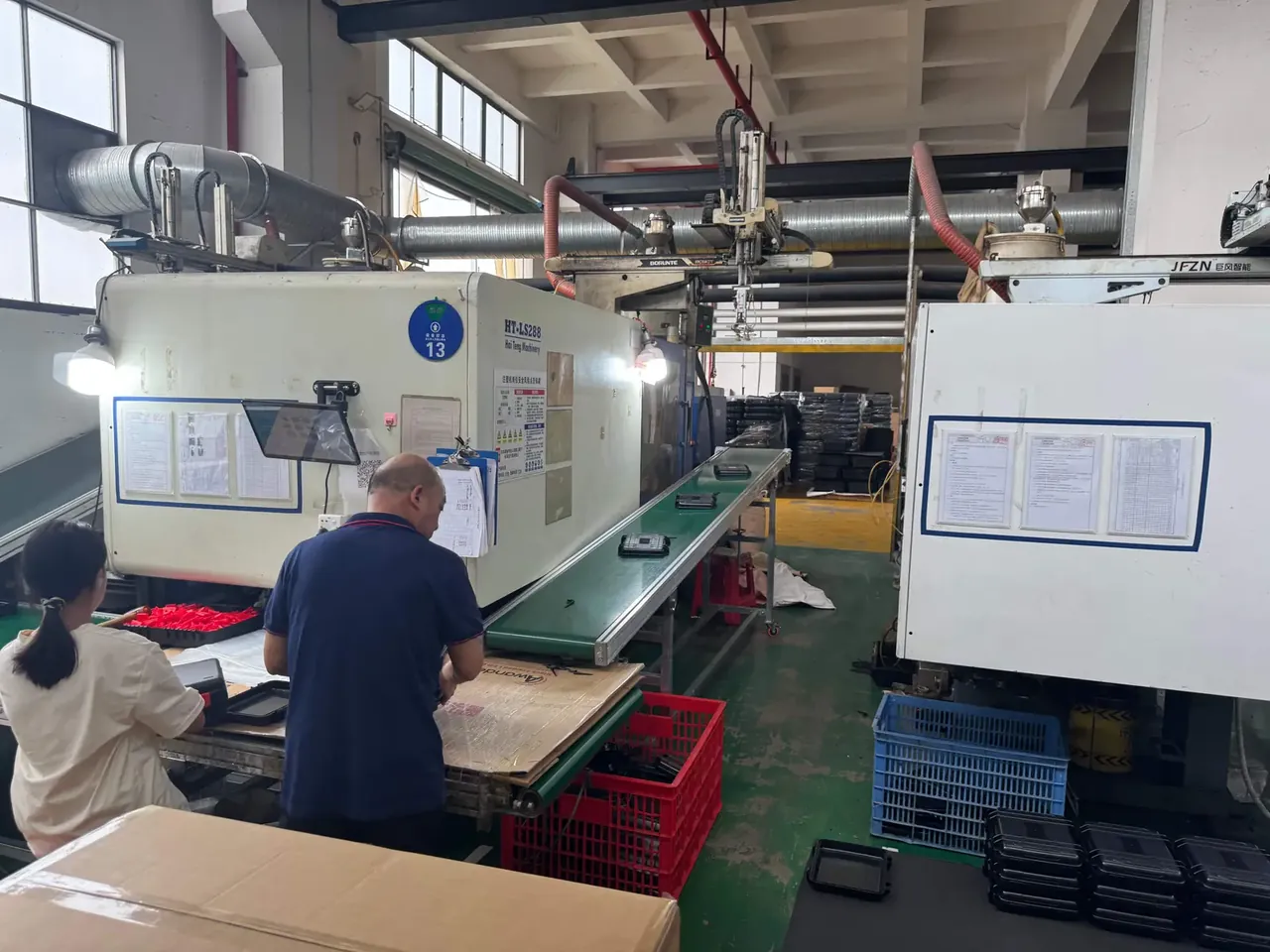
Whole-case replacement is last because it means new tooling: shells are molded on four-figure tonnage presses, and a cavity change stops the machine for two days. Check whether the shell failed or the sealing face merely took a ding.
| Tier | Parts | Tooling | Downtime |
|---|---|---|---|
| Field | Latch, handle, gasket, valve | Screwdriver | 5 minutes |
| Shop | Hinge seat, bumper, liner | Strip-down jig | 3 days |
| Whole case | Shell, sealing face | New cavity | 15 days |
5. What the Log Should Record
A communication equipment case log needs four fields: date, cycle count, gasket condition, latch torque. More go unfilled; fewer show no trend.
Trend beats any single reading. A gasket gaining 5 Shore A points a year is normal; 15 points in two years says the rubber batch was wrong. Falling torque means threads backing out; climbing torque means a deforming claw.
The scrap rule belongs in the procedure: when one repair costs more than forty percent of a new case, stop repairing. That line blocks the case patched three times, whose sealing face is no longer flat.
Conclusion
Maintenance of a communication equipment case compresses into three habits: interval by cycle count, retirement by measured lines, repair by tier. Get the interval wrong and inspection becomes theatre; blur the lines and the gasket runs until it leaks. Written into procedure, those three keep a communication equipment case inside a cost range you can budget for.
This article discusses only the container (case body) side of specifications and design intent, and does not cover any handling, loading or use of the contents.
Related Reading
- Choosing a communication equipment case
- Common faults and field fixes
- Looking after rotomolded cases
- Preventing damage in storage
Related Products
- 8 Series — Gun Cases; Military Equipment Cases; Camera Equipment Cases; Drone Cases; Watch Cases; Knife Cases; First Aid Cases; Electronics Equipment Cases
- WL8-2812 PP Gun Case — model WL8-2812
- All protective cases and toolboxes: 7 series, 158 models