

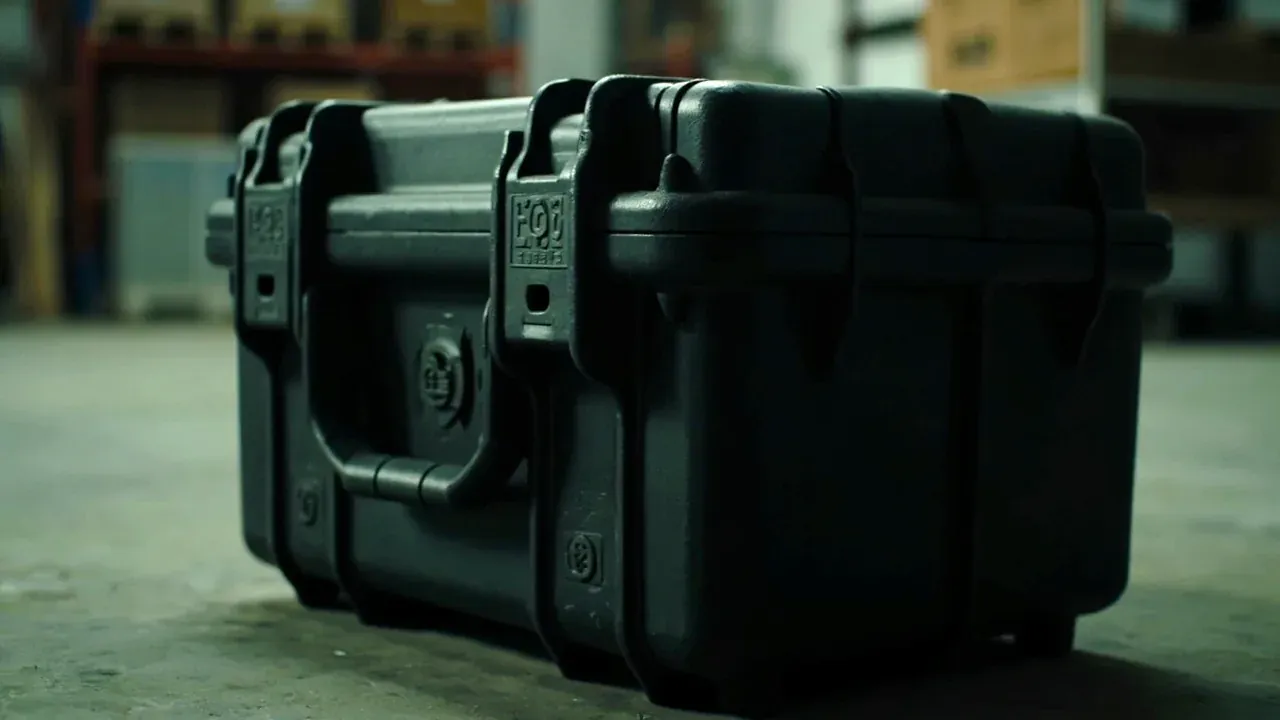
Quick answer: Configure from the machine down: the machine sets the tool group, the group sets the trays, the trays set layer count and cell depth. Machine tools are many and light, so shallow layers work; generator sets are few and heavy, so deep cells do. A consolidated tool kit can share a shell across machines, never an interior.
Table of contents
- Why shipped tools deserve their own case
- Machine tools, generator sets, construction equipment
- Trays, layers and where the weight sits
- Checking and handing over before dispatch
- Splitting shipped, spare and service cases
- FAQ
1. Why shipped tools deserve their own case
The user of shipped tools is not the buyer but whoever runs the machine years later. Once separated from the machine, tools are missed at the next service, and missing items are rarely replaced. A consolidated tool kit fixes that pairing to the case: serial on the label seat, cells grouped by service task, list travelling with it.
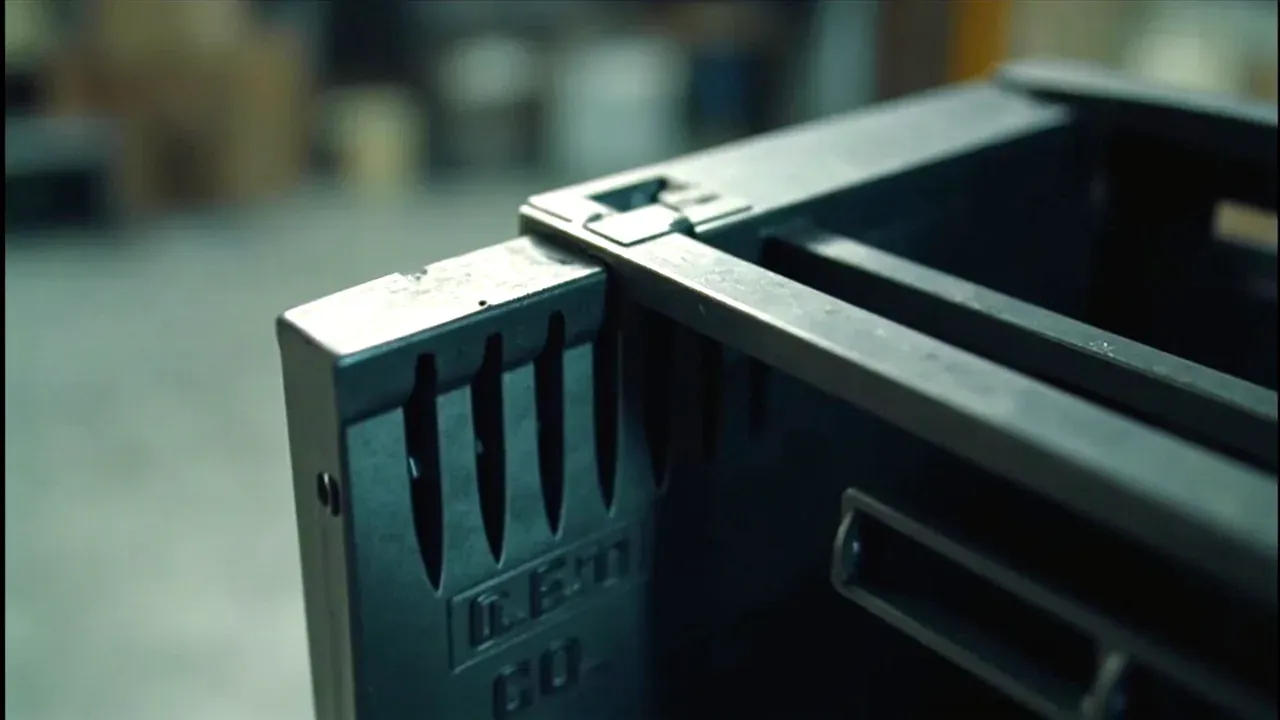
A consolidated tool kit faces three demands. The case must travel with the machine and stack two high without sagging. It must sit beside the machine and keep dust out once latched. And it must tolerate oil and coolant, which rotomoulded polyethylene shrugs off with a wipe. Dust is the demand people underestimate, and latch pressure falls as the seal takes a permanent set.
2. Machine tools, generator sets, construction equipment
Machine tools ship with adjusters, hex keys and tooling: thirty to sixty light items, so a consolidated tool kit uses shallow layers three or four deep, with the top layer reachable below one metre. Generator sets invert this — a dozen items, some over three kilograms — so deep cells, few layers, a thickened floor and heavy items nearest the handle.
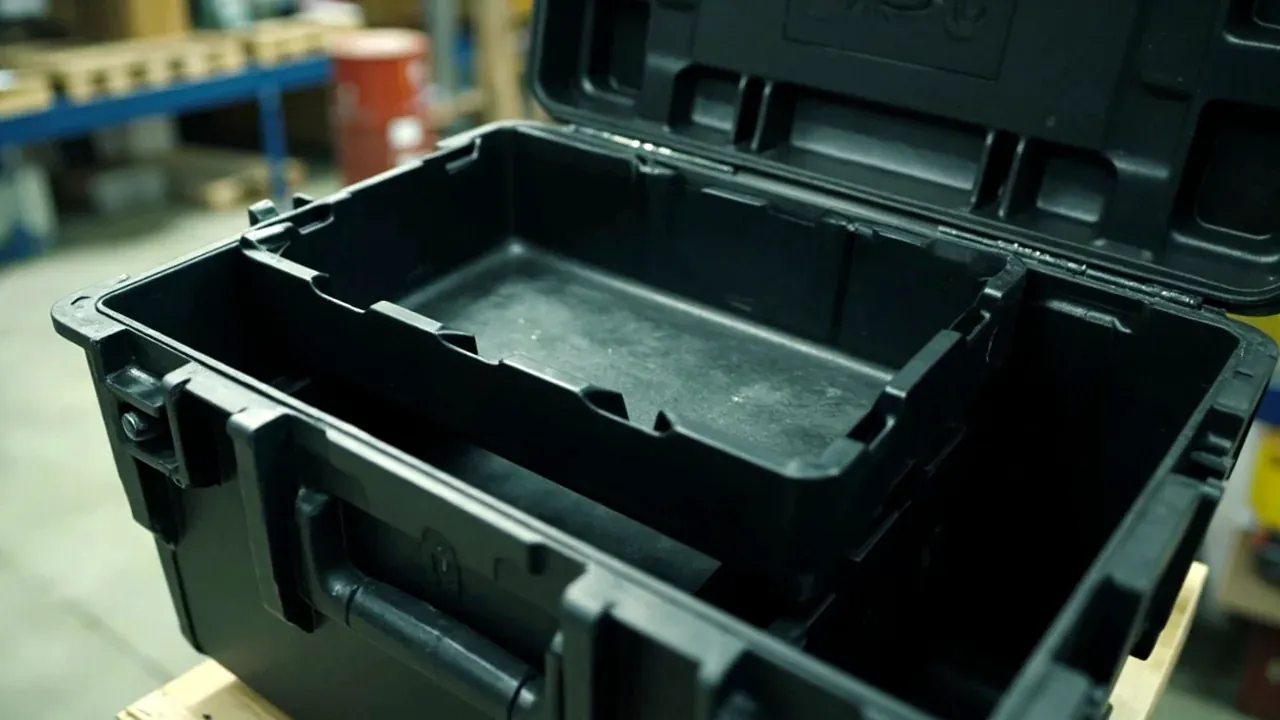
Construction equipment sits between the two but adds a dimension: tools split into field-repairable and workshop-repairable groups. Two trays share one case, each with its own handle, and only the first leaves the machine. Here a consolidated tool kit is a shell for trays, so tray count outranks layer count and height follows the tallest tray.
| Machine | Tool profile | Case layout | Handover point |
|---|---|---|---|
| Machine tool | 30 to 60 light items | four shallow layers, reach under 1 m | tooling split from adjusters |
| Generator set | about 12 items, 3 kg and up | two deep layers, thick floor | heavy near handle, serial matched |
| Construction | field and workshop groups | two trays, height by tallest | tray numbers map to service level |
3. Trays, layers and where the weight sits
Tray weight is the test. Above fifteen kilograms a tray becomes a two-person lift and loses its point; below five, there are too many trays to hunt through. A consolidated tool kit keeps each tray between eight and fifteen kilograms, heavy items on the handle side, light ones toward the hinge.
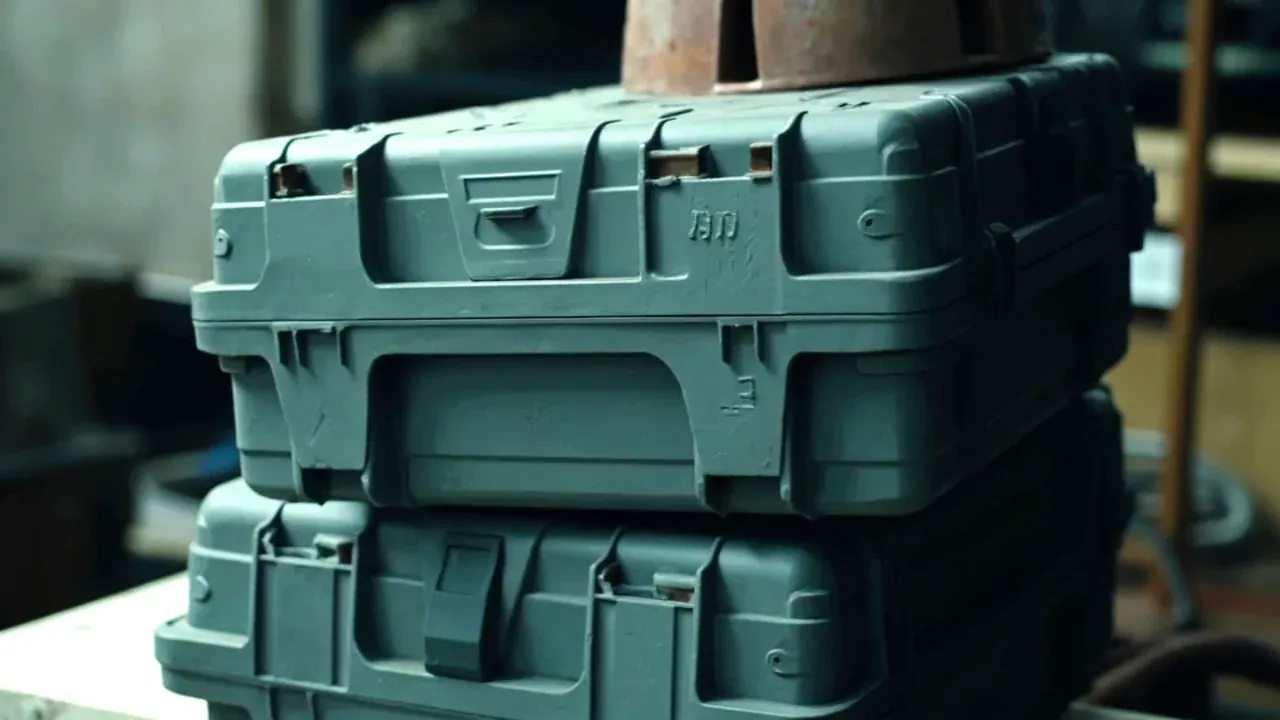
In a consolidated tool kit, layers set what the open lid reveals. Past three layers the bottom one hides, forcing a bend or a tray lift. Case height is therefore constrained backwards: fix the height limit first, then derive layers and cell depth. Keep the left-right weight difference under three kilograms, or the handle root, the thinnest wall in a rotomoulded part, shows a pale stress mark.
4. Checking and handing over before dispatch
A consolidated tool kit handover checks three things: list lines against cell count, a matching tool in every cell, and internal numbers tied to the machine serial. Ten minutes at the packing bench, but done by someone outside assembly, or the packer repeats what he remembers instead of what is there.
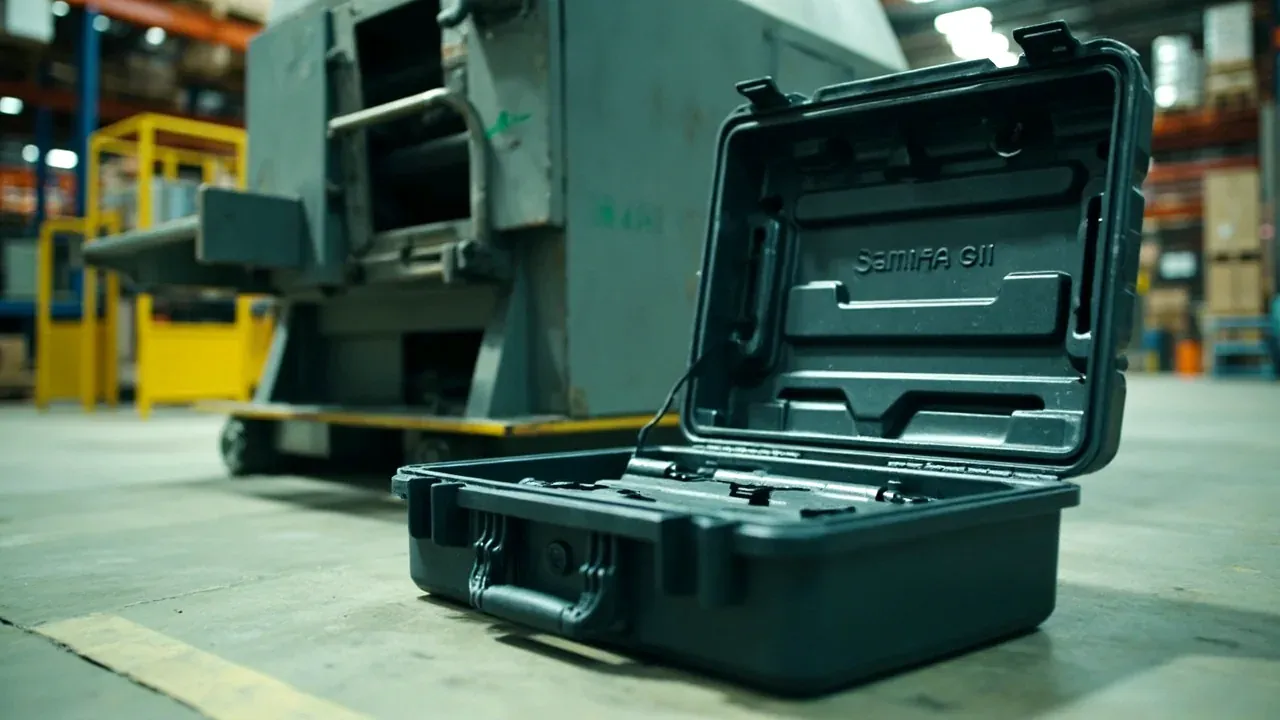
The consolidated tool kit can supply four pieces of evidence: the serial on the label seat, intact seal holes, tray numbers, and the line count on the lid plate. All four photograph well and can be rechecked years later. Without them a dispute rests on memory, which fails once the machine changes hands twice.
5. Splitting shipped, spare and service cases
The three differ in who owns the list, not in the consolidated tool kit body. A shipped case follows the machine, one case per machine. A spare case follows the store and is shared across a model. A service case follows the technician and travels between machines. One shell, three lists, never mixed.
Decide a consolidated tool kit in order: who carries the case, who maintains the list, and whether the case should last as long as the machine. Machine-life cases get walls and latches designed for ten years; person-bound cases trade a wall grade for weight. Mix them and the shipped case becomes a spare bin, delivered short.
Conclusion
In machine tool configuration a consolidated tool kit turns a pairing into a handover object. Work from machine to list to trays to body: the machine sets the group, the group sets tray count, trays set layers and depth, and the body is fixed last. Choose the body first and half the cells sit empty while heavy items crowd one layer.
This article covers container-side specifications and design implications only, not the handling, loading or use of the contents.
Related Reading
- List management and loss prevention
- Socket wrench sets in professional repair
- Tool Kit Chest: Set-Based Organization Logic
- Rotomolded Cases: Rotational-Moulded Shell Structure & Pro…
Related Products
- 8 Series — Gun Cases; Military Equipment Cases; Camera Equipment Cases; Drone Cases; Watch Cases; Knife Cases; First Aid Cases; Electronics Equipment Cases
- WL8-2812 PP Gun Case — model WL8-2812
- All protective cases and toolboxes: 7 series, 158 models