

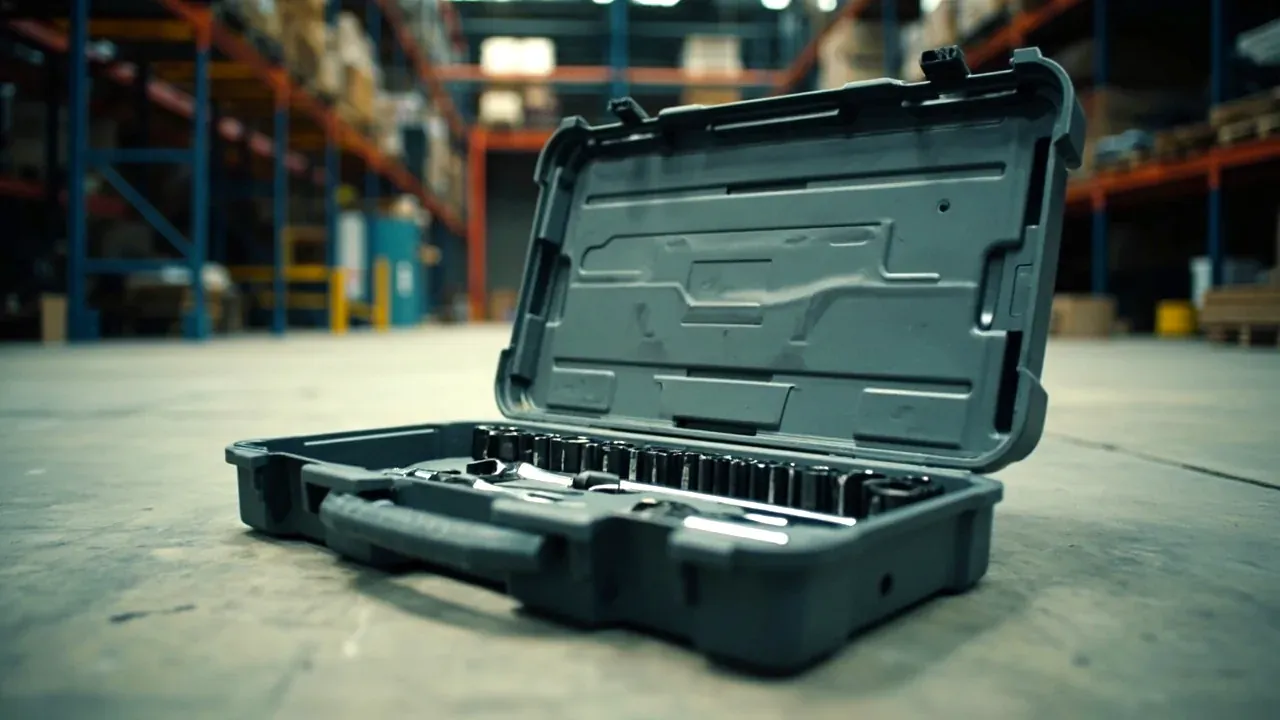
Quick answer: The same socket wrench set case behaves differently at a service bay, on a plant floor and in a vehicle. Three things change: pocket count, where the extensions live, and how the case is held down. A bay wants density, maintenance wants a long lid channel, a vehicle wants lashing points. Settle the setting before the liner, and the model last; reverse those two steps and the liner comes back for a second cut.
Table of contents
- Three working settings, three configurations
- Service bay: density and the near column
- Plant maintenance: extensions and deep pockets
- Vehicle: holding down and staying shut
- What can still change later
- FAQ
1. Three working settings, three configurations
Configuration differences for a socket wrench set case sit in three places: pocket count, the home given to extension bars, and the way the case attaches to the workplace. All three follow the setting rather than the size of the set. One shell, a second liner, a different fixing kit.
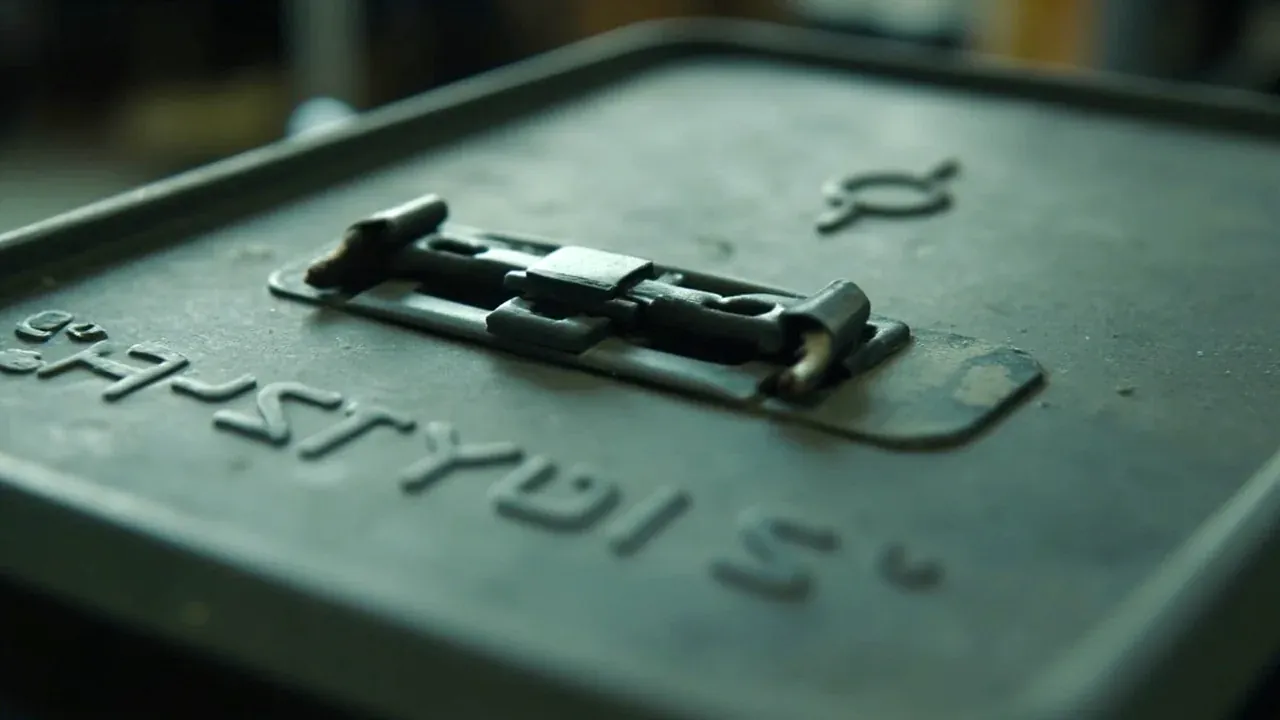
Read the work surface first, then the way the case travels. A bench, a plant floor or a vehicle bed decides whether the lid lies flat; one hand, two hands or a truck decides where the handle and the lashing points take load.
| Setting | Total pockets | Extension storage | Case fixing |
|---|---|---|---|
| Service bay | 40 to 46 | shallow lid channel, same axis as cavity | flat on bench, against a wall, no straps |
| Plant maintenance | 30 to 36 | full-length lid channel, 260 mm or more | flat on floor, anti-slip pads at corners |
| Vehicle | 26 to 30 | upright channel at cavity end, blocked both ways | straps through corner holes, pad beneath |
2. Service bay: density and the near column
A bay offers a fixed bench, repeated movement and hands that are seldom clean. A socket wrench set case can lie flat there, the liner opens in one gesture, and pocket count goes to the top of its range at eight millimetres between pockets.
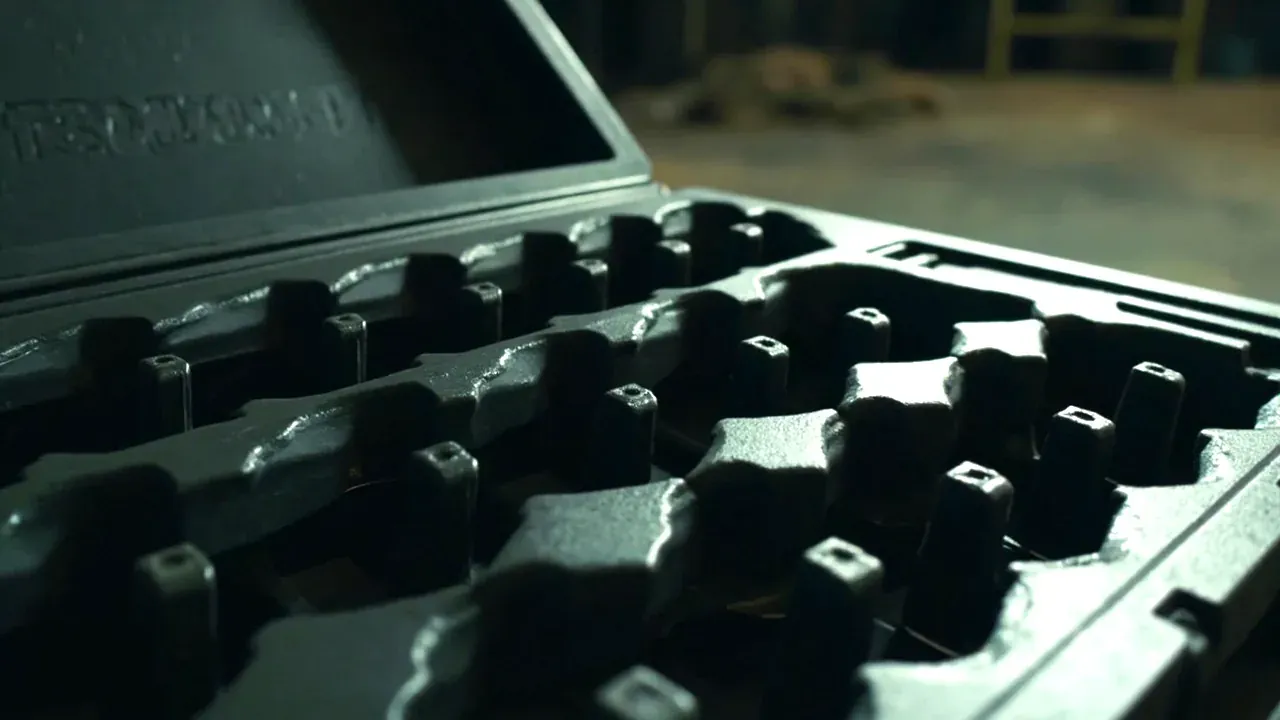
Put the five sizes that carry most of the work in the column nearest the handle and let the rest ascend behind them. The cost is glove clearance, so write the glove assumption into the specification instead of leaving it to the bench.
3. Plant maintenance: extensions and deep pockets
Bolts on plant sit down in recesses, so extensions take more length than the sockets themselves. A socket wrench set case for this work should use the inside of the lid: a channel running the full length, 260 mm or more, depth at bar diameter plus four millimetres.
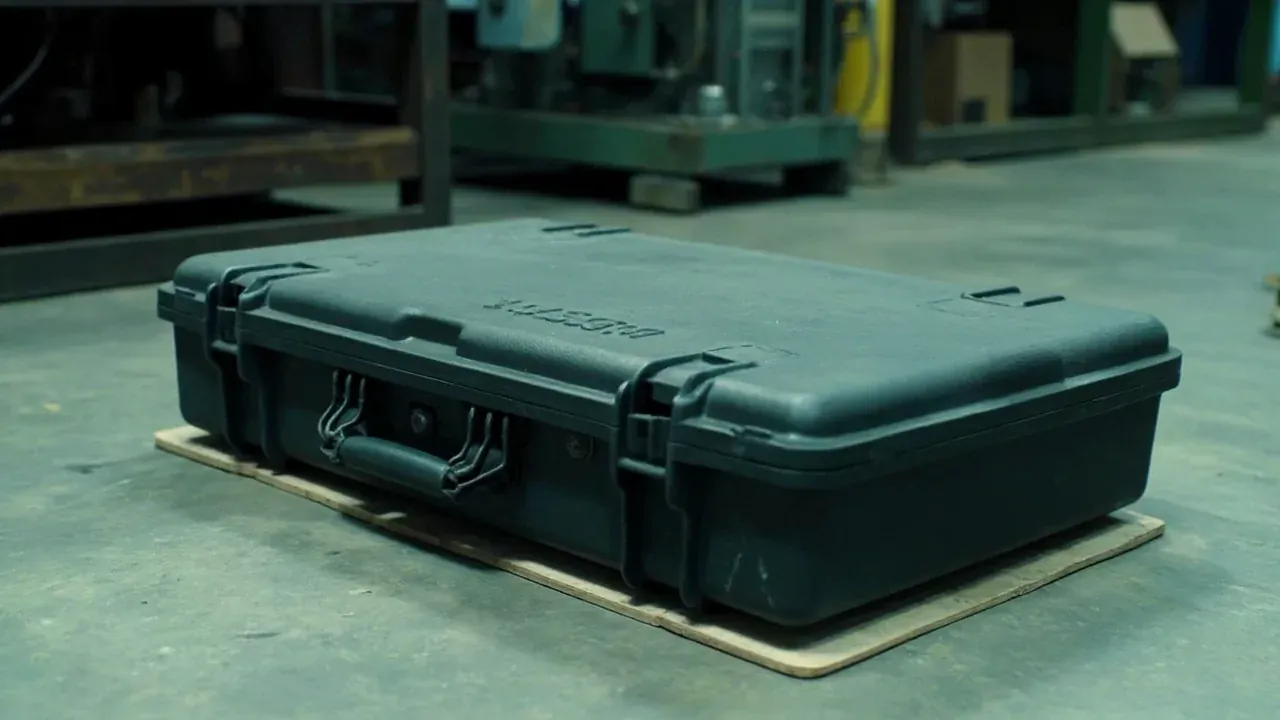
Deep sockets need a row at 60 to 70 mm. Raise the shell by twenty millimetres or mould a local dome into the lid. Plant floors are plinths or grating, so add anti-slip pads at the corners or the case walks as the lid comes up.
4. Vehicle: holding down and staying shut
In a vehicle a socket wrench set case has two failures to prevent: the lid opening by itself and the shell sliding on the bed. Draw latches creep open under sustained vibration, so specify a secondary catch or a pin beside each latch.
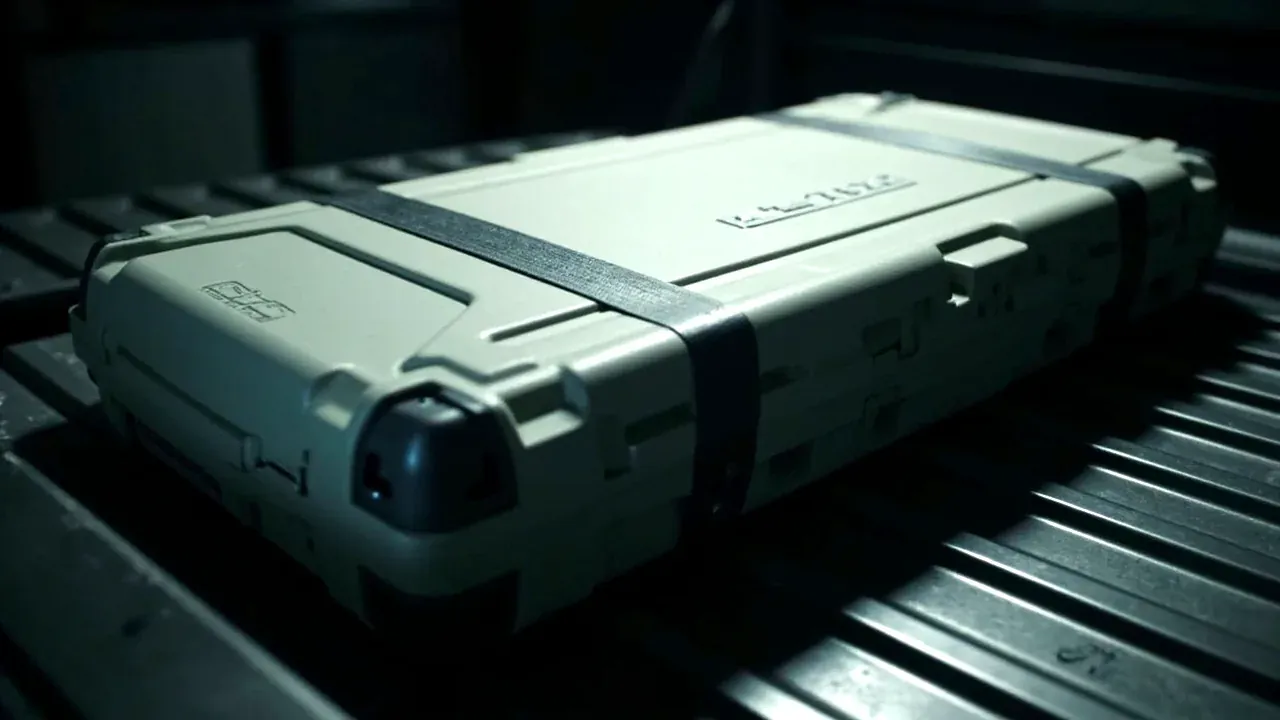
Carrying follows loaded weight. Under eighteen kilograms one hand is fine if the handle is moulded in and thickened at the root. Past twenty, plan for two people or a strap anchored on the ribs rather than on thin wall.
5. What can still change later
Less can change than buyers expect. The liner is the only part that swaps as a unit, and only where the pockets stop short of the walls and leave twenty millimetres of margin. Latch positions and rib layout settle at moulding.
Reverse the usual order. If the setting may shift within two or three years, buy a socket wrench set case with a removable liner, corner holes and a full-length lid channel, then fill the pockets for today rather than for a decade.
Conclusion
Three sentences settle a socket wrench set case: a bay buys density, maintenance buys a long lid channel, a vehicle buys fixing first. Behind them sits an order of judgement: check whether the liner swaps as a unit, whether the shell has corner holes and a full-length channel, and only then compare pocket counts. Get the order right and a change of setting costs a liner; get it wrong and it costs a case.
This article covers container-side specifications and design implications only, not the handling, loading or use of the contents.
Related Reading
- Pocket layout and specification sequence
- Consolidated tool kits for machine tooling
- Why tool box lids warp and latches fail
- Plastic tool boxes against alternatives
Related Products
- 8 Series — Gun Cases; Military Equipment Cases; Camera Equipment Cases; Drone Cases; Watch Cases; Knife Cases; First Aid Cases; Electronics Equipment Cases
- WL8-2812 PP Gun Case — model WL8-2812
- All protective cases and toolboxes: 7 series, 158 models