

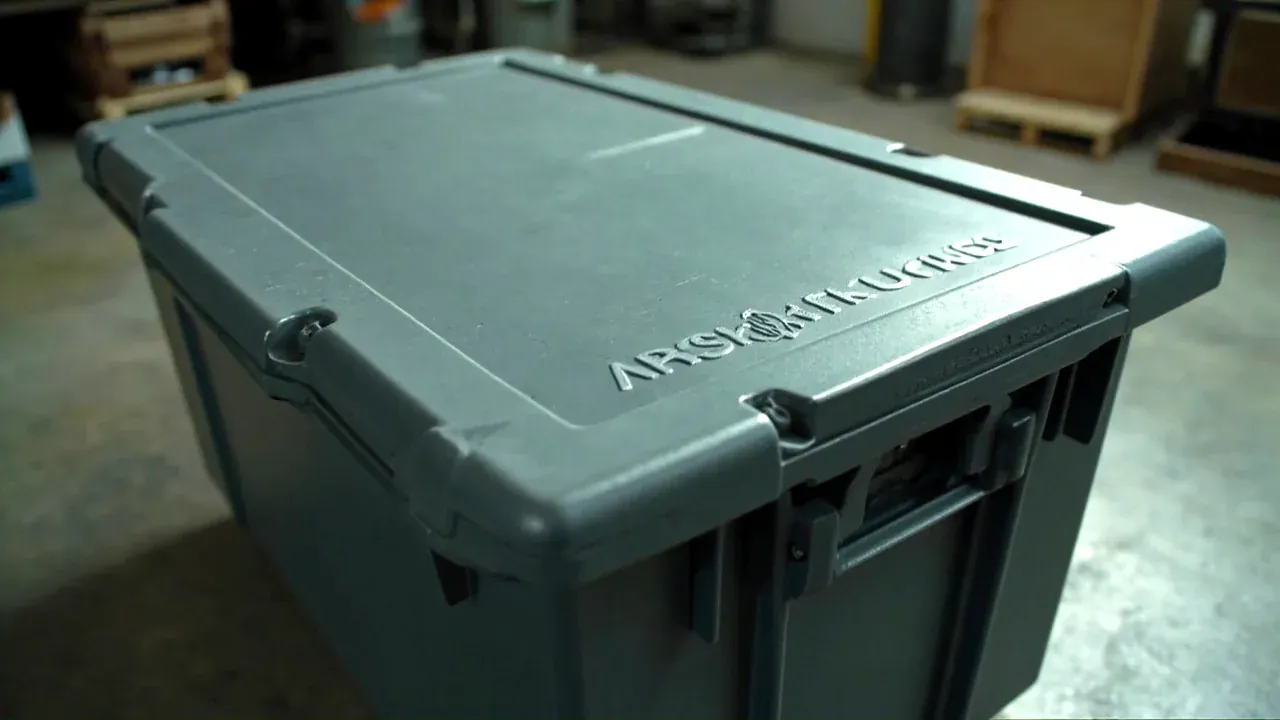
Quick answer: Separate distortion from latch failure before touching anything. Check panel flatness with a straight edge, look at rim offset when closed, then read latch force on a spring scale. A tool box lid distorts from residual stress, sun-driven swing, overloaded stacking or hinge load. Latches fail from wear, misalignment or debris, and each cause has a threshold you can measure instead of argue about. One spring scale reading settles most of these cases on the spot.
Table of contents
- Telling distortion apart from latch failure
- Four sources of lid distortion
- Three sources of latch failure
- Corrective actions and threshold values
- Where repair, replacement and retooling divide
- FAQ
1. Telling distortion apart from latch failure
Distortion and latch failure look alike and are fixed in opposite directions. A warped tool box lid dips at mid-panel, lifts at one rim corner and creaks under a stacked case. A failing latch leaves a tongue that will not seat.
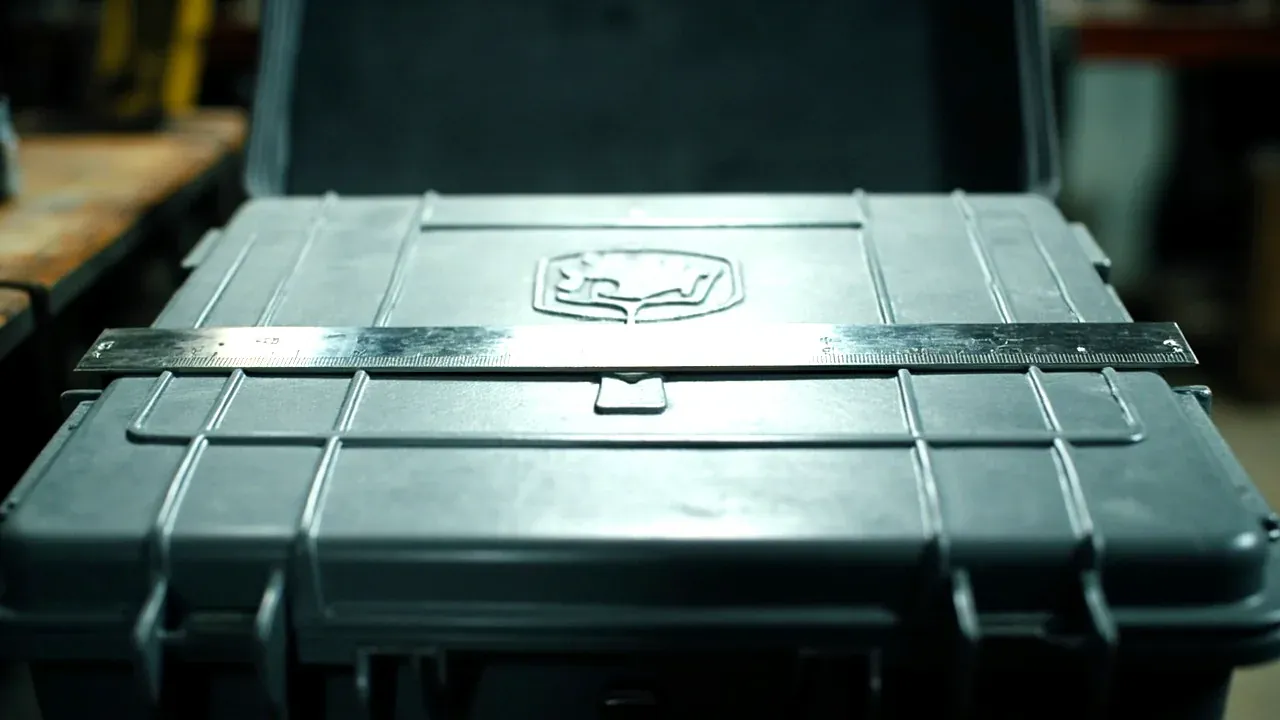
Three tools settle it: a straight edge with feelers, a depth gauge reading to 0.01 mm, and a spring scale. The edge gives peak gap on the tool box lid, the gauge compares groove floor to rim, and the scale reads latch force.
2. Four sources of lid distortion
Residual stress ranks first. A rotomoulded tool box lid cools outside-in, and where wall thickness varies by more than 1.5 mm the shrinkage difference is largest. A panel out of flat by two millimetres per metre is releasing stress.
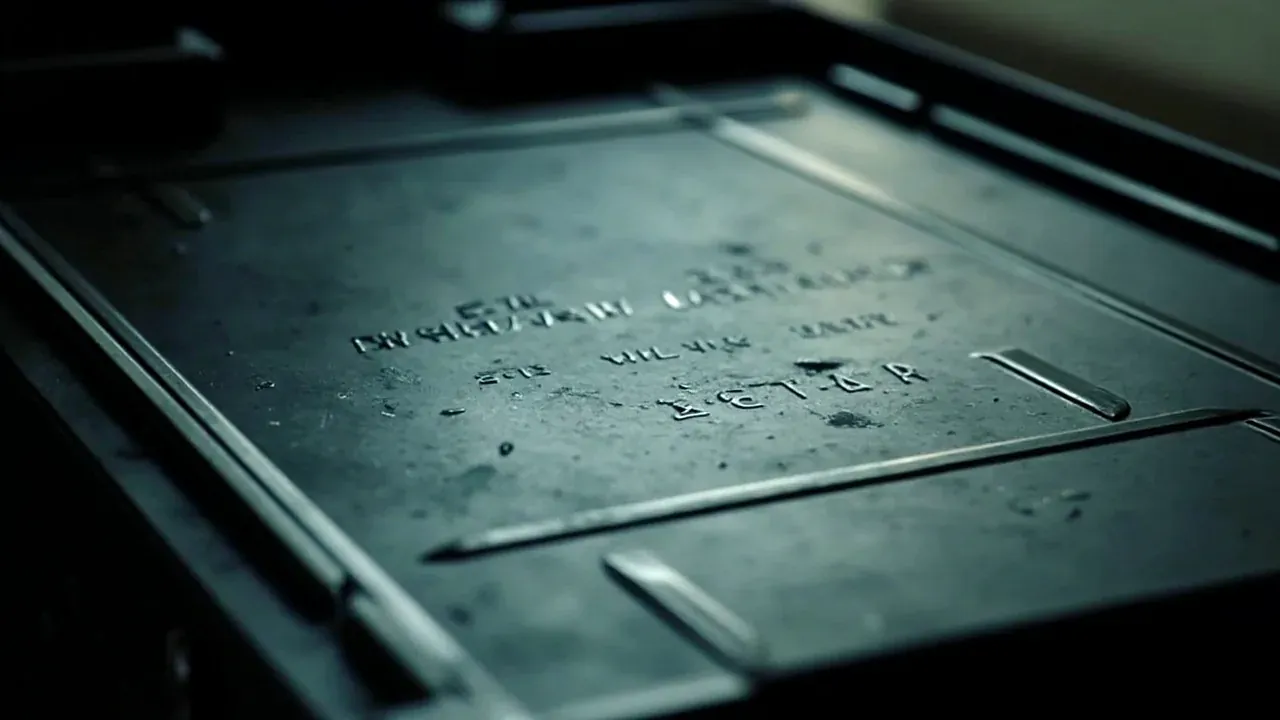
Sun comes second: a dark tool box lid passes seventy degrees at midday, trapped air pushes the panel up, night cooling pulls it back, and creep sets in. Overloaded stacking is third, where one case corner on mid-panel is a point load. Hinge load is fourth.
3. Three sources of latch failure
Wear is misread most often. On a tool box lid latch, tongue and keeper are acetal or nylon, and after five thousand closures holding force falls from eighty newtons to forty. It merely feels easier to close while the gasket has lost preload.
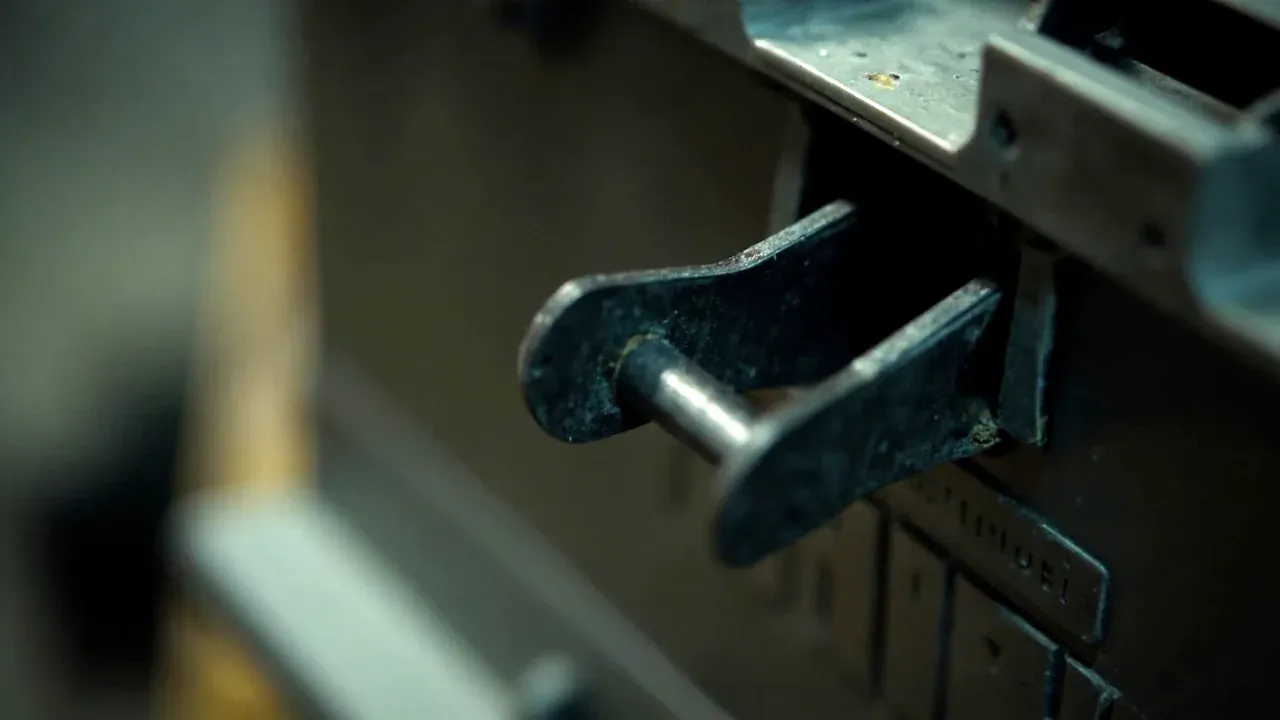
Misalignment in a tool box lid starts at the hinge pin or at a batch shrinkage difference. Past 1.5 mm of rim offset the tongue misses the keeper mouth, and forcing it cuts a chamfer that repeats the fault. Grit on the keeper floor eats travel too.
4. Corrective actions and threshold values
Treat distortion in a tool box lid in three bands. Within four millimetres per metre, change the stacking pattern and add bumpers. Between four and eight, bond a rib to the inner face. Past eight, replace the lid, because creep no longer reverses.
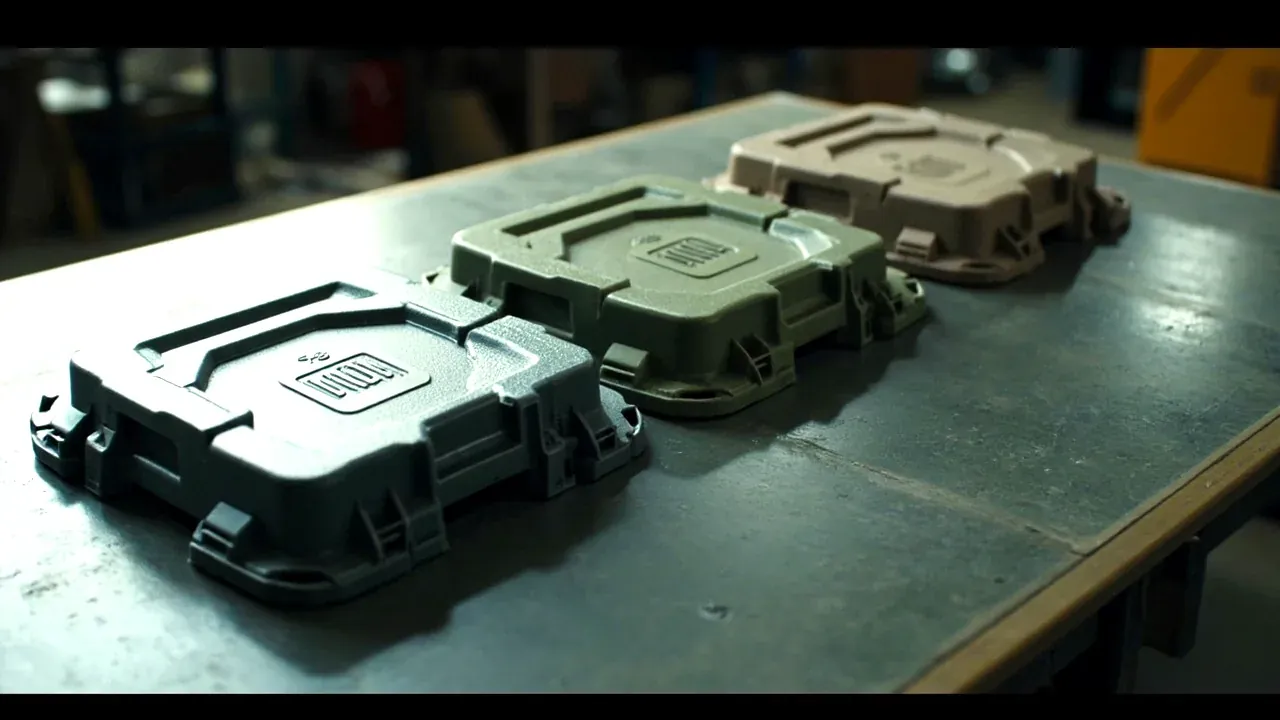
Six structural fixes for a tool box lid rank by cost against benefit: a three millimetre rib grid, a thicker hinge boss with a gusset, a twin-lip groove, a keeper one millimetre deeper, a paler colour, and a vent in the air layer. The first four need tooling.
5. Where repair, replacement and retooling divide
Decide repair or replacement on three points: does the distortion reverse, does the latch still adjust, and have the mating faces worn round? Reversible with spare adjustment means repair, and an aged body means a new case instead of a new tool box lid.
Retooling pays only when one fault repeats across a batch and the root cause sits in the structure. A single repair never justifies a mould change, since most faults surface first at the groove corners.
| Symptom | Threshold | Action | Recheck |
|---|---|---|---|
| Panel dips | over 2 mm per metre | change stacking | monthly |
| Panel domes | mid bow over 3 mm | add vent, paler colour | after a summer |
| Weak latch | under 35 N | replace tongue | quarterly |
| Rim offset | over 1.5 mm | new pin, re-measure | each service |
| Keeper jam | 0.3 mm feeler enters | clean, deepen keeper | weekly |
Conclusion
Handle a tool box lid fault in a fixed order: flatness, rim offset, latch force, then decide repair or replacement on those numbers. Distortion is judged by reversibility, latches by remaining adjustment, and a case goes when both reach their limit. Structural fixes belong before tooling is cut; in service, ribs and keeper depth are the only two worth doing, and both show on the next inspection.
This article covers container-side specifications and design implications only, not the handling, loading or use of the contents.
Related Reading
- Lid structure and the three lid types
- Rotomolded Cases: Rotational-Moulded Shell Structure & Pro…
- Plastic tool boxes against alternatives
- Covers for dust and sun protection
Related Products
- 8 Series — Gun Cases; Military Equipment Cases; Camera Equipment Cases; Drone Cases; Watch Cases; Knife Cases; First Aid Cases; Electronics Equipment Cases
- WL8-2812 PP Gun Case — model WL8-2812
- All protective cases and toolboxes: 7 series, 158 models