

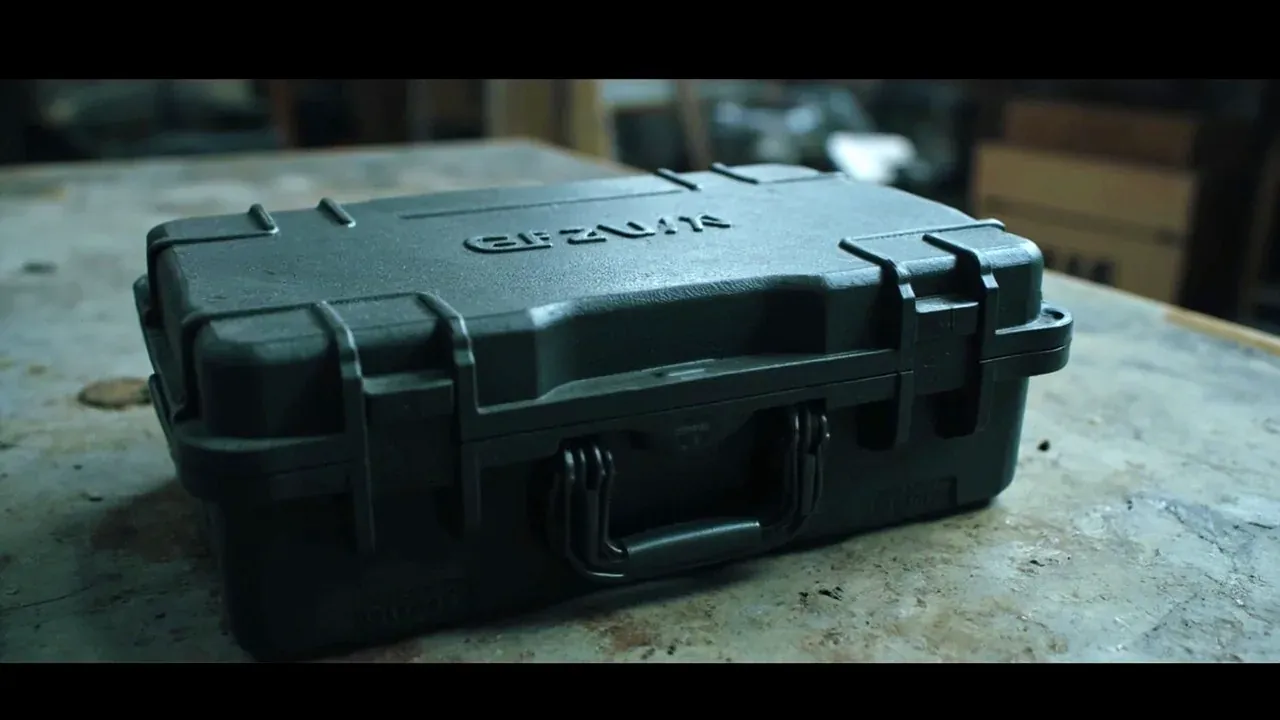
Quick answer: A socket wrench set case is specified by four numbers: how many drive sections it carries, the centre pitch inside each section, pocket depth, and empty weight against loaded weight. Sections set the search order, pitch and depth decide whether the hand meets the pocket cleanly, and weight governs how the handle and the stack behave. Put all four on paper and two quotations become comparable. None of them appears on a typical data sheet.
Table of contents
- Which figures start the sequence
- Centre pitch and pocket depth
- Ordering pockets by drive square
- Seeing a gap and estimating weight
- Trading pocket count against case size
- FAQ
1. Which figures start the sequence
A socket wrench set case is not an outline drawing with pockets added later. It is an ordered sequence: sections by drive size, and inside each an ascending order of across-flats. Count sections, then pockets, then outline. The outline follows.
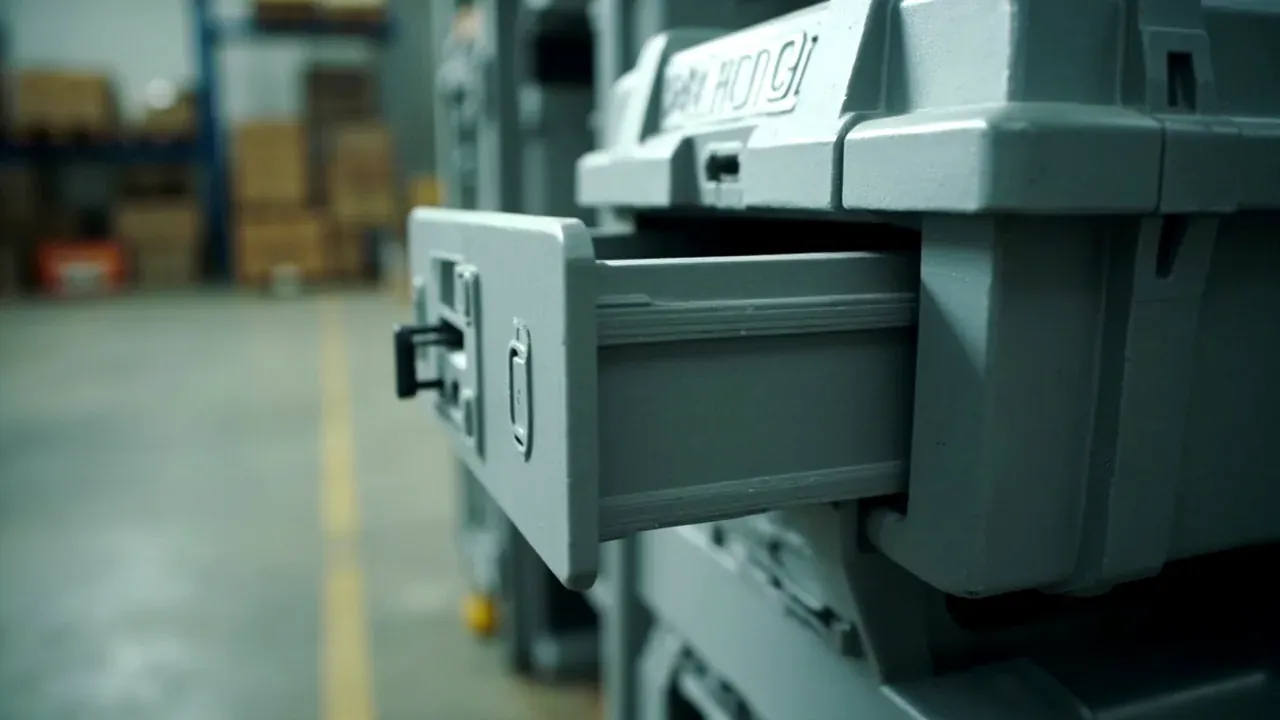
Sections follow the drive square, not the socket size. The 1/4, 3/8 and 1/2 groups each run as a column, divided by a rib of roughly fifteen millimetres. That builds a two-step search into the shell: drive first, size second. Mixed rows look compact but add a decision to every reach.
2. Centre pitch and pocket depth
Pitch is half the sum of two neighbouring maximum diameters plus eight to twelve millimetres of clearance: 26 mm for 1/4 drive, 34 mm for 3/8 and 46 mm for 1/2. Tight clearance packs more pockets but shuts out a thick glove; loose clearance lengthens the socket wrench set case in whole multiples of the pitch.
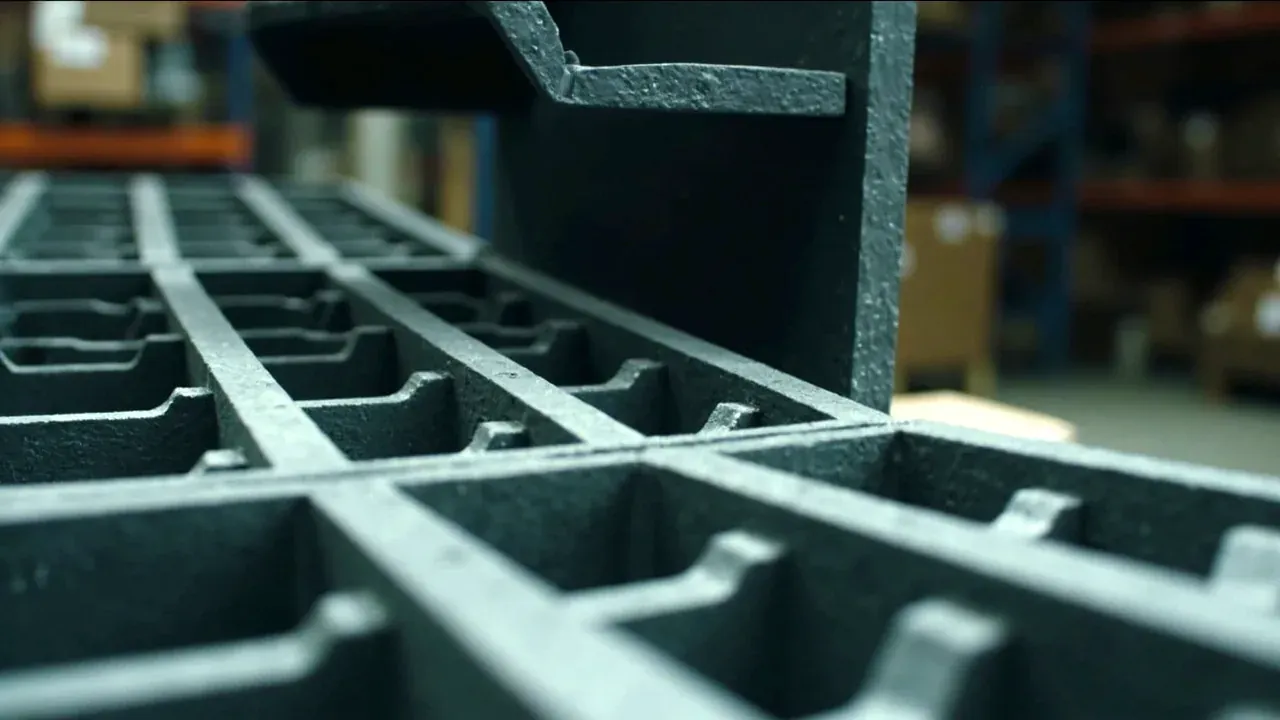
Deeper is not steadier. Set pocket depth at eighty to ninety percent of socket height so three to five millimetres stands proud for the fingertip. Past sixty percent of the outer diameter the wall grips the waist, and the liner splits along that seam long before the shell fails.
3. Ordering pockets by drive square
Run the sequence along the long axis of the socket wrench set case: 1/4 ascending at the left, 3/8 in the middle, 1/2 at the right, deep pockets on a separate row. Section by section, each one holds its own minimum pitch. Interleave them and a single 1/2 pocket forces the row to 46 mm, where small sockets shift and gaps stop showing.
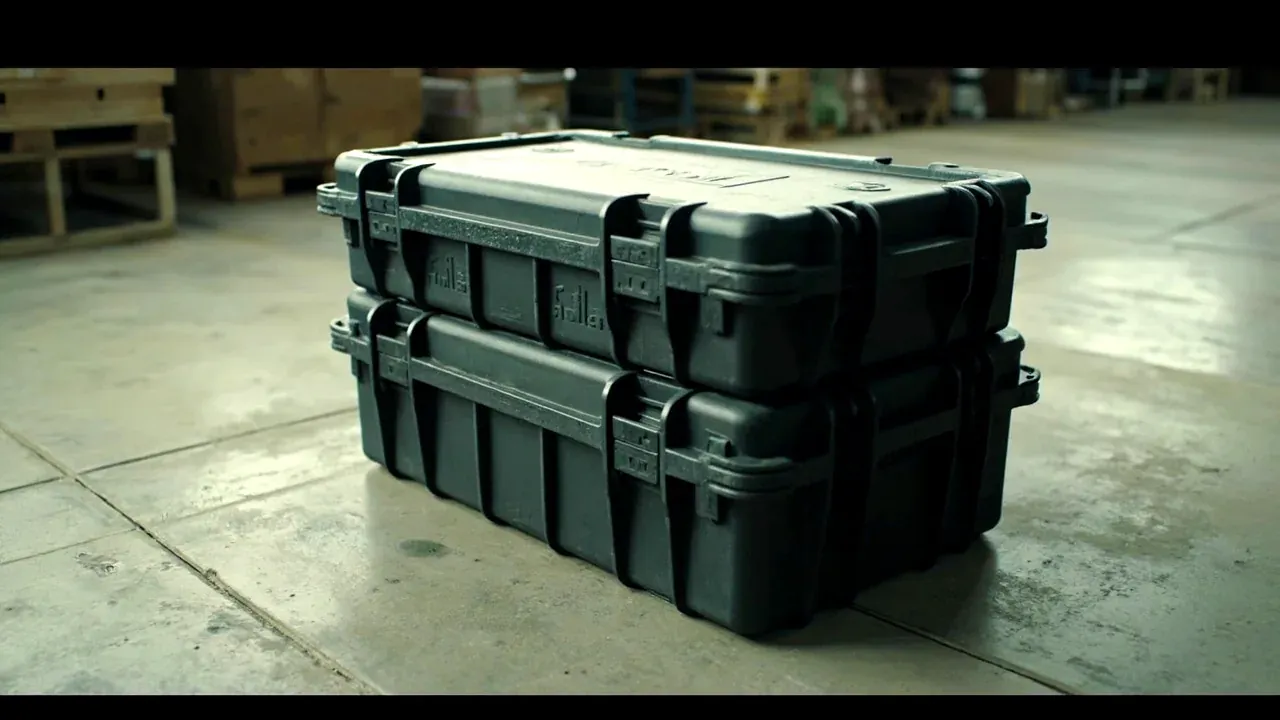
Fix the direction too: every section starts at the handle end and grows away from it. However the case lands, the first reach meets the same small size. Mixed directions train two sets of habits within months, and the wrong size surfaces only when an assembly will not close.
| Drive section | Centre pitch | Pocket depth | Pockets per row |
|---|---|---|---|
| 1/4 | 26 mm | 28 to 30 mm | 10 to 12 |
| 3/8 | 34 mm | 32 to 35 mm | 12 to 16 |
| 1/2 | 46 mm | 42 to 46 mm | 8 to 12 |
| Deep row, all sections | section pitch | 58 to 70 mm | 6 to 8 |
4. Seeing a gap and estimating weight
A missing piece should show without a label. Dark liner, pale or orange pocket floor: an emptied pocket reads as a bright patch. What counts is two steps of lightness between floor and wall. Section numbers moulded proud in the liner's colour outlast printed tabs.
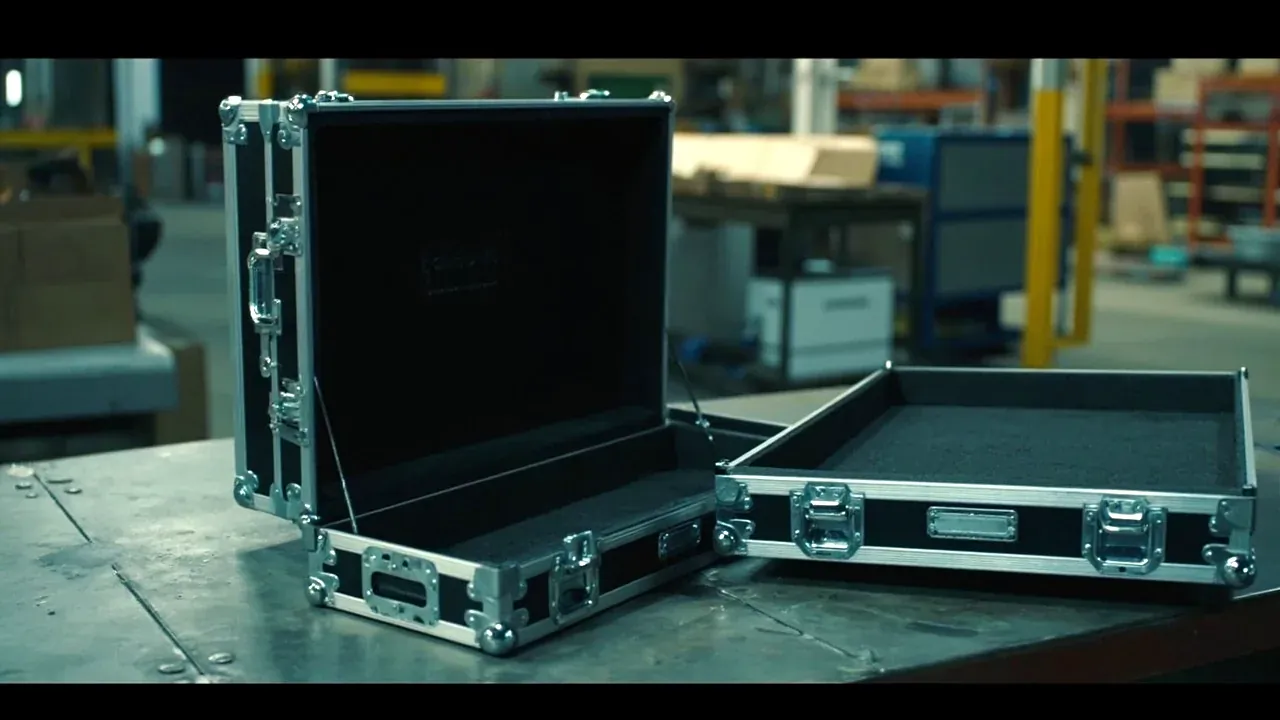
Weight is bounded by area: unfolded square metres times wall thickness in millimetres times 0.94. A 480 by 360 by 180 double-wall socket wrench set case unfolds to about 1.35 square metres, so four millimetre walls give 5.1 kg of shell, near 7 kg empty with liner and hardware.
5. Trading pocket count against case size
Pocket count should follow the sizes actually reached for. Drop what is used less than three times a year and a sixteen-pocket 3/8 case often beats a forty-six-pocket three-section one: half the weight, everything visible with the lid up, thirty pockets nobody opens.
Size grows in steps. Each row lengthens the socket wrench set case by a whole multiple of that section's pitch, never by a few millimetres. Fix sections and rows, take the closest outline. Curing a shortfall of pockets with a bigger shell leaves something heavy and half empty.
Conclusion
Read a socket wrench set case in one pass: sections, then pockets and pitch, then depth and the contrast that shows a gap, then area times thickness. Get those right and the outline follows. Pick the outline first and every pocket becomes a compromise. That order decides which figures can still be changed.
This article covers container-side specifications and design implications only, not the handling, loading or use of the contents.
Related Reading
- Configuring a socket wrench set case for repair work
- Consolidated tool kit specifications
- Tool box lids: one-piece and split
- Rotomolded Cases: Rotational-Moulded Shell Structure & Pro…
Related Products
- 8 Series — Gun Cases; Military Equipment Cases; Camera Equipment Cases; Drone Cases; Watch Cases; Knife Cases; First Aid Cases; Electronics Equipment Cases
- WL8-2812 PP Gun Case — model WL8-2812
- All protective cases and toolboxes: 7 series, 158 models