

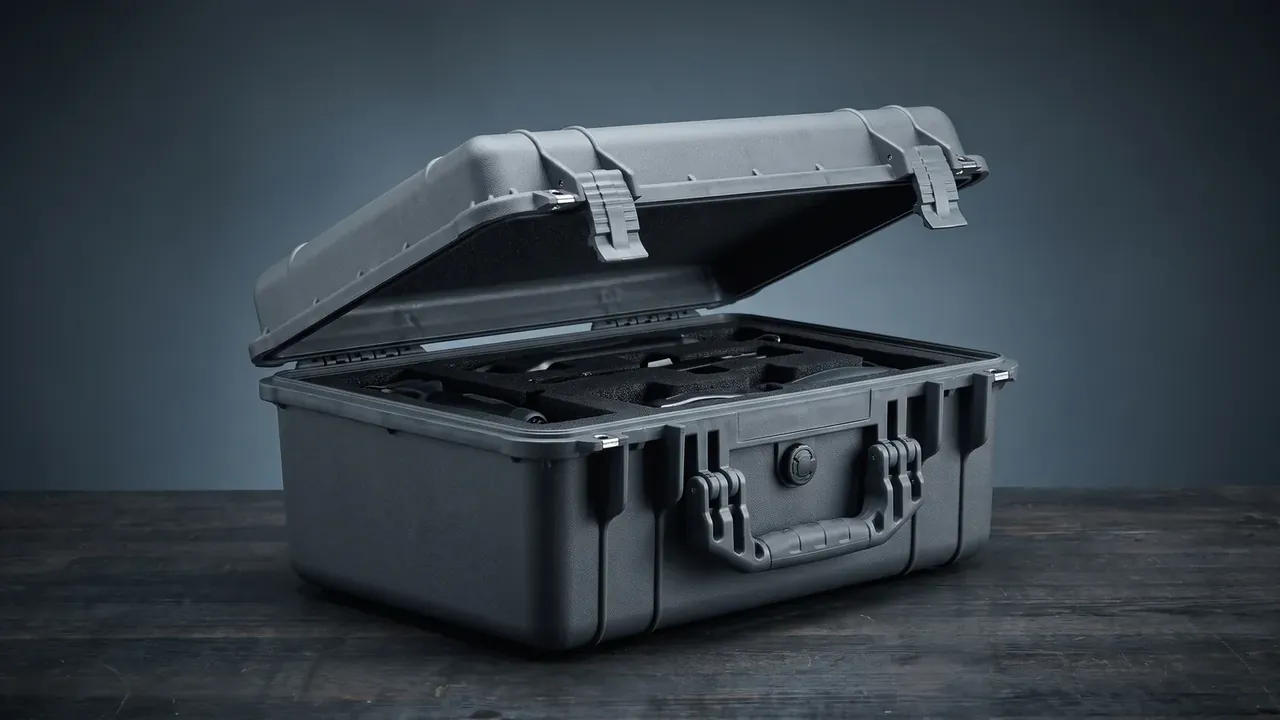
Quick answer: The rivals are not other cases but three habits: one case per task, a soft tool bag, a roll-around drawer cabinet. Compare them on density, retrieval time, protection, cost per kilogram and traceability. For a kit that must travel, seal and file a record, the consolidated tool kit wins; for a fixed bench, the cabinet is cheaper.
Table of contents
- How a consolidated tool kit compares with three alternatives
- Load density: interior volume and wasted cells
- Retrieval time: what one lid opening costs
- Protection level and cost per kilogram carried
- Traceability: which option keeps records
- FAQ
1. How a consolidated tool kit compares with three alternatives
Grant the rivals their strengths. One case per task gives the best isolation, because nothing shares a cavity. A soft bag is lightest, under two kilograms empty. A drawer cabinet is fastest, since the label does the locating. A consolidated tool kit wins nothing outright; it folds those strengths onto one line that can travel.
Density is usable litres over occupied litres. Retrieval is seconds to the first item. Protection is an IP code plus a drop height. Cost is money per kilogram per year. Traceability is the count of fixed records that photograph well. The first two decide daily feel; the last three decide the bill five years out.
2. Load density: interior volume and wasted cells
A 42 litre interior carries 27 litres of tooling, a density of 64 percent. Move the same 40 line list into three split cases and the interiors total 78 litres for 44 usable: density falls to 56 percent and the vehicle footprint grows by forty percent.
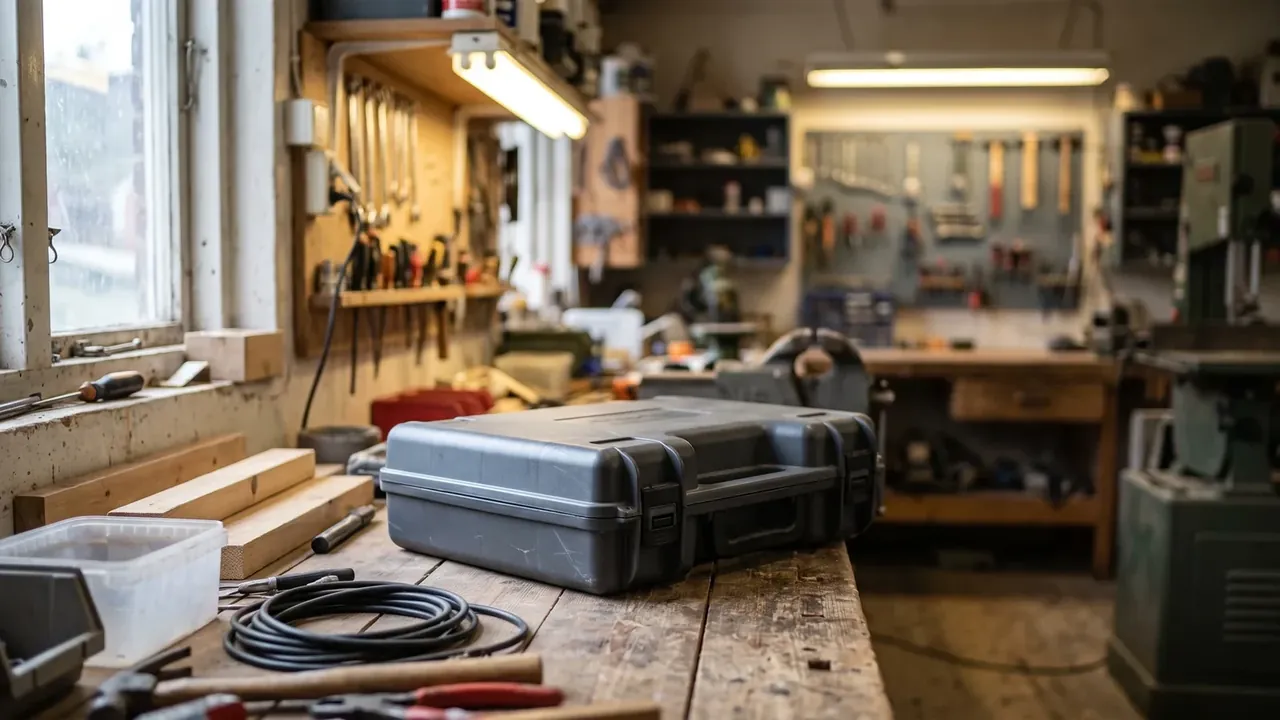
A soft bag scores 80 percent, 30 litres holding 24, at the cost of rigid separation. The cabinet reaches 73 percent but takes 0.42 square metres of floor.
| Option | Interior L | Usable L | Density | Empty |
|---|---|---|---|---|
| Consolidated tool kit | 42 | 27 | 64% | 4.6 kg |
| Three split cases | 78 | 44 | 56% | 9.8 kg |
| Soft tool bag | 30 | 24 | 80% | 1.8 kg |
| Drawer cabinet | 60 | 44 | 73% | 38 kg |
At 80 percent there is no cushion between tools; at 64 percent the rest is wall and finger gap.
3. Retrieval time: what one lid opening costs
Time runs from standing to holding the item. The cabinet takes 9 seconds, a label settling the location in one step. The bag takes 16, since the zip comes first. The case takes 21: two latches, the lid, then the eye. Three split cases take 64, because the first question is which case.
At 14 openings a day over 280 days, 3,920 a year, the 43 second gap between 21 and 64 becomes 47 hours. Sealing and speed pull against each other.
4. Protection level and cost per kilogram carried
A moulded case reaches IP67, survives 0.9 m drops on eight corners and 30 minutes of rain. A split case can reach IP65, but three cases mean three seal faces. The bag resists scuffing only and wets through; the cabinet sits at IP20.
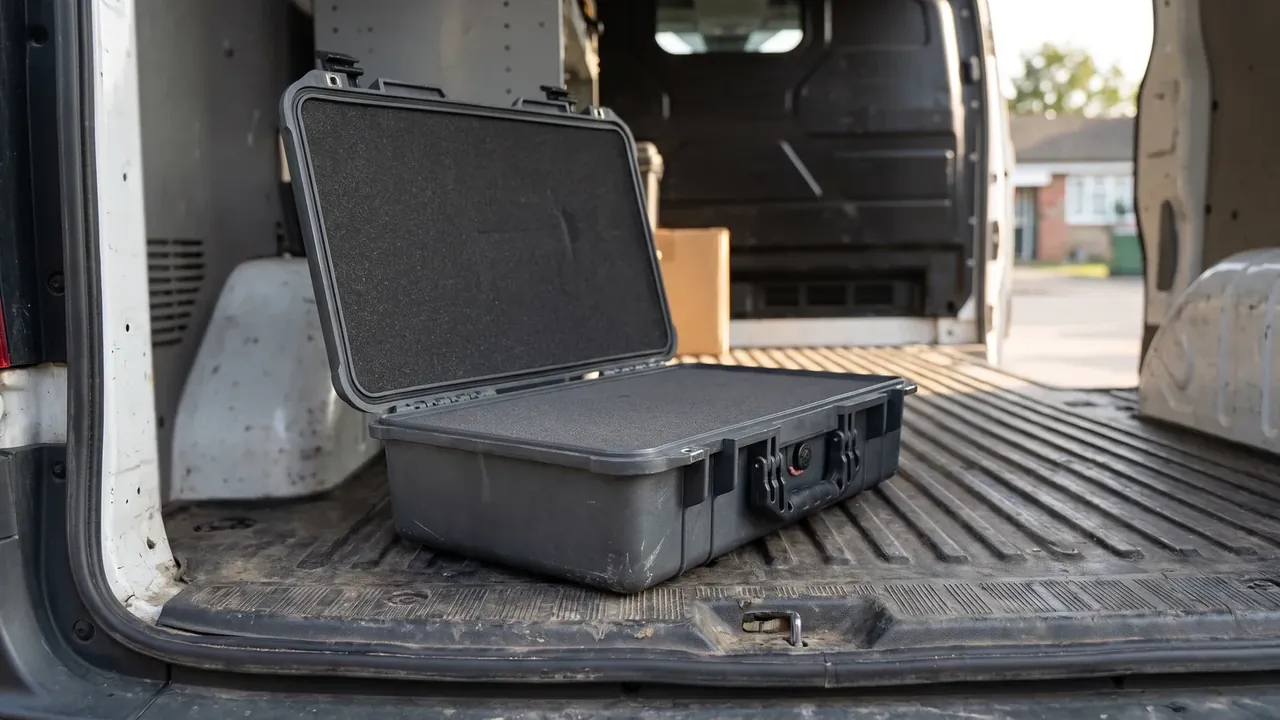
Spread cost over payload: the case at 1,100 gives 4.1 per kilogram per year over 30 kg and nine years, three split cases at 1,860 give 11.1, the bag at 240 gives 8.0, the cabinet at 3,600 gives 2.5 before floor space and fixing.
| Option | Protection | Drop | Cost per kg-year |
|---|---|---|---|
| Consolidated tool kit | IP67 | 0.9 m, eight corners | 4.1 |
| Three split cases | IP65, three seal faces | 1.0 m | 11.1 |
| Soft tool bag | none, scuff only | none | 8.0 |
| Drawer cabinet | IP20 | none | 2.5 |
The cabinet looks cheapest because its load never moves.
5. Traceability: which option keeps records
A consolidated tool kit carries five fixed records: serial label, seal holes, lid list plate, tray numbers, and the revision of the cell drawing. Three split cases give three, one label each and the list scattered. The cabinet gives two; the bag gives one cloth label that fades in two washes.
With five records a missing tool is traced to a cell and a dispatch. Where tools never leave a fixed bay the cabinet wins on floor space traded for speed; a short list carried up a ladder favours the bag; three shifts with one set each favour split cases.
Conclusion
Set the four side by side and the gap is not material but trade-offs: split cases buy space with isolation, the bag buys weight with protection, the cabinet buys mobility with speed. When travel, sealing and records all matter, the answer is a consolidated tool kit.
This article discusses only the container (case body) side of specifications and design intent, and does not cover any handling, loading or use of the contents.
Related Reading
- Tool bags and the alternatives
- Mobile tool cabinets and the alternatives
- Specification points for a consolidated tool kit
- How a weapons consolidated tool kit is built
Related Products
- 8 Series — Gun Cases; Military Equipment Cases; Camera Equipment Cases; Drone Cases; Watch Cases; Knife Cases; First Aid Cases; Electronics Equipment Cases
- WL8-2812 PP Gun Case — model WL8-2812
- All protective cases and toolboxes: 7 series, 158 models