

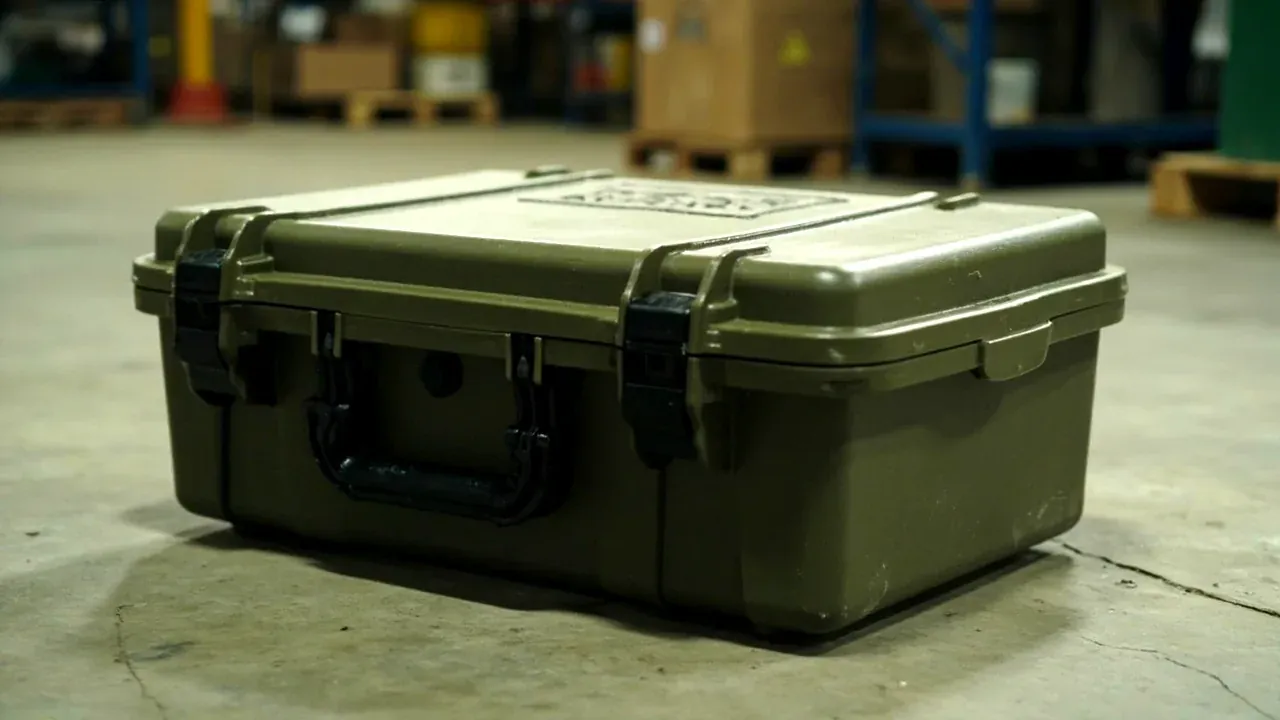
Quick answer: A weapons consolidated tool kit is a rotomolded hard case that holds a checked tool list, with one fixed cavity per item. It differs from a general kit in three places: the list comes from the user, the liner is cut to outlines rather than grids, and the shell carries margin for repeated lifting. Invert it and shake: if nothing shifts, the layout works.
Table of contents
- Definition: one case, one tool set
- Shell: rotomolded body, latches, handle
- Interior: cavities cut to tool outlines
- Carrying, locking and pre-delivery checks
- Three differences from a general kit
- FAQ
1. Definition: one case, one tool set
A weapons consolidated tool kit starts from a checked list, not a case size. The user supplies item count and outline; the maker turns those numbers into internal length, cavity layout and wall thickness. Change the list and the weapons consolidated tool kit must change, which is why one shell needs a new liner for a new user.
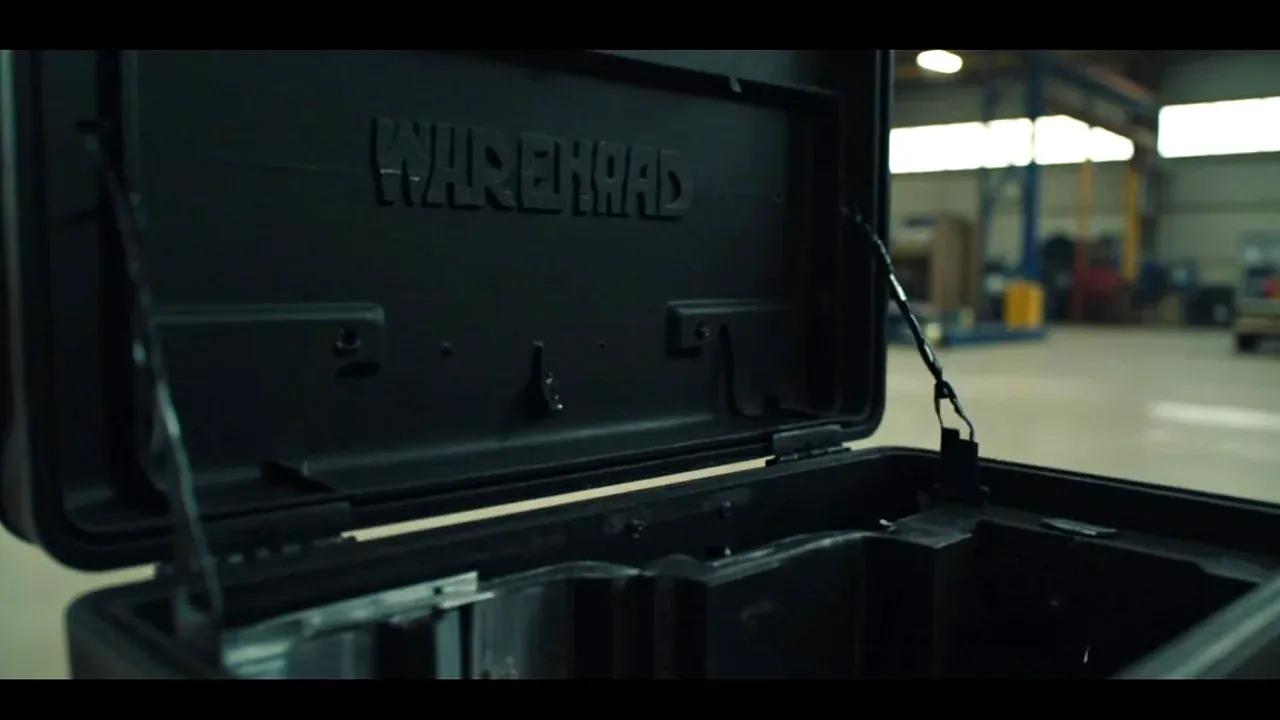
Three conditions make it a set: a closed list, a unique cavity per item, and a weight two people can lift. Miss any one and the weapons consolidated tool kit becomes a general box with a foam block inside. All three can be checked before delivery, which is why the extra liner is worth paying for.
| Item | General kit | Weapons kit | How to tell |
|---|---|---|---|
| Tool list | open, items added freely | closed, one item per cavity | is each cavity unique |
| Liner | grid or one foam block | cut to outline, 2 to 3 mm clearance | does removal move a neighbour |
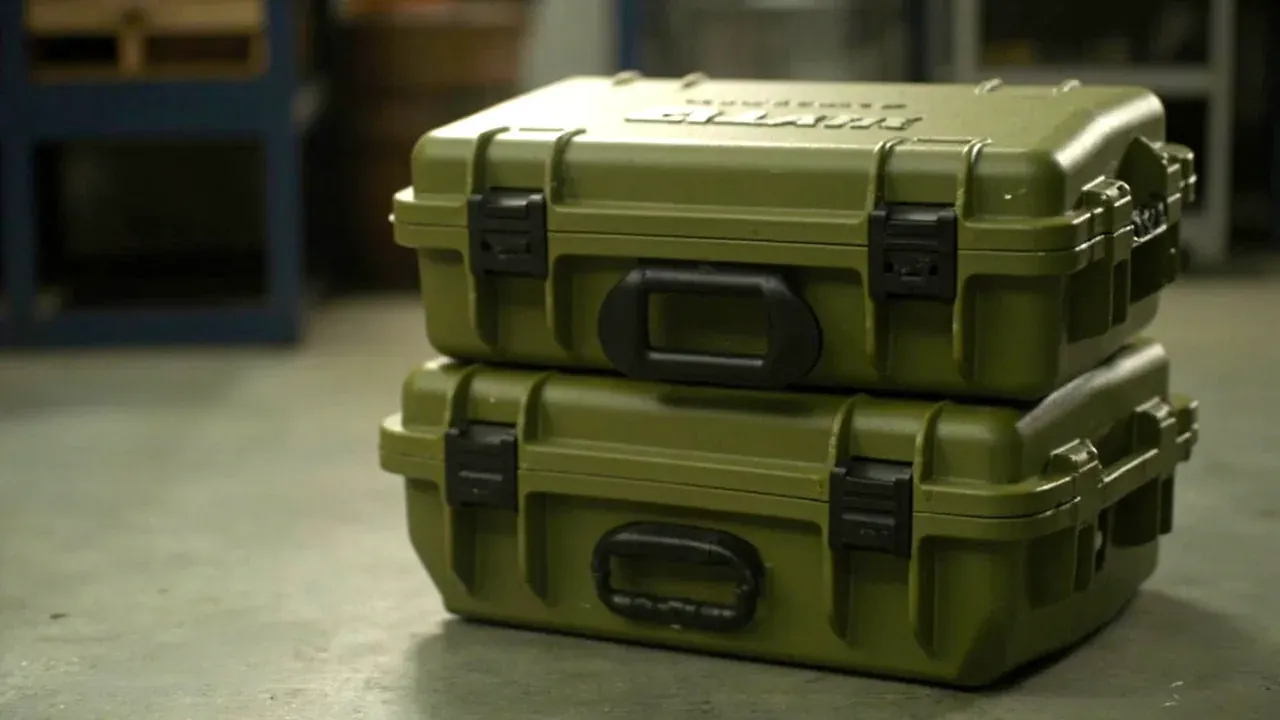
| Strength | sized for light handling | sized for loaded lifting and vehicle travel | does a two-high stack deform |
2. Shell: rotomolded body, latches, handle
A weapons consolidated tool kit usually uses a rotomolded twin-wall polyethylene shell, three to five millimetres thick, with large radii and no seams, so impact stress has few places to gather. Tooling costs less than injection; tolerance is looser, about plus or minus 1.5 mm per 100 mm, and the cavities must absorb it.
Latch count follows length: two up to 600 mm, three beyond, one at each end and one centred, or the lid bows. Use a through-pin hinge and a molded handle sized for 1.5 times the loaded weight. Wall thickness drops at radii, so every weapons consolidated tool kit should keep latch mounts on flat areas.
3. Interior: cavities cut to tool outlines
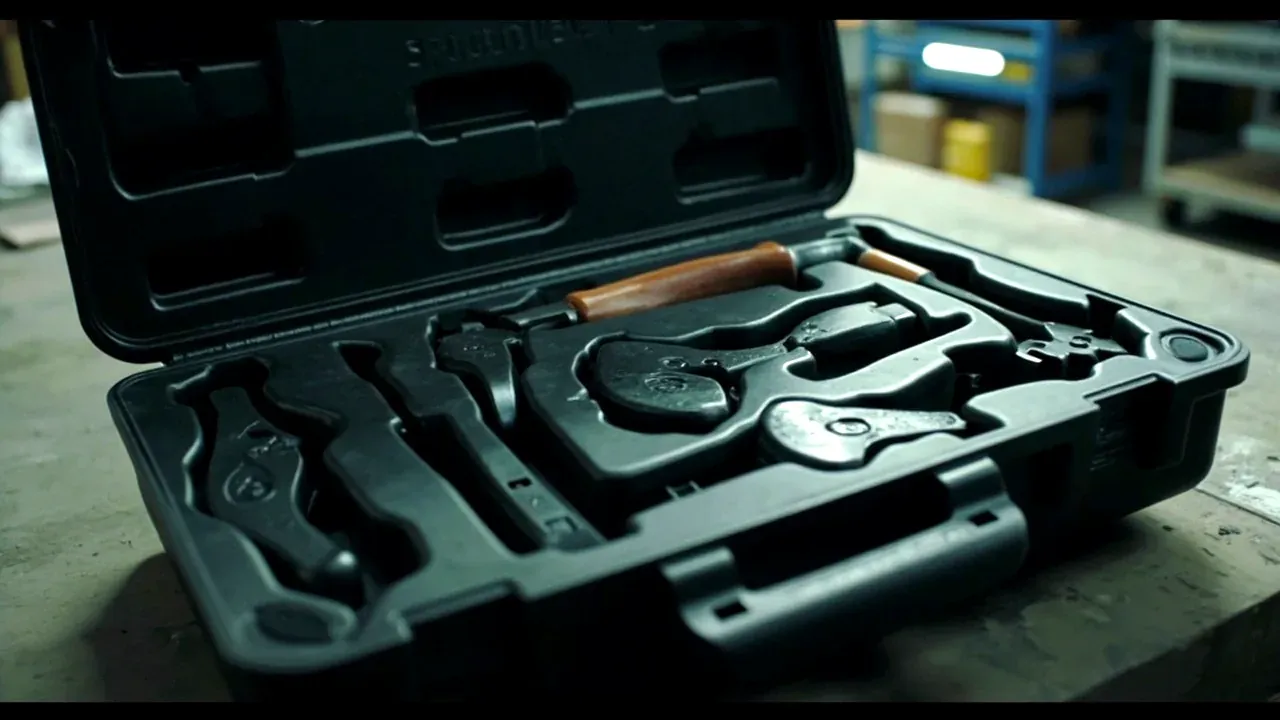
Cavities come three ways: molded partitions, removable dividers, or foam cut to outlines. Partitions last but cannot be revised; dividers adapt with less accuracy; foam fits best and wears with handling. A weapons consolidated tool kit commonly pairs a molded tray below with foam above.
Three rules govern layout: two to three millimetres per side, heavy items near the handle, and ten to fifteen percent spare cavities. Closed-cell polyethylene at thirty to forty-five kilograms per cubic metre does not absorb water; EVA is harder at twice the cost. Chamfer every cut edge, since square edges crumble first.
4. Carrying, locking and pre-delivery checks
Loaded weight sets the carry method. One person should stay near eighteen kilograms; above that add side handles or move to a trolley case. The handle axis must pass through the centre of gravity, or a loaded weapons consolidated tool kit tips forward and the wrist works harder.
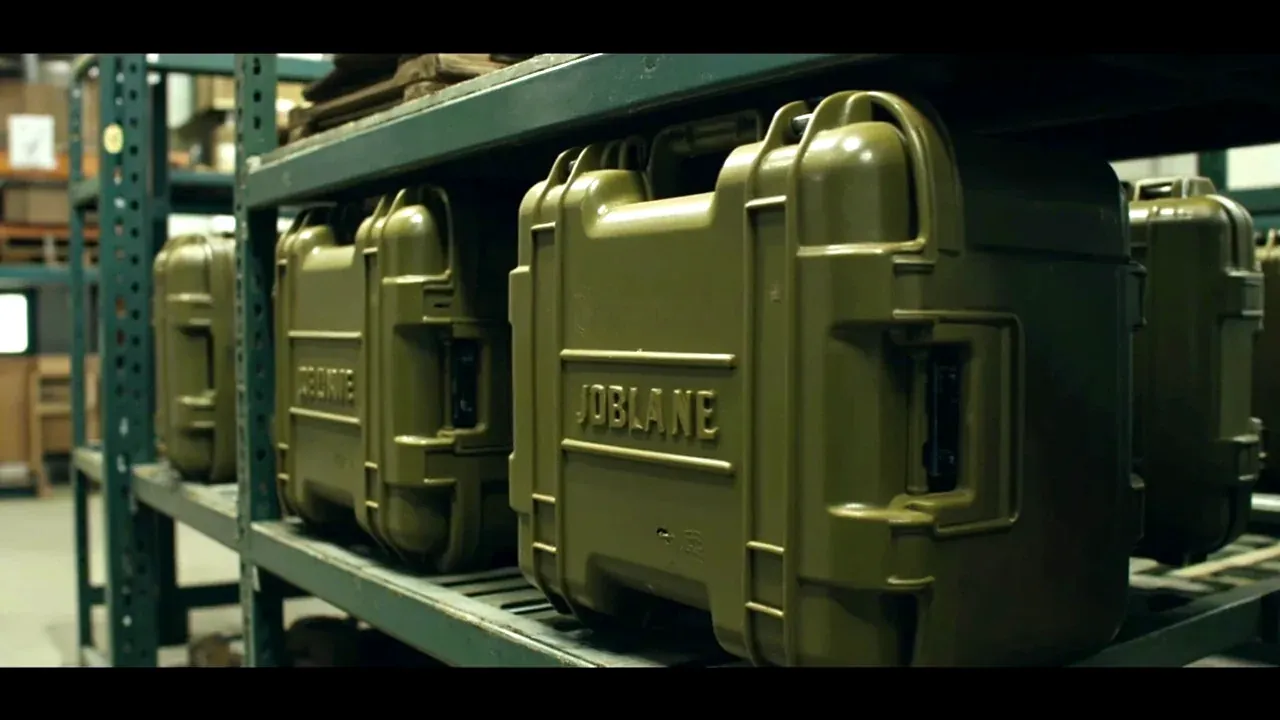
Latches compress the gasket but secure nothing. A weapons consolidated tool kit needs a padlock eye molded into the shell and loaded separately. Four checks: invert and shake, load for a day and measure lid deflection, cycle the latches fifty times, run water for ten minutes.
5. Three differences from a general kit
Three differences separate a weapons consolidated tool kit from a general box: list closure, liner precision, and strength margin for repeated lifting and vehicle vibration. None shows in a photo, so comparing pictures cannot tell them apart.
The shared parts are identical to a general box: rotomolded shell, draw latches, molded handle, and no premium is owed for the word specific. Test three actions: invert and shake, remove one item and watch its neighbour, stack two loaded cases. Any weapons consolidated tool kit that passes all three is doing its job.
Conclusion
Judge a weapons consolidated tool kit in three steps: list, cavities, shell. Ask whether the list is closed, whether each cavity is unique, and whether the loaded case keeps margin under drop and stack. Specificity comes from the dimensions those steps leave behind, not from a label, and from checks that take ten minutes at goods-in.
This article covers container-side specifications and design implications only, not the handling, loading or use of the contents.
Related Reading
- Selection order for a weapons tool kit
- List management in a consolidated kit
- Consolidated kits for machine tooling
- Rotomolded Cases: Rotational-Moulded Shell Structure & Pro…
Related Products
- 8 Series — Gun Cases; Military Equipment Cases; Camera Equipment Cases; Drone Cases; Watch Cases; Knife Cases; First Aid Cases; Electronics Equipment Cases
- WL8-2812 PP Gun Case — model WL8-2812
- All protective cases and toolboxes: 7 series, 158 models